
Last updated September 23, 2026
Free visual inspection and a written scope of work before any mitigation begins - photos, moisture readings, and drying logs go in your claim file
The scope we write is the scope we bill. Anything new gets shown to you, in writing, before we touch it.
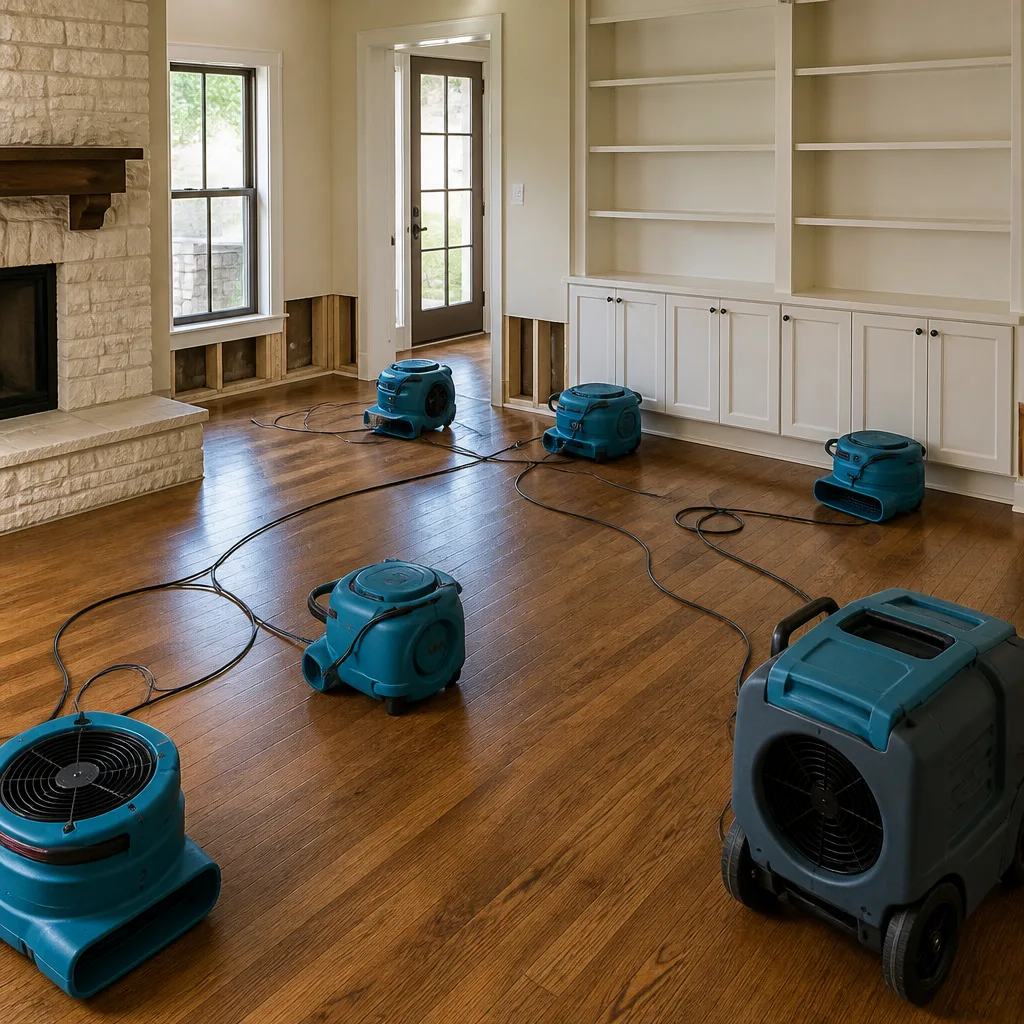

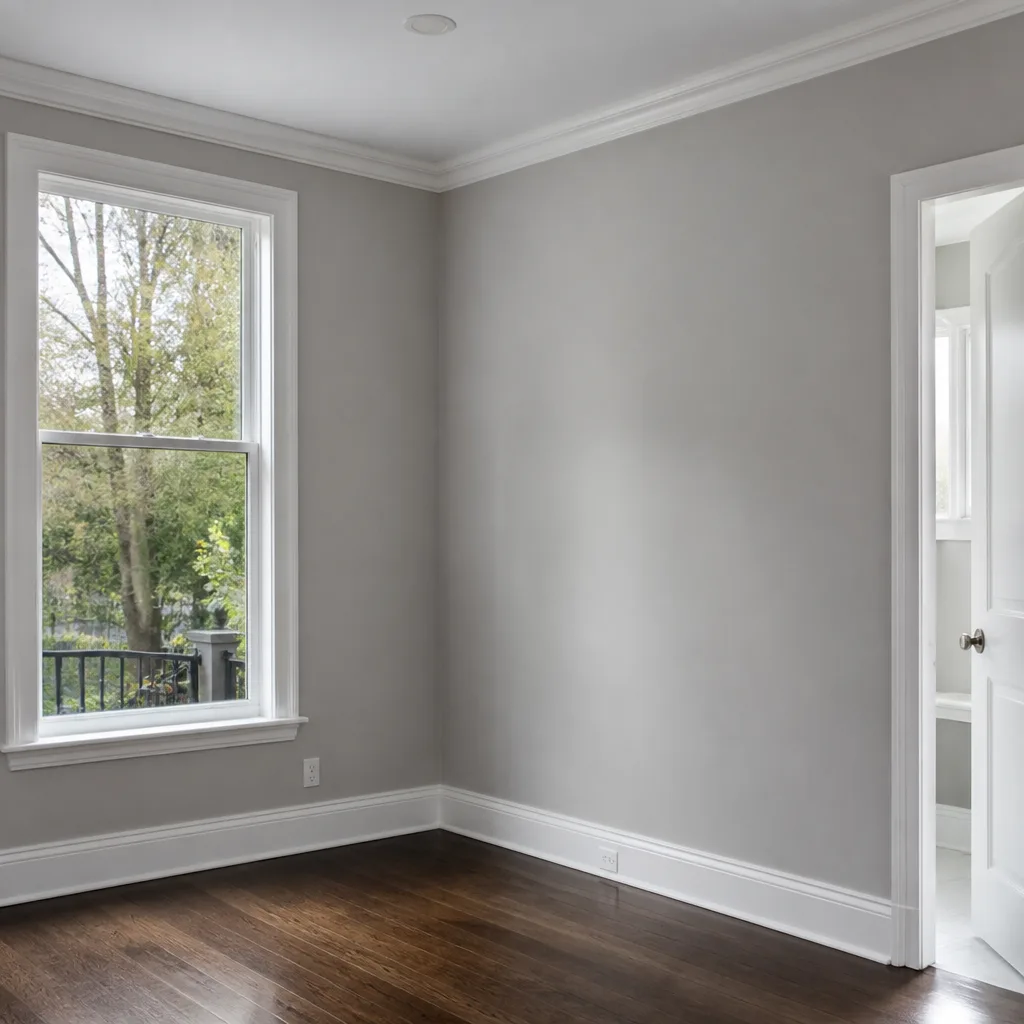

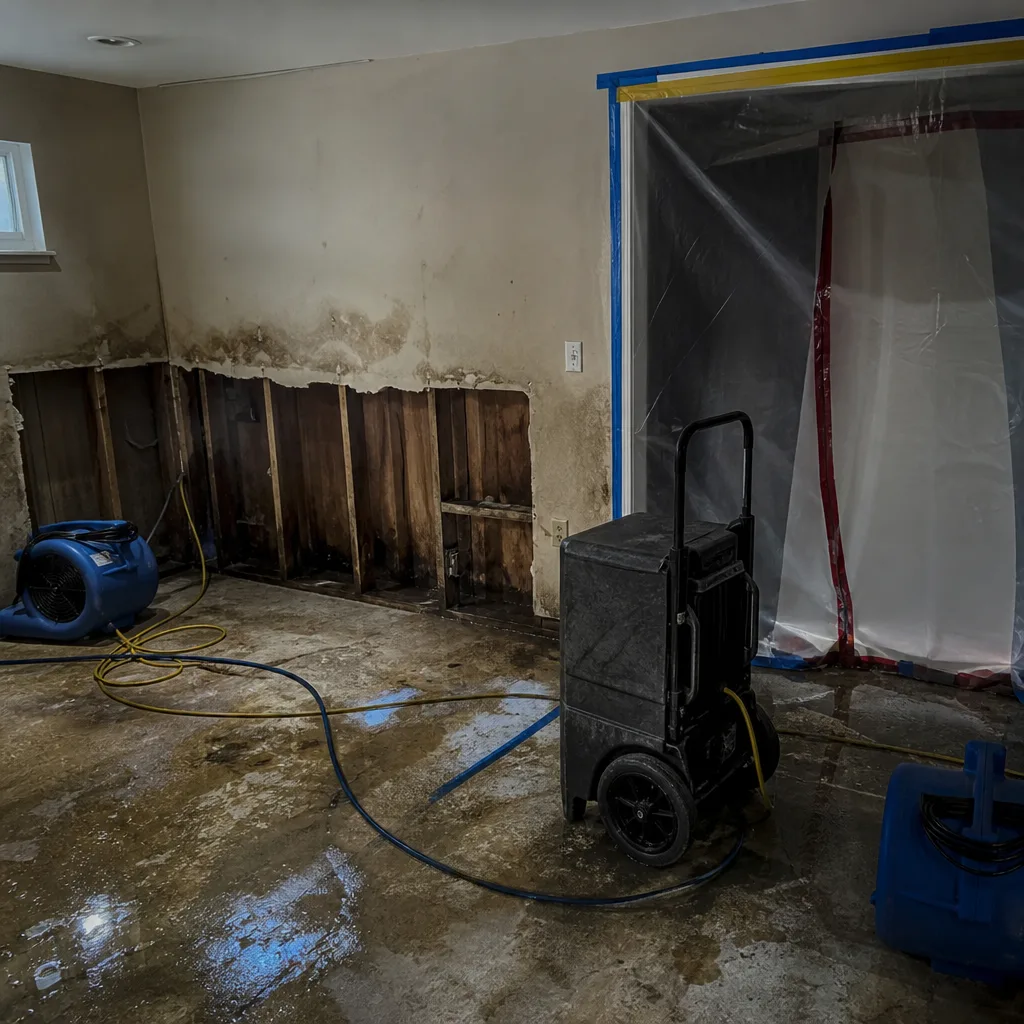 Before
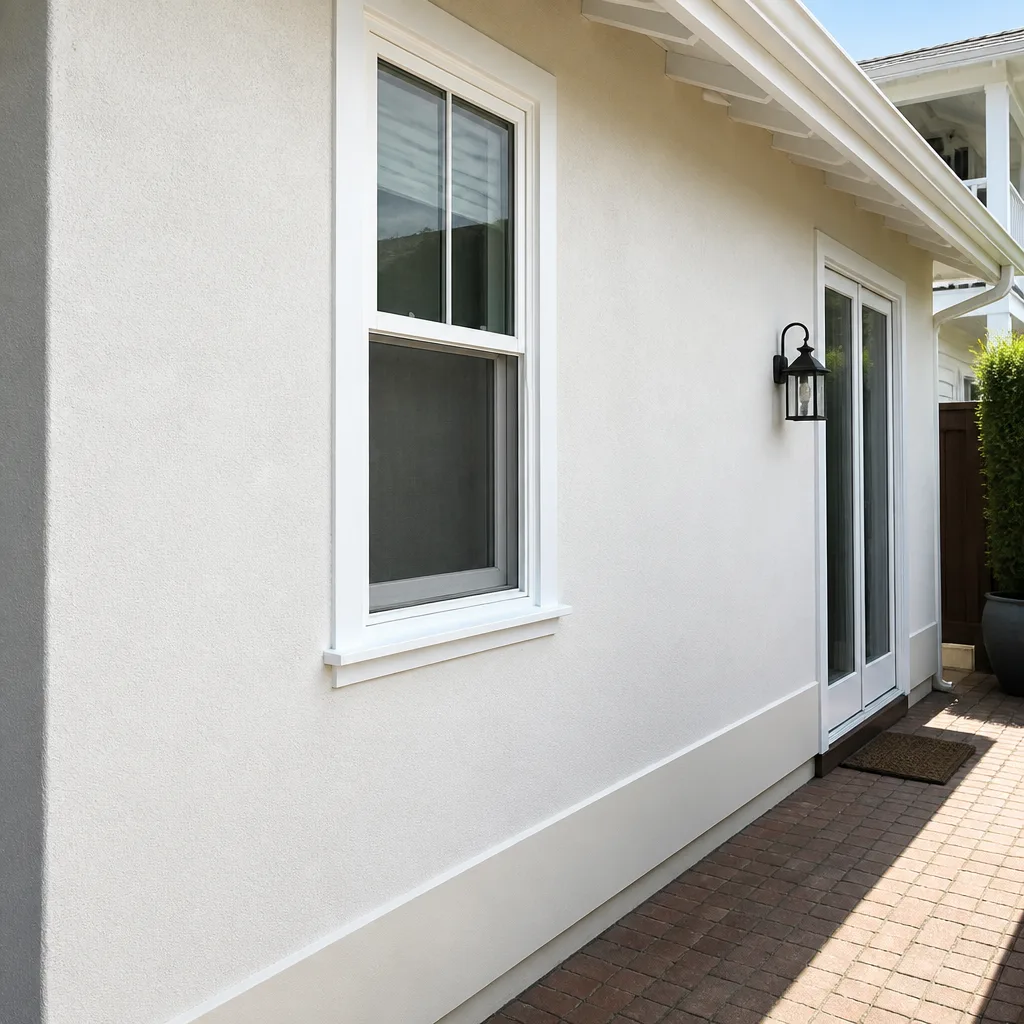 After
After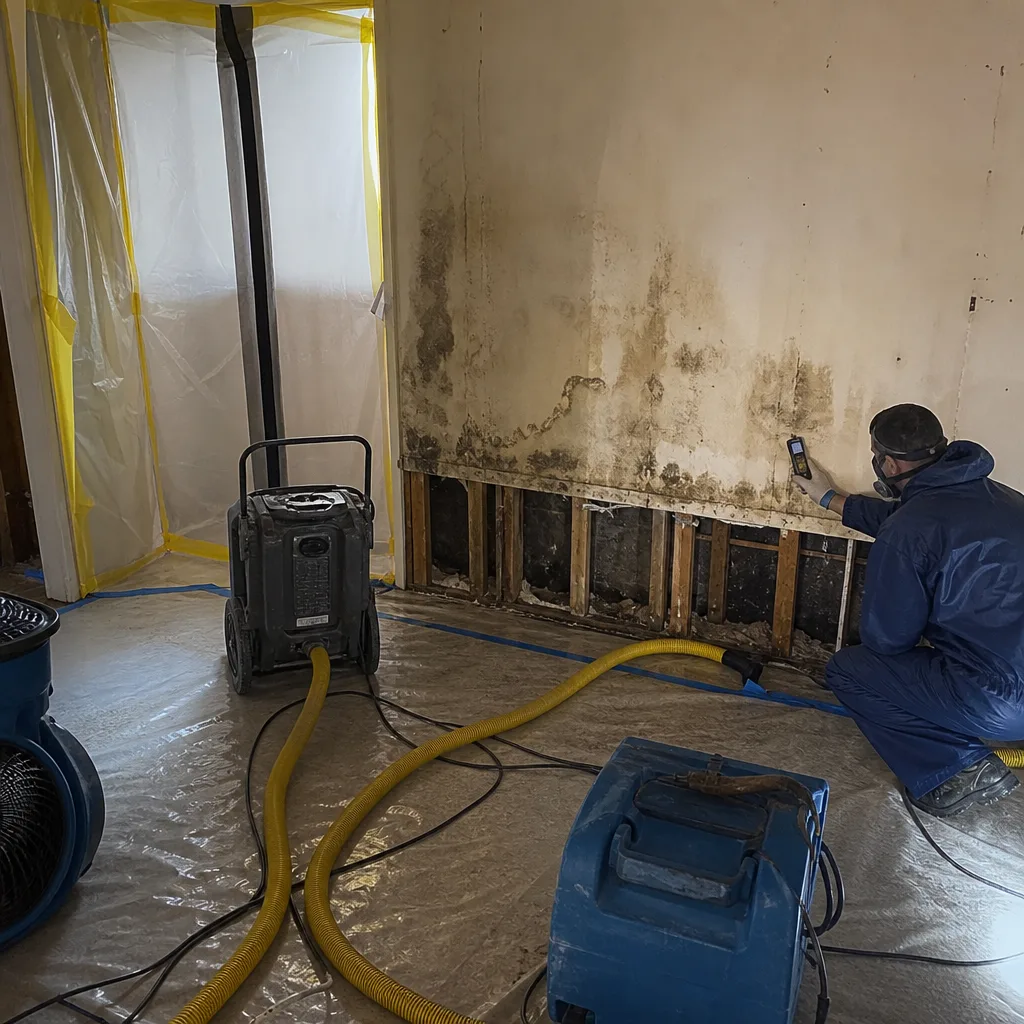 Before
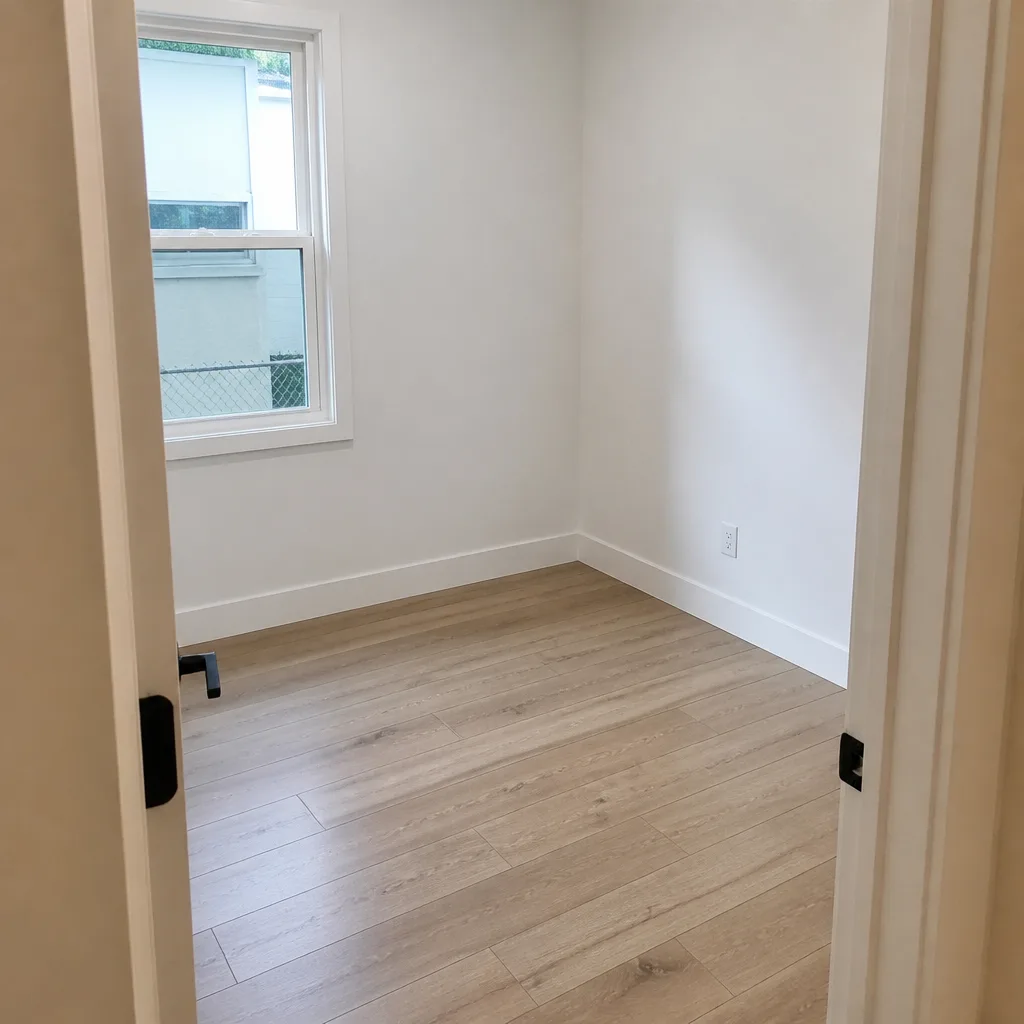 After
After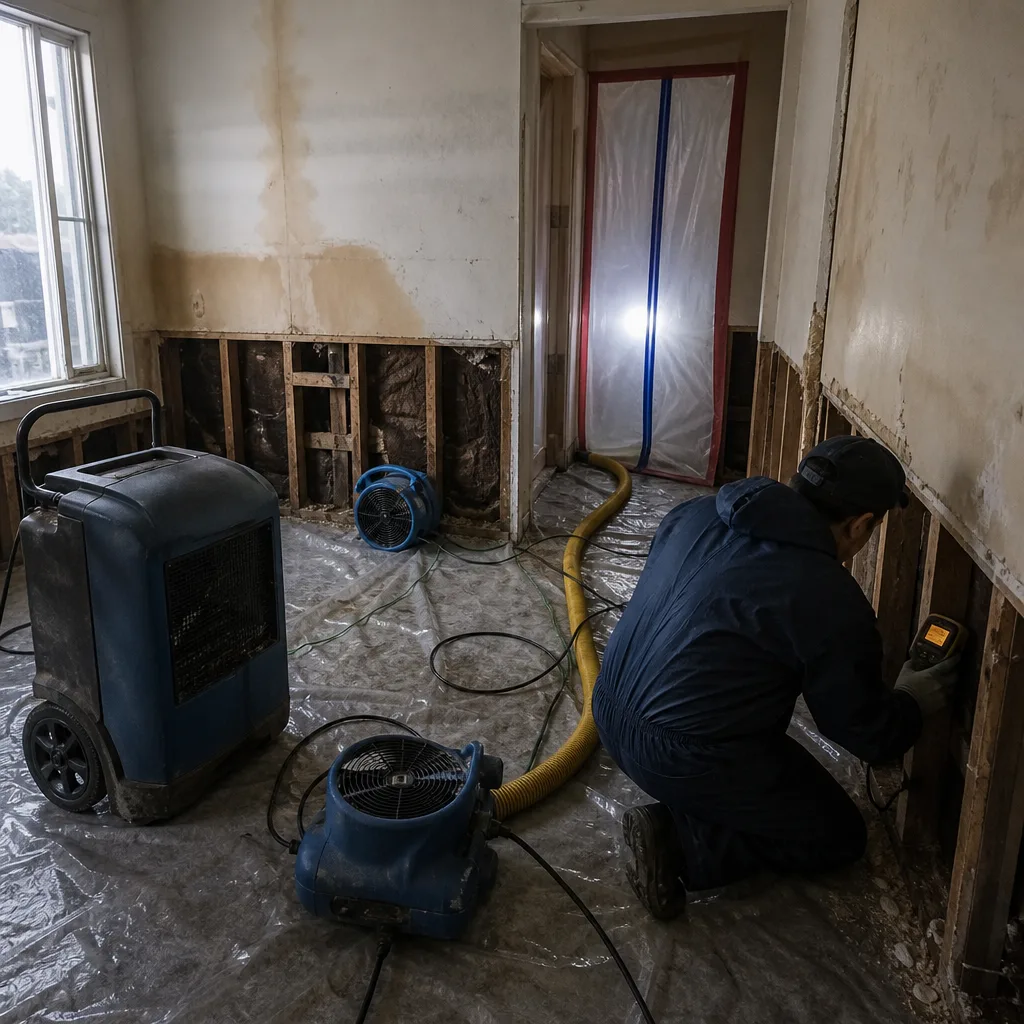 Before
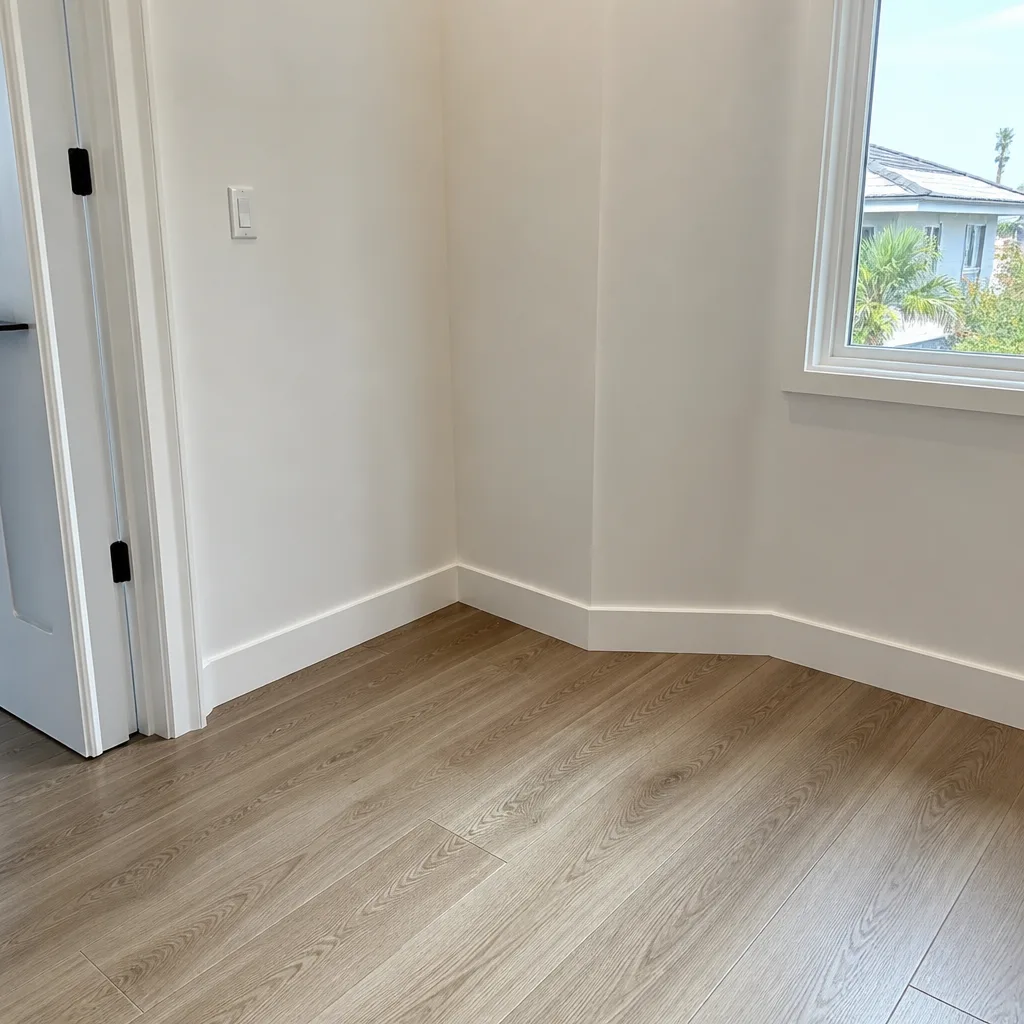 After
AfterWater Damage Restoration Maintenance Checklist for Manhattan Beach Homeowners
Here’s a number that stops most Manhattan Beach homeowners cold: insurers deny roughly 25% of water damage claims on the basis of “gradual damage” or “maintenance neglect” exclusions. Not because the water wasn’t real, but because the homeowner cannot produce dated evidence that the structure was sound before the failure. A photo of a dry crawlspace from March, a moisture meter reading from under the kitchen sink in July, a dated note about weep screed condition after the marine layer season - these ordinary records transform a disputed claim into a payable one. This guide - alongside our The Complete Guide to Damage Restoration in Manhattan Beach - assigns specific inspection tasks to specific months, ties them to Manhattan Beach’s actual weather patterns, and shows you exactly what to document so that if a pipe fails or the marine layer finds a gap, your insurer sees sudden damage, not long-term neglect.
Quick Answer
Manhattan Beach homeowners should inspect water-risk areas on a bimodal schedule: intensive checks from November through March during the rainy season, and targeted moisture monitoring from May through August when the marine layer penetrates wall cavities. Document each inspection with dated photos and moisture meter readings - baseline readings below 16% for wood framing and below 4% for drywall support a sudden-damage claim if failure occurs. The full checklist below assigns exact tasks to exact months, with thresholds calibrated for coastal Southern California.
Table of Contents
- Why Manhattan Beach’s Climate Demands a Different Checklist
- Tools and Documentation Standards That Adjusters Accept
- Month-by-Month Maintenance Schedule
- Marine Layer Season: The Hidden Moisture Window
- Salt-Air Inspection Points for Beach-Adjacent Properties
- How Maintenance Documentation Defeats “Gradual Damage” Exclusions
- Common Mistakes to Avoid
- When to Call a Professional
- Frequently Asked Questions
 Before
 After
AfterWhy Manhattan Beach’s Climate Demands a Different Checklist
Generic water damage prevention advice assumes a four-season continental climate: frozen pipes in January, spring thaw, summer humidity, fall leaf-clogged gutters. Manhattan Beach operates on a different calendar entirely. Our rainfall concentrates in two brief intensities - November through March, with February typically delivering the wettest single month - while our moisture risk inverts during the May through August marine layer season, when relative humidity at the coast can sustain 85-95% for weeks without a drop of rain hitting the ground.
This bimodal pattern means two distinct failure modes. Winter rain drives bulk water intrusion: failed flashing, overwhelmed drainage, hydrostatic pressure against foundation walls. Summer marine layer drives vapor-phase moisture migration: condensation inside wall cavities, sheathing saturation in unventilated attics, corrosion of metal fasteners that then release their grip and create new penetration points. A checklist built for Kansas or even inland Orange County misses half the risk.
We’ve documented both patterns across thousands of water damage restoration in Manhattan Beach jobs since 2011. The homes that recover fastest and claim most successfully share one trait: their owners kept dated records that distinguished between these two moisture sources. The checklist below reflects what those records actually contained.
Key climate facts for your documentation:
- Manhattan Beach averages 13-14 inches of annual rainfall, with 80% falling November through March
- February mean rainfall: 3.2 inches, often delivered in concentrated atmospheric river events
- Marine layer frequency peaks June through August, with overnight relative humidity routinely exceeding 90%
- Salt aerosol concentration at beach-adjacent properties accelerates metal corrosion 3-5x compared to inland Los Angeles
- Soil composition in the Sand Section and Hill Section varies: sandy, fast-draining soils versus denser clay-loam mixes that retain hydrostatic pressure
Tools and Documentation Standards That Adjusters Accept
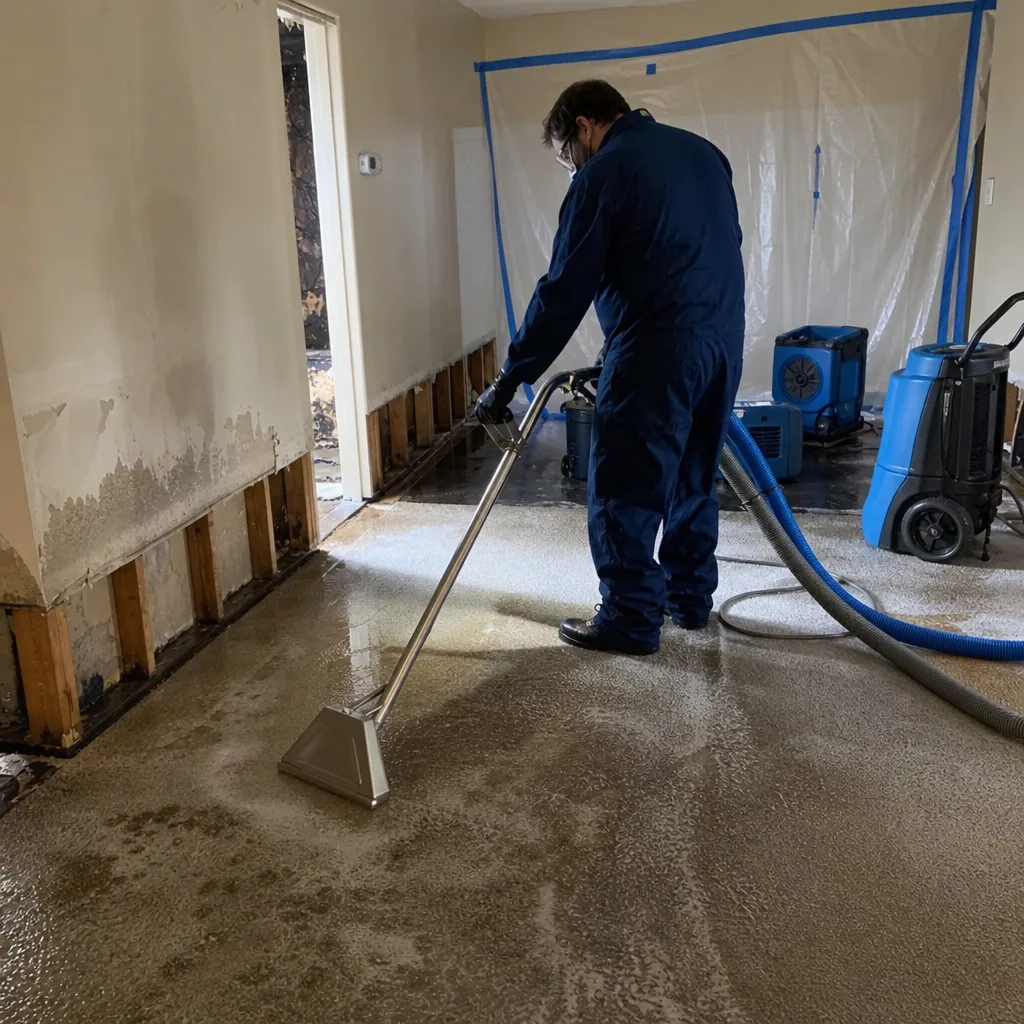
An adjuster’s first question after “what happened?” is “how do you know this wasn’t ongoing?” Your answer needs to be a document, not a memory. The tools below cost less than a single insurance deductible and produce records that meet the documentation standards we apply on every DryMark Restoration Manhattan Beach home job.
Essential Tools
- Pin-type moisture meter ($40-$80): Measures moisture content in wood, drywall, and other building materials. Look for models with species correction settings for California softwoods and hardwoods.
- Infrared thermometer ($25-$50): Identifies surface temperature differentials that indicate hidden moisture. Not a moisture meter, but a fast screening tool for wall and ceiling surfaces.
- Smartphone with timestamp and geolocation enabled: Every photo must embed date, time, and GPS coordinates. iPhone: Settings > Camera > Formats > ProRAW & Resolution Control off, then confirm Location Services enabled for Camera. Android: Camera settings vary by manufacturer; enable location tags and use a timestamp camera app if native support is limited.
- Standardized inspection form: Printed or digital, with pre-printed locations and blank fields for readings. Consistency across months matters more than format perfection.
Documentation Standards (The Adjuster’s View)
After twelve years and 12,000+ Water Damage Restoration projects completed, we’ve learned what documentation survives scrutiny. The photo record we produce on every visit - standard deliverable, never an upsell - follows these rules, and your maintenance records should too:
- Wide shot first: Establish the location context. “Crawlspace, northeast corner, facing water heater” - not “crawlspace.”
- Close-up with scale: Include a coin, ruler, or known object for size reference when showing cracks, stains, or material condition.
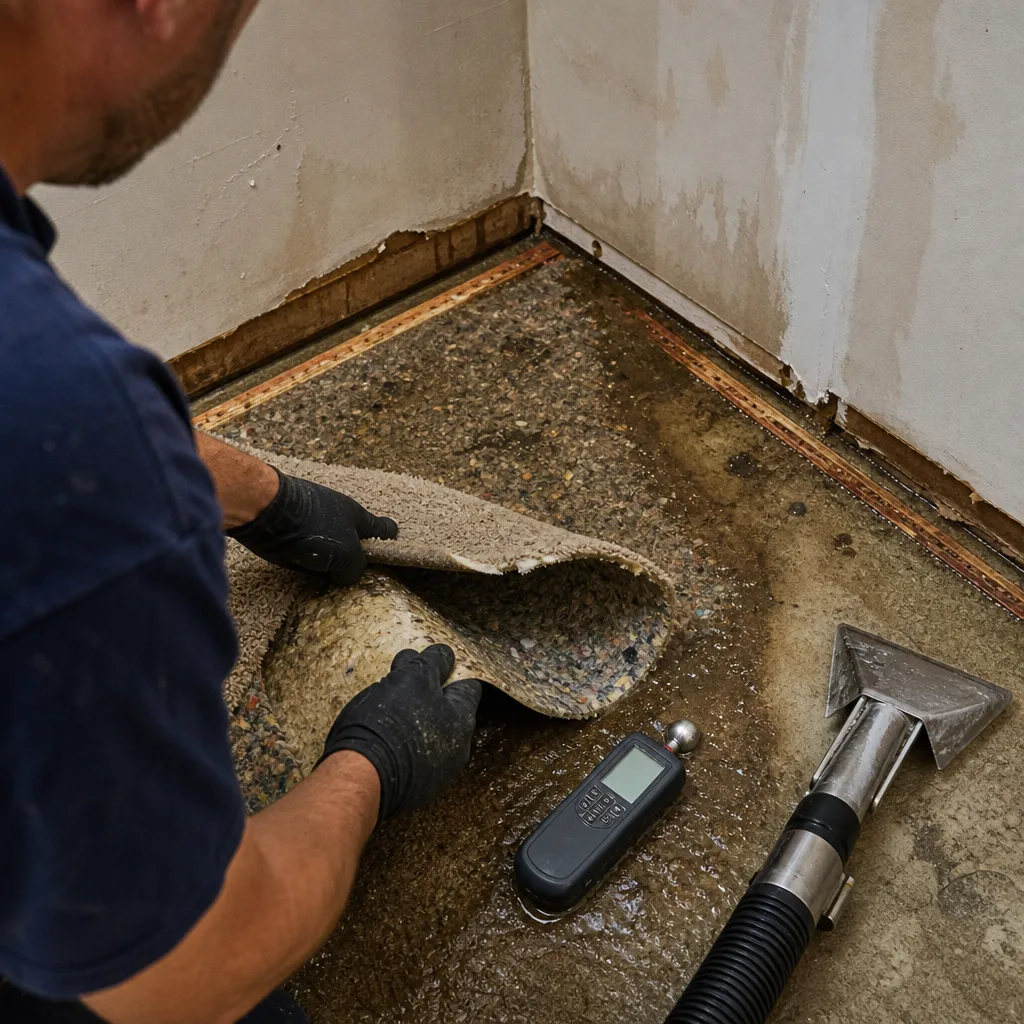
- Reading in frame: Photograph the moisture meter display showing the reading, with the probe visibly in the material. A standalone number is hearsay; a number in context is evidence.
- Sequential numbering: 2024-03-15_Crawlspace_NE_001, 002, 003. The date-first format sorts chronologically in any file system.
- Cloud backup within 24 hours: Local storage fails. Google Photos, iCloud, or Dropbox with automatic upload ensures the record survives the loss that prompts the claim.
Baseline moisture readings for coastal Southern California structures:
- Wood framing (studs, joists, rafters): 10-16% in normal conditions. Above 20% supports mold growth; above 28% indicates active water intrusion.
- Drywall (paper face and core): Below 1% surface, below 4% core in normal conditions. Above 1% surface moisture triggers closer inspection.
- Concrete slab (relative humidity probe): Below 75% RH per ASTM F2170 for flooring installation; for maintenance monitoring, 80% RH warrants investigation.
- Attic sheathing (plywood/OSB): 12-16% typical. Sustained readings above 20% indicate ventilation failure or roof leakage.
Month-by-Month Maintenance Schedule
This schedule aligns inspection intensity with actual risk periods. Tasks cluster in pre-rainfall preparation (October), peak rainfall response (January-February), and marine layer vigilance (June-August). The shoulder months (April-May, September-October) focus on verification and repair of any degradation found during peak periods.
October: Pre-Rainfall Preparation
- Roof and gutter inspection: Photograph all roof penetrations (vents, chimneys, skylights) from the roof surface and from the attic below. Note any lifted shingles, cracked flashing, or sealant gaps. Clean gutters and downspouts; photograph water flow during a test with a hose.
- Exterior grade and drainage: Verify soil slopes away from foundation at minimum 6 inches of drop over 10 feet. In Manhattan Beach’s Sand Section, where sandy soils drain quickly, this matters less for hydrostatic pressure but more for foundation settlement patterns that crack waterproofing. In the Hill Section, check terrace drains and retaining wall weep holes.
- Window and door seal inspection: Check weatherstripping, caulk lines, and weep screed drainage paths. Photograph condition; replace deteriorated materials before first rains.
- Water heater and laundry connections: Inspect supply lines for corrosion, kinking, or bulging. Note installation date; replace rubber hoses with braided stainless steel if older than 5 years.
- Baseline moisture readings: Record readings at all standard locations. These are your pre-loss benchmarks for the entire year.
November-January: Rainfall Monitoring
- Post-storm inspection within 48 hours: Check attic sheathing, ceiling stains, and wall baseboards after every significant rainfall. The 48-hour window catches active leaks before they dry and hide.
- Crawlspace or slab perimeter check: Look for standing water, efflorescence on foundation walls, or musty odors. Record moisture readings at same locations as October baseline.
- Downspout discharge verification: Confirm water exits at least 6 feet from foundation; check for erosion or pooling that indicates underground drainage failure.
- Interior humidity monitoring: Maintain indoor relative humidity between 30-50%. In Manhattan Beach, winter rainfall plus tight construction can push interiors above 60% without visible leaks.
February: Peak Rain, Maximum Vigilance
February delivers Manhattan Beach’s most concentrated rainfall, often in atmospheric river events that test every weakness found in prior months. This is the month when neglected maintenance reveals itself catastrophically.
- Comprehensive re-inspection: Repeat all October tasks, comparing current conditions and readings to baseline. Any deviation triggers immediate repair or professional assessment.
- Document any changes: New stains, new cracks, elevated readings - photograph and record with dates. The gap between October and February documentation proves whether damage was pre-existing or storm-caused.
- HVAC condensate management: Heating season increases condensate production. Verify drain lines are clear, pans are intact, and float switches function.
March-April: Transition and Repair
- Address all findings: Repair verified defects before marine layer season begins. Delayed repair in spring means moisture-compromised materials entering the high-humidity period.
- Attic ventilation verification: Confirm soffit vents are unblocked, ridge vents are intact, and airflow patterns match design intent. Poor ventilation amplifies marine layer moisture retention.
- Exterior repaint or sealant touch-up: Use the dry window to address any coating failures that would admit vapor-phase moisture.
May-August: Marine Layer Season
See the dedicated section below. This period requires a distinct inspection protocol focused on vapor-phase moisture rather than bulk water intrusion.
September: Annual Review and Preparation
- Compile annual documentation packet: Organize all photos, readings, and repair receipts by date and location. Store digitally with cloud backup and produce one physical copy in a fire-safe location.
- Schedule professional inspection if any readings trended upward through the year, even if below action thresholds. Gradual elevation often precedes sudden failure.
- Replace batteries and calibrate tools: Moisture meters drift; annual calibration against known standards (dry wood sample, controlled humidity chamber) ensures next year’s readings are comparable.
Marine Layer Season: The Hidden Moisture Window
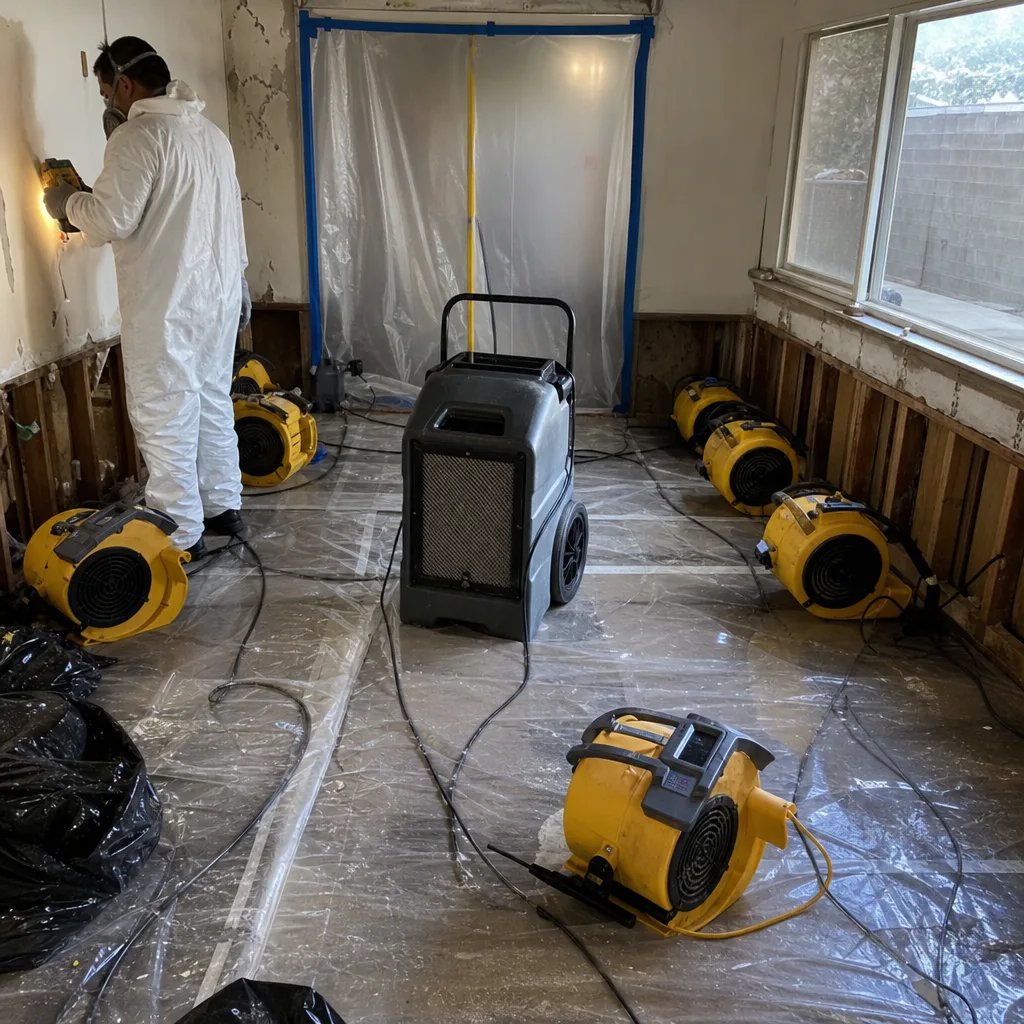
From May through August, Manhattan Beach experiences its most misunderstood moisture risk. The marine layer - a cool, saturated air mass that moves inland overnight - doesn’t deliver rain, but it delivers water vapor that penetrates every opening and condenses on every surface below the dew point. Homes that survived winter dry can accumulate significant moisture damage during summer if vapor management fails.
The mechanism is straightforward: warm daytime temperatures drive air infiltration through the building envelope. Overnight, marine layer air cools interior surfaces below the dew point. Condensation forms inside wall cavities, on attic sheathing, and within crawlspaces. By morning, temperatures rise, evaporation begins, but complete drying rarely occurs before the next cycle. Over weeks, moisture accumulates beyond the material’s capacity to release it.
We’ve extracted saturated insulation from Manhattan Beach attics in July with no roof leak history - pure marine layer condensation in inadequately ventilated spaces. The mold remediation in Manhattan Beach calls spike in September not from summer storms, but from four months of accumulated vapor-phase moisture reaching critical mass.
Marine Layer Specific Inspection Tasks (May-August, biweekly)
- Early morning attic inspection: Check sheathing and rafters between 6-8 AM, when overnight condensation peaks. Look for water droplets, darkened wood, or musty odors. Photograph any findings with timestamp.
- Exterior wall thermal scanning: Use infrared thermometer on north and west-facing walls during morning hours. Temperature differentials below 5°F from ambient suggest normal conditions; differentials above 10°F indicate possible cavity moisture or insulation gaps.
- Window and door perimeter checks: Feel for dampness at interior frames. Condensation on glass is normal; condensation on surrounding drywall or trim is not.
- Crawlspace vapor barrier verification: Confirm 6-mil polyethylene sheeting remains intact and sealed at seams. In beach-adjacent properties, salt-laden vapor accelerates corrosion of metal fasteners and HVAC ducts; inspect for rust streaks or deteriorated tape.
- HVAC operation review: Ensure system runs long enough cycles to dehumidify, not just cool. Short-cycling in mild marine layer conditions fails to remove moisture. Target 3-4 cycles per hour minimum, with run times sufficient to achieve condensate drainage.
Moisture thresholds specific to marine layer season: readings 2-4% above your October baseline at any location warrant investigation. The absolute reading matters less than the trend - sustained elevation through summer indicates vapor management failure even if below nominal “wet” thresholds.
Salt-Air Inspection Points for Beach-Adjacent Properties
Manhattan Beach properties within three blocks of the ocean face an accelerated degradation pattern that inland checklists ignore. Salt aerosol - microscopic droplets of seawater carried on onshore winds - deposits chloride ions on every surface. These ions hygroscopically attract moisture, lowering the effective humidity threshold for corrosion and material failure. A fastener that would survive 15 years inland may fail in 5-7 years at the coast.
Specific inspection points:
- Weep screed condition: The perforated metal strip at the base of stucco walls allows drainage and ventilation of the drainage plane. Salt corrosion enlarges perforations, allows pest intrusion, and eventually compromises the screed’s structural role. Inspect annually; photograph with scale reference. Replacement requires stucco removal - document condition before failure forces major repair.
- Window frame perimeters: Aluminum frames corrode at the sill and jamb intersections where salt-laden water concentrates. Check for white aluminum oxide deposits, pitting, or sealant separation. Vinyl frames can appear intact while internal steel reinforcements corrode - tap-test for looseness or inspect at removable corners.
- Roof penetration flashings: Galvanized steel flashings at vents, chimneys, and skylights suffer accelerated galvanic corrosion in salt air. Inspect for red rust bleeding through zinc coating, particularly at fastener holes and cut edges. Copper and lead flashings resist better but still require inspection for physical damage from wind-driven sand.
- Exterior electrical boxes and conduit: Code requires weatherproof covers, but salt air attacks the box interiors through gasket degradation. Open and inspect for corrosion on terminal screws and wire nuts - this is both a moisture path and a fire risk.
- Garage door hardware and tracks: Rollers, hinges, and torsion springs operate in the most salt-exposed conditioned space. Lubricate with silicone-based products quarterly; replace at first sign of corrosion-induced binding. A failed spring or derailed door in storm conditions admits wind-driven rain.
For properties in the Sand Section or along the Strand, increase inspection frequency to quarterly for all salt-air points. The cost of premature replacement is substantial, but the cost of water intrusion through a corroded flashing is far greater - and far more likely to trigger a disputed claim.
How Maintenance Documentation Defeats “Gradual Damage” Exclusions
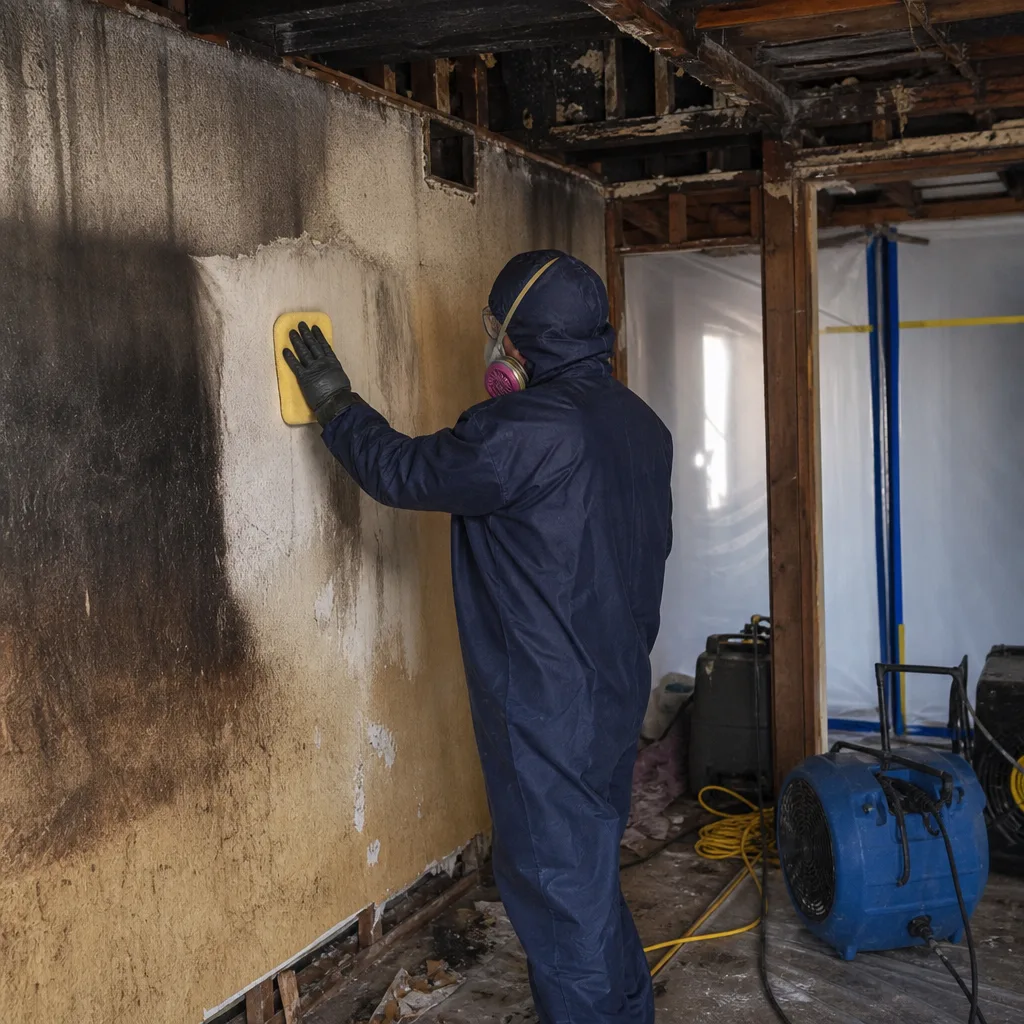
Standard homeowner policies cover “sudden and accidental” water damage. They exclude “gradual deterioration,” “wear and tear,” and “maintenance neglect.” The interpretation battle determines whether your $50,000 restoration is covered or you’re paying from savings. Your maintenance documentation is the evidence that shifts interpretation in your favor.
We’ve reviewed thousands of claims files as part of our documentation-first approach. The denials follow predictable patterns, and the successful rebuttals follow equally predictable documentation patterns.
Common Denial Scenarios and Documentation Responses
| Denial Basis | What the Adjuster Sees | Documentation That Rebuts |
|---|---|---|
| Gradual leak from supply line | Stain pattern suggests months of seepage | Dated photos showing dry cabinet base at prior inspection; moisture logs showing sudden spike; repair receipt for line replacement within 48 hours of discovery |
| Long-term roof neglect | Multiple lifted shingles, degraded underlayment | Annual roof inspection photos with dates; repair receipts for prior maintenance; storm photos showing intact roof before event, damaged after |
| Foundation seepage / no sudden event | Efflorescence pattern, chronic moisture | Basement/crawlspace moisture logs showing stable readings; sudden elevation post-storm; drainage maintenance records |
| Mold exclusion (fungus limitation) | Visible mold, claimed as secondary to covered water | Moisture logs proving dry conditions within 24-48 hours of event; professional drying documentation; mold inspection timing tied to specific date of loss |
The key documentation principle: continuity and specificity. A single photo of a dry crawlspace is helpful. A series of dated photos at the same location, with consistent framing, readable moisture readings, and no intervening damage, is dispositive. The adjuster’s job is to find a reason to limit payment. Your job is to leave no gap in the record where that reason can grow.
Our fire & smoke damage restoration in Manhattan Beach clients learn this same discipline - the documentation that proves pre-loss condition for water applies equally to fire, where smoke pattern analysis also depends on establishing baseline conditions.
The Haven Standard Documentation Protocol
On every job we perform, we deliver: a written price before work begins (Haven Standard, Clause 1); a photo record on every visit; and daily drying logs with psychrometric data - temperature, relative humidity, specific humidity, and vapor pressure differential - that demonstrate progressive moisture reduction. Homeowners who maintain their own pre-loss documentation at this standard find their claims process mirrors our restoration process: evidence-driven, dispute-resistant, and fast to resolution.
Common Mistakes to Avoid
- Inspecting only after visible damage appears: By the time you see staining or feel dampness, moisture content has typically exceeded 20% in wood framing and mold growth has begun. The checklist above targets hidden locations precisely because they fail silently.
- Using touch-and-guess instead of meter readings: “Feels dry” is not documentation. Pin-type meters cost less than $80 and produce admissible records. The homeowner who guesses loses to the insurer who measures.
- Photographing without timestamps or location context: A photo of a dry wall proves nothing if you cannot establish when and where it was taken. Enable geolocation, use descriptive filenames, and include identifying features in frame.
- Ignoring marine layer season because there’s no rain: This is the most expensive mistake specific to Manhattan Beach. Summer humidity drives more hidden damage than winter storms in our climate, and insurers are increasingly aware of this pattern.
- Storing records only on devices inside the home: The loss that triggers your claim may destroy the device containing your documentation. Automatic cloud upload is essential; physical backup in a fire-safe location is prudent.
- Failing to document repairs, not just inspections: Maintenance records must show action, not just observation. A photo of a cracked flashing with a subsequent receipt for repair demonstrates proactive maintenance that rebuts neglect claims.
- Accepting “maintenance neglect” denials without rebuttal documentation: Most denials are preliminary positions, not final determinations. A documented rebuttal with dated evidence succeeds in a significant percentage of cases - but only if the evidence exists.
When to Call a Professional
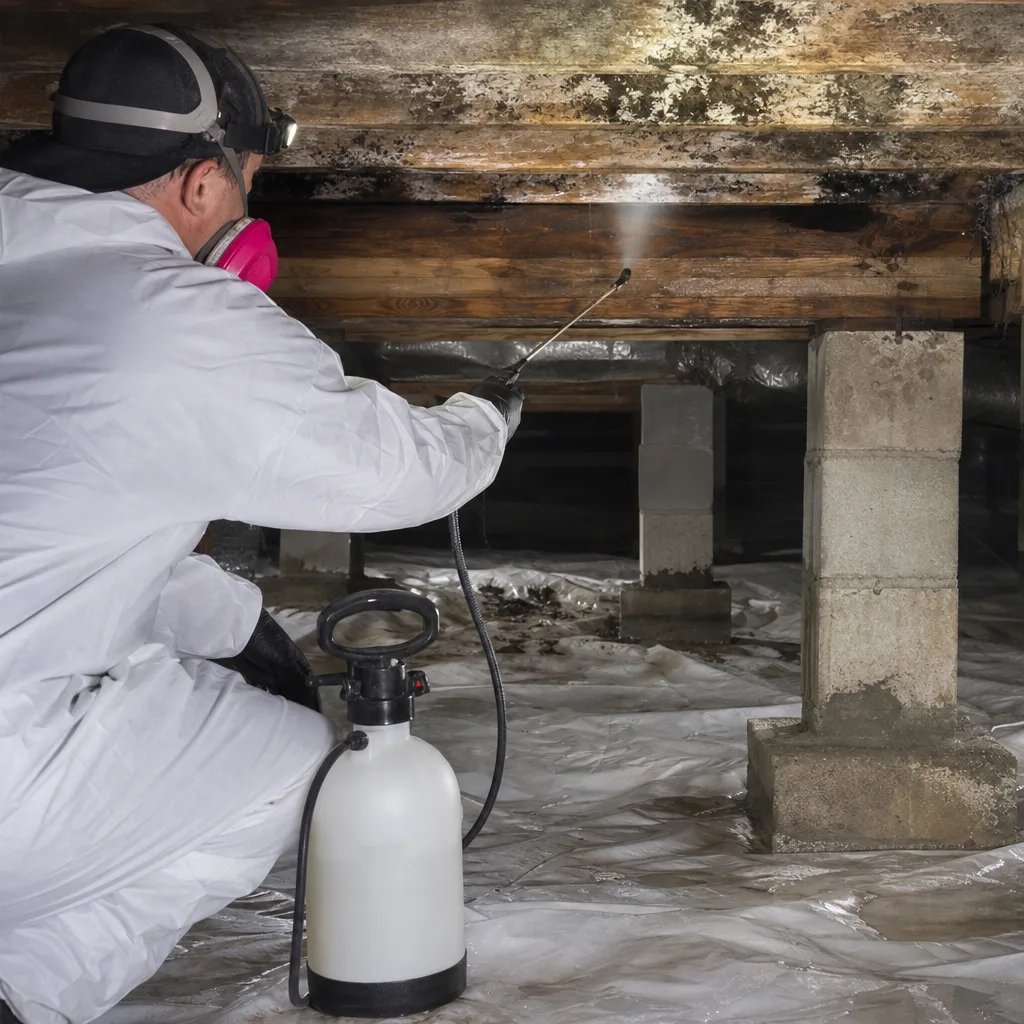
Some conditions exceed homeowner inspection and repair capacity. Call for professional assessment when: moisture meter readings exceed 20% at any structural location and do not decrease within 48 hours of identifying and stopping the source; you discover active mold growth covering more than 10 square feet (EPA threshold for professional remediation); salt-air corrosion has compromised weep screed, flashing, or structural fasteners; or your documentation reveals a trending moisture elevation you cannot explain or correct.
DryMark Restoration Manhattan Beach offers free estimates in Manhattan Beach - call (213) 699-3658. Our assessment includes moisture mapping with professional-grade meters, thermal imaging to identify hidden moisture boundaries, and a written scope with pricing before any work begins, under Haven Standard, Clause 1. For claims-related documentation, we can review your maintenance records and advise on gaps that may affect coverage.
Frequently Asked Questions
Professional moisture mapping with thermal imaging and written documentation typically ranges from $250-$450 for a single-family home in Manhattan Beach, depending on square footage and crawlspace accessibility. DryMark Restoration Manhattan Beach provides this assessment at no charge with a written scope and pricing before any work begins. Call (213) 699-3658 to schedule.
Probably not - “maintenance neglect” is a standard exclusion. But “haven’t done maintenance” is the insurer’s conclusion, not necessarily the fact. Dated inspection records, moisture logs, and repair receipts rebut that conclusion by demonstrating proactive maintenance. The question isn’t whether you did everything perfectly; it’s whether you can produce evidence of reasonable care. This checklist is designed to generate that evidence.
In our coastal climate, water moves faster than most homeowners expect. Category 1 clean water can migrate 10-15 feet horizontally through drywall within 24 hours, and vertical wicking in wall cavities reaches 6-8 feet in the same period. The marine layer’s high ambient humidity slows natural evaporation, so water that would dry in 48 hours inland may remain active for 72-96 hours at the coast. This is why 48-hour post-storm inspection is critical - and why professional drying with equipment from Dri-Eaz, Phoenix, and XPOWER produces documented moisture reduction that supports your claim.
“Minor” is a determination that requires measurement, not visual assessment. Water damage affecting less than 25 square feet of material, with moisture content returning below 16% within 48 hours of source elimination, may require only cleaning and monitoring. Anything beyond these thresholds - or any Category 2 (gray water) or Category 3 (black water) source - requires professional remediation with documented drying logs. Self-assessing “minor” status without moisture readings risks mold growth and claim denial. Call (213) 699-3658 for a free assessment with exact measurements.
You do, unless you delegate. Restoration companies vary widely: some provide documentation for your submission, others negotiate directly with adjusters as your authorized representative. At DryMark Restoration Manhattan Beach, we produce the photo record, drying logs, and written scope that make direct adjuster coordination straightforward - we can submit on your behalf with your authorization, or provide the documentation package for your own submission. Either way, you own the claim; we provide the evidence. The Haven Standard requires that every job include this documentation as a standard deliverable, never an upsell.
Rain delivers bulk water that seeks entry points - failed flashing, cracked seals, overwhelmed drainage. The marine layer delivers vapor-phase moisture that penetrates wherever air penetrates, condensing on cool surfaces inside wall cavities and attics. Rain damage is usually visible and localized; marine layer damage is often hidden and widespread. Winter rain requires sealing and drainage; marine layer season requires ventilation, vapor barriers, and dehumidification. Your maintenance checklist must address both, with distinct inspection protocols for each season.
Three patterns dominate denied claims in our experience: long-ignored roof defects where inspection would have revealed deterioration before failure; chronic plumbing leaks with visible staining that the homeowner “meant to address”; and crawlspace or basement moisture that produced visible efflorescence or mustiness before the claimed loss. In each case, the insurer argues the damage was gradual and discoverable. The defense is dated documentation showing either absence of prior indicators (sudden failure) or timely response to prior indicators (diligent maintenance). This checklist generates both types of record.
The Bottom Line
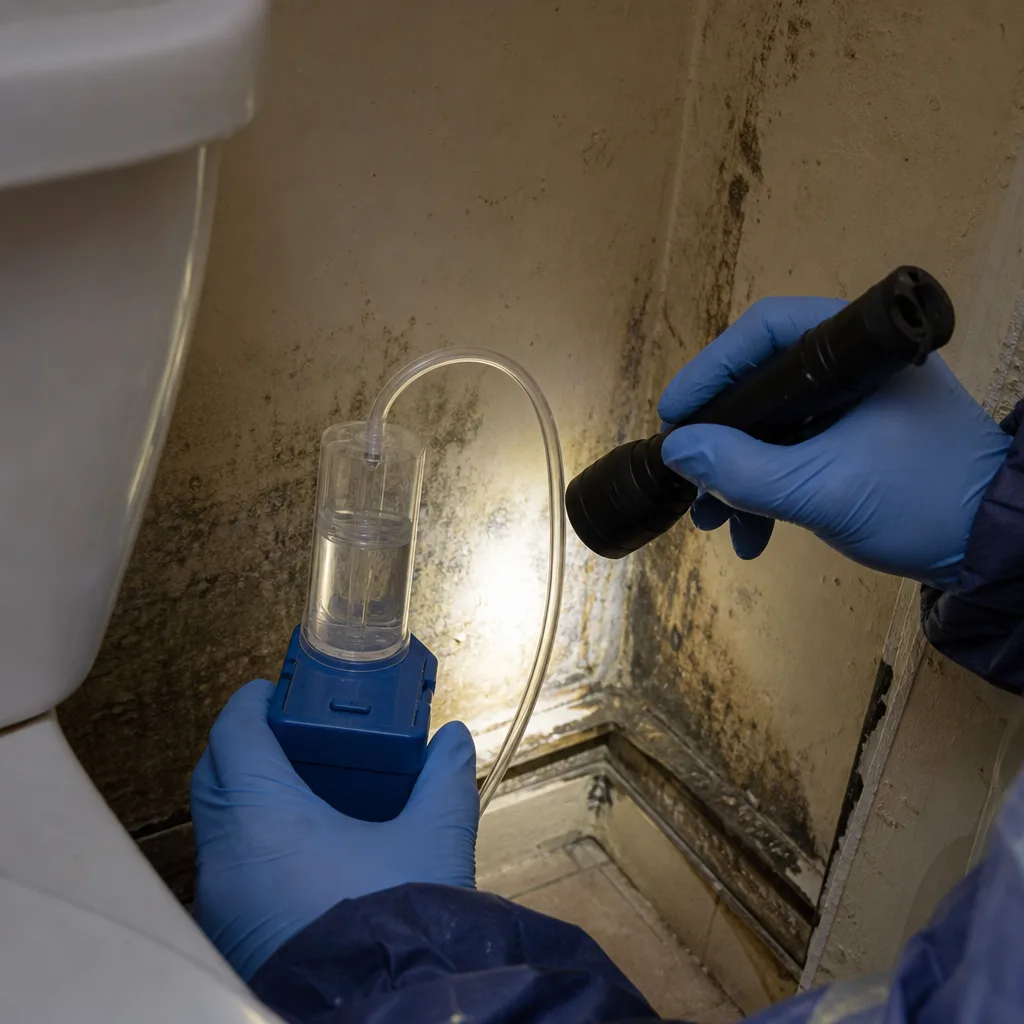
Water damage prevention in Manhattan Beach is not a single action but a documented practice: specific inspections at specific times, with measurable thresholds and dated evidence. The homeowners who recover fastest from water losses are those who can hand an adjuster a file - photos, readings, repair receipts - that proves the failure was sudden and their maintenance was diligent. This checklist assigns the tasks; the discipline of execution is yours. Start with October’s baseline documentation, maintain continuity through marine layer season, and compile the annual packet that turns a potential dispute into a payable claim. The tools are inexpensive, the time commitment is modest, and the protection is substantial. Explore more guides & resources on coastal home maintenance and claims documentation.
Written by Alicia Brennan, Owner at DryMark Restoration Manhattan Beach, serving Manhattan Beach since 2011.