
Last updated September 23, 2026
Free visual inspection and a written scope of work before any mitigation begins - photos, moisture readings, and drying logs go in your claim file
The scope we write is the scope we bill. Anything new gets shown to you, in writing, before we touch it.
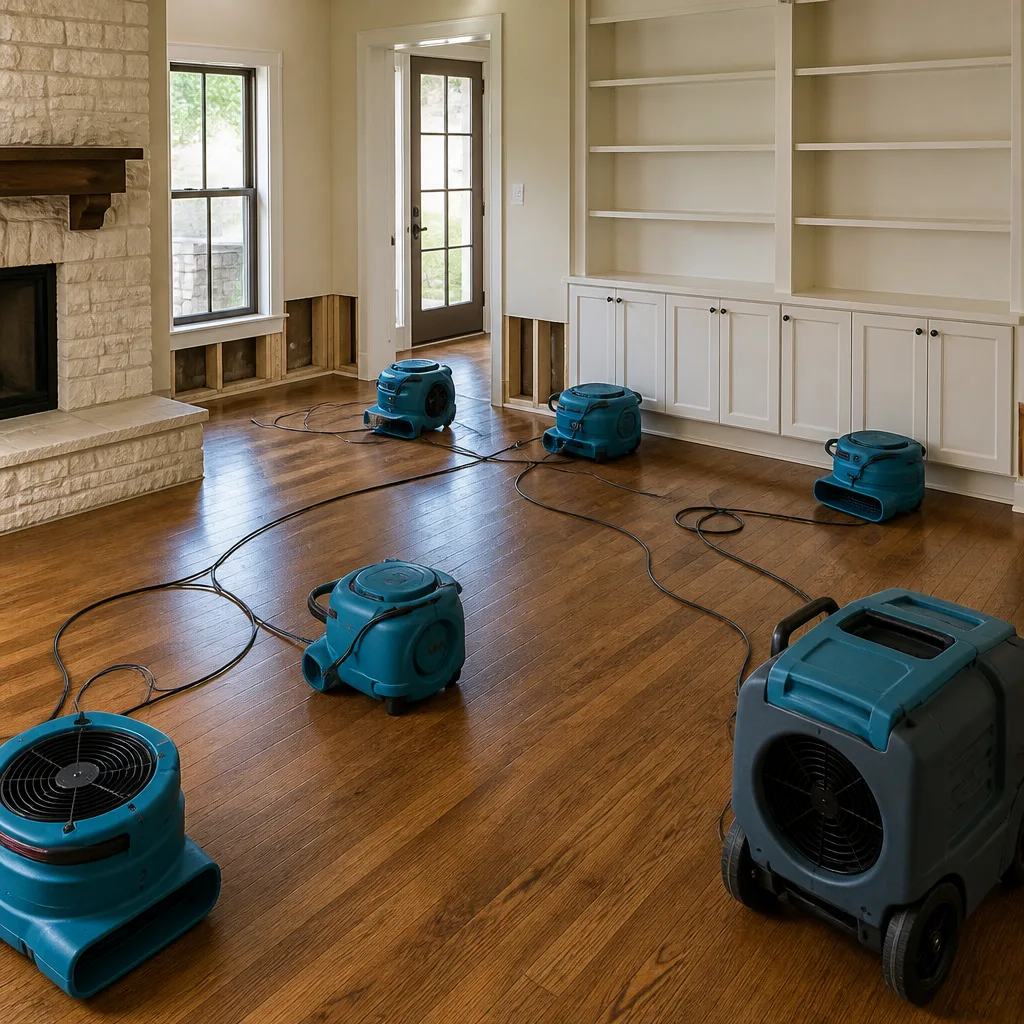
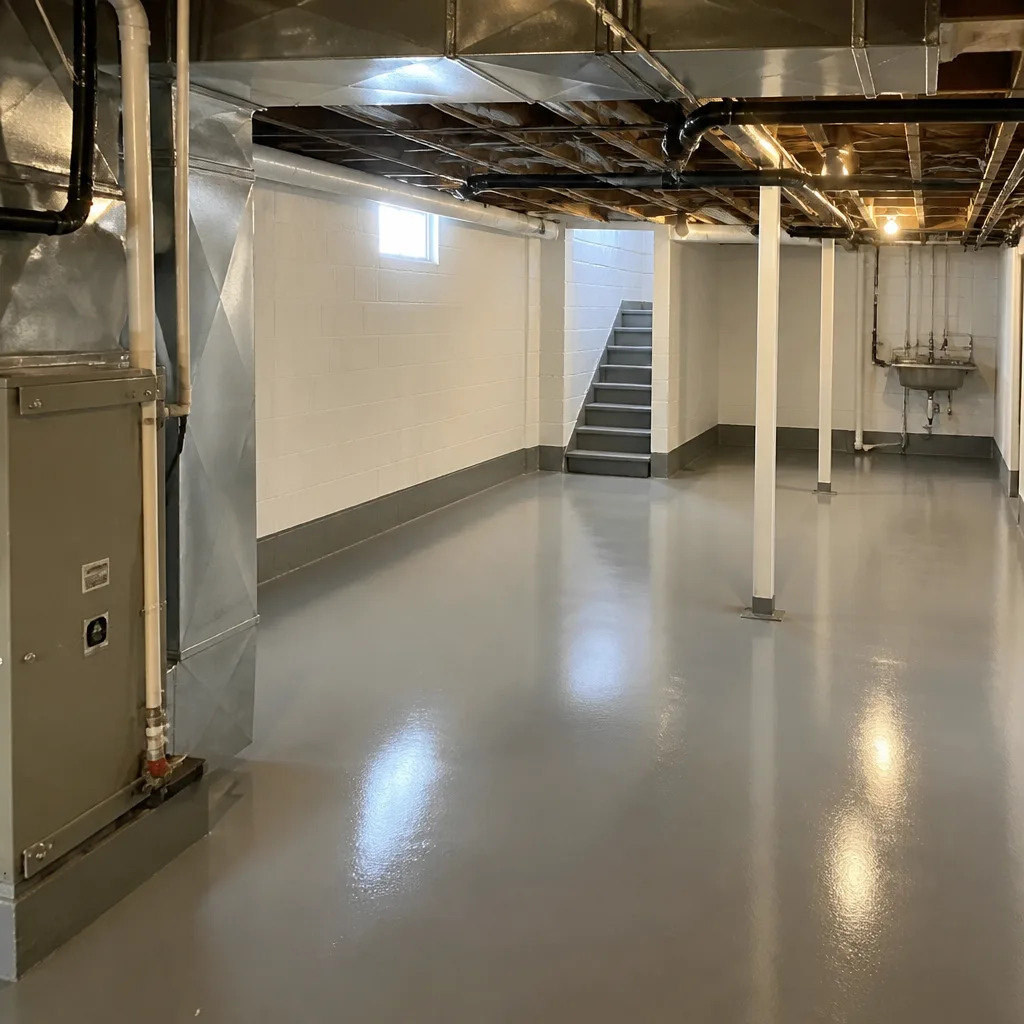
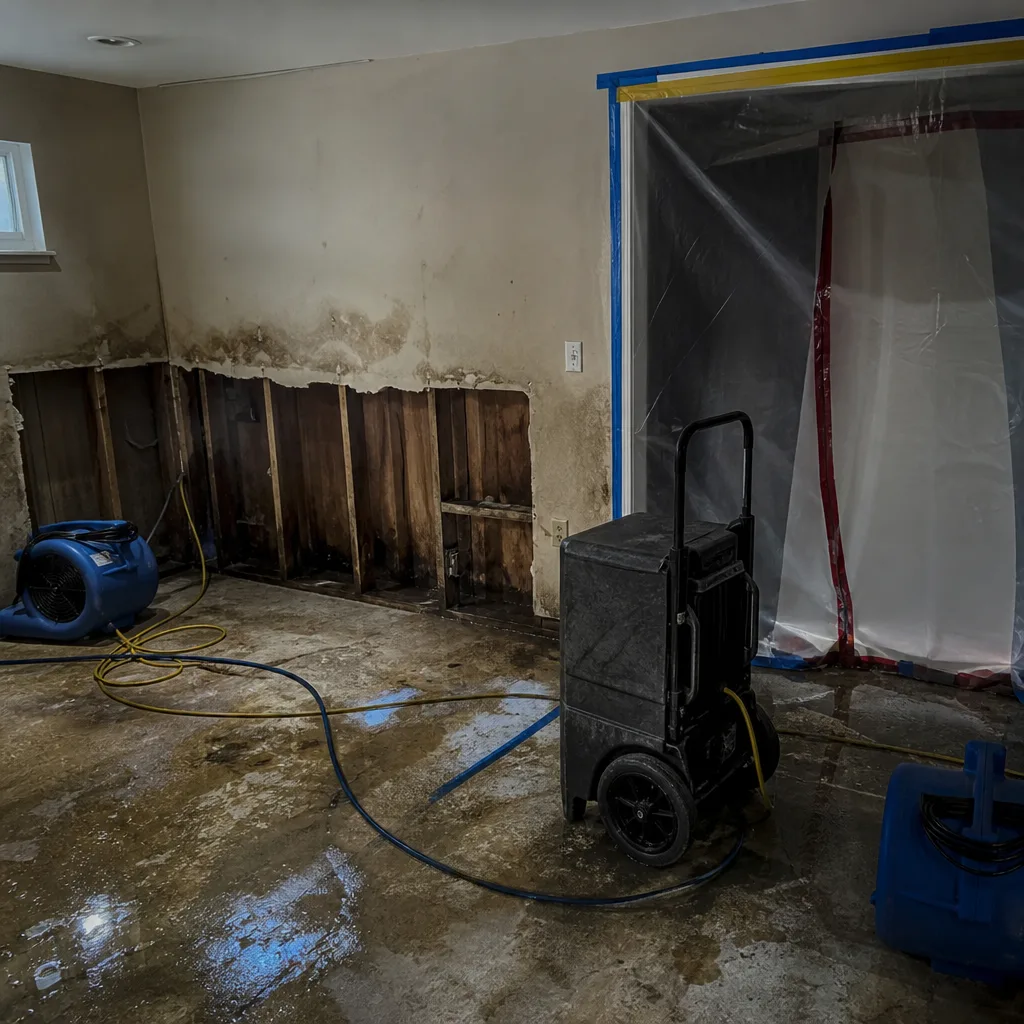 Before
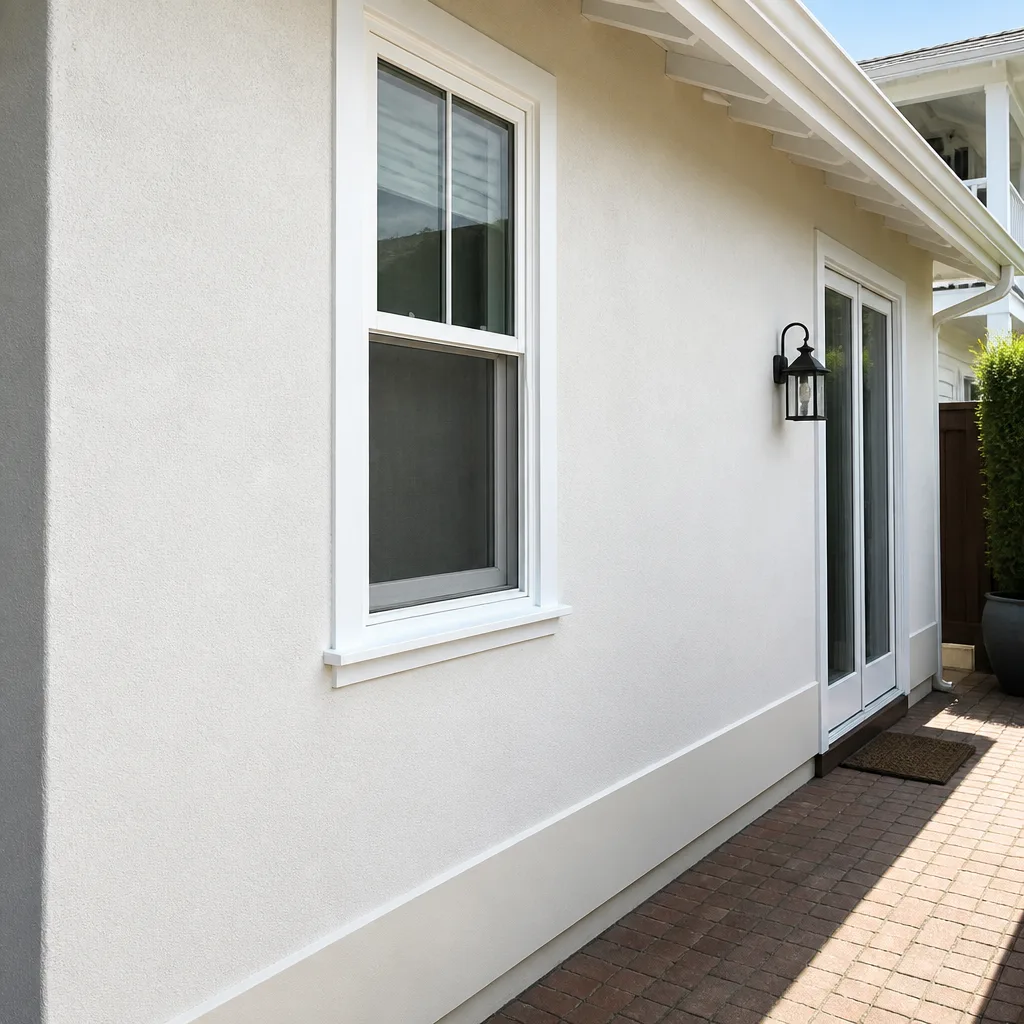 After
After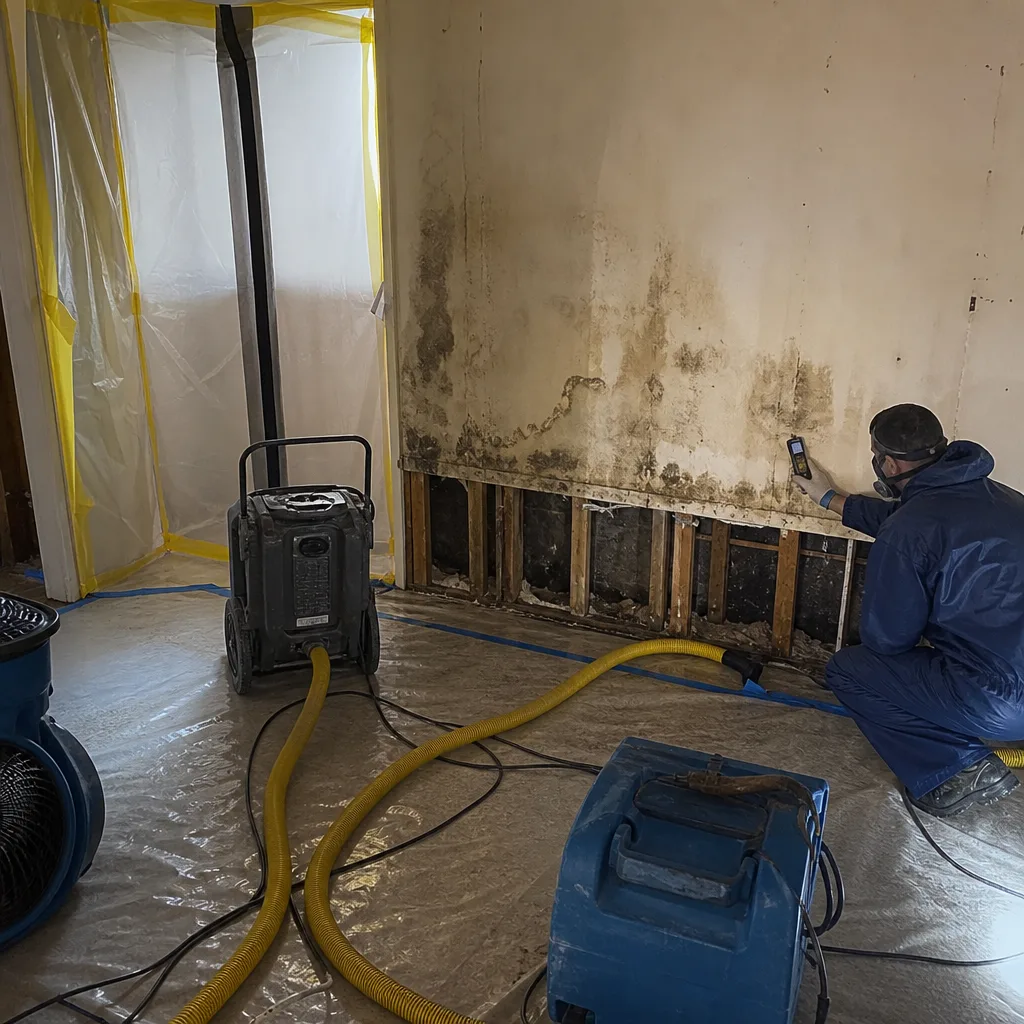 Before
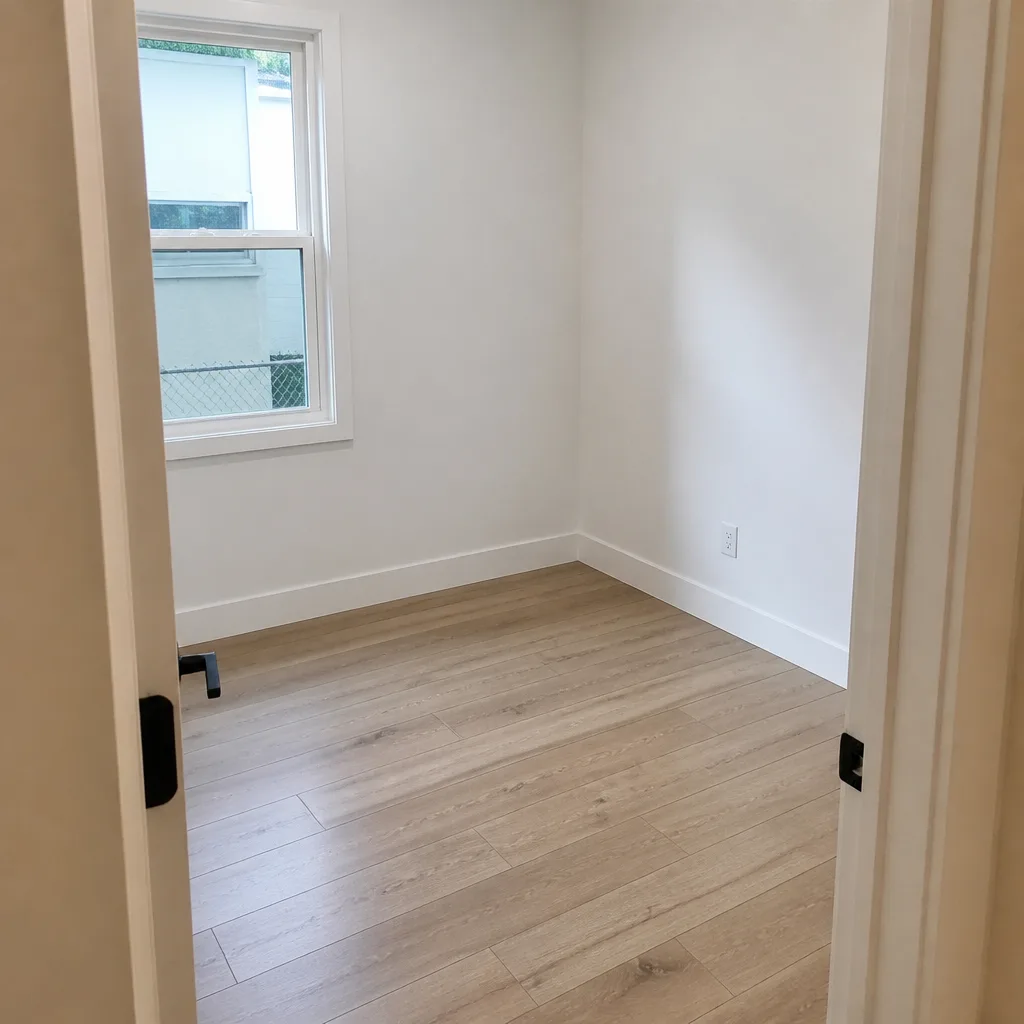 After
After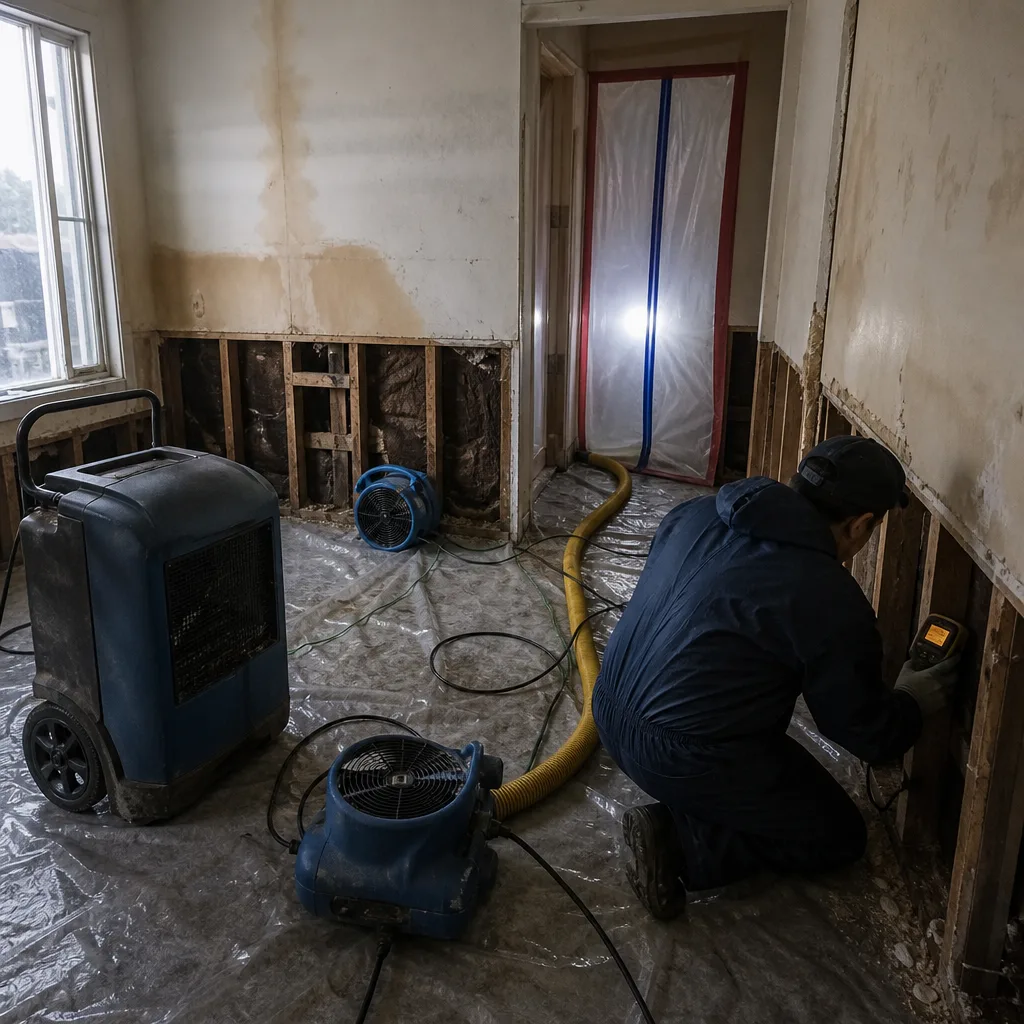 Before
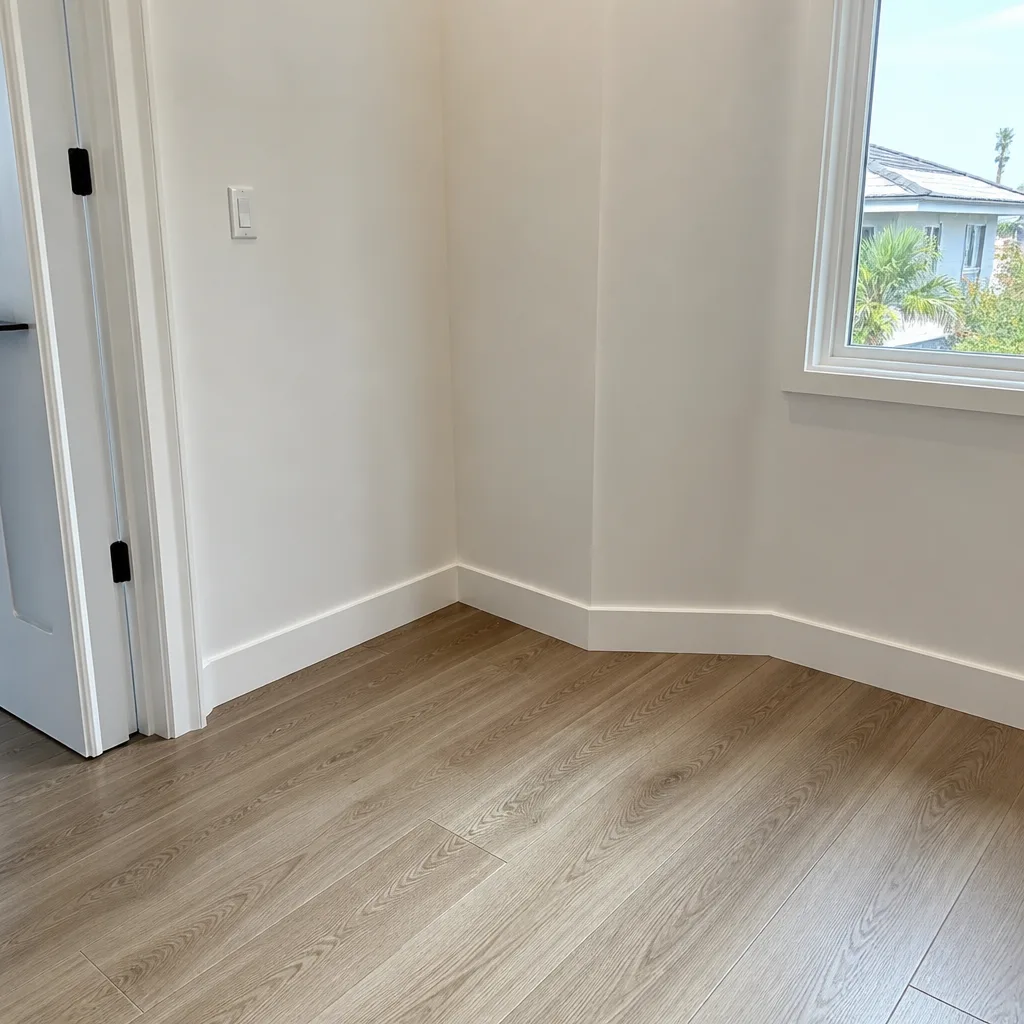 After
AfterThe Complete Guide to Damage Restoration in Manhattan Beach
A restoration company following IICRC S500 to the letter can still leave a Manhattan Beach bungalow with hidden moisture because the standard was written for climates where ambient relative humidity drops below 50% overnight. In Manhattan Beach, it doesn’t. The marine layer keeps morning RH at 75-85% for eight months of the year, which means a “dry” moisture reading taken at 10 AM can read 12 points higher than the same wall at 6 PM without any actual change in water content. We’ve seen carriers deny secondary damage claims because the documentation didn’t include time-stamped baseline comparisons, and we’ve seen homeowners pay out-of-pocket for mold remediation that proper psychrometric logging would have prevented. This guide - along with our Damage Restoration Warning Signs: A Manhattan Beach Homeowner’s Reference Guide - explains how Manhattan Beach’s coastal microclimate, its specific building stock, and its permit requirements change what competent restoration actually looks likee.
Quick Answer
Damage restoration in Manhattan Beach requires protocols adapted to persistent marine-layer humidity, salt-air corrosion, and a building stock split between 1940s-1960s post-war wood frame and newer stucco-over-OSB construction. Proper restoration here means time-stamped moisture baselines, photo-documented salt corrosion on structural fasteners, and permits filed with the City of Manhattan Beach Building Division rather than unincorporated LA County. A documented chain from first reading to final clearance report determines whether insurers pay the full invoice.
Table of Contents
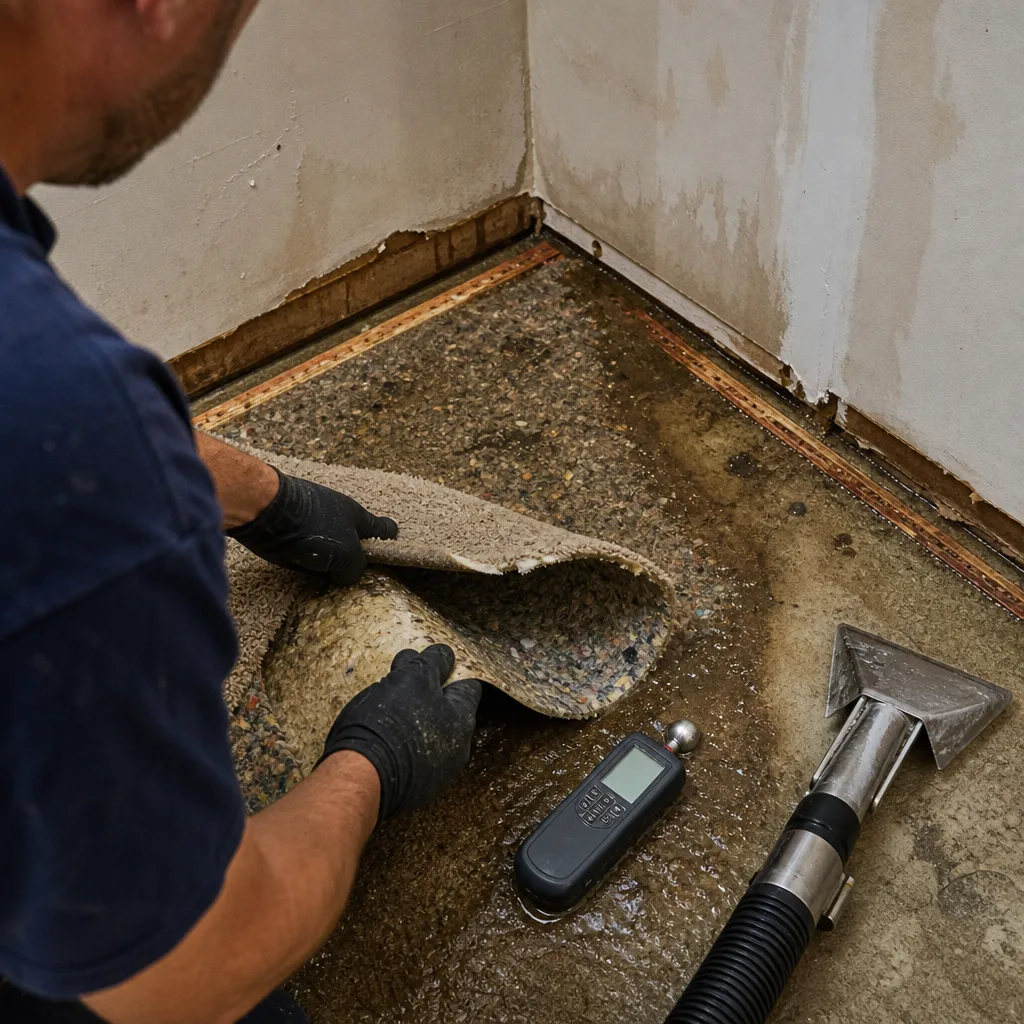
- How Manhattan Beach’s Marine Layer Changes Moisture Baselines
- Why 1940s-1960s Construction Dries Differently Than Newer Builds
- Salt-Air Corrosion: The Secondary Damage Category Insurers Miss
- Permit Triggers: City of Manhattan Beach vs. LA County Rules
- The Documentation Chain That Gets Insurance Claims Paid
- Equipment and Standards: What Actually Dries a Coastal Structure
- What Restoration Costs in Manhattan Beach
- How to Choose a Restoration Company in Manhattan Beach
 Before
 After
AfterHow Manhattan Beach’s Marine Layer Changes Moisture Baselines
Standard IICRC drying protocols assume an ambient relative humidity that cycles down overnight, allowing evaporated moisture to leave the building envelope. Manhattan Beach’s geography breaks that assumption.
The city sits on a south-facing bay terrace with the Pacific immediately west and the Palos Verdes Peninsula blocking eastern air movement. The result is a marine layer that pushes inland most nights between May and October, often not burning off until 11 AM or later. We’ve logged RH at 82% at 7 AM on a July morning in the Sand Section, dropping to 54% by 3 PM, then climbing back to 76% by 10 PM. That cycle means two critical things for restoration work:
- Baseline readings must be time-stamped and compared against ambient conditions, not just against “dry” numerical thresholds. A wood stud reading 16% moisture content at 10 AM with 78% ambient RH may read 14% at 4 PM with 58% ambient RH, even though no drying has occurred. Without recording both the material reading and the ambient conditions, a technician can misread natural humidity fluctuation as drying progress.
- Equipment runtime calculations need adjustment. A dehumidifier sized for inland Los Angeles will run continuously in Manhattan Beach without achieving target grains per pound, because the air it’s processing never gets a low-humidity reset. We’ve found that adding supplemental heat, raising air temperature 8-12°F above ambient, is often necessary to create the vapor pressure differential that drives moisture from materials into the air stream.
Vapor pressure differential, in plain terms, is the difference between how much moisture the air currently holds and how much it could hold. Warm air holds more moisture, so raising temperature expands that gap without changing the dehumidifier’s capacity. In Manhattan Beach, we document target and actual vapor pressure on every drying log, not just temperature and RH, because that’s what carriers ask about when they audit a claim.
The water damage restoration in Manhattan Beach page details our specific protocols for category 1, 2, and 3 losses in this climate.
Why 1940s-1960s Construction Dries Differently Than Newer Builds
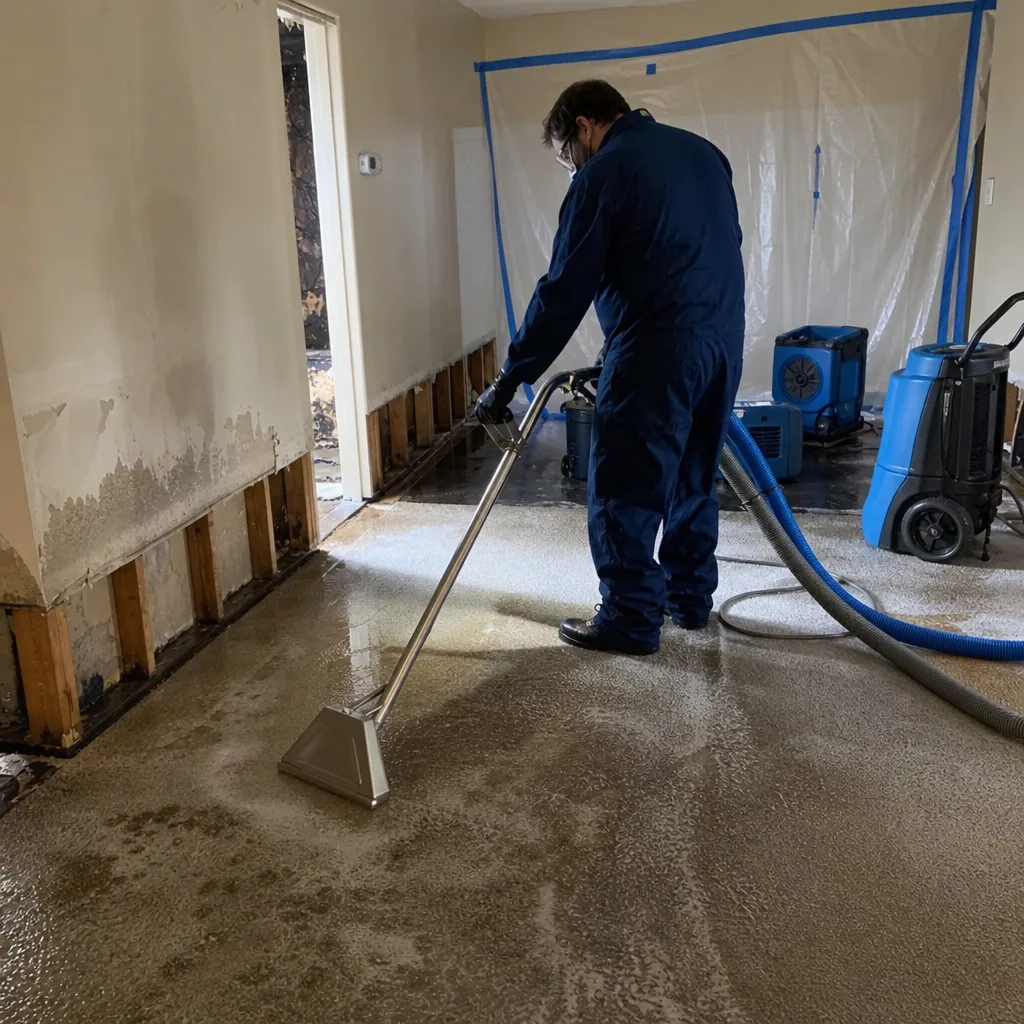
Manhattan Beach’s housing stock splits roughly into three eras, and each responds to water damage differently.
Pre-war and immediate post-war (1920s-1950s): Common in the Sand Section and Hill Section, these are balloon-framed redwood or Douglas fir structures with true dimensional lumber (a 2×4 measures roughly 2 by 4 inches), skip sheathing under wood shingle or early asphalt roofs, and minimal insulation. The good news: old-growth lumber is naturally rot-resistant and dries relatively evenly. The bad news: balloon framing creates continuous wall cavities from foundation to attic, so water travels vertically farther than in platform framing. We’ve traced a kitchen leak in a 1948 Manhattan Avenue duplex up two stories and into a bedroom closet ceiling.
Mid-century tract (1950s-1970s): Platform-framed with nominal lumber, plywood subfloors, and early drywall. These structures have more compartmentalized cavities than balloon framing, but the drywall is often 3/8″ rather than 1/2″, and it saturates faster. The plywood subfloors of this era, particularly in the Tree Section, can delaminate when wet and are often covered with original oak strip flooring that’s difficult to remove without damage.
Modern stucco-over-OSB (1980s-present): Common in the Mira Costa area and newer infill, these use oriented strand board sheathing behind synthetic stucco or traditional three-coat systems. OSB is highly susceptible to edge swelling and structural degradation from moisture. Once OSB sheathing reaches 25% moisture content, the adhesive resins begin to hydrolyze, a process that doesn’t reverse with drying. We’ve replaced entire wall sections in Manhattan Beach where OSB sheathing appeared dry to the touch but had lost 40% of its nail-holding strength.
The drying benchmark for a 1948 redwood stud might be 12% moisture content, while the same reading on 2015 OSB sheathing could indicate incipient failure. We document material type on every moisture log and adjust target values accordingly.
Salt-Air Corrosion: The Secondary Damage Category Insurers Miss
Most Manhattan Beach homeowners understand flood damage and mold. Fewer understand that salt-air corrosion on structural fasteners and HVAC components constitutes a legitimate secondary damage category that should be documented during any water loss demolition.
The coastal zone here, particularly within three blocks of the beach, deposits chloride aerosols on metal surfaces continuously. When a water intrusion event occurs, that salt residue activates in the presence of moisture, accelerating galvanic corrosion on galvanized steel fasteners, copper HVAC coils, and aluminum window frames. The damage doesn’t appear immediately, which is why it gets missed.
We’ve documented the following pattern on multiple Manhattan Beach jobs:
- Water loss occurs (supply line, roof leak, window failure).
- Initial restoration focuses on visible water and microbial growth.
- Demolition exposes fasteners, hangers, and mechanical equipment that show early corrosion staining.
- Without photo documentation at this stage, corrosion that progresses over 6-18 months becomes the homeowner’s maintenance issue, not part of the original claim.
Our protocol on every Manhattan Beach job includes close-up photography of all exposed fasteners, electrical junction boxes, and HVAC components during demolition, with notations on material type and visible corrosion grade. This documentation becomes part of the claim file. If corrosion progresses, the carrier has a baseline. If replacement is warranted during reconstruction, the justification exists in the original record.
The fire and smoke damage restoration in Manhattan Beach page covers similar documentation requirements for thermal and chemical damage to metal components.
Permit Triggers: City of Manhattan Beach vs. LA County Rules
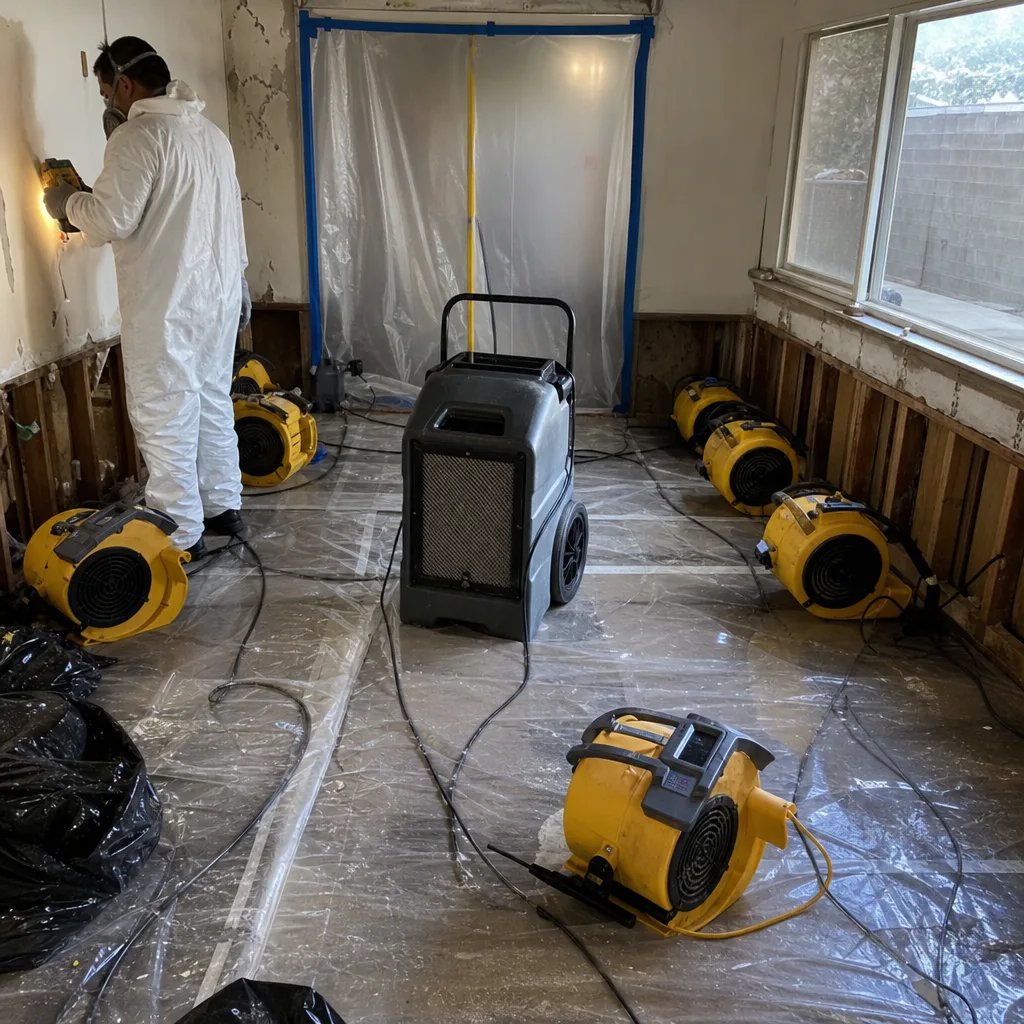
Manhattan Beach is an incorporated city with its own Building Division, and its permit thresholds differ from unincorporated LA County rules that apply just east of the city boundary. We’ve seen restoration projects delayed because contractors filed with the wrong jurisdiction or missed a Manhattan Beach-specific trigger; see Damage Restoration Permits, Codes & Inspections in CA: What You Need to Know for broader context.
City of Manhattan Beach Building Division thresholds (as currently enforced):
- Water damage repair: Permit required for any repair involving structural members (framing, subfloor, shear walls), any electrical or plumbing work beyond like-for-like fixture replacement, and any drywall replacement exceeding one wall in a single room. Cosmetic repair (paint, flooring surface, baseboard) below these thresholds does not require permit.
- Mold remediation: No standalone mold permit, but if remediation requires demolition of regulated materials (drywall, insulation) or disturbance of lead-containing materials in pre-1978 construction, a dust control plan and possible lead-safe certification apply. The city coordinates with LA County Environmental Health on complaints but does not directly regulate mold abatement.
- Fire and smoke restoration: Permit required for any structural repair, any electrical or HVAC replacement, and any work affecting fire-rated assemblies. Rebuilds exceeding 50% of structure value trigger current code compliance requirements, including energy and seismic upgrades.
Common point of confusion: Properties on the east side of Manhattan Beach near the border with unincorporated areas sometimes have LA County assessor records but Manhattan Beach city services. The permit jurisdiction follows municipal incorporation, not assessor district. We’ve verified permits for properties on 180th Street and Artesia Boulevard that were initially misfiled with LA County.
Documentation requirement: Manhattan Beach requires permit applications to include a written scope of work and, for damage restoration, photographs of the affected area before repair. This aligns with our standard deliverable: every job already has a photo record and written scope before work begins, Haven Standard, Clause 1.
The Documentation Chain That Gets Insurance Claims Paid
The single largest source of dispute in restoration insurance claims is not the extent of damage; it’s the gap between what a contractor says was done and what the carrier can verify. We’ve built our entire operation around closing that gap.
The documentation chain for a typical Manhattan Beach water loss looks like this:
- Initial assessment: Moisture readings taken with calibrated pin and pinless meters, recorded by room and material type, with ambient temperature, RH, and vapor pressure noted. Photographs of all visible damage, including close-ups of material condition and wide shots establishing room context. Written scope of work with line-item pricing delivered before any equipment is placed or demolition begins. Haven Standard, Clause 1.
- Daily monitoring: Moisture readings repeated at the same locations, with equipment runtime hours logged. Photographs of drying progress, equipment placement, and any changes in condition. Psychrometric data collected and charted to demonstrate that the drying environment was maintained within IICRC S500 parameters adjusted for coastal conditions.
- Demolition and exposure: Photographs of all concealed spaces once opened, with notations on structural condition, fastener corrosion status, and any pre-existing conditions. Written update to scope if hidden damage is discovered, with revised pricing before additional work proceeds.
- Reconstruction: Permit documentation filed with City of Manhattan Beach Building Division. Progress photographs at rough-in, insulation, and finish stages. Final inspection documentation.
- Clearance and closeout: Final moisture readings demonstrating return to dry standard, with ambient conditions noted for comparison to baseline. Post-remediation verification for mold projects, performed by independent third party per IICRC S520. Signed 365-Day Done Right Promise delivered to homeowner. Complete photo record and drying logs compiled into claim package for carrier submission.
This chain is not extra service. It’s standard on every job. The former claims adjuster who founded Back to Dry in 2011 built the company specifically because he’d seen too many homeowners absorb costs that proper documentation would have covered.
We offer a Free Second Opinion on any competitor’s written estimate. Bring another company’s scope and we’ll review it against what our documentation protocols would capture. No charge.
Equipment and Standards: What Actually Dries a Coastal Structure
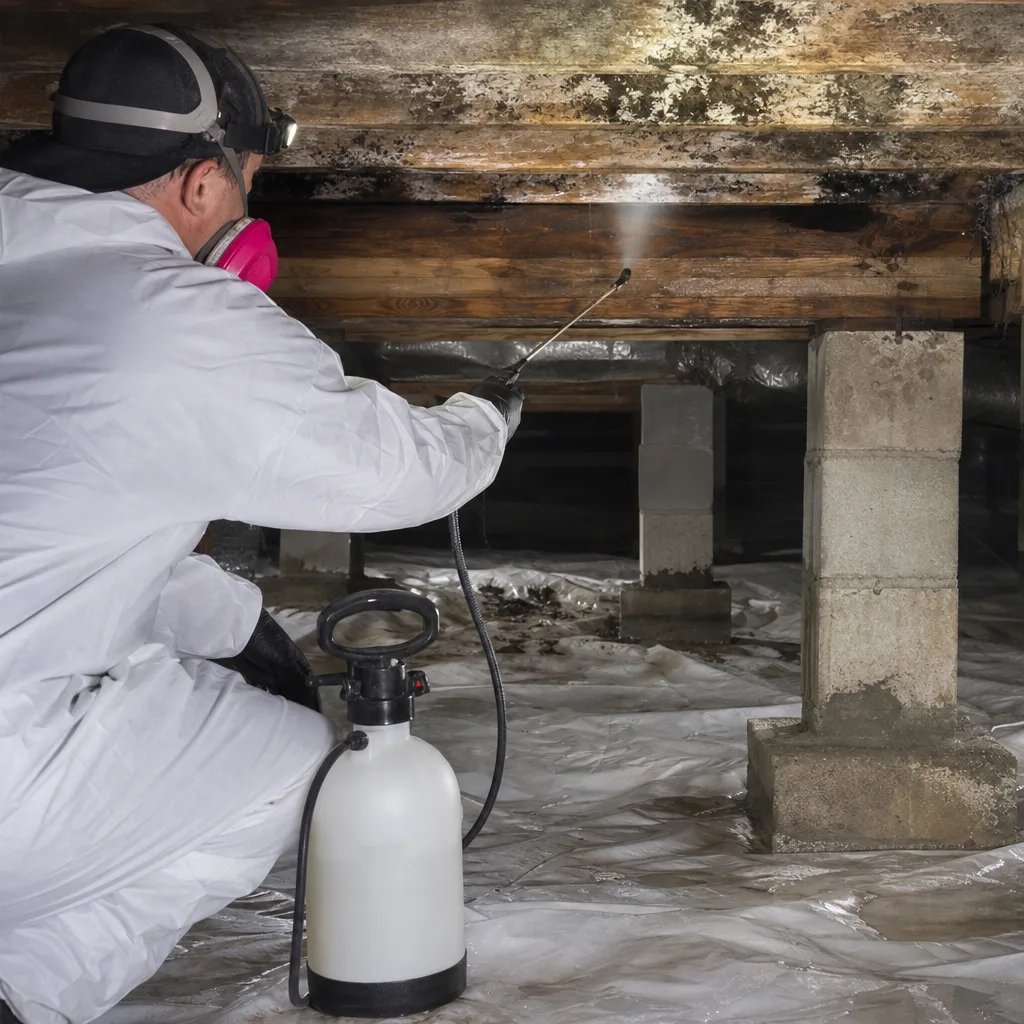
Equipment selection matters in Manhattan Beach’s climate. A standard LGR (low-grain refrigerant) dehumidifier that performs adequately in Pasadena will underperform here during marine layer season. We deploy equipment based on the specific loss, the building era, and the current weather pattern.
Dehumidification:
- Dri-Eaz and Phoenix LGR units for primary dehumidification in occupied structures. These units achieve low grains per pound efficiently at moderate temperatures, which matters in Manhattan Beach where we often can’t heat a structure aggressively because occupants are living in it.
- Desiccant dehumidifiers for large commercial losses, deep drying of dense materials, or conditions where temperature control is limited. Desiccants use a silica gel rotor to adsorb moisture independent of air temperature, making them effective in the cool, humid conditions common near the Manhattan Beach pier in early summer.
Air movement and specialty drying:
- Injectidry systems for in-place drying of hardwood floors and wall cavities without full demolition. The Interair system forces dry air through fluted channels beneath hardwood or through injection ports into wall cavities. In Manhattan Beach’s 1950s-1970s stock with original oak flooring, this can save flooring that would otherwise require removal.
- XPOWER and B-Air axial fans for high-velocity air movement across wet surfaces. We position these to create laminar airflow patterns that maximize evaporation rate without driving moisture into unaffected areas.
Documentation equipment:
- Calibrated thermo-hygrometers for ambient condition logging.
- Pin-type moisture meters with insulated probes for depth-specific wood readings.
- Pinless electromagnetic sensors for non-destructive scanning of drywall, tile, and other finishes.
- Infrared thermal imaging to identify moisture patterns invisible to the eye, particularly useful in stucco-over-OSB construction where water can travel behind the finish coat.
All work is documented to IICRC S500 (water damage), S520 (mold remediation), RIA restoration standards, and IFA guidelines where applicable. The standards provide the framework; our coastal adjustments provide the local accuracy.
The mold remediation in Manhattan Beach page details how these same documentation and equipment standards apply to microbial remediation specifically.
What Restoration Costs in Manhattan Beach
Pricing in Manhattan Beach reflects coastal construction costs, permit fees, and the documentation standards that separate payable claims from disputed ones; our Damage Restoration Cost Breakdown: The Manhattan Beach Homeowner’s Reference for 2026 covers typical ranges in detail. The ranges below are based on our actual written scopes delivered under Haven Standard, Clause 1, for jobs in the 90266 and 90267 zip codes.
| Service Category | Typical Range | What Affects Price |
|---|---|---|
| Emergency water extraction (up to 1,000 sq ft) | $1,800 - $3,400 | Category of water (1, 2, or 3), accessibility, presence of hardwood or tile requiring specialty extraction tools |
| Structural drying (3-5 day standard protocol) | $2,400 - $5,200 | Square footage affected, building era and materials, need for supplemental heat or desiccant equipment |
| Demolition and disposal (per room) | $1,200 - $2,800 | Presence of lead or asbestos requiring abatement contractor, load-bearing wall involvement, disposal fees |
| Mold remediation (localized, per contained area) | $2,600 - $6,500 | Square footage of visible growth, need for negative air containment, post-remediation verification testing |
| Fire and smoke restoration (structure cleaning) | $4,500 - $12,000 | Extent of soot deposition, odor penetration into HVAC, need for thermal fogging or ozone treatment |
| Reconstruction (per room, mid-grade finish) | $8,000 - $18,000 | Permit requirements, code upgrade triggers, material matching to existing finishes |
These are ranges, not quotes. Every job gets a written price before work begins, with line items for each phase. No scope-creep additions once the crew is inside. Haven Standard, Clause 1.
Insurance coverage varies by policy and loss cause. We provide photo-documented assessments formatted for adjuster review, and we coordinate directly with carriers on documentation requirements. Most Manhattan Beach homeowners with standard HO-3 policies see coverage for sudden and accidental water losses, fire damage, and storm intrusion, subject to deductible and policy limits. Gradual leaks and maintenance-related mold often fall under exclusions; proper documentation of the sudden nature of the loss is critical.
How to Choose a Restoration Company in Manhattan Beach
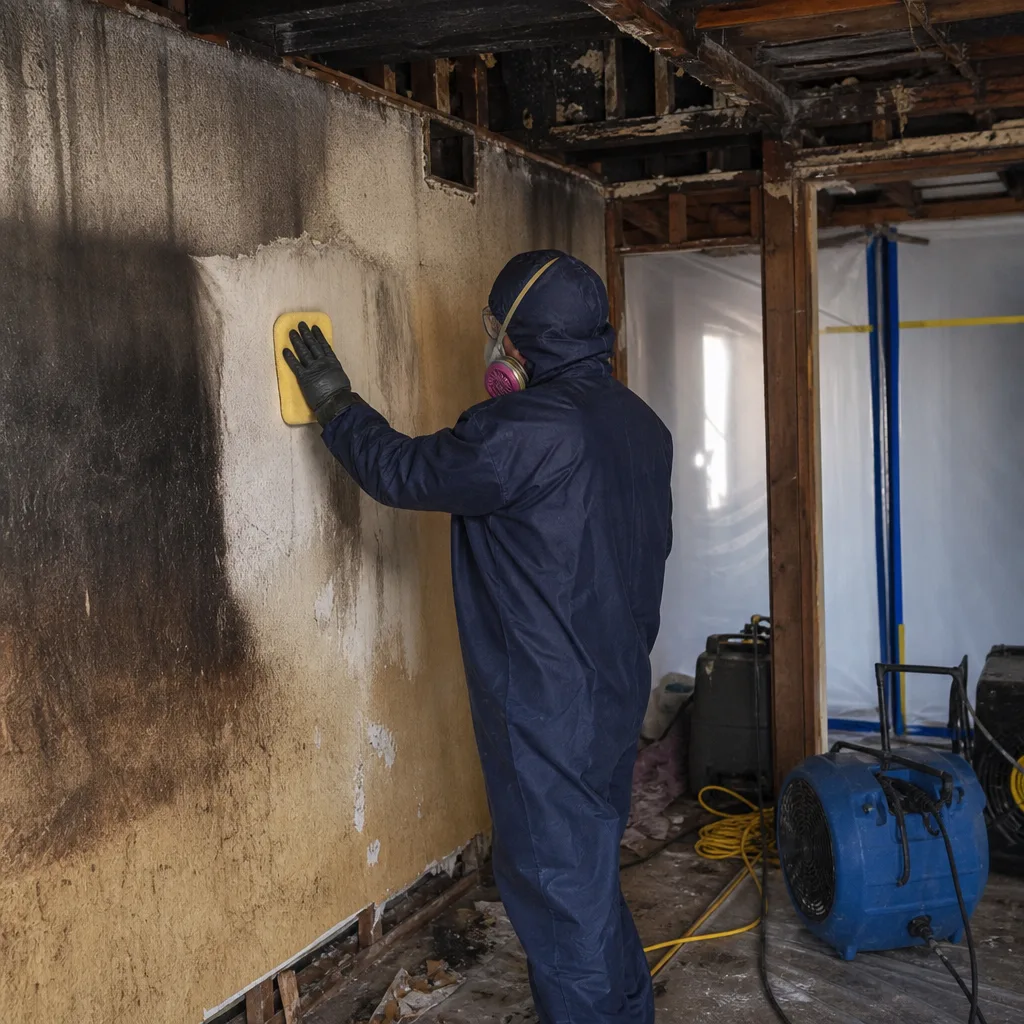
The restoration industry has a reputation problem, particularly around mold, where scare tactics and unnecessary demolition are common enough that California enacted specific regulations. For more guides & resources, here’s what we think actually matters when evaluating a company for work in Manhattan Beach.
Ask for a written price before any work starts. Not an estimate. A written price. If a company can’t or won’t commit to this, you’re looking at scope creep. Haven Standard, Clause 1 exists precisely because this was standard industry practice when we started in 2011, and it still isn’t universal.
Ask how they handle marine layer conditions. Any company working in Manhattan Beach should be able to explain how ambient humidity affects their drying calculations. If they talk about “standard drying times” without mentioning coastal adjustments, they’re applying inland protocols that will leave moisture behind.
Ask about their documentation deliverables. You should receive: daily moisture logs with ambient conditions, photographs of every phase, a final drying summary, and a written warranty. These aren’t extras; they’re what turns your invoice into a payable claim.
Verify permit knowledge. Ask specifically whether they file with City of Manhattan Beach Building Division or LA County. The correct answer depends on your address, and they should know which without hesitation.
Check for independent reviews mentioning documentation. Our research-oriented customers often tell us they read the three-star reviews first. Look for mentions of whether the company provided written scopes, whether adjusters accepted their documentation, and whether follow-up issues were handled under warranty.
We’ve restored over 12,000 homes since 2011. Every one had a written price before work started and a documented record when the crew left. The 365-Day Done Right Promise, backed by The Haven Standard, applies to every job.
Common Mistakes to Avoid
- Accepting a “dry” reading taken mid-morning without time-stamped ambient conditions. In Manhattan Beach, a 10 AM reading with 80% RH outside means nothing without a 6 PM comparison. We’ve seen competitors call jobs complete based on single-point measurements that reversed the next morning.
- Confusing LA County and Manhattan Beach permit requirements. Filing with the wrong jurisdiction costs 3-5 business days minimum. Verify your property’s municipal incorporation before any contractor starts permit work.
- Ignoring salt corrosion on exposed fasteners during demolition. If your restoration company doesn’t photograph structural fasteners and HVAC components during the open-wall phase, future corrosion becomes your maintenance expense, not part of the claim.
- Assuming IICRC certification alone guarantees coastal competence. IICRC S500 is a national standard written for national conditions. Application in Manhattan Beach requires explicit adjustment for marine layer humidity and salt-air exposure.
- Signing a scope that allows “additional work as needed” without written price approval. This is how $8,000 water losses become $22,000 invoices. Haven Standard, Clause 1 prohibits this practice on our jobs.
- Skipping post-remediation verification on mold projects. California doesn’t require independent clearance testing, but carriers increasingly do. We include third-party verification as standard, not an upsell.
- Choosing based on speed of arrival alone for reconstruction work. Emergency mitigation demands fast response. Reconstruction demands proper scoping, permitting, and material ordering. A company that promises same-day reconstruction starts is cutting corners on documentation or permits.
When to Call a Professional
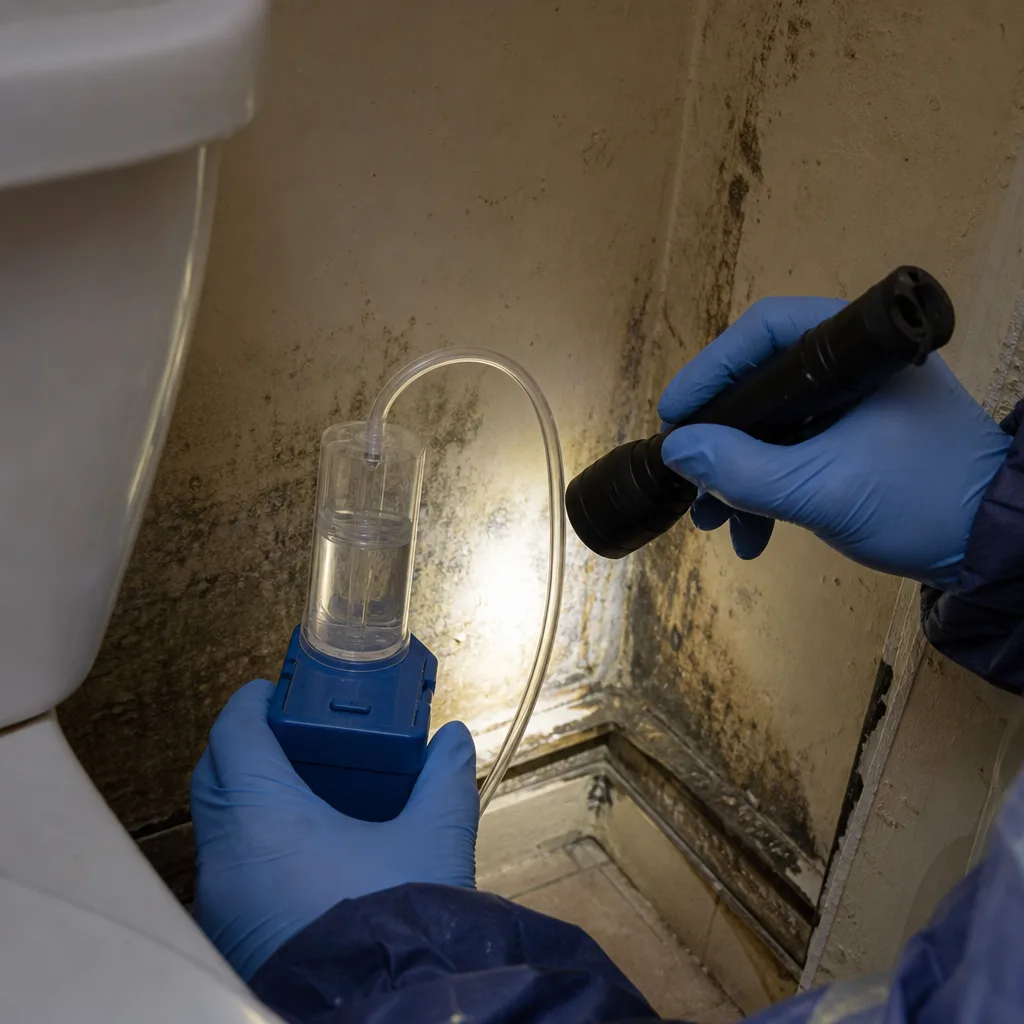
Call for professional assessment when water has affected more than a single small area you can dry with household fans, when you smell musty odors indicating hidden microbial growth, when fire or smoke has deposited residue on multiple surfaces, or when any damage involves structural elements, electrical systems, or HVAC components. In Manhattan Beach specifically, call when the loss occurs during marine layer season and you’re unsure whether ambient humidity is masking ongoing moisture problems.
DryMark Restoration Manhattan Beach offers free estimates in Manhattan Beach. We’re available 24 hours a day, 7 days a week with a live person on every call, no voicemail trees. Call (213) 699-3658 for assessment, documentation, and a written price before any work begins.
Frequently Asked Questions
Water damage restoration in Manhattan Beach typically ranges from $1,800 for emergency extraction in a small area to $8,000-$12,000 for full structural drying, demolition, and reconstruction of multiple affected rooms. Marine layer conditions often extend drying time by 1-2 days compared to inland locations, which affects equipment rental costs in the written scope. Call (213) 699-3658 for a specific written price - estimates are free.
Most standard HO-3 policies cover sudden and accidental water damage, fire, and storm intrusion, subject to your deductible and policy limits. Coverage disputes usually arise from documentation gaps, not damage extent. We format our photo records, drying logs, and written scopes specifically for adjuster review, and we coordinate directly with carriers on documentation requirements. The completeness of the documentation chain often determines whether the full invoice is paid.
We answer every call with a live person, 24 hours a day, 7 days a week, and we dispatch for emergency water and fire mitigation immediately. Reconstruction work is different - it’s scoped, permitted, and scheduled in writing like any construction project, not rushed. Speed matters for stopping damage; precision matters for rebuilding properly.
Visible mold growth exceeding 10 square feet, mold in HVAC systems, or mold resulting from Category 2 or 3 water damage requires professional remediation per IICRC S520. Surface cleaning with household products is appropriate only for very small, recent spots on hard surfaces with no underlying moisture problem. In Manhattan Beach’s humid climate, “just a cleaning” often leaves enough moisture for regrowth within 30 days. We document moisture sources and post-remediation verification to prevent this cycle.
We do. Our documentation package - photo record, drying logs, written scope, permit records, and final clearance - is formatted for direct adjuster submission. We field documentation questions and provide additional evidence as requested. You stay informed but not burdened with technical back-and-forth. This service is standard, not an additional fee.
The marine layer causes ambient relative humidity to swing 20-30 percentage points between morning and afternoon. Moisture meters are influenced by ambient conditions, so the same wall can show different readings without any actual change in water content. We time-stamp every reading with ambient temperature, RH, and vapor pressure, and we compare against baselines taken under similar conditions. A reading without this context is potentially misleading.
The Bottom Line
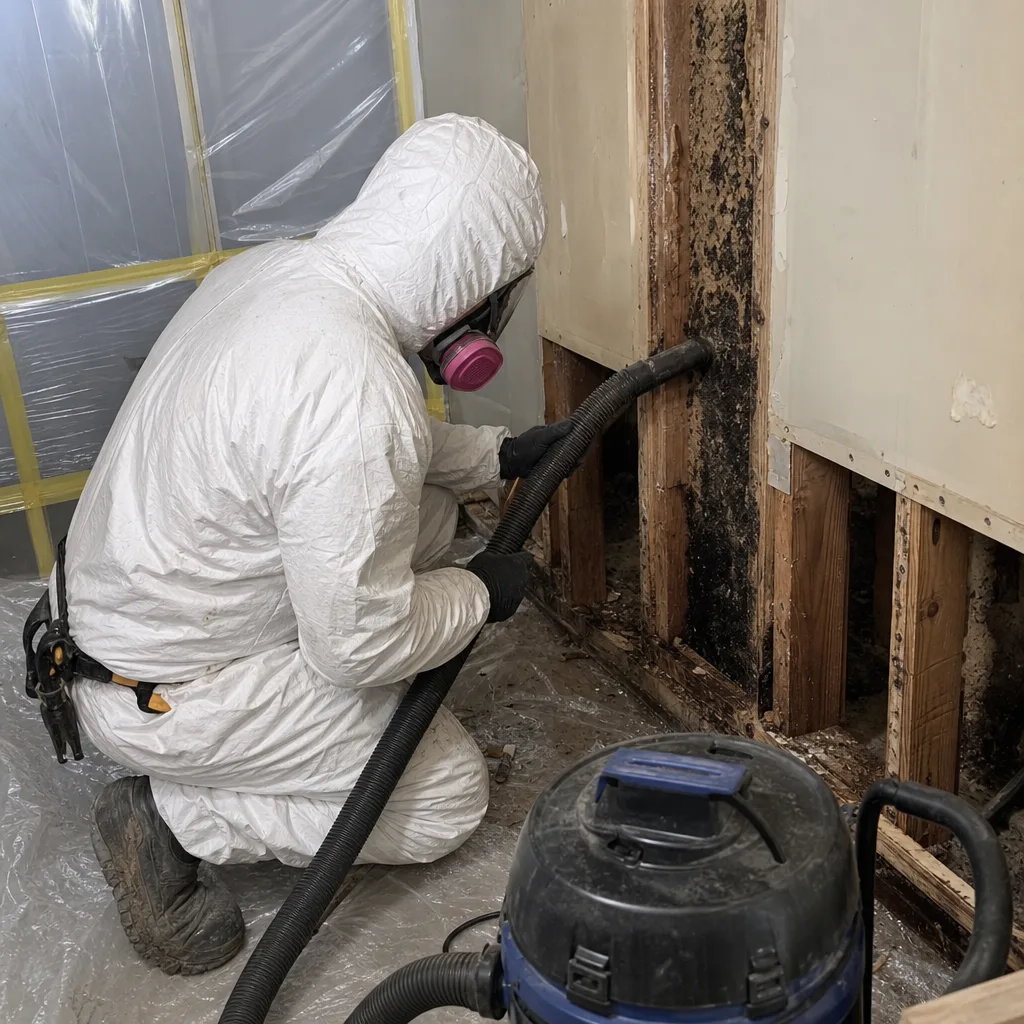
Damage restoration in Manhattan Beach fails when inland protocols meet coastal reality. The marine layer’s persistent humidity, salt-air corrosion on coastal structures, and a building stock split between eras with fundamentally different drying characteristics all demand local expertise applied with documented precision. The difference between a paid claim and a disputed one, between proper drying and hidden moisture, between warranted reconstruction and future liability - that difference is in the documentation: time-stamped readings, photo records at every phase, written scopes with line-item pricing delivered before work begins, and a clear chain from first assessment to final clearance. We’ve built our operation around this standard since 2011 because we’ve seen what happens when it’s missing.
Written by Alicia Brennan, Owner at DryMark Restoration Manhattan Beach, serving Manhattan Beach since 2011.