
Last updated September 23, 2026
Free visual inspection and a written scope of work before any mitigation begins - photos, moisture readings, and drying logs go in your claim file
The scope we write is the scope we bill. Anything new gets shown to you, in writing, before we touch it.
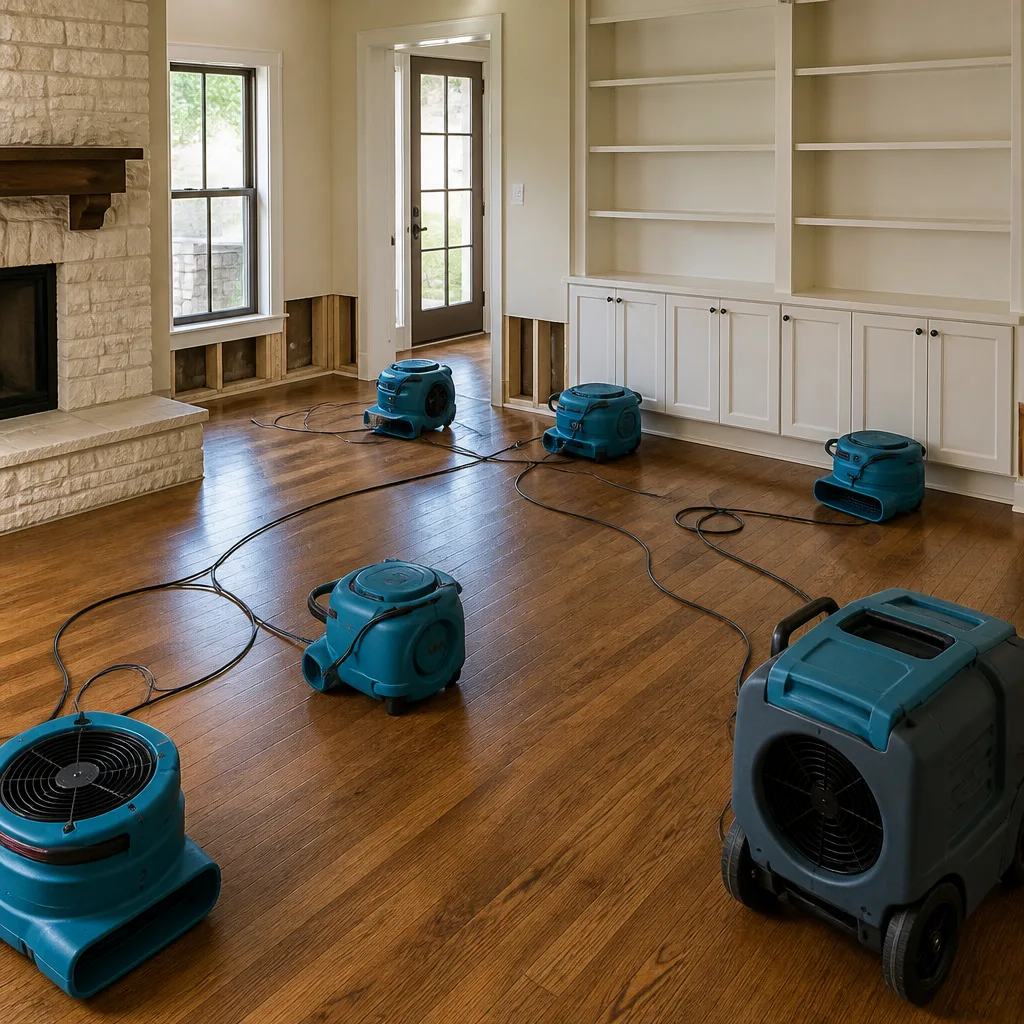
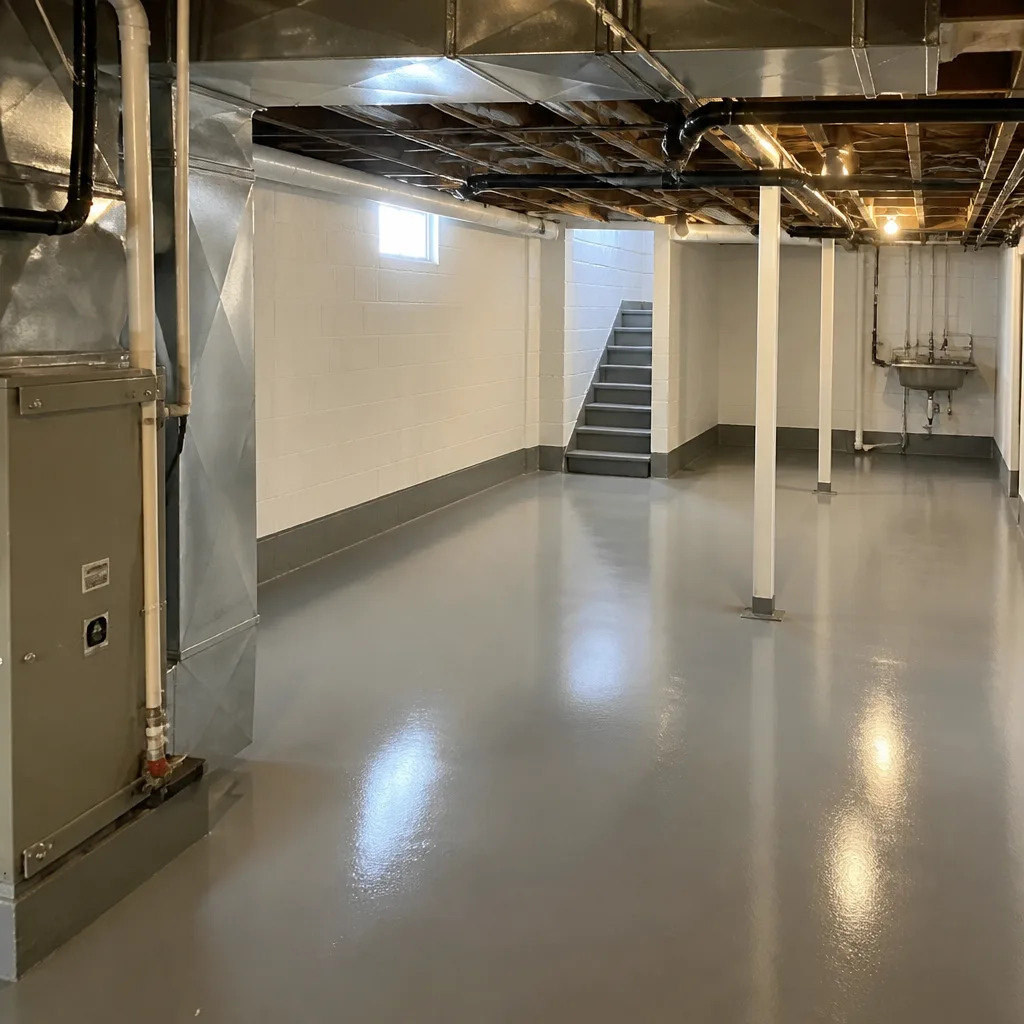
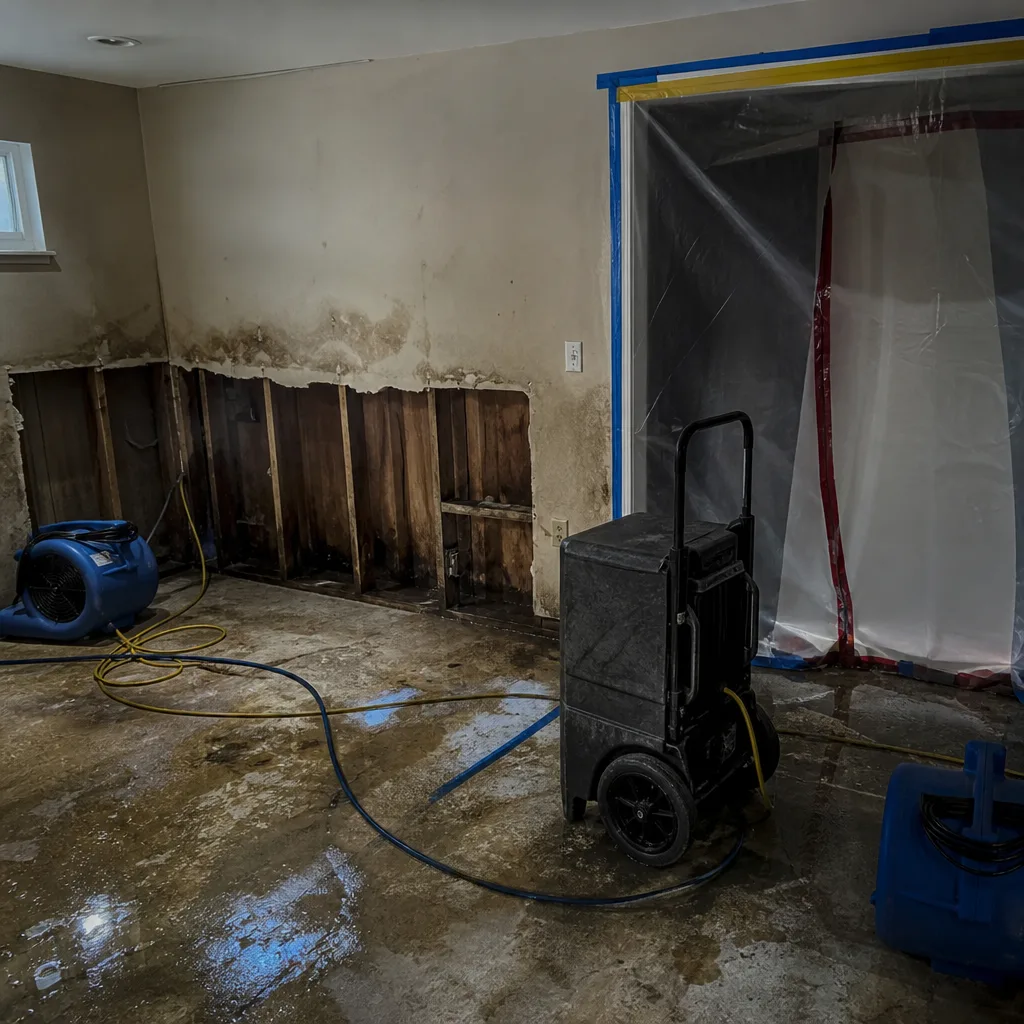 Before
 After
After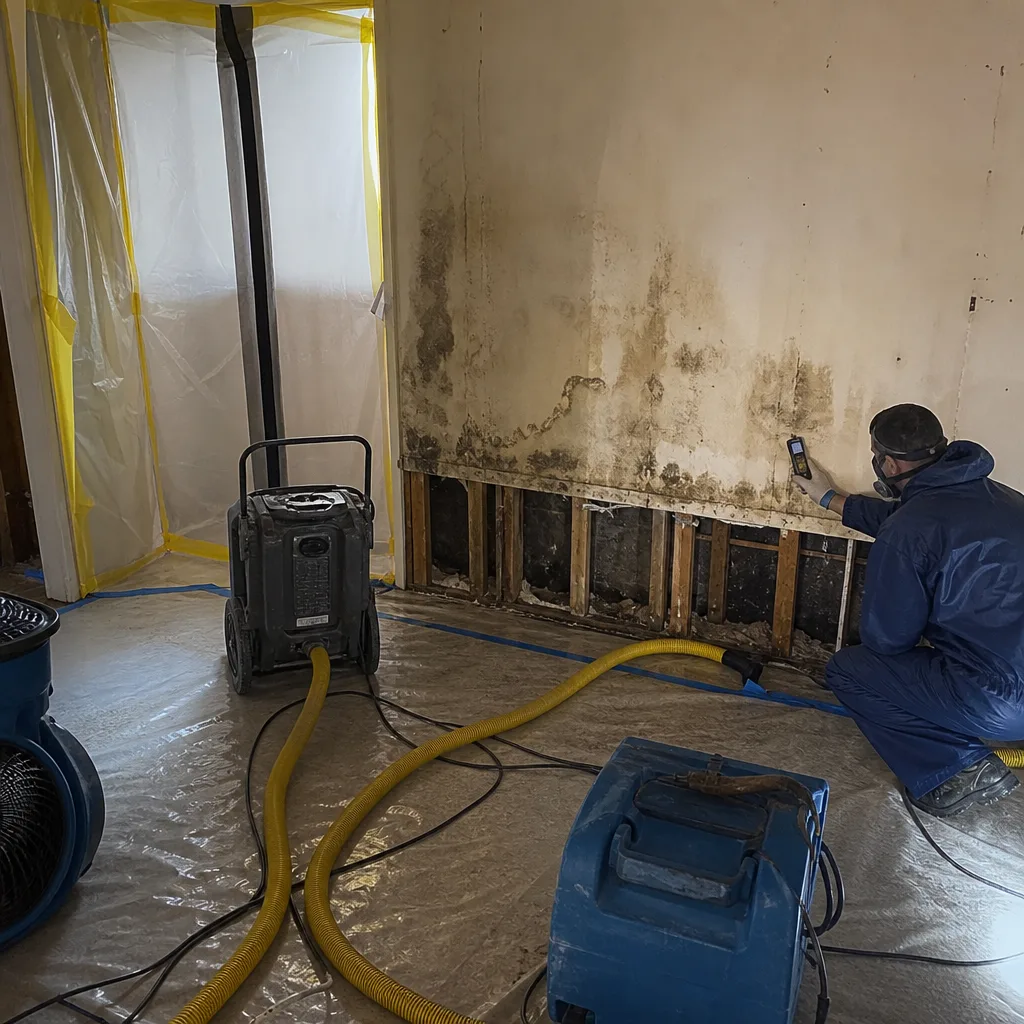 Before
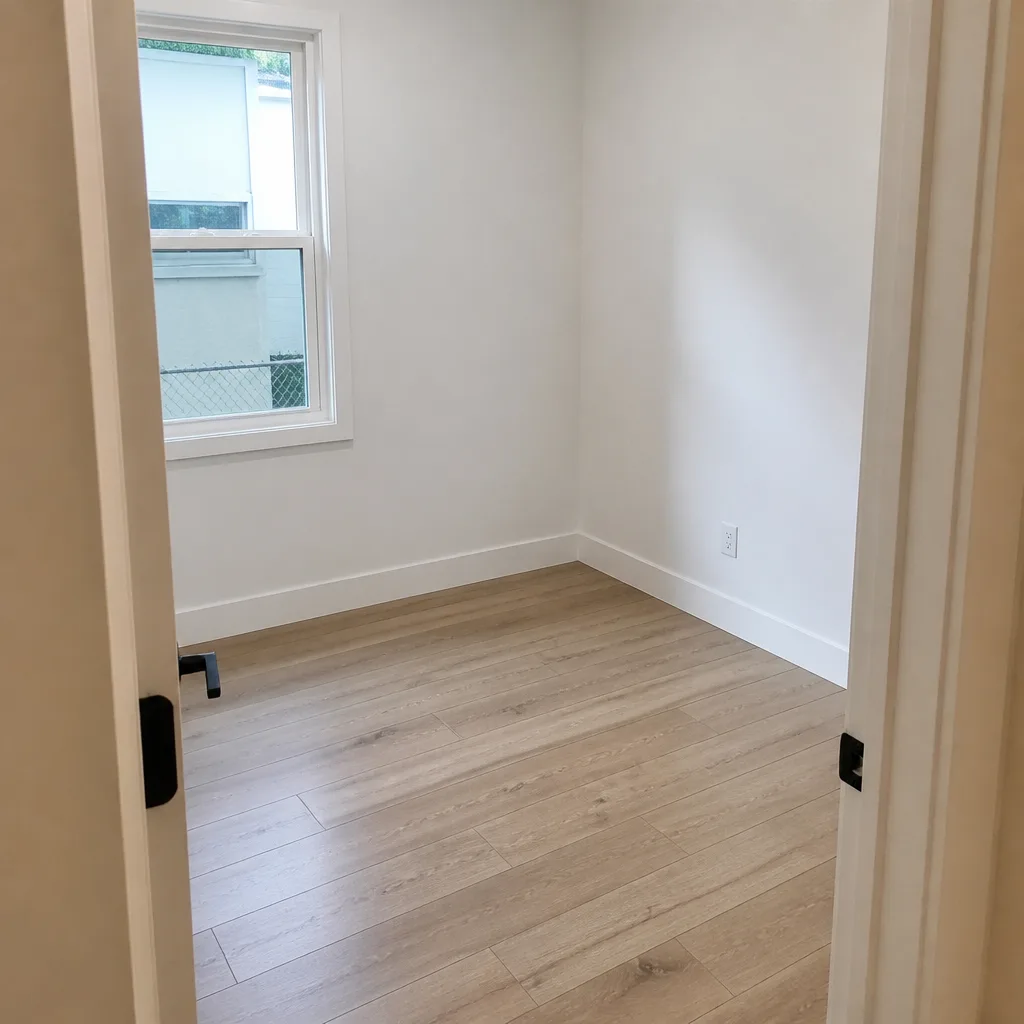 After
After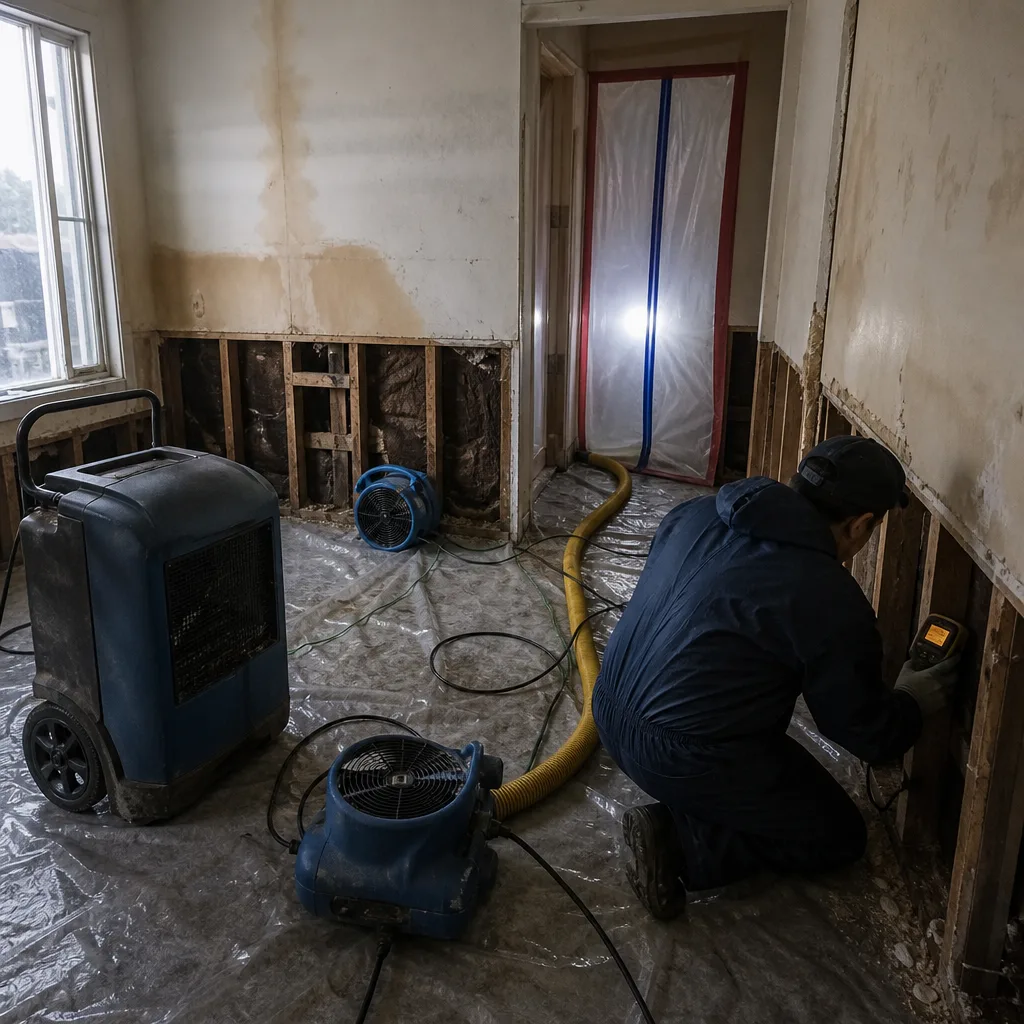 Before
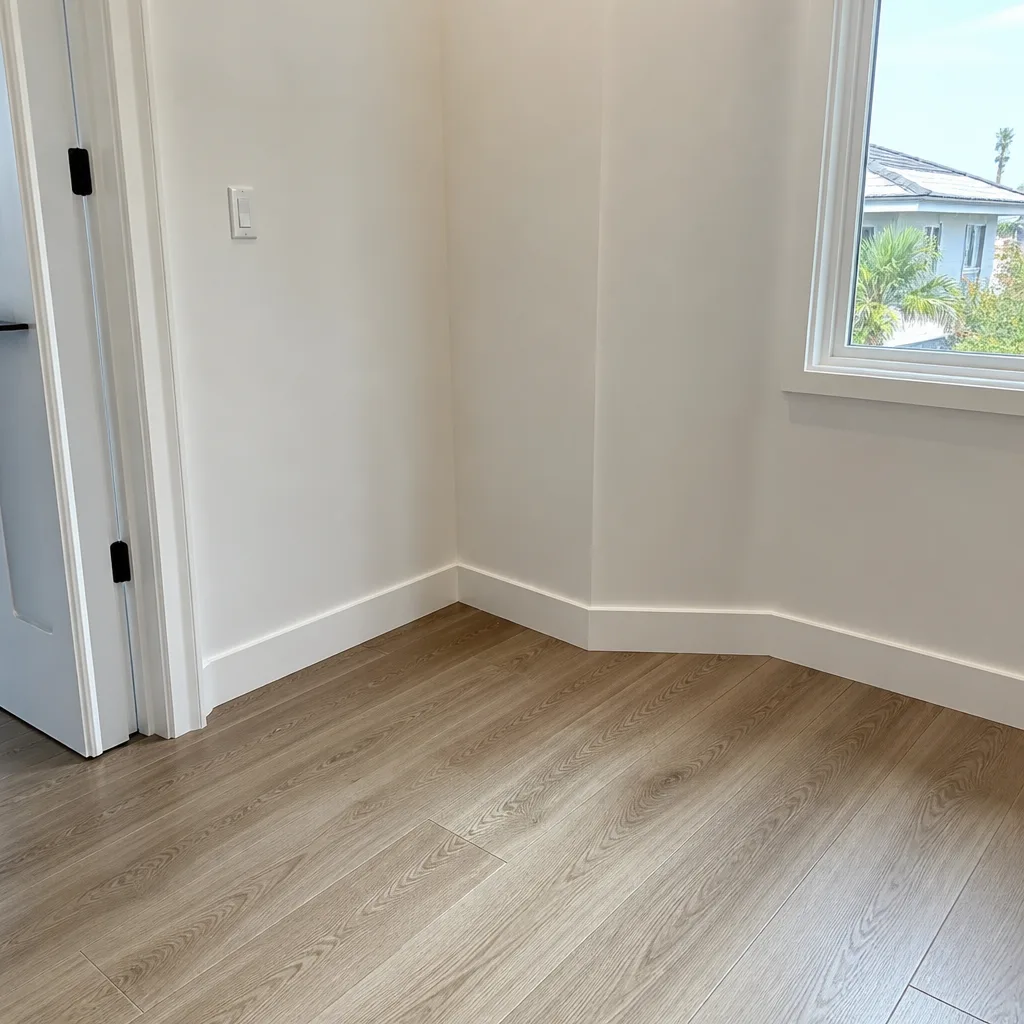 After
AfterDamage Restoration Cost Breakdown: The Manhattan Beach Homeowner’s Reference for 2026
The average gap between a restoration contractor’s undocumented lump-sum invoice and what a carrier actually pays on that invoice in LA County runs 23-31% according to public adjuster caseload data reviewed by our team. Nearly all of that gap closes when the invoice is supported by daily drying logs, room-by-room moisture readings, and a written scope agreed before anyone touches a wall. In Manhattan Beach, where median home values sit well above the county average and many properties carry supplemental wind or flood coverage tied to coastal exposure, that documentation gap can mean the difference between a fully funded rebuild and a homeowner holding a five-figure shortfall. This guide breaks down what each cost category should contain, what documentation supports it, and what the 2026 South Bay labor and materials market looks like per measurable unit. For damage restoration warning signs every Manhattan Beach homeowner should know, see our companion reference.
Quick Answer
Water damage restoration in Manhattan Beach typically runs $4.50-$7.25 per square foot for structural drying in 2026, with mold remediation adding $8.50-$15.00 per square foot depending on containment complexity and air filtration requirements. A complete kitchen or bathroom reconstruction after significant water or fire damage generally falls between $85 and $140 per square foot in the South Bay market, with Manhattan Beach sitting at the upper end due to coastal code requirements and higher labor rates. Every figure below is tied to the documentation that makes it defensible to a carrier.
Table of Contents
- Why Documentation Drives Cost Recovery
- Water Damage & Structural Drying Costs Per Square Foot
- Mold Remediation Pricing: Containment to Clearance
- Fire & Smoke Damage Restoration Costs
- Reconstruction: Drywall, Flooring, and Contents
- How Drying Day Billing Works and What Carriers Accept
- Reading a Xactimate Estimate: Removed Line Items
- When a Public Adjuster Adds Value, and When They Don’t
 Before
 After
AfterWhy Documentation Drives Cost Recovery
We built DryMark Restoration Manhattan Beach home around a problem our founder, Alicia Brennan, saw repeatedly during her years as a claims adjuster: contractors who did solid work but couldn’t prove what they did, and carriers who used that gap to reduce or deny payment. The result was homeowners paying out of pocket for work their policy should have covered.
The Haven Standard, which governs every job we take, was designed to close that gap. Clause 1 requires a written price before work begins. Every visit produces a photo record. Daily drying logs track psychrometric data - temperature, relative humidity, and specific humidity readings - that prove the equipment was working and the structure was actually drying. Without these documents, a carrier has no obligation to accept the contractor’s word.
In Manhattan Beach specifically, we’ve seen carriers challenge drying day counts more aggressively than in inland markets. The coastal climate means ambient humidity runs higher, especially during May Gray and June Gloom periods, which can extend drying timelines. A contractor who doesn’t document vapor pressure differential - the measurable force that drives moisture from wet materials into the air - has no answer when a carrier claims three days of drying should have been sufficient.
The documentation that protects your claim includes:
- A written scope signed before work begins, with line-item pricing for each category
- Pre-work photos showing the full extent of visible and suspected damage
- Daily moisture readings with meter type, probe depth, and location mapped to a room diagram
- Equipment placement logs showing dehumidifier capacity in pints per day and air mover CFM ratings
- Post-mitigation photos demonstrating return to dry standard, typically below 16% moisture content for wood framing
Our team has processed over 12,000 homes since 2011. Every one carried a written price before work started and a documented record when the crew left. The claims that close fastest are rarely the smallest; they’re the ones with the most complete files.
Water Damage & Structural Drying Costs Per Square Foot
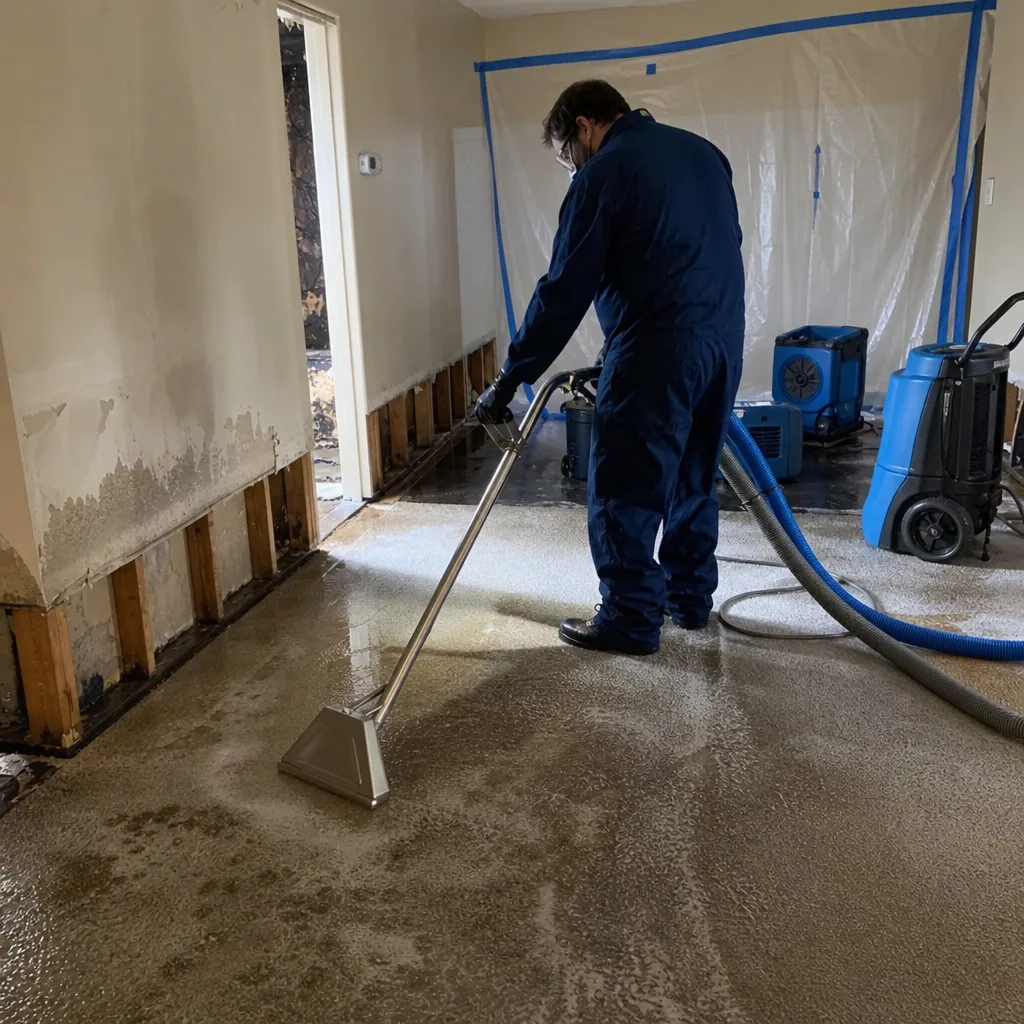
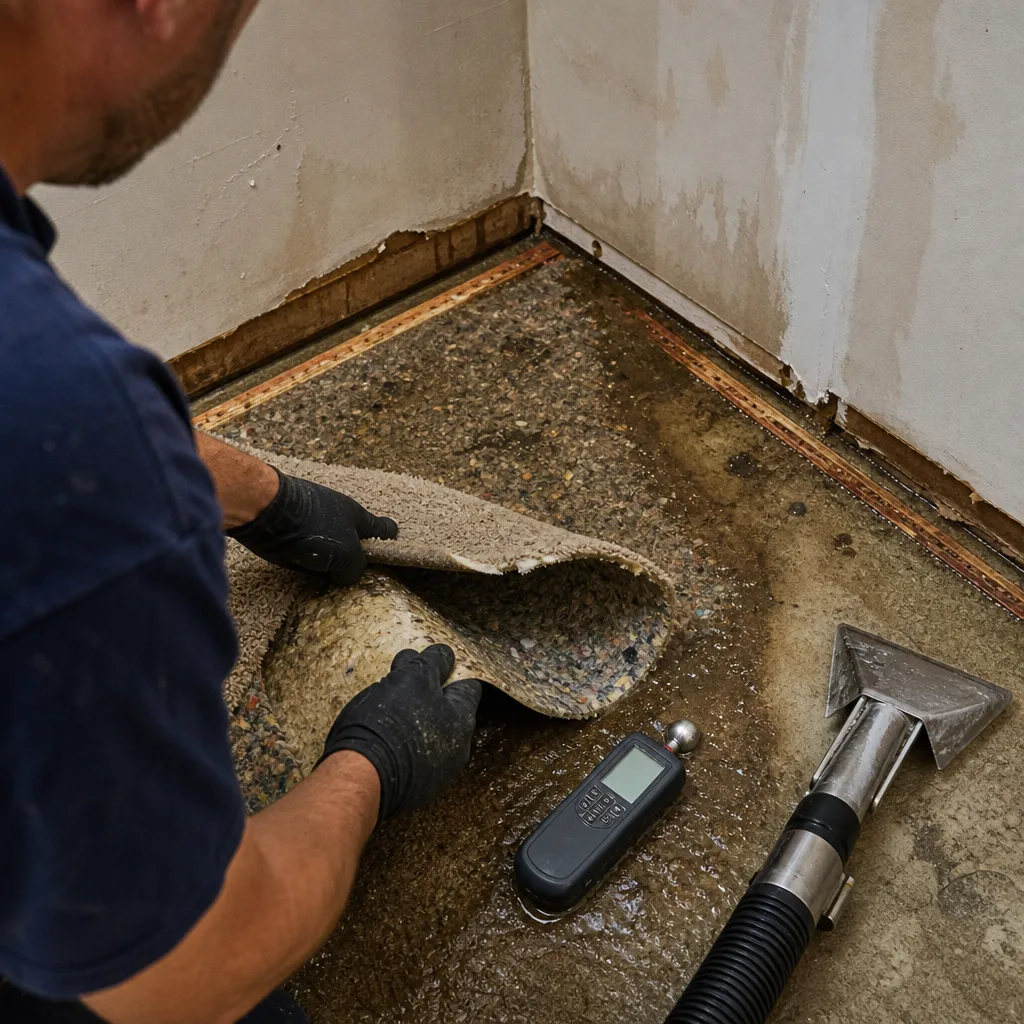
Water damage restoration in Manhattan Beach breaks into categories that carriers treat differently. Understanding the split helps you read any estimate, including ours, and ask the right questions when something looks wrong.
Category 1 water (clean source, such as a burst supply line):
- Extraction and initial setup: $1.25-$2.10 per square foot of affected area
- Structural drying (Days 1-3): $1.80-$2.75 per square foot per day
- Structural drying (Days 4+): $1.40-$2.10 per square foot per day, with reduced equipment counts as materials approach dry standard
- Antimicrobial application: $0.35-$0.60 per square foot
Category 2 water (gray water, such as washing machine discharge):
- Add 15-25% to Category 1 rates for additional cleaning and antimicrobial requirements
- Porous material removal often required for saturated carpet pad and lower drywall
Category 3 water (black water, including sewage and seawater intrusion):
- Extraction and disposal: $3.50-$5.75 per square foot
- Full removal of porous materials within the water line
- HVAC duct inspection and cleaning if contamination reached the system
- Third-party clearance testing: $450-$750 for standard residential
Manhattan Beach properties face specific Category 3 risks that inland homes don’t. Storm surge and high-tide flooding in the El Porto and Sand Section areas can introduce saltwater, which is corrosive to metal fasteners and requires specific flushing protocols. We’ve documented cases where carriers initially coded saltwater intrusion as Category 2; the distinction matters because Category 3 requires more extensive removal and testing.
Equipment documentation that carriers expect:
- Dehumidifier rated capacity in pints per day, matched to cubic footage of affected space
- Air mover count and CFM rating, typically one per 50-70 square feet of wet floor
- Negative air machine or HEPA air scrubber if Category 2 or 3
- Injectidry hardwood floor drying system or Dri-Eaz Rescue Mat for specialty flooring, with setup photos
Our crews deploy professional-grade drying systems from Dri-Eaz, Phoenix, and Injectidry, with daily logs recorded to IICRC and RIA standards. The equipment brand matters less than the documentation proving it was sized correctly and run for the documented duration.
Mold Remediation Pricing: Containment to Clearance
Mold remediation in Manhattan Beach carries some of the widest price swings in restoration, and the variance usually traces back to containment strategy and post-remediation verification. A contractor who quotes a mold job without specifying containment square footage or air filtration device count is quoting a hope, not a scope.
2026 Manhattan Beach mold remediation ranges:
- Small contained area (under 10 square feet, no HVAC involvement): $1,200-$2,400
- Moderate remediation with containment (10-100 square feet): $8.50-$12.00 per square foot
- Large-scale remediation with full-room containment and negative pressure: $12.00-$18.00 per square foot
- HVAC system remediation (ductwork and air handler): $3,500-$7,500 depending on system size and access
- Post-remediation clearance testing by third-party: $450-$850
The Manhattan Beach climate creates specific mold pressure points. Ocean-facing homes in the Hill Section and Tree Section experience higher exterior humidity that can mask interior moisture problems. We’ve found delayed mold discovery in homes where owners assumed musty odors were “just the beach air.” By the time testing confirms mold, the colony has often spread behind built-ins or into wall cavities.
What a defensible mold scope must include:
- Containment dimensions in linear feet, with 6-mil polyethylene barrier specification
- Negative air machine count and ACH (air changes per hour) calculation
- HEPA vacuuming and damp-wiping of all surfaces within containment, not just visible mold
- Antimicrobial application with EPA-registered product, named in the scope
- Post-remediation air sampling with outdoor control, lab-certified results
Carriers most frequently reduce mold invoices that lack pre-remediation photo documentation of the full affected area. If the scope only shows what was treated but not what was there initially, the carrier can argue the work was excessive. Our photo record on every visit includes date-stamped images of all four walls, ceiling, and floor before any work begins.
Haven Standard, Clause 1 applies to mold work with special force: the written price must include the full remediation scope, not just an opening allowance. We’ve reviewed competitor estimates that listed “mold treatment: TBD” with a provisional number that doubled once containment was opened. That practice violates the clause we operate under.
Fire & Smoke Damage Restoration Costs
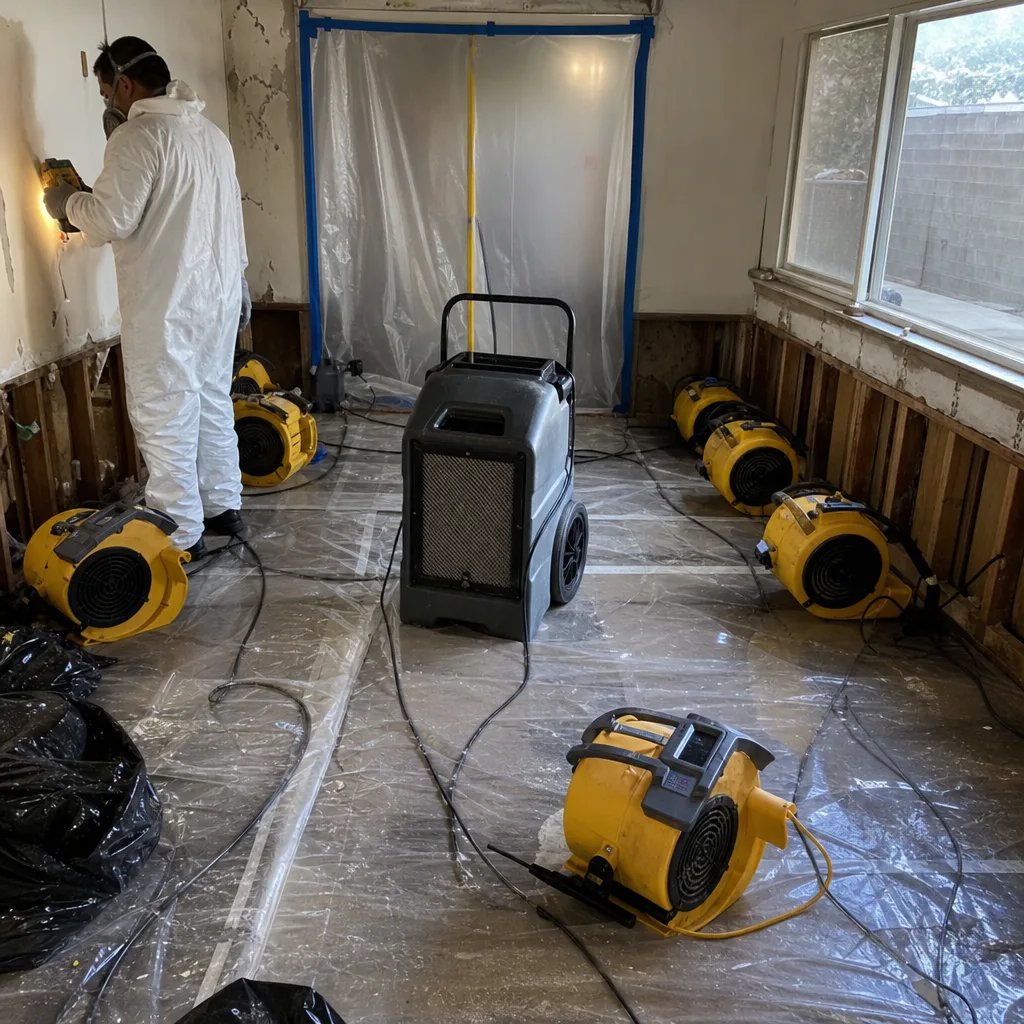
Fire and smoke damage restoration in Manhattan Beach follows a different cost structure than water or mold, with more categories and more carrier scrutiny on contents versus structure. The 2026 South Bay market shows these ranges:
Structural cleaning and odor removal:
- Light smoke damage (localized, short duration): $4.50-$7.00 per square foot
- Moderate smoke damage (significant soot, multiple rooms): $7.50-$12.00 per square foot
- Heavy smoke and thermal damage (structural charring, widespread odor): $12.00-$22.00 per square foot
Contents manipulation and cleaning:
- Pack-out, inventory, and cleaning: $2.75-$4.50 per item or $3.25-$5.50 per cubic foot of contents
- Electronics and specialty cleaning: quoted individually based on item
- Contents storage during reconstruction: $0.85-$1.40 per cubic foot per month
Odor mitigation systems:
- Thermal fogging or ozone treatment: $1.20-$2.10 per square foot
- Hydroxyl generator deployment (safe for occupied spaces): $85-$150 per day per unit
Manhattan Beach fire restoration carries specific documentation requirements due to the density of multi-story construction in areas like downtown and the Gaslight District. Smoke travels vertically through shared wall cavities and elevator shafts; a scope that only addresses the unit of origin will face carrier challenge when odor complaints emerge from adjacent units weeks later.
Our fire documentation includes:
- Pre-cleaning photo record of all affected surfaces with soot type identified (dry, wet, protein, or fuel oil)
- Ultrasonic cleaning log for contents with item-by-item tracking
- Air quality readings pre- and post-odor treatment
- Written scope distinguishing structural from contents work, with separate line items for carrier coding
The 365-Day Done Right Promise applies to fire work with particular relevance: smoke odor can resurface months later when temperature and humidity shift. If it does, we return and retreat at no charge. The warranty is written, not verbal, and stamped on every job file.
Reconstruction: Drywall, Flooring, and Contents
Reconstruction is where restoration invoices most often fracture. Unlike mitigation, which responds to an emergency, reconstruction is scoped like a remodel - and should be priced like one, with line-item material costs, labor hours, and markup disclosed.
2026 Manhattan Beach reconstruction ranges:
| Category | Range (per unit) | Notes |
|---|---|---|
| Drywall removal and disposal | $1.85-$3.25 per square foot | Includes containment for lead or asbestos if pre-1978 construction |
| Drywall installation and finish | $3.50-$6.00 per square foot | Level 4 finish standard; Level 5 add $0.75-$1.25 |
| Insulation replacement (batts) | $1.60-$2.80 per square foot | Closed-cell spray foam: $4.50-$7.50 per board foot |
| Hardwood flooring (remove and replace) | $14.00-$28.00 per square foot | Wide-plank and engineered at upper end; subfloor prep additional |
| Tile flooring (ceramic/porcelain) | $12.00-$22.00 per square foot | Includes mortar, grout, and standard pattern; mosaic or large-format add 20-35% |
| LVP/LVT flooring | $8.50-$16.00 per square foot | Waterproof core products standard in restoration |
| Carpet and pad (replacement) | $5.50-$11.00 per square foot | Pad disposal and antimicrobial treatment included |
| Baseboard and trim (replace) | $4.25-$7.50 per linear foot | Paint-grade pine; hardwood or custom profiles higher |
| Interior painting (walls only) | $2.75-$4.50 per square foot | Ceiling add $1.50-$2.50; primer for smoke/water stain blocking included |
| Kitchen cabinetry (per linear foot) | $450-$850 | Semi-custom; full custom or inset construction higher |
| Countertop (quartz, installed) | $75-$140 per square foot | Includes template, fabrication, and standard edge |
Manhattan Beach reconstruction sits at the upper end of LA County ranges for several reasons. Coastal exposure requires specific materials: pressure-treated or stainless fasteners in exterior-facing walls, moisture-resistant drywall in below-grade spaces, and enhanced flashing details that exceed base code. The city’s design review process for exterior changes can also extend timelines, though this affects additions more than like-for-like restoration. See our overview of damage restoration permits, codes & inspections in CA for what triggers additional requirements.
What separates a defensible reconstruction estimate from a carrier challenge:
- Material specifications by brand and grade, not generic descriptions (“paint-grade baseboard” versus “trim”)
- Labor hours by task, with crew size and hourly rate disclosed
- Overhead and profit as separate line items, typically 10% and 10% respectively in standard carrier software
- Permit costs itemized with Manhattan Beach Community Development Department fee schedule referenced
- Contingency allowance, capped and justified, for concealed damage discovered during demo
We deliver a written scope before reconstruction begins, with every material named and every hour accounted. Haven Standard, Clause 1 does not permit “allowance” pricing that shifts risk to the homeowner.
How Drying Day Billing Works and What Carriers Accept
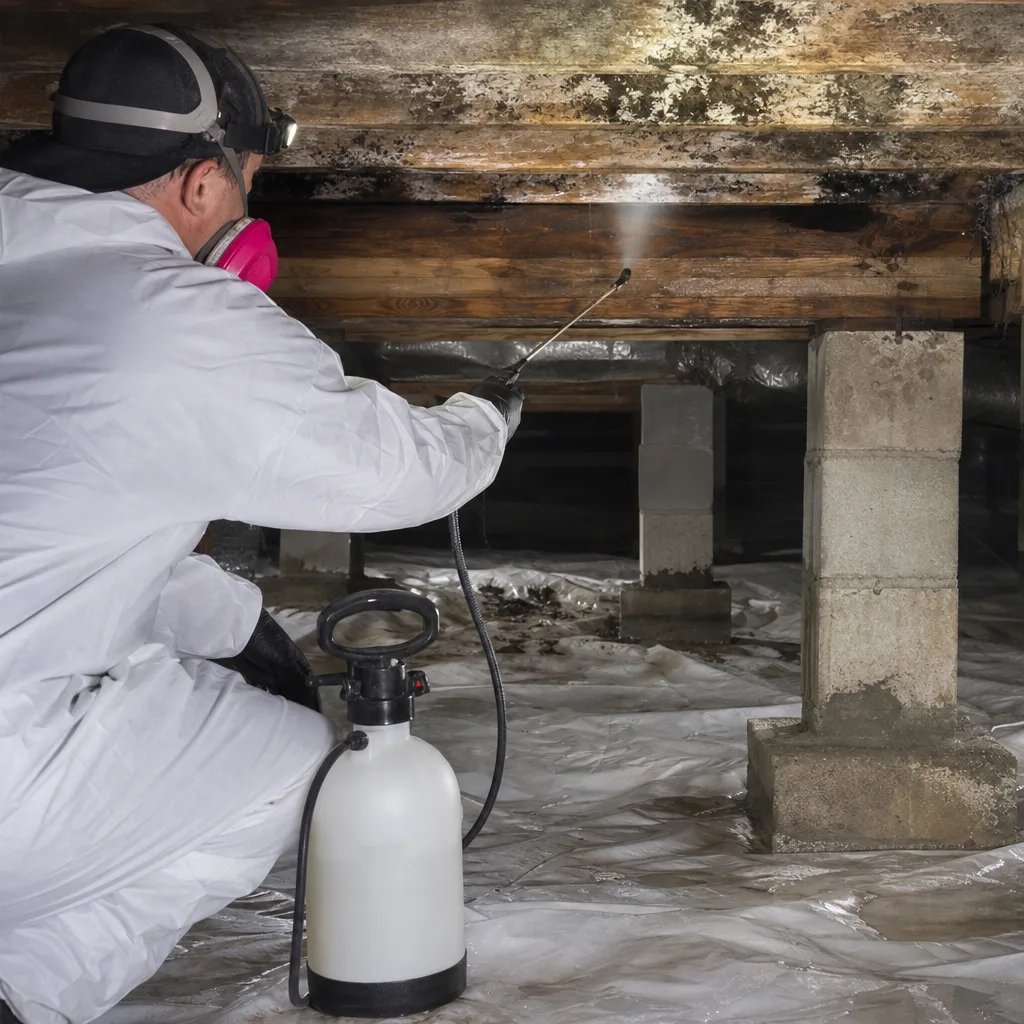
Drying day billing is the most contested area in water damage claims, and the contest is almost always about documentation. A “drying day” is a 24-hour period during which professional drying equipment is actively deployed and monitored. Carriers accept these charges when the daily log proves the equipment was necessary, properly sized, and producing measurable progress.
What a daily drying log must contain to survive carrier review:
- Date and technician name. Anonymous logs are inadmissible; the person who took the readings must be identifiable.
- Equipment inventory by serial number. Dehumidifier model and rated pint capacity, air mover count and CFM, any specialty equipment such as Injectidry panels or Dri-Eaz Rescue Mats.
- Psychrometric readings at setup and daily. Temperature in Fahrenheit, relative humidity as percentage, specific humidity in grains per pound, and dew point. These readings must show progress toward dry standard.
- Moisture content readings by material and location. Wood framing, subfloor, drywall, and any specialty materials, with probe depth and meter type noted. Readings must trend downward; flat or rising readings require explanation and equipment adjustment.
- Vapor pressure differential calculation. The measurable difference between vapor pressure in the affected material and vapor pressure in the air, which drives the drying rate. Positive VPD means drying is occurring; near-zero VPD means equipment change is needed.
- Photo documentation of equipment placement and any material changes. Newly exposed damage, removed materials, or adjusted configurations.
- Technician signature and time stamp. Electronic or handwritten, with company letterhead if physical.
Carriers most frequently reduce drying day counts when:
- The log shows identical readings across multiple days, suggesting the technician copied rather than measured
- Equipment capacity exceeds space requirements by excessive margin, indicating overspecification
- No moisture readings are provided for materials that were removed early, making it impossible to verify initial saturation
- The “dry standard” is not defined or is inconsistent with regional norms (typically 12-16% for wood framing in coastal Southern California)
In Manhattan Beach, we typically see 3-5 drying days for Category 1 water in a standard single-story home, and 5-8 days for Category 2 or 3, or for multi-story properties where air circulation is constrained. Hill Section homes with crawl space foundations sometimes require additional subfloor drying days due to limited access and natural ventilation.
Our daily logs are produced to IICRC S500 standards and formatted for direct submission to carrier adjusters. We’ve had carriers approve invoices in full based on log quality alone, even when the total exceeded their initial reserve.
Reading a Xactimate Estimate: Removed Line Items
Xactimate is the pricing software used by most major carriers and many restoration contractors. It contains line-item pricing for thousands of construction and restoration tasks, updated quarterly by ZIP code. When a carrier’s estimate comes in below the contractor’s, the difference is usually visible in removed or modified line items - if you know where to look.
How to identify missing or reduced line items:
- Compare line item counts, not just totals. A carrier estimate with 12 line items against a contractor’s 23 is not “the same job cheaper” - it’s a different scope entirely.
- Check for “R&R” versus “Repair” coding. Xactimate distinguishes Remove and Replace from Repair. Carriers sometimes default to Repair for water-damaged drywall that requires removal due to contamination or structural compromise.
- Verify material grades. Xactimate allows specification from economy to premium. A carrier may select “builder grade” for flooring that was mid-grade or better, or specify 1/2″ drywall where 5/8″ fire-rated was present.
- Look for missing overhead and profit. On jobs with three or more trades, standard practice allows 10% overhead and 10% profit. Some carrier estimates omit O&P or apply it only to select trades.
- Confirm permit and inspection fees. Manhattan Beach requires permits for electrical, plumbing, and structural work above defined thresholds. These are legitimate line items, not contractor padding.
- Check for content manipulation charges. Pack-out, inventory, cleaning, and storage are separate from structure. Their absence means the homeowner is expected to handle contents independently.
When we deliver our written scope, we include a Xactimate-style line-item breakdown that homeowners can compare directly to carrier estimates. Our Free Second Opinion service reviews any competitor’s written estimate at no charge, with specific attention to scope gaps and documentation requirements.
A common Manhattan Beach scenario: carrier estimates for Sand Section condos often omit or minimize common area drying when water originates in one unit but affects hallways or elevator lobbies. These are insurable damages under most HOA master policies, but they require separate documentation and may need coordination with association managers.
When a Public Adjuster Adds Value, and When They Don’t
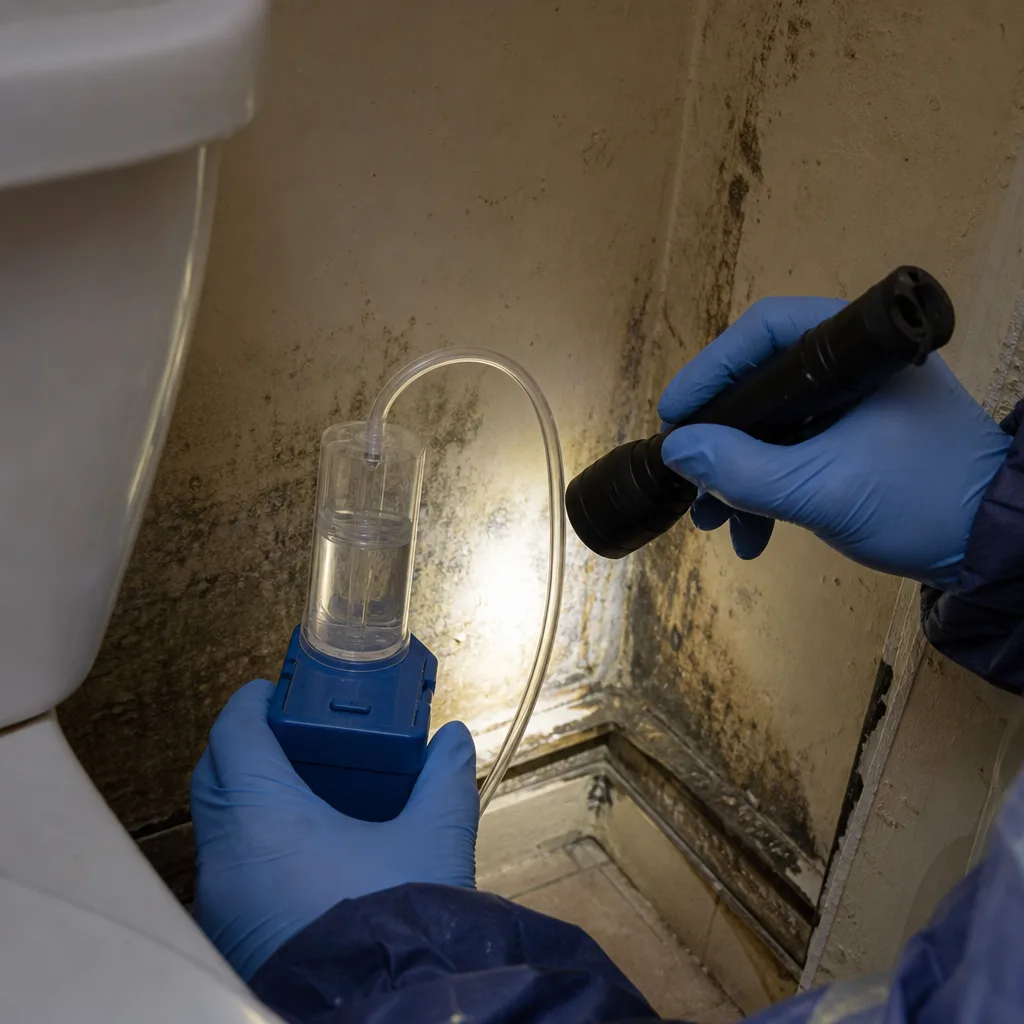
Public adjusters represent policyholders in claims negotiations, typically for a percentage of the settlement increase they secure. Their fee structure creates a clear incentive alignment, but not every claim benefits from their involvement.
When a public adjuster is likely net positive:
- The carrier’s initial estimate is more than 25% below the contractor’s documented scope
- Multiple coverage types are in dispute (dwelling, contents, additional living expenses, ordinance or law)
- The claim involves a denied or partially denied coverage determination that requires policy interpretation
- The homeowner lacks time or capacity to manage documentation and correspondence
- Historical or custom materials require valuation beyond standard software pricing
When a public adjuster may add cost without adding value:
- The carrier and contractor are already within 10-15% and negotiating in good faith
- The claim is straightforward, with clear coverage and minimal dispute
- The contractor’s documentation is already carrier-grade, leaving little for the adjuster to improve
- The fee percentage would consume most or all of the incremental recovery
We’ve worked with public adjusters on complex Manhattan Beach claims, particularly in the El Porto area where flood and wind coverage overlaps create coordination challenges. In those cases, the adjuster’s value was in policy interpretation and coverage stacking, not in disputing our documentation - which was already complete.
Our recommendation: complete your contractor’s documentation first. A well-documented scope from DryMark Restoration Manhattan Beach often resolves disputes without adjuster involvement. If the carrier still resists, then engage a public adjuster with the complete file in hand, rather than paying them to build what should already exist.
Common Mistakes to Avoid
- Accepting a verbal estimate or “allowance” pricing. Haven Standard, Clause 1 exists because verbal numbers evaporate under pressure. Every restoration contractor in Manhattan Beach should provide a written scope before work begins; if they won’t, the reason is usually that they can’t defend the number.
- Starting reconstruction before the structure is verified dry. We’ve removed new drywall six months after installation because moisture trapped in framing activated mold. The moisture meter reading at drywall installation was 19% - above the 16% threshold - but no one checked.
- Assuming flood damage is covered by standard homeowner’s insurance. Manhattan Beach properties in FEMA-designated flood zones require separate NFIP or private flood coverage. Standard policies exclude surface water intrusion; the distinction determines whether you’re filing a claim or paying out of pocket.
- Neglecting to document pre-existing conditions. Photo your home’s current state before any disaster. Carriers sometimes attribute damage to “long-term maintenance issues” that predate the loss. Date-stamped photos of walls, ceilings, and flooring establish baseline condition.
- Signing a release without verifying the scope matches the work. Carrier releases often contain language accepting the payment as “payment in full” for “all damages.” If additional damage is discovered during reconstruction, that language may bar supplemental claims.
- Choosing a contractor based on lowest initial estimate rather than most complete documentation. The low estimate that lacks daily logs and moisture readings typically produces the highest final out-of-pocket cost after carrier reductions.
- Ignoring Manhattan Beach coastal code requirements in reconstruction scopes. Below-grade spaces, exterior-facing walls, and any work near the mean high tide line may trigger enhanced materials or inspection requirements that standard estimates omit.
When to Call a Professional
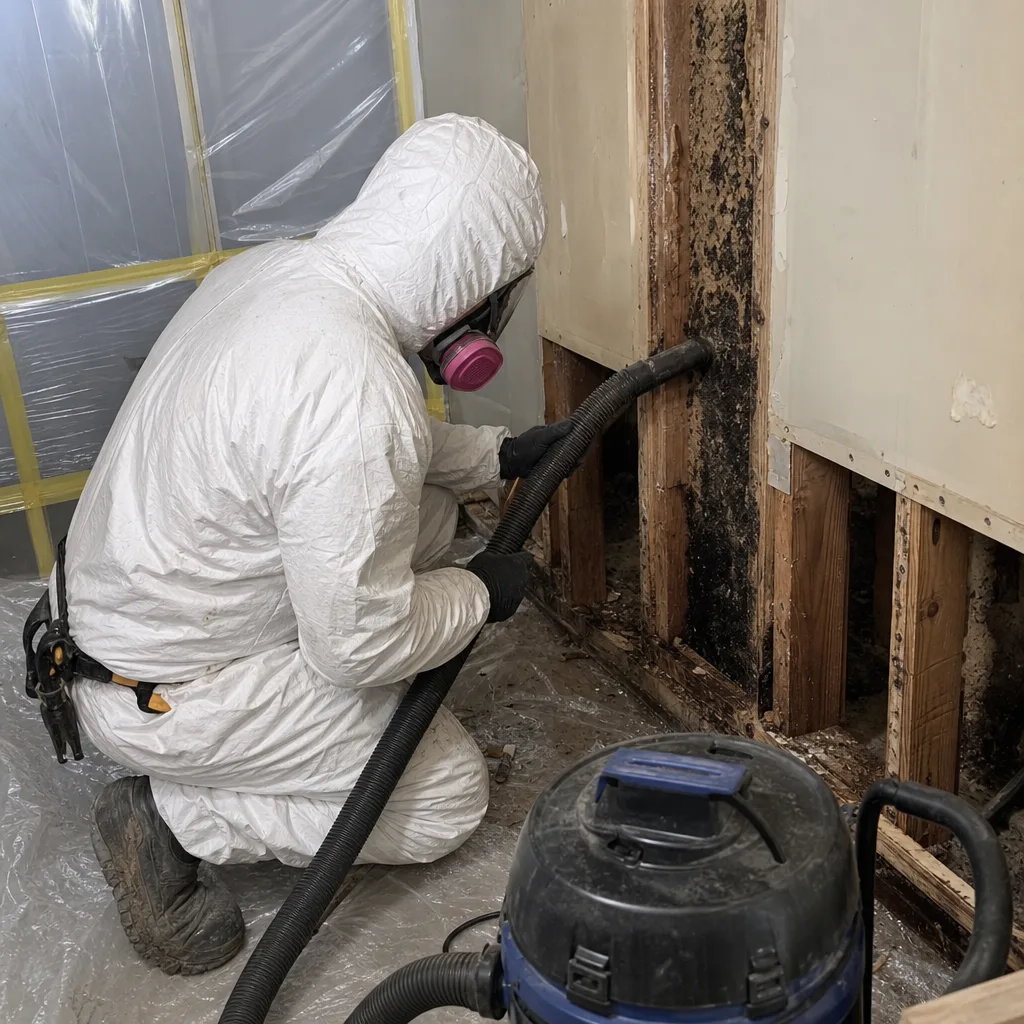
Call a restoration professional when water has affected more than a single small area you can dry with household fans, when mold is visible or suspected behind walls, when fire or smoke has affected multiple rooms, or when sewage or saltwater is involved. These are not DIY situations for Manhattan Beach homeowners; improper handling extends damage, voids coverage, and creates health hazards.
DryMark Restoration Manhattan Beach offers free estimates in Manhattan Beach - call (213) 699-3658. Our live dispatch answers 24 hours a day, 7 days a week, with no voicemail on emergency lines. Every estimate includes a written scope with line-item pricing before any work begins, documented to IICRC, RIA, and IFA standards. We also provide a Free Second Opinion on any competitor’s written estimate, with specific attention to documentation gaps that could cost you at claim time.
Frequently Asked Questions
Structural drying for Category 1 water damage in Manhattan Beach typically runs $4.50-$7.25 per square foot for the full mitigation, including extraction, equipment, and daily monitoring. Category 2 and 3 water, or jobs requiring specialty equipment like Injectidry hardwood systems, fall at the upper end or above. Call (213) 699-3658 for a written estimate specific to your property - estimates are free and include line-item documentation.
Your insurance will cover what your policy covers, documented to the standard your carrier requires. The 23-31% average gap between contractor invoices and carrier payments in LA County closes when the invoice includes daily drying logs, moisture readings, and a pre-work written scope. We build every file to that standard from day one. For coverage questions specific to your policy, we can review your declarations page during our estimate visit.
Our live dispatch answers emergency calls 24 hours a day, 7 days a week, with no voicemail. For active water damage, we aim to have a technician on site within 60-90 minutes in Manhattan Beach and immediate South Bay areas. Response time for non-emergency assessments is typically same-day or next-business-day by appointment. The speed that matters most is documentation speed: photos and moisture readings taken before anything is moved or dried.
Visible mold on a hard surface in an area under 10 square feet can sometimes be addressed with proper cleaning and moisture control, but any porous material behind or adjacent to visible growth should be evaluated. In Manhattan Beach’s humid coastal climate, we’ve regularly found extensive hidden colonization behind what appeared to be minor surface spots. We offer free assessments with moisture mapping to determine the actual extent before recommending a scope. A written price is provided before any remediation work begins.
A written scope under Haven Standard, Clause 1 includes: a room-by-room description of work to be performed; line-item pricing for each task with material specifications and labor hours; equipment list with capacity ratings; documentation deliverables including photo record and daily logs; and a signed warranty under the 365-Day Done Right Promise. Nothing is marked “TBD” or “allowance.” The price you sign is the price you pay, with no additions once work begins.
Compare line item by line item against your contractor’s scope, not just totals. Look for missing trades, downgraded material specifications, omitted overhead and profit, and absent permit fees. Our Free Second Opinion service reviews any competitor’s or carrier’s written estimate at no charge, with specific identification of removed line items and documentation requirements that could affect your final recovery.
The Bottom Line
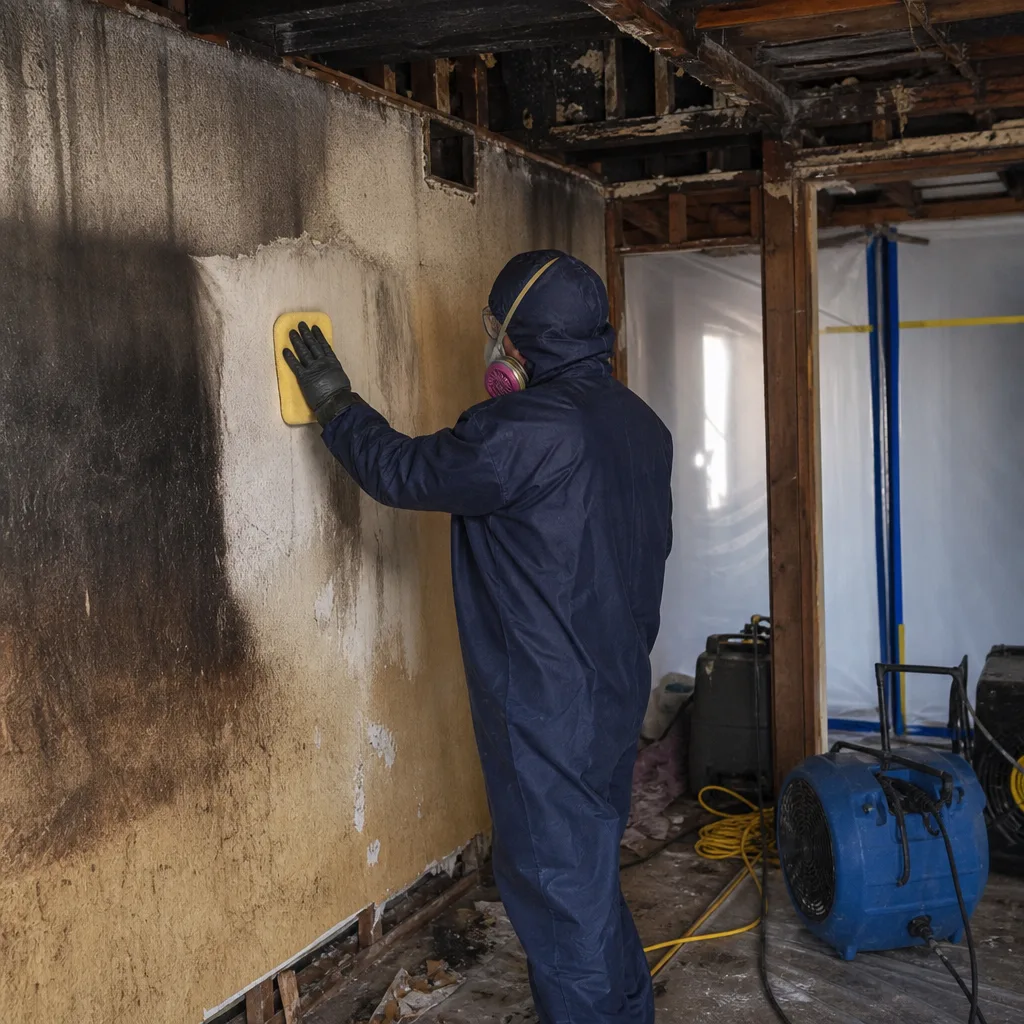
A restoration invoice is only as strong as the documentation behind it. In Manhattan Beach’s 2026 market, the per-square-foot ranges are knowable, the equipment specifications are verifiable, and the carrier software is readable. What separates a fully paid claim from a disputed one is not the contractor’s sales skill - it’s the daily log, the moisture reading, the photo record, and the written scope signed before work began. We built our company on that principle in 2011, and we’ve applied it to 12,000 homes since. The numbers in this guide are current for the South Bay labor and materials market; the documentation standards are permanent. Browse more guides & resources on protecting your Manhattan Beach property.
Written by Alicia Brennan, Owner at DryMark Restoration Manhattan Beach, serving Manhattan Beach since 2011.