
Last updated September 23, 2026
Free visual inspection and a written scope of work before any mitigation begins - photos, moisture readings, and drying logs go in your claim file
The scope we write is the scope we bill. Anything new gets shown to you, in writing, before we touch it.
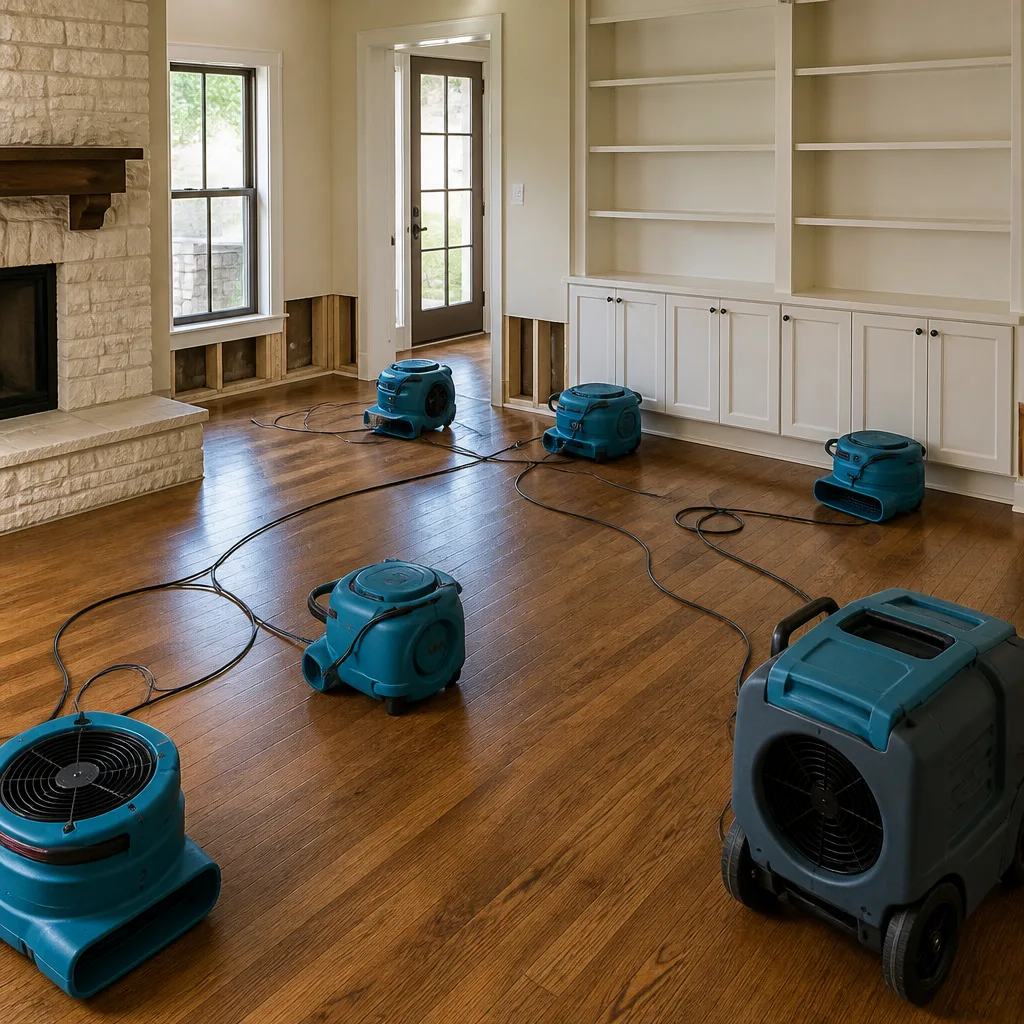
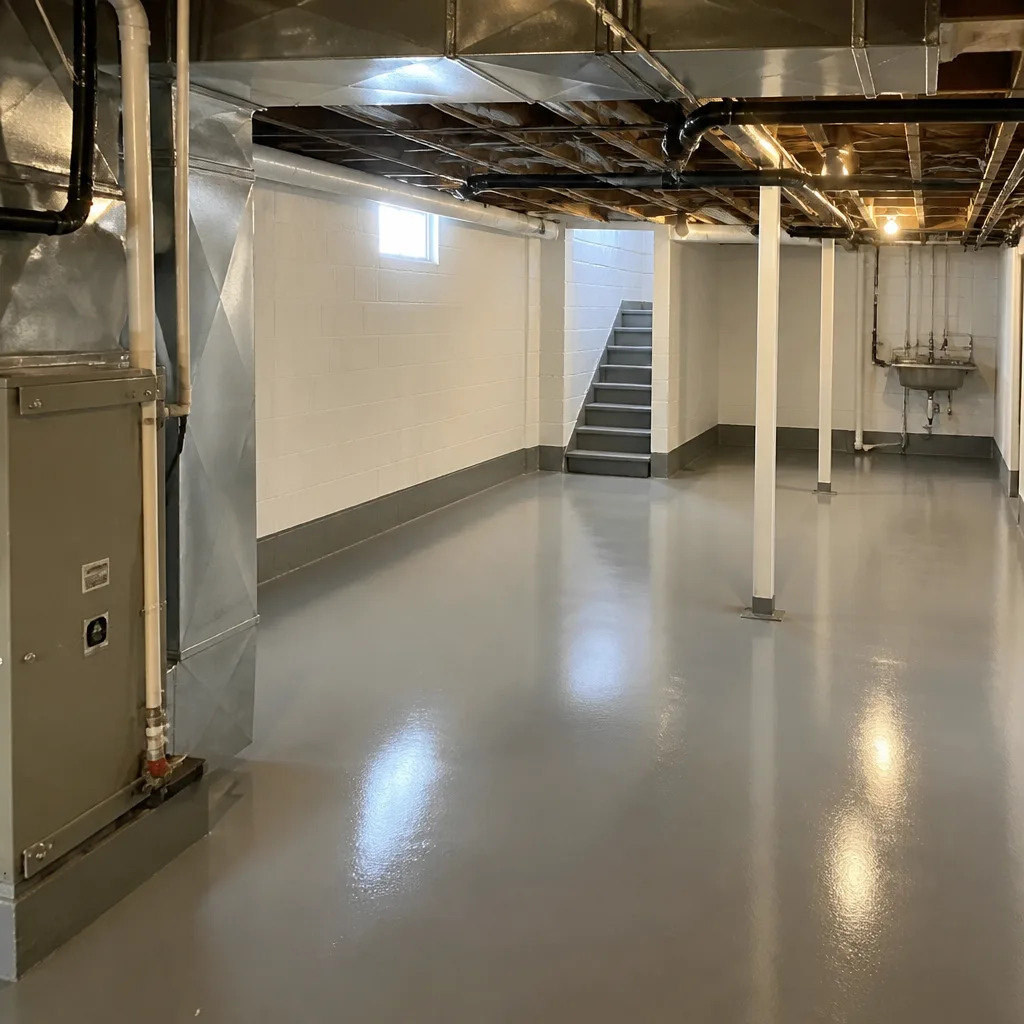
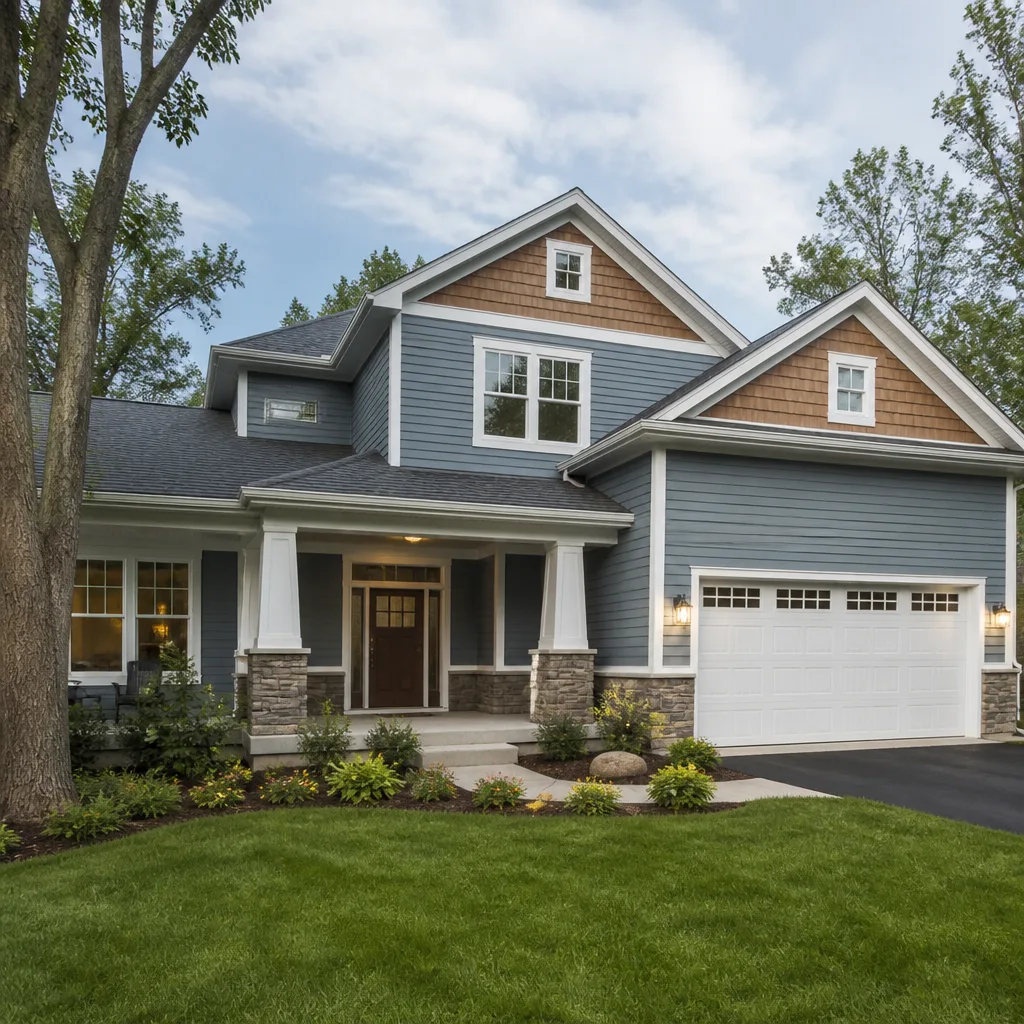
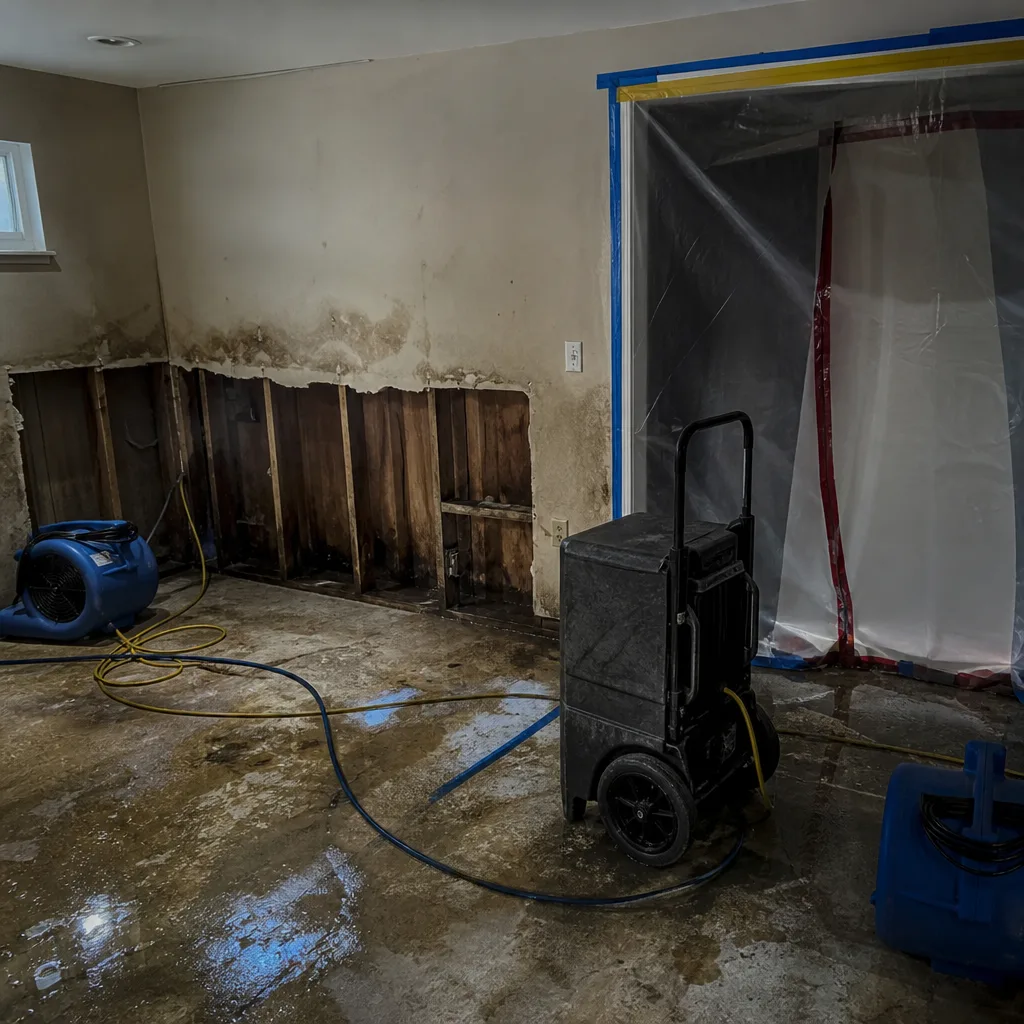 Before
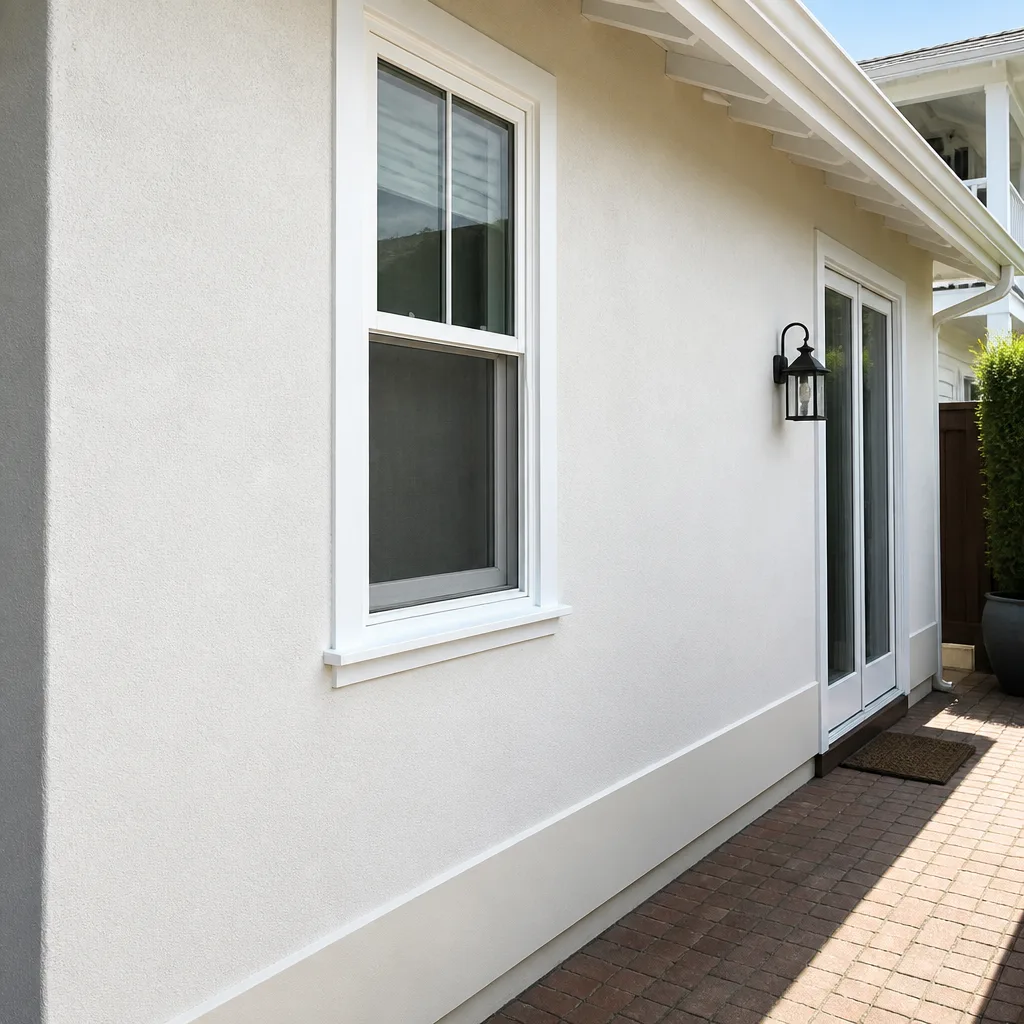 After
After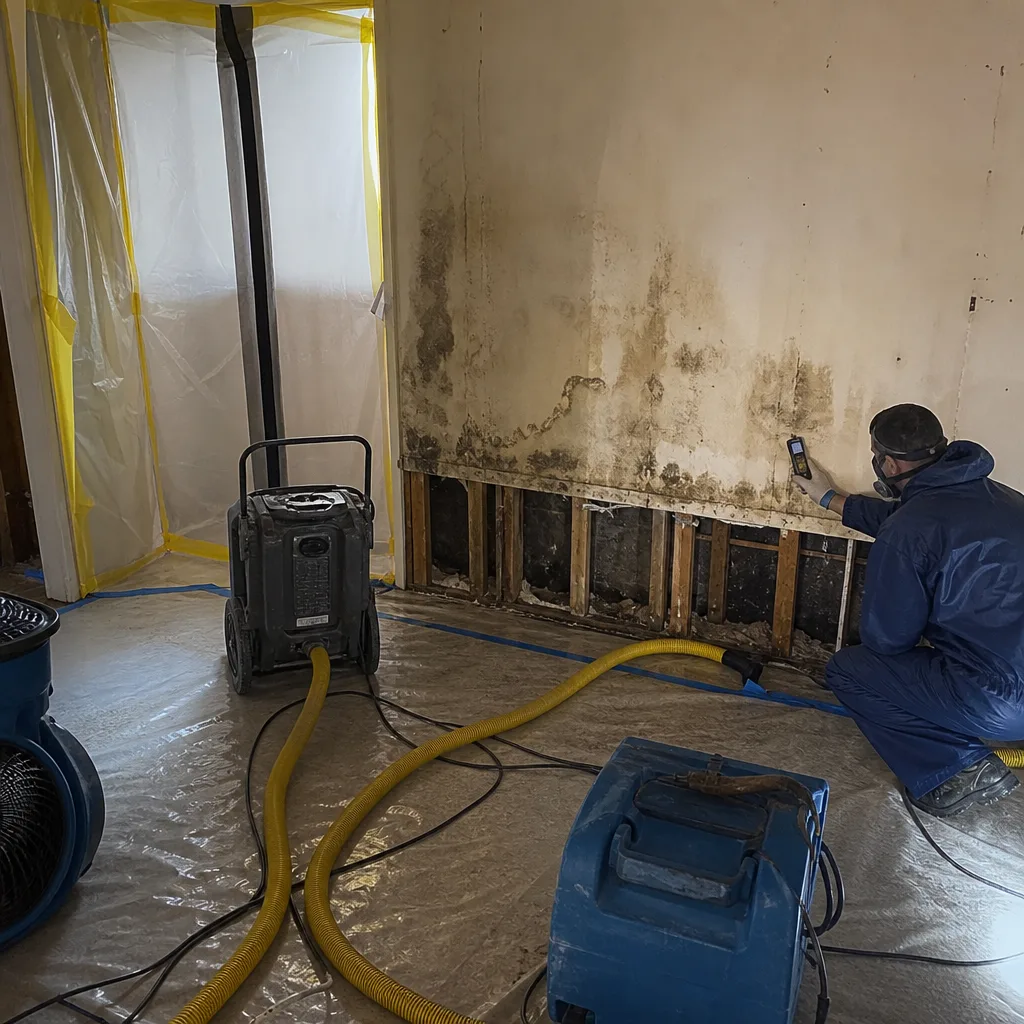 Before
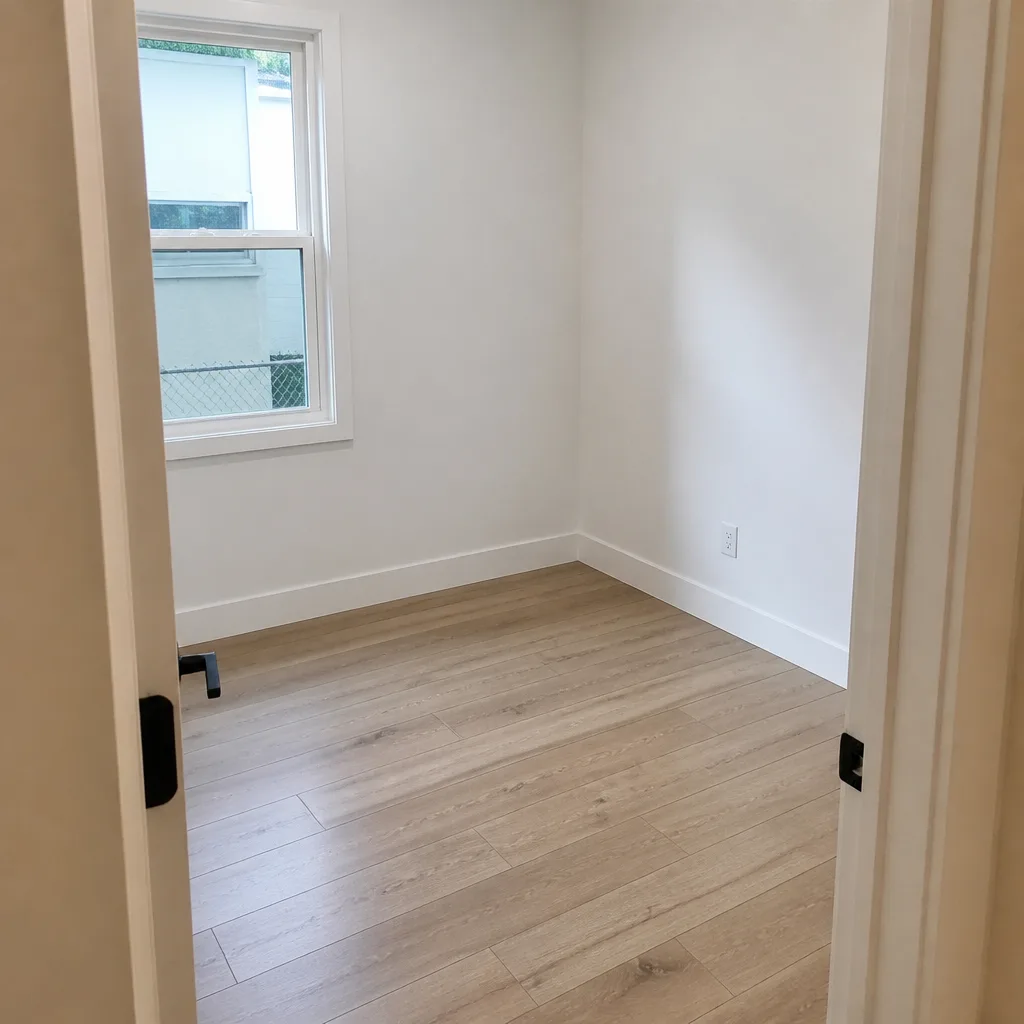 After
After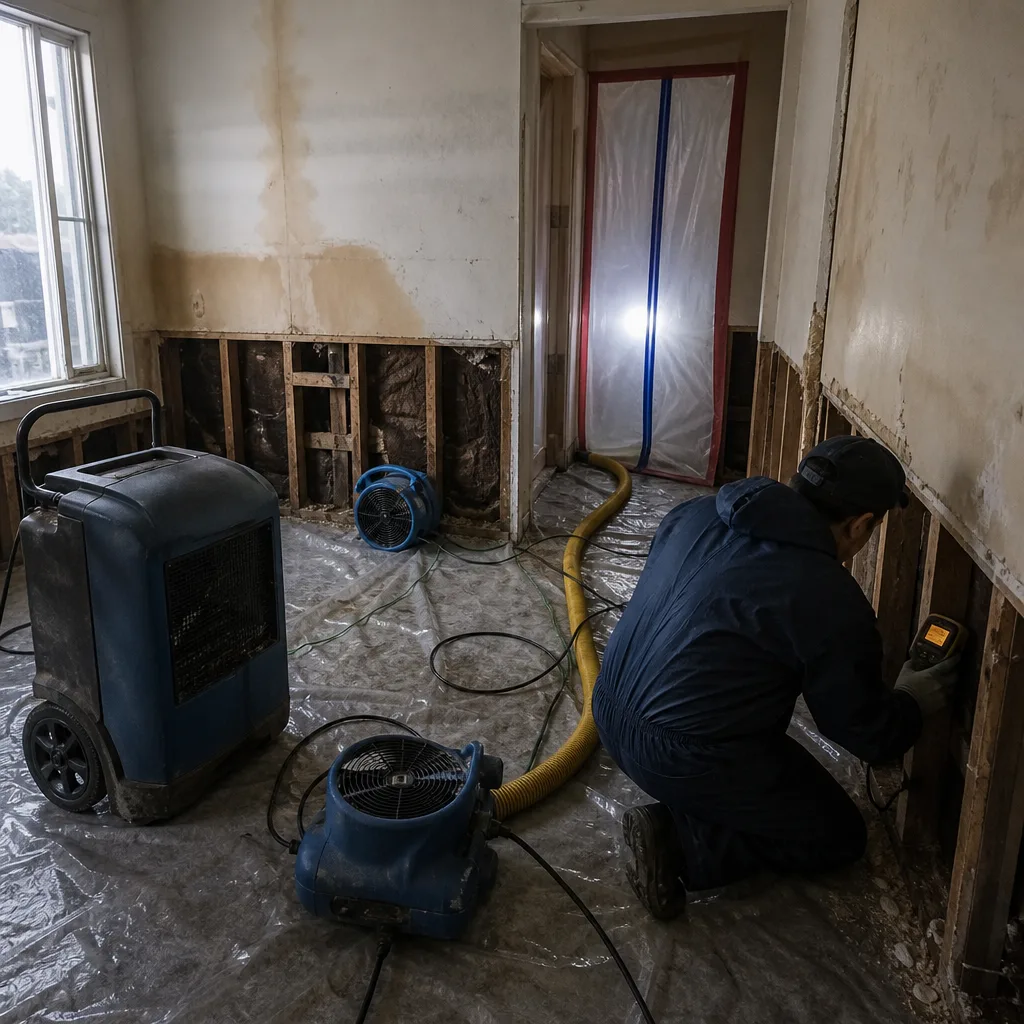 Before
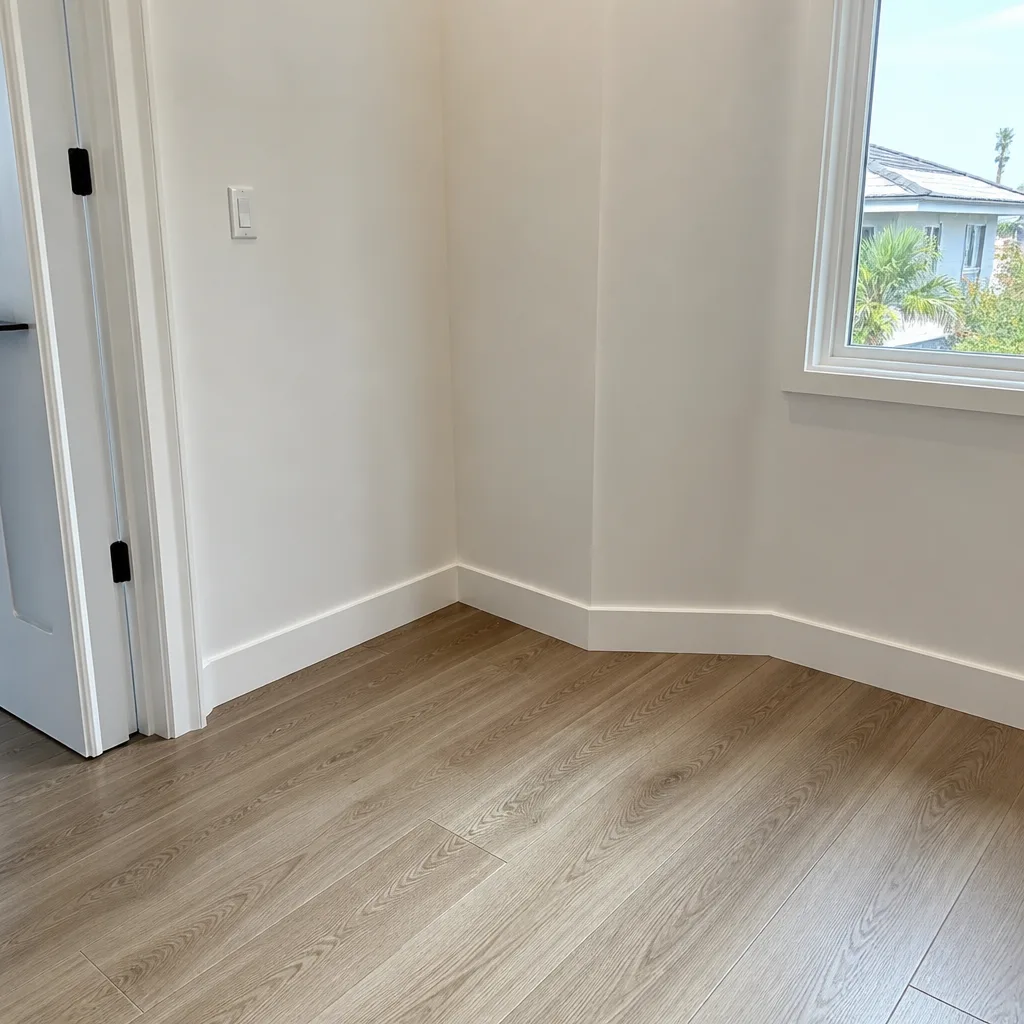 After
AfterDamage Restoration Warning Signs: A Manhattan Beach Homeowner’s Reference Guide
Homeowners who call a restoration company after they smell mold are filing a claim from a weaker position than homeowners who called two weeks earlier with a moisture reading that proved active wetting. In Manhattan Beach, where ocean-facing stucco weeps salt-laden moisture and 1960s slab foundations draw sand migration like a wick, “sudden and accidental” is easier to defend with early data. This guide shows you the measurable thresholds that turn a hunch into evidence, the local conditions that create false negatives, and how to document both so an insurer pays the claim without a fight. Browse our more guides & resources for additional homeowner support.
Quick Answer
The warning signs that predict serious damage in a Manhattan Beach home are almost always measurable before they’re visible: wood moisture equivalent (WME) above 16% in framing, relative humidity (RH) sustained above 60% in conditioned spaces, and efflorescence staging on concrete or stucco that progresses from powdery to crystalline. An unlogged musty smell or eyeballed water stain is anecdote; a timestamped photo with a moisture meter reading, GPS tag, and equipment model number is evidence that a covered loss was developing, and that documentation determines whether your insurer honors the claim.
Table of Contents
- Water Damage Thresholds: When a Warning Sign Becomes a Claim
- Manhattan Beach-Specific Warning Signs Competitors Miss
- Mold Staging: From Spore to Colony in Measurable Steps
- Fire and Smoke Damage: The Hidden Indicators
- How to Log and Photograph a Warning Sign for Insurance
- Cosmetic vs. Structural Warning Signs and California Disclosure Law
- When a Warning Sign Triggers Your Policy’s Duty-to-Mitigate Clause
- Common Mistakes to Avoid
 Before
 After
AfterWater Damage Thresholds: When a Warning Sign Becomes a Claim
Every material in your home has a moisture content at which decay begins. The difference between a warning sign and active damage is a number, not a feeling.
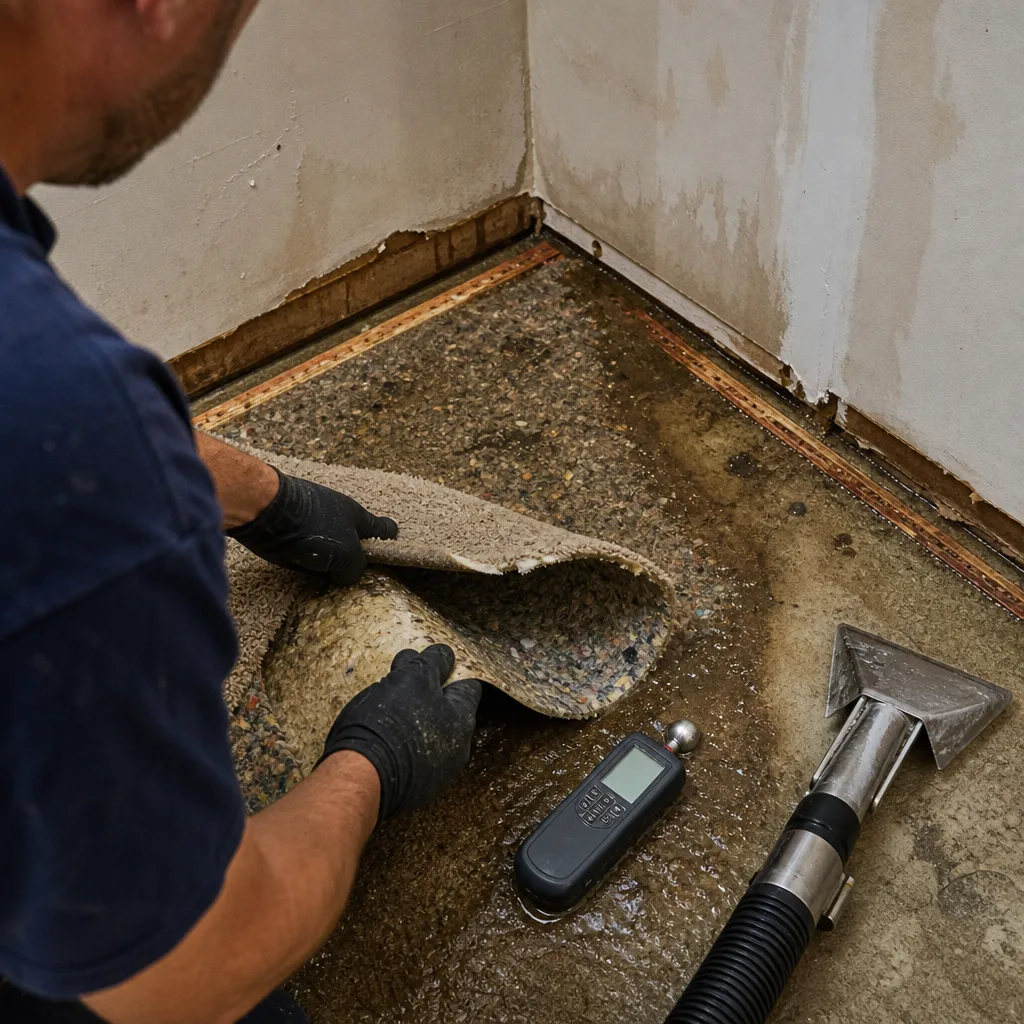
Wood moisture equivalent (WME) is the standard we use on every DryMark Restoration Manhattan Beach assessment. It expresses the moisture level of any material as if it were wood, allowing comparison across substrates. Here’s where the thresholds sit:
- Below 12% WME: Normal equilibrium for interior framing in Manhattan Beach’s coastal climate. No action needed.
- 12-16% WME: Elevated. Indicates a moisture source that needs identification. Not yet damage, but the window for cheap intervention is closing.
- Above 16% WME: Active decay zone. Wood-destroying fungi can colonize. This is where water damage restoration in Manhattan Beach typically begins.
- Above 20% WME: Structural concern. Framing members may lose compressive strength. Replacement often required.
Relative humidity (RH) tells the same story from the air side. We see this pattern constantly in Manhattan Beach homes with compromised vapor barriers:
- 30-50% RH: Target range for occupied spaces.
- 50-60% RH: Elevated. Condensation risk on cool surfaces. Mold spore germination possible on organic materials.
- Above 60% RH sustained for 48+ hours: Active mold growth conditions. Dehumidification required.
- Above 70% RH: Dust mites thrive. Wood swells. Paint and plaster degrade.
The psychrometric data we collect with every assessment, vapor pressure differential readings between affected and unaffected areas, tells us whether moisture is still moving into the space or has stabilized. A stable reading with no source is a drying job. A widening differential means the leak is active and the scope will grow.
We document to IICRC S500 standards, producing daily moisture logs with readings taken at identical locations using calibrated meters. Those logs are what turn a restoration invoice into a payable insurance claim. Without them, an adjuster can argue the damage was pre-existing, gradual, or unrelated to the reported event.
Manhattan Beach-Specific Warning Signs Competitors Miss
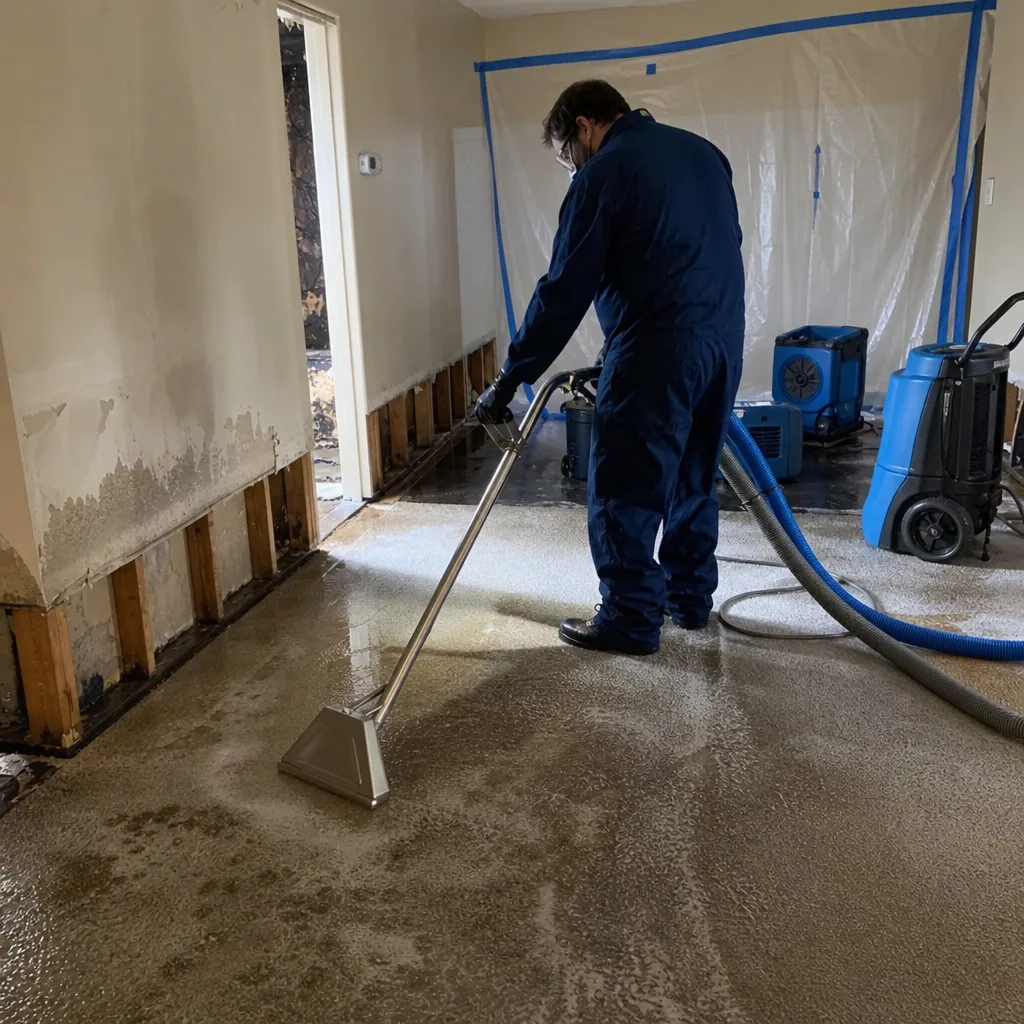
Generic restoration guides miss the conditions that matter here. Manhattan Beach’s coastal exposure, age of housing stock, and soil composition create warning sign patterns you won’t find in inland manuals.
Weep Screed Staining on Stucco Facades
Stucco homes in the Sand Section and Tree Section neighborhoods were built with weep screeds at the base of exterior walls to drain moisture that penetrates the finish coat. When these screeds function correctly, you see clean drainage and minimal staining. When they’re blocked by grade elevation, landscaping, or salt accumulation, the pattern changes:
- Stage 1: Light tan or gray staining at the screed line, typically within 6 inches of grade. Indicates intermittent moisture retention.
- Stage 2: Dark brown to black staining with efflorescence (white powder) forming on the stucco surface. Active wicking from saturated substrate.
- Stage 3: Spalling stucco, exposed lath, or rust streaks from corroded fasteners. Structural intervention required; moisture has reached the framing.
In our experience, Stage 1 weep screed staining in Manhattan Beach often correlates with interior baseboard WME readings of 14-18% on the opposite side of that wall. The ocean-facing elevations show this pattern most severely, particularly after winter storms push salt-laden spray against south and west walls.
Condensation on Single-Pane Aluminum Frames
Manhattan Beach has a significant inventory of 1960s and early 1970s construction, much of it with original aluminum-framed windows. These frames are thermal bridges. When interior RH climbs above 55% and outdoor temperature drops below 50°F, condensation forms on the interior frame surface and pools in the track.
The warning sign most homeowners miss: corrosion staining on the interior sill. That orange-brown residue isn’t just aging metal. It’s evidence that condensation has been occurring repeatedly, and the water is finding its way into the wall cavity through deteriorated frame-to-wall seals. We’ve opened walls below these windows to find sheathing at 22-28% WME and active fungal growth, all from a “window that sweats a little in winter.”
Sand Migration at Slab Perimeters
Manhattan Beach soils are predominantly sandy with high permeability. In homes with slab-on-grade construction, particularly in the flat areas east of Highland Avenue, we’ve documented a pattern we call sand migration: fine sand particles appearing at the interior perimeter where slab meets wall.
This occurs when moisture moves through the soil, carrying suspended fines, and enters through gaps in the slab edge or compromised vapor barrier. The sand is a breadcrumb trail. The moisture that carried it is the problem. We see this most often where irrigation systems overwater against the foundation, or where downspouts discharge too close to the slab. The interior warning sign is subtle; the moisture readings at those perimeters are not.
Ocean-Side Garage Door Track Corrosion
Homes on the west side of Manhattan Beach, within a few blocks of the beach, show accelerated corrosion on garage door hardware. The salt air accelerates oxidation, but it also indicates how much marine aerosol is entering the garage space. When we see significant track corrosion combined with efflorescence on the garage slab, it’s often a sign that the garage door seal has failed and storm-driven rain is entering during winter surf events. The garage becomes a moisture reservoir that affects the entire ground floor.
Mold Staging: From Spore to Colony in Measurable Steps
Mold is not a binary condition. It progresses through stages, each with measurable characteristics, and each stage has a different remediation cost and insurance implication.
Stage 1: Spore Deposition (No Visible Growth)
Spores are present in all indoor air. The warning sign at this stage is environmental, not visual: sustained RH above 60% in a space with organic material (paper-faced drywall, wood, dust). Air sampling can show elevated spore counts relative to outdoor baseline, but this is rarely actionable for insurance. The intervention is environmental control: dehumidification, air movement, source removal.
Stage 2: Microscopic Growth (Not Visible to Unaided Eye)
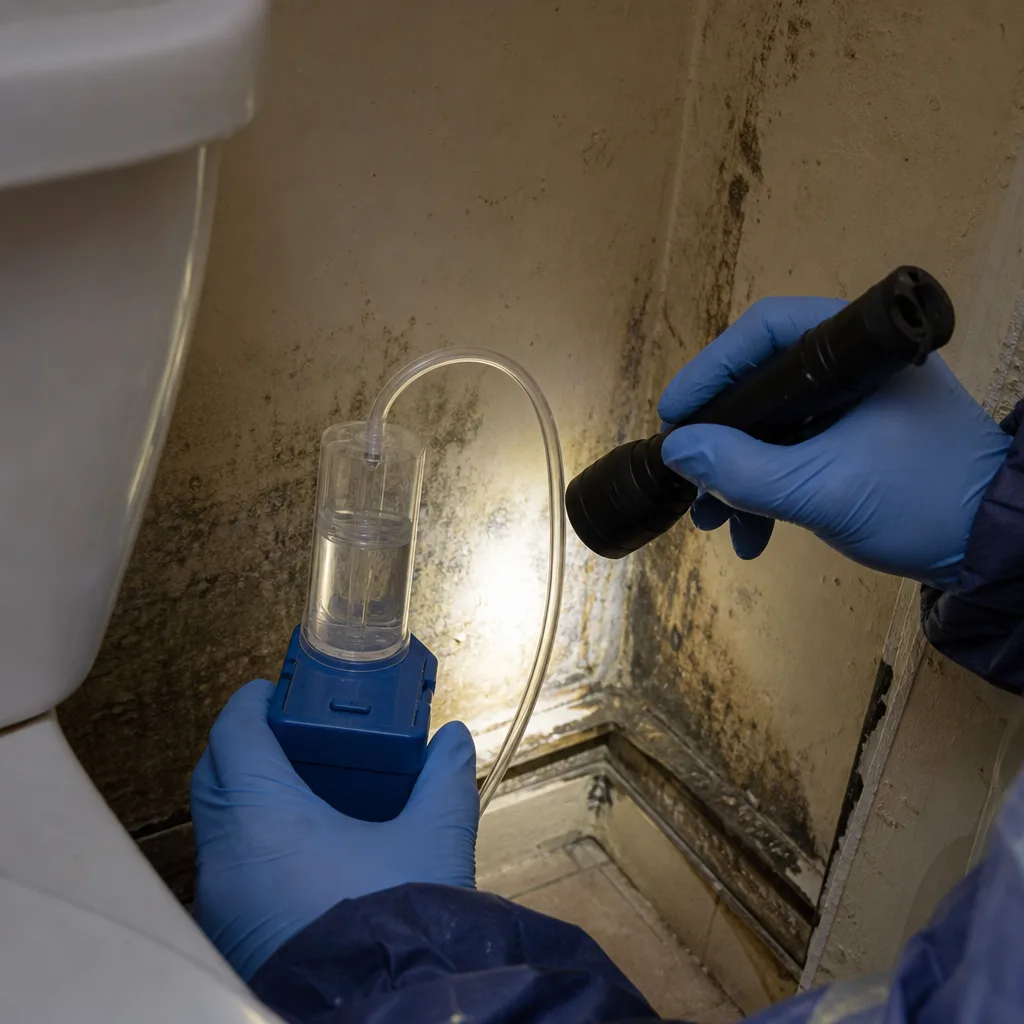
Within 24-72 hours of wetting, hyphae begin to penetrate substrate. The warning sign is a musty odor, which indicates microbial volatile organic compounds (MVOCs) at concentrations detectable by human olfaction. At this stage, surface sampling with tape lift or swab may show growth, but visual inspection appears clean. This is the critical intervention window. Mold remediation in Manhattan Beach at Stage 2 typically involves contained drying and surface treatment, not demolition.
Stage 3: Visible Colonization (Patchy to Continuous)
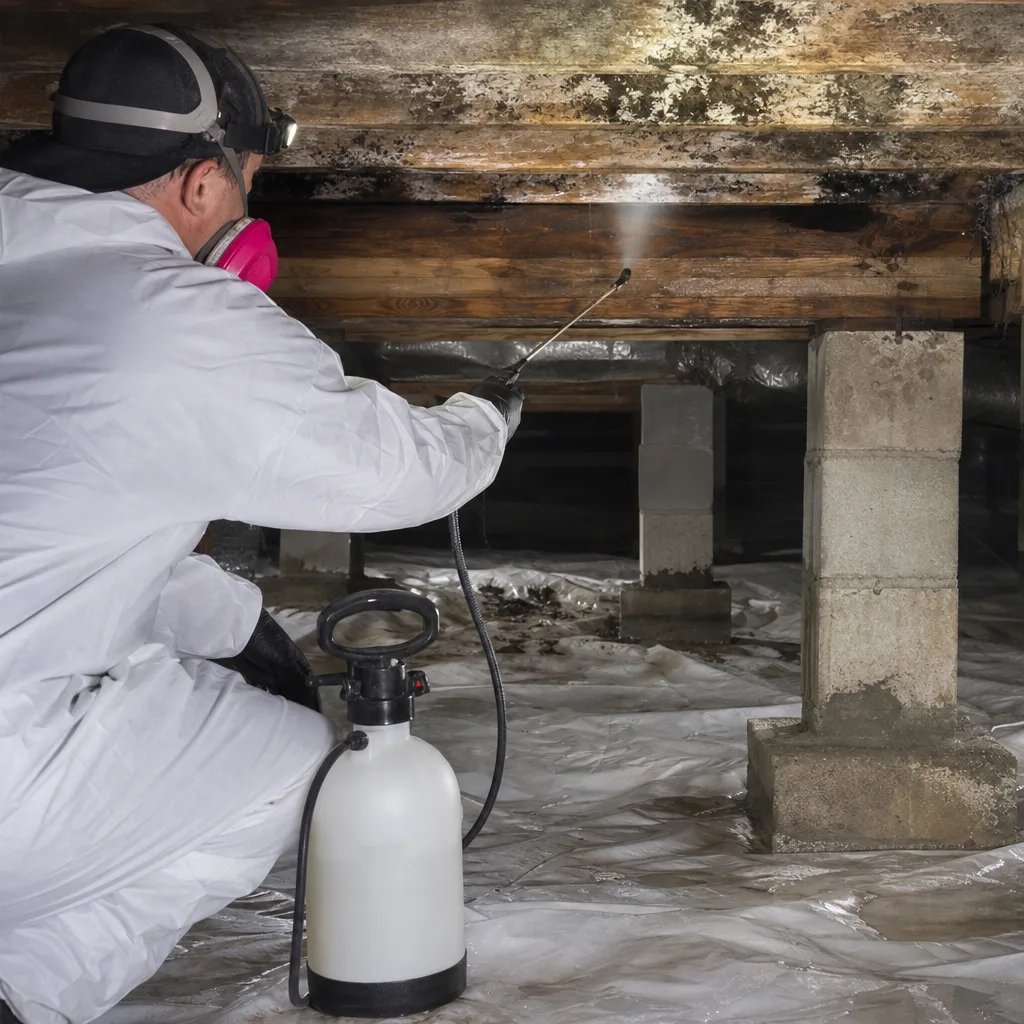
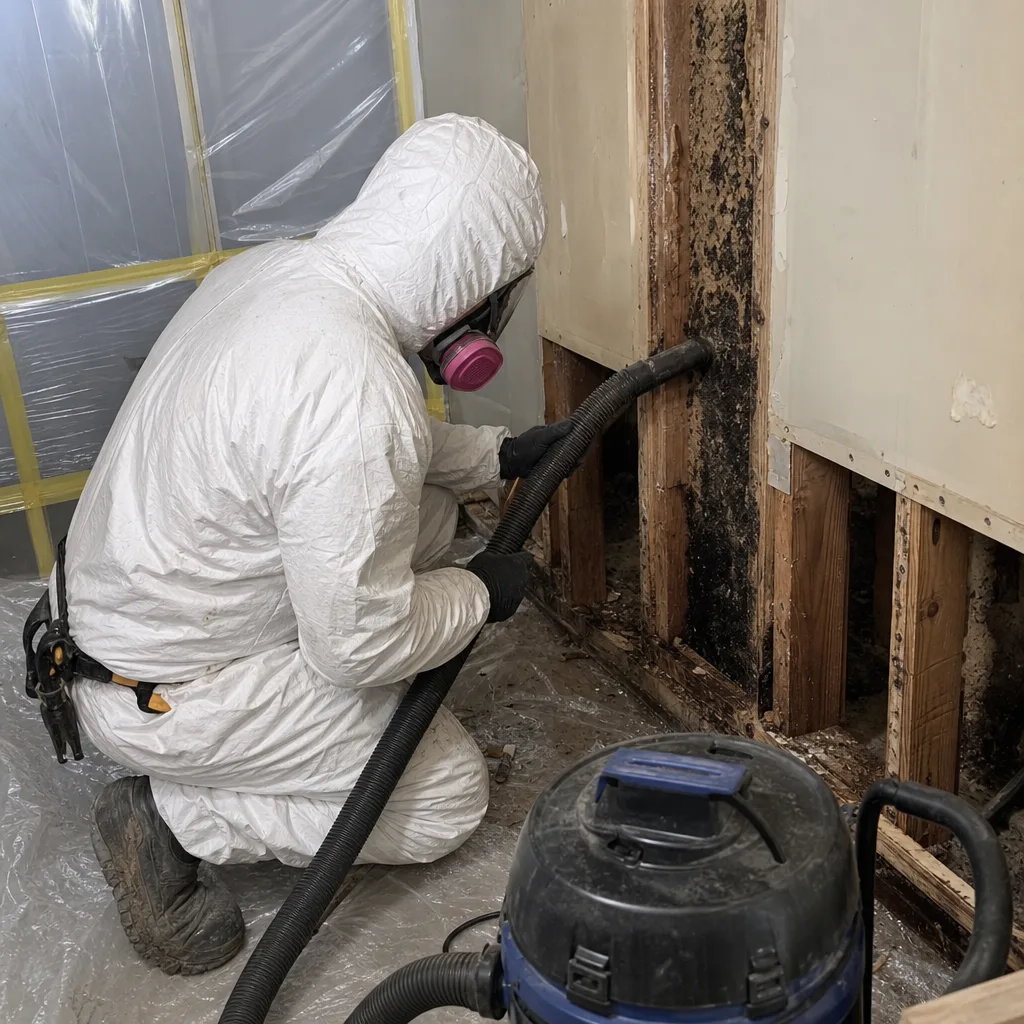
Discoloration appears: black, green, white, or orange depending on species. Common in Manhattan Beach: Aspergillus and Penicillium species on water-damaged drywall; Stachybotrys on chronically wet cellulose. The colony is producing spores in quantity. Remediation requires containment, negative air pressure, and removal of affected materials. Documentation at this stage must include air clearance sampling to demonstrate successful remediation.
Stage 4: Structural Infestation
Wood-destroying fungi, Serpula lacrymans (dry rot) or Meruliporia incrassata (poria), have colonized structural framing. The warning sign is wood that crumbles or fractures across grain, with a cubical pattern of decay. WME has been above 20% for extended period. This is reconstruction, not remediation. Insurance coverage often hinges on whether the moisture source was sudden and accidental versus long-term maintenance neglect.
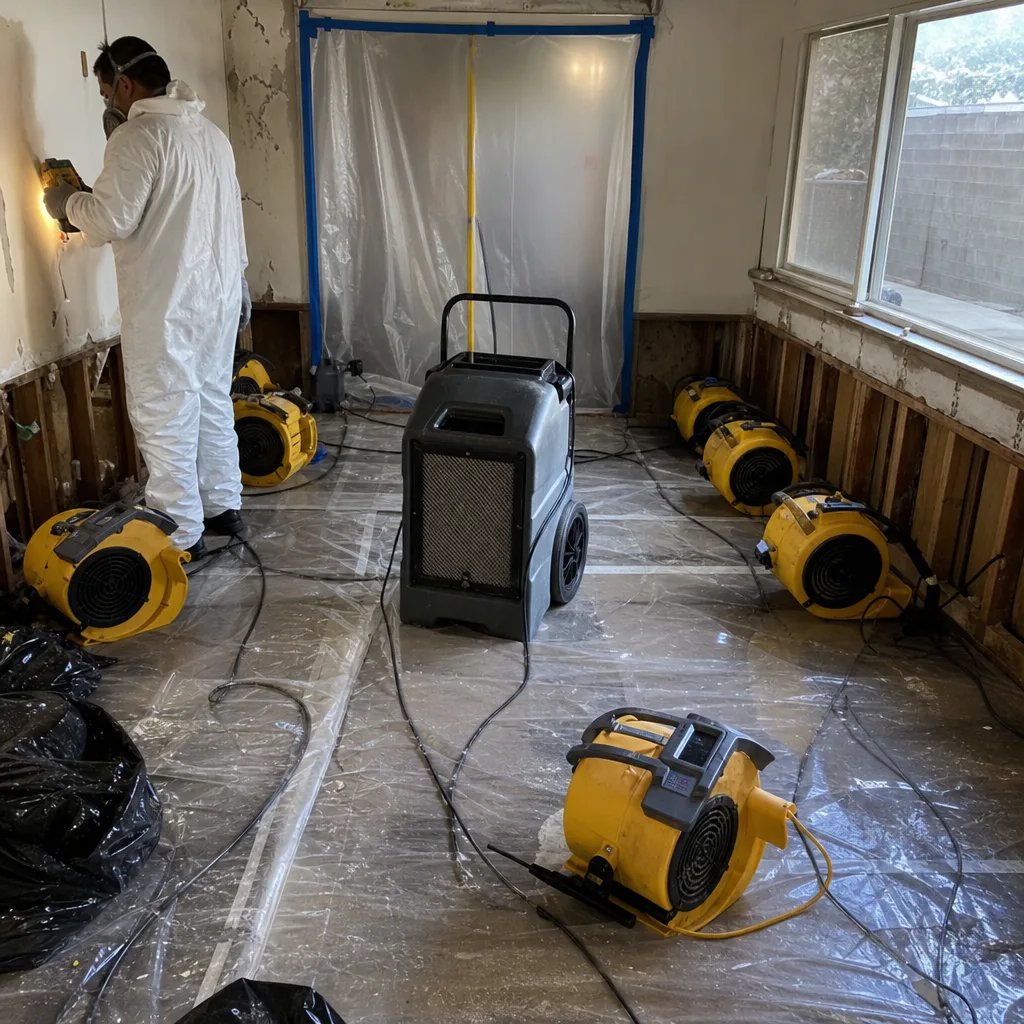
We use B-Air and Phoenix dehumidification systems, documented to IICRC S520 mold remediation standards, to establish and maintain containment. The drying logs we produce, with psychrometric data recorded every four hours, prove that conditions were controlled throughout the remediation. That documentation is what satisfies an adjuster that the job was done correctly, not just done.
Fire and Smoke Damage: The Hidden Indicators
Not all fire damage announces itself with flames. The warning signs of pre-loss conditions, and of hidden damage after a contained fire, require specific attention.
Pre-Event Warning Signs
Electrical: Discoloration around outlets or switches, particularly tan or brown staining on the cover plate or surrounding wall. This indicates resistive heating from loose connections. A thermal camera reveals the pattern before the fire starts. We recommend annual infrared electrical surveys for homes with aluminum wiring, common in 1960s-70s Manhattan Beach construction.
Heating Systems: Soot accumulation around furnace cabinet seams or flue connections. Roll-out flames visible through the viewport on a gas furnace. These are combustion safety failures, not just efficiency problems.
Kitchen: Grease accumulation on cabinet surfaces above the range, particularly on the undersides of upper cabinets. This is fuel loading. A flare-up from a stovetop fire that would otherwise self-extinguish becomes a cabinet fire when this residue is present.
Post-Event Hidden Damage
After a contained fire, homeowners often focus on the obvious char. The damage that drives long-term claims is what you can’t see:
- Smoke infiltration into wall cavities: Smoke follows pressure differentials and penetrates through electrical boxes, plumbing penetrations, and gaps at top and bottom plates. The warning sign is odor persistence in rooms distant from the fire origin, or discoloration at outlet covers when removed.
- HVAC contamination: If the system was operating during the fire, smoke-laden air circulated through ducts. The warning sign is odor recurrence when the system cycles, or particulate accumulation at supply registers. Cleaning the ducts without addressing the air handler and coil leaves the source intact.
- Corrosive residue: Synthetic materials (plastics, vinyl, urethane foam) produce acidic smoke residues that corrode metal surfaces over weeks. The warning sign is tarnishing on brass fixtures, pitting on chrome, or corrosion on circuit boards in electronics. This damage continues after the fire is out.
Fire and smoke damage restoration in Manhattan Beach requires documentation of all affected systems, not just the visible burn. We produce room-by-room photo records, material-specific cleaning protocols, and air quality clearance documentation that satisfies both the adjuster and the homeowner’s health concerns.
Our Injectidry systems allow us to deliver heated, filtered air into wall cavities and structural voids without demolition, addressing smoke infiltration that would otherwise require extensive tear-out. The drying logs document temperature, RH, and air changes per hour, proving that the treatment was effective.
How to Log and Photograph a Warning Sign for Insurance
An unmeasured warning sign is a story. A documented warning sign is evidence. Here’s the protocol we teach homeowners who want to protect their coverage position.
Step 1: Establish Baseline Documentation
Before any event occurs, photograph your home’s current condition. Focus on:
- Water heater installation date and condition of pan/drain
- HVAC filter condition and last service date
- Visible plumbing, particularly at washing machine hoses and refrigerator supply
- Roof condition from ground level, with date stamp
- Foundation perimeter, showing grade and drainage
Store these with cloud backup and local copy. They’re your “before” evidence if a claim is disputed.
Step 2: When You Observe a Warning Sign, Record These Elements
- Timestamp: Use a camera or phone with automatic date/time stamp enabled. Screenshot the metadata.
- Location: GPS tag if possible, or note room, wall orientation, and nearest landmark (outlet, window, fixture).
- Measurement: If you have a moisture meter, record the reading, the material tested, and the meter model. If not, describe the affected area in measurable terms: “stain 8 inches wide at baseboard, extending 14 inches vertically.”
- Context: Photograph wide enough to show the warning sign in relation to the room. Then close-up to show detail. Then the source if identifiable: the window above, the pipe penetration, the roof line.
- Conditions: Note recent weather, any plumbing use, HVAC status, anything that might explain the observation.
Step 3: Create a Written Record
Email the photos and notes to yourself or a trusted contact. This creates a timestamped record independent of your device. Include:
- Your name and the property address
- Date and time of observation
- What you observed, in specific terms
- What you did in response (called plumber, placed dehumidifier, etc.)
Step 4: Professional Assessment
When you call DryMark Restoration Manhattan Beach at (213) 699-3658, we document under The Haven Standard: written price before work begins, photo record on every visit, daily drying logs with moisture readings. If you’re still evaluating contractors, see our How to Hire a Damage Restoration Contractor in Manhattan Beach: A Step-by-Step Guide. Our documentation becomes part of your claim file, with the chain of custody that insurers require.
The moisture meters we use, calibrated to manufacturer specifications and checked against known standards, produce readings admissible in claim disputes. The RIA and IFA documentation standards we follow are the same ones insurance companies use to evaluate contractor performance. Your initial log, combined with our professional assessment, builds a timeline that “sudden and accidental” is easier to defend.
Cosmetic vs. Structural Warning Signs and California Disclosure Law
Not every warning sign creates a legal obligation. Some do. Understanding the difference protects you in transaction and in claim.
Cosmetic warning signs affect appearance and function but not structural integrity. Examples: minor water staining on ceiling drywall that has dried and been repainted; efflorescence on garage floor that brushes away; single cracked tile from impact. These are typically addressed in routine maintenance and do not trigger disclosure requirements if remediated.
Structural warning signs indicate actual or potential compromise of load-bearing capacity or weathertightness. Examples: sagging ceiling or floor members; WME above 20% in structural framing; foundation cracks with displacement; active fungal infestation in load-bearing members. Under California Civil Code Section 1102, these are material facts that must be disclosed in residential real estate transactions, even if repaired.
The gray zone is where most homeowners get into trouble. A water stain that has been painted over, with no current moisture issue, is arguably cosmetic. But if that stain resulted from a roof leak that also wet the insulation and rafters, and those rafters were not inspected for elevated WME, the repair may be incomplete and the underlying condition structural. We’ve inspected many Manhattan Beach homes where a “cosmetic” repair concealed structural decay that became the seller’s liability after closing.
Our recommendation: before listing a Manhattan Beach home, or before accepting a disclosure statement when buying, have a restoration professional assess any history of water intrusion with moisture mapping of surrounding assemblies. The cost of this assessment is minor compared to post-sale litigation or claim denial.
The Haven Standard, Clause 1 applies: written price before any work begins. An assessment is not a commitment to remediation. It’s documentation of condition, which you can use for disclosure, for negotiation, or for your own maintenance planning.
When a Warning Sign Triggers Your Policy’s Duty-to-Mitigate Clause
Every homeowner’s policy in California contains a duty to mitigate, sometimes called a duty to protect property from further damage. This clause is where coverage lives or dies, and warning signs are the trigger.
The language varies by carrier, but the core obligation is consistent: when you know or should know that damage is occurring or likely to occur, you must take reasonable steps to prevent it from worsening. Failure to mitigate can reduce or void coverage for the loss.
Here’s how warning signs interact with this clause:
- Observed warning sign + no action + damage worsens: Partial or full denial. The insurer argues you had notice and failed to act.
- Observed warning sign + documented professional assessment + followed recommendations: Coverage preserved. You met the duty even if damage ultimately occurred.
- Warning sign not observable by reasonable inspection + damage discovered later: Coverage typically honored. The “should have known” standard applies to what a reasonable homeowner would detect.
The “reasonable homeowner” standard is where documentation matters. A musty smell in a closet is arguably something a reasonable homeowner might notice and dismiss. A moisture meter reading of 19% WME at the base of that closet wall, logged with date and photo, is something a reasonable homeowner would act on, and acting on it means calling a professional.
In Manhattan Beach, we’ve seen duty-to-mitigate disputes center on:
- Roof leaks: Stains visible for months before ceiling collapse. Insurer denies interior damage as failure to mitigate.
- Window leaks: Track corrosion and sill staining ignored through multiple winters. Wall cavity damage denied.
- Slab moisture: Sand migration at perimeter noted but not investigated. Flooring and baseboard damage denied.
- HVAC condensate: Drain pan overflow with visible rust on cabinet. Cabinet and subfloor damage denied.
The documentation protocol described earlier, combined with prompt professional assessment, is your defense against these denials. We provide written scopes with IICRC-standard moisture mapping, creating a record that you met your duty the moment you had notice.
Our live phone coverage, 24 hours a day, 7 days a week, means you can begin meeting that duty immediately. No voicemail, no next-business-day callback while water continues to move through your walls.
Common Mistakes to Avoid
- Relying on visual inspection alone. By the time you see water damage, framing may be at 20% WME or higher. Use a moisture meter or call for professional measurement. In Manhattan Beach’s stucco-heavy housing stock, exterior damage is often invisible from inside until it’s extensive.
- Assuming dry means safe. Materials can reach safe moisture levels and still harbor dormant mold spores that reactivate with the next humidity spike. We see this in homes that “dried out” after a leak but never had proper dehumidification and air filtration.
- Ignoring seasonal patterns. That winter condensation on aluminum frames isn’t a quirk of cold weather. It’s a pressure differential indicating air leakage and potential cavity moisture. We inspect dozens of Manhattan Beach homes each spring where winter condensation led to spring mold blooms.
- Accepting “mold-resistant” as mold-proof. Mold-resistant drywall is paperless or treated; it’s not impervious. Sustained moisture above 60% RH will colonize any organic surface, including dust on tile or glass. The substrate matters less than the environment.
- Documenting without context. A photo of a water stain is weak evidence. A photo with timestamp, location, surrounding conditions, and moisture reading is strong evidence. We teach homeowners to take the strong version, and we produce nothing less on our professional assessments.
- Delaying professional assessment for cost concerns. DryMark Restoration Manhattan Beach provides free estimates. The cost of documentation is zero; the cost of undocumented damage is often thousands in uncovered repairs. Haven Standard, Clause 1: written price before work begins, so you know the scope before committing.
When to Call a Professional
Call when you have a warning sign that exceeds the thresholds in this guide: WME above 16% in any structural material, RH sustained above 60% in conditioned space, visible efflorescence beyond Stage 1, any musty odor that persists after source removal, or any warning sign that you’re unsure how to assess. Call immediately if you have active water intrusion, sewage backup, or fire damage; speed on mitigation topics limits the scope and preserves coverage.
For reconstruction and rebuild work, we schedule and scope in writing like any professional construction project. Same-day service applies to mitigation, not to full reconstruction.
DryMark Restoration Manhattan Beach offers free estimates in Manhattan Beach. Call (213) 699-3658. Every assessment includes moisture mapping, photo documentation, and a written scope with price before any work begins. We also provide a free second opinion on any competitor’s written estimate, with no obligation.
Frequently Asked Questions
Wood moisture equivalent above 16% indicates active decay conditions where water damage restoration should begin; below 12% is normal, and 12-16% is the intervention window where addressing the source is cheapest. The specific material matters: drywall at 1% over manufacturer spec can support mold, while concrete can read higher without structural concern. We measure with calibrated meters and interpret against material-specific thresholds per IICRC standards.
Coverage depends on whether you met your policy’s duty-to-mitigate. If you observed a warning sign, documented it, and took reasonable steps, including professional assessment, coverage is typically preserved. If you observed a warning sign and took no action for an extended period, the insurer may deny or reduce the claim as failure to mitigate. The key is documentation: a logged moisture reading with timestamp proves you acted on notice, not ignored it.
Our emergency lines are answered by a live person 24 hours a day, 7 days a week, with no voicemail trees. For active water intrusion, fire damage, or sewage backup, we dispatch for same-day assessment. Reconstruction and non-emergency work is scheduled and scoped in writing, typically within 48 hours of contact. Call (213) 699-3658 to confirm current availability.
Visible mold on a small, non-porous surface in a contained area may be addressable with proper PPE and cleaning protocol. But visible mold is often the indicator, not the full extent; we frequently find additional colonization in wall cavities, HVAC systems, or subflooring. Professional assessment with moisture mapping and air sampling determines the actual scope. For Manhattan Beach homeowners, we offer free estimates that include this assessment, with a written scope and price before any remediation begins.
Our documentation is produced to the standards that satisfy claims adjusters: daily drying logs with psychrometric data, room-by-room moisture readings with meter model and calibration date, timestamped photo records on every visit, and a written scope with price before work begins under Haven Standard, Clause 1. Many competitors provide a final invoice and perhaps a few photos. We produce the record that turns a disputed claim into a paid one, because our founder built this company after seeing how documentation gaps cost homeowners their coverage.
Marine layer moisture, salt-laden air, and sandy soils create conditions inland guides miss: weep screed staining on stucco from salt accumulation, accelerated corrosion on metal components that indicates moisture infiltration, and sand migration at slab perimeters that traces subsurface water movement. RH baselines run higher here than inland, so what reads as “slightly elevated” in a generic guide may be normal for Manhattan Beach, and what reads as “normal” may actually indicate a problem. Local calibration matters, and our 12,000+ jobs since 2011 provide that baseline.
The Bottom Line
Warning signs are only as valuable as the documentation behind them. A homeowner in Manhattan Beach who logs a moisture reading of 18% WME at a weep screed line, with timestamp, photo, and meter model, is in a stronger insurance position than one who smells mold two months later and has only a story. The thresholds in this guide, 16% WME, 60% RH, Stage 2 efflorescence, give you measurable criteria. The documentation protocol gives you evidence. And the professional assessment, with written price before work begins under Haven Standard, Clause 1, gives you a path from warning to resolution that an insurer will pay for.
We’ve been documenting Manhattan Beach homes this way since 2011. The 365-Day Done Right Promise means if it’s not done right, we make it right, with the photo record and drying logs to prove what right looks like.
Written by Alicia Brennan, Owner at DryMark Restoration Manhattan Beach, serving Manhattan Beach since 2011.