
Last updated September 23, 2026
Free visual inspection and a written scope of work before any mitigation begins - photos, moisture readings, and drying logs go in your claim file
The scope we write is the scope we bill. Anything new gets shown to you, in writing, before we touch it.
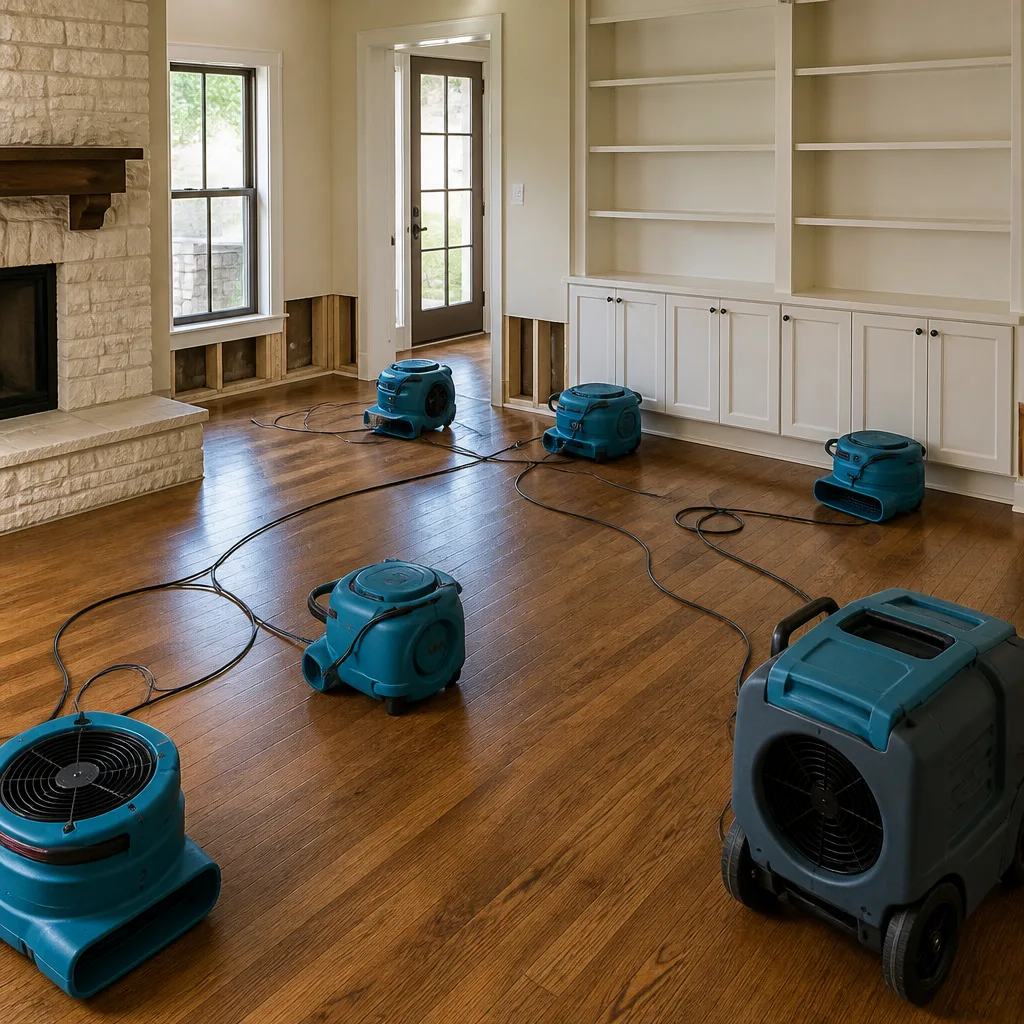
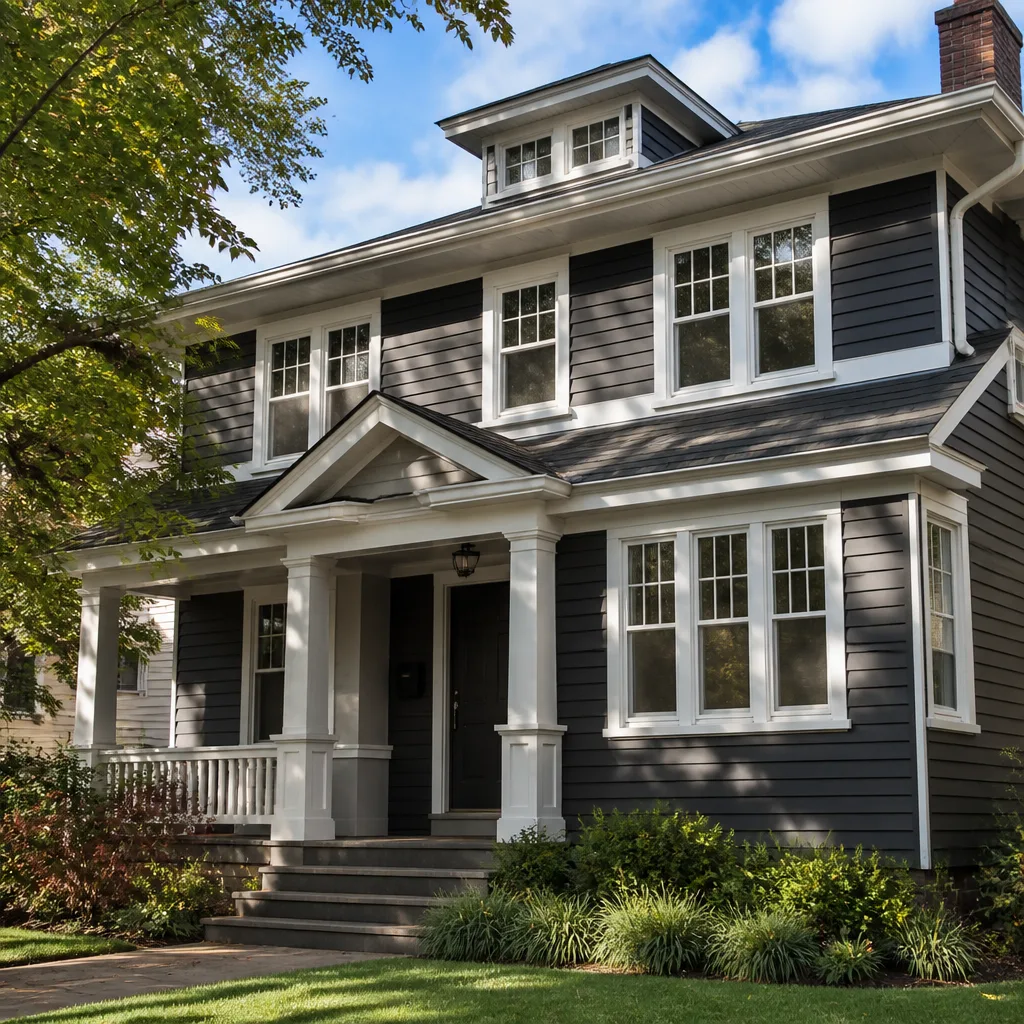
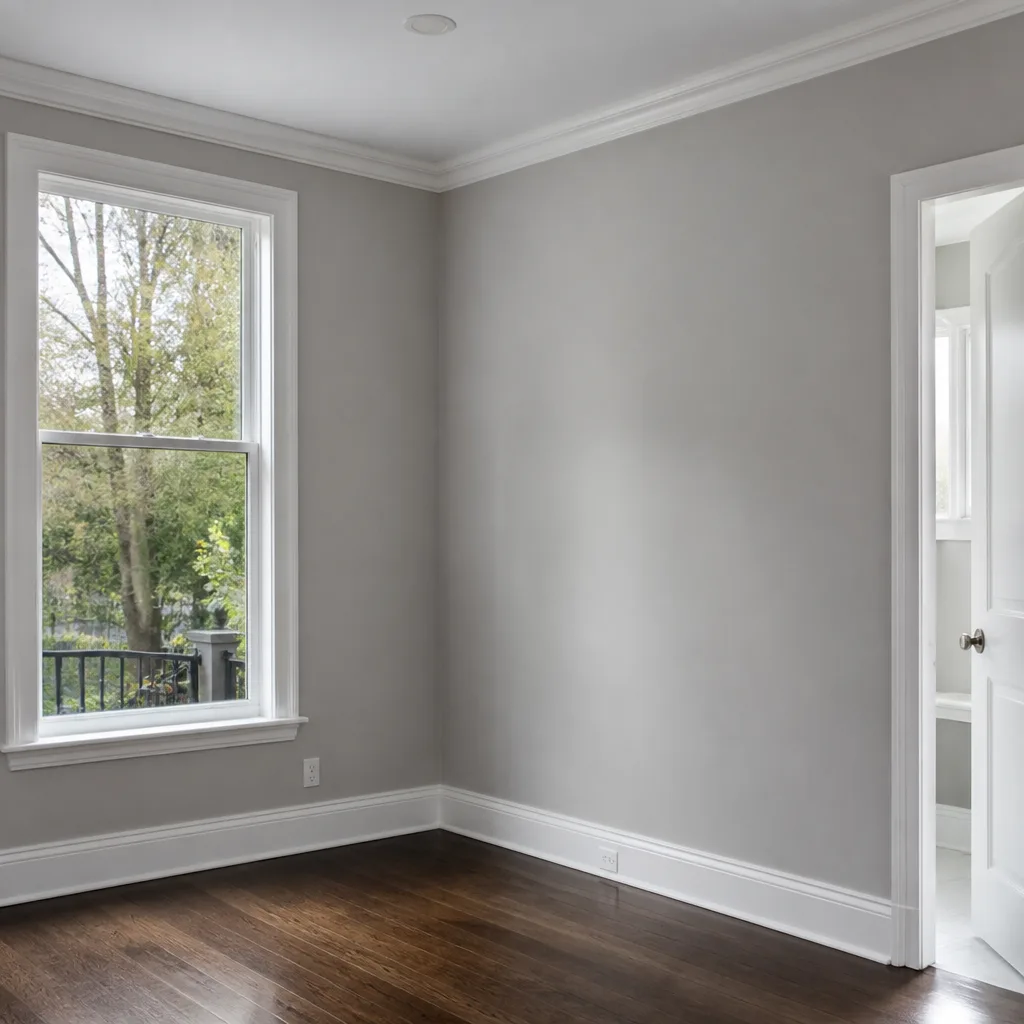
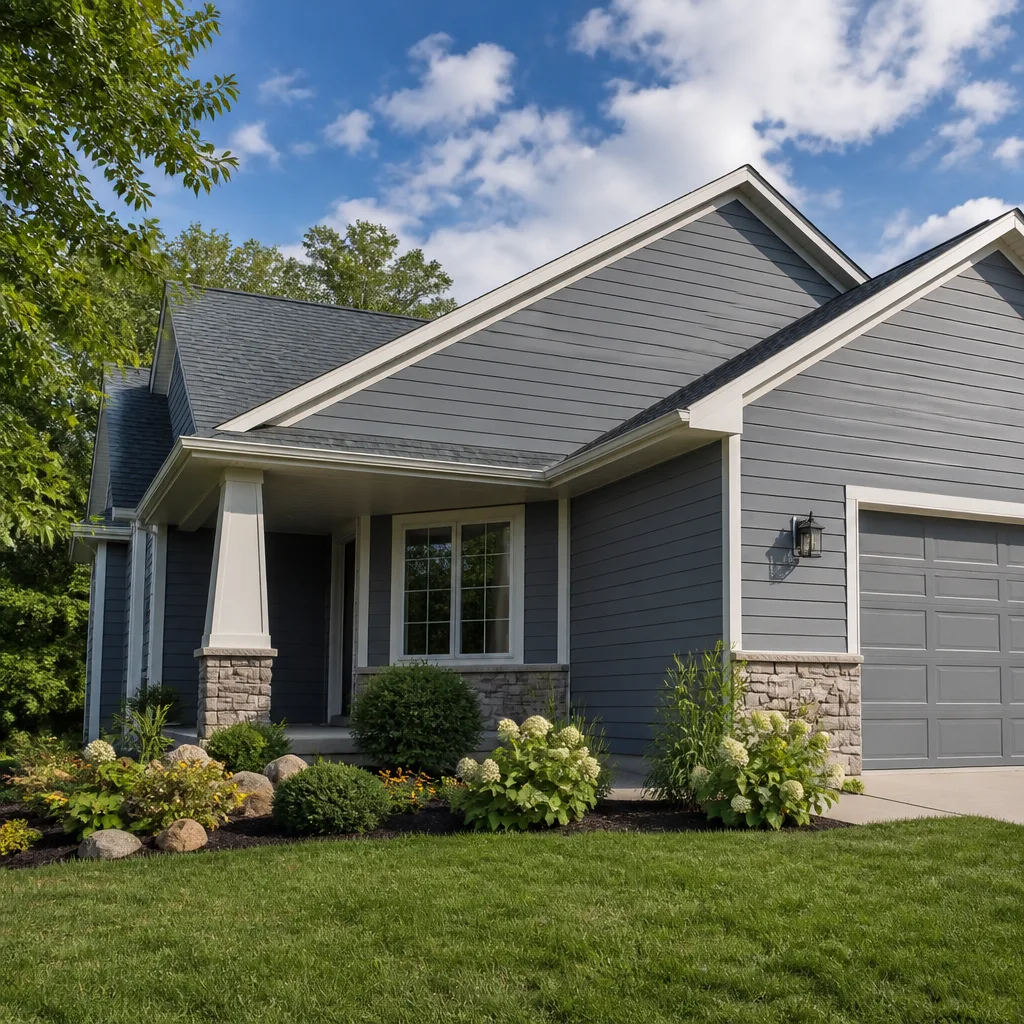
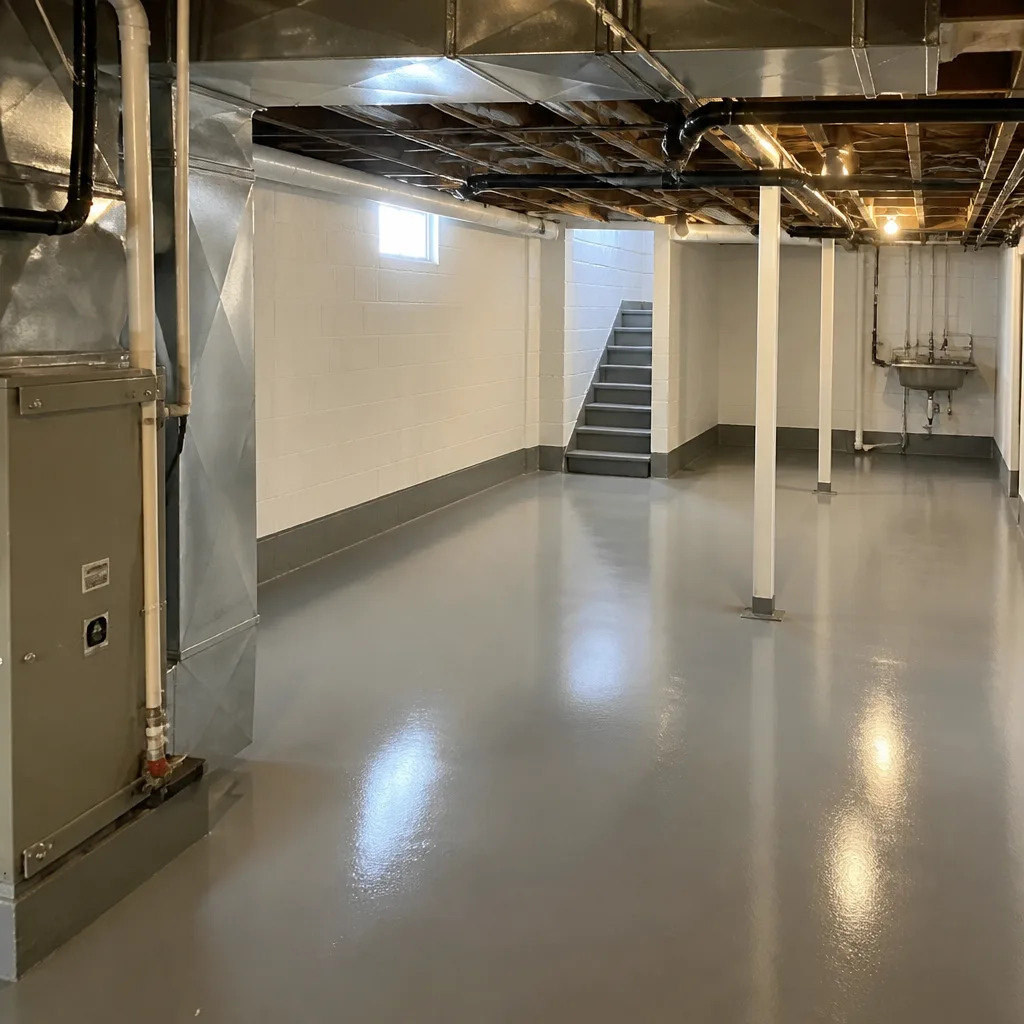
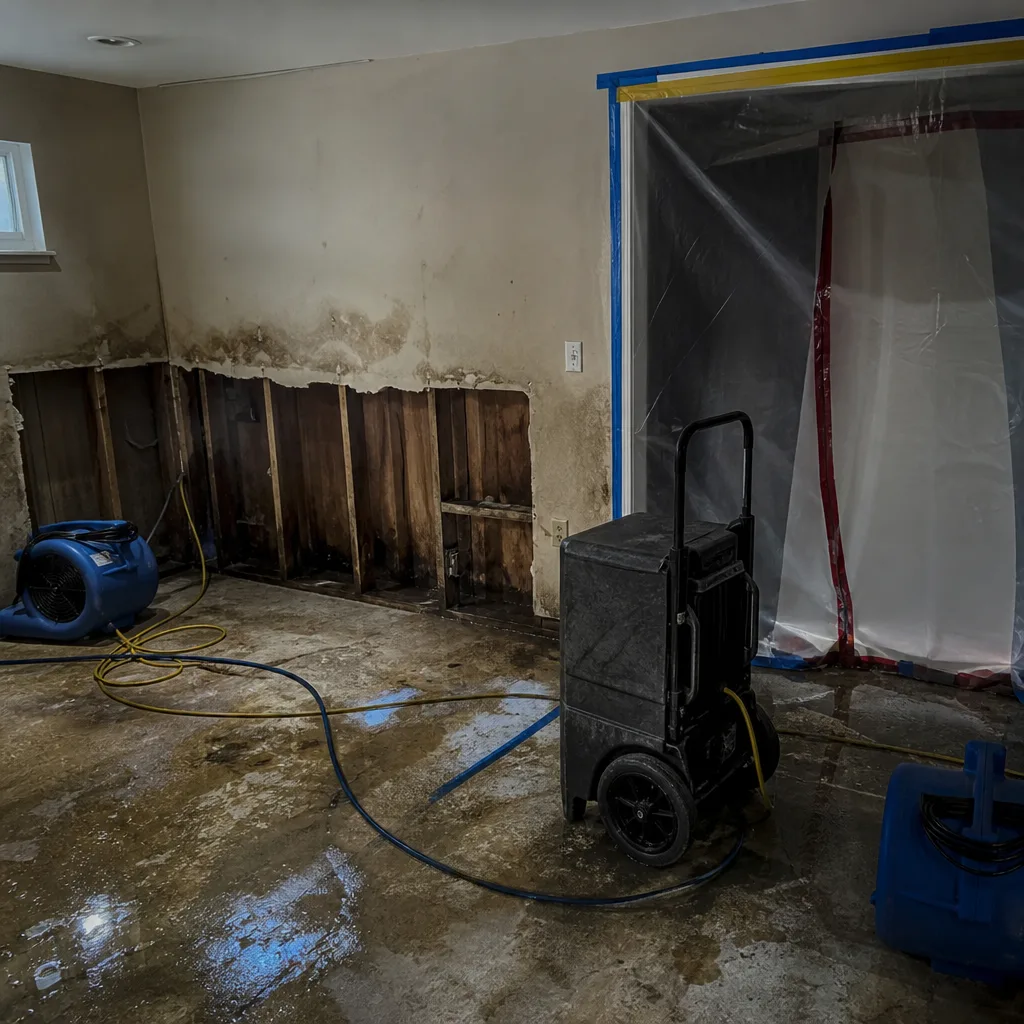 Before
 After
After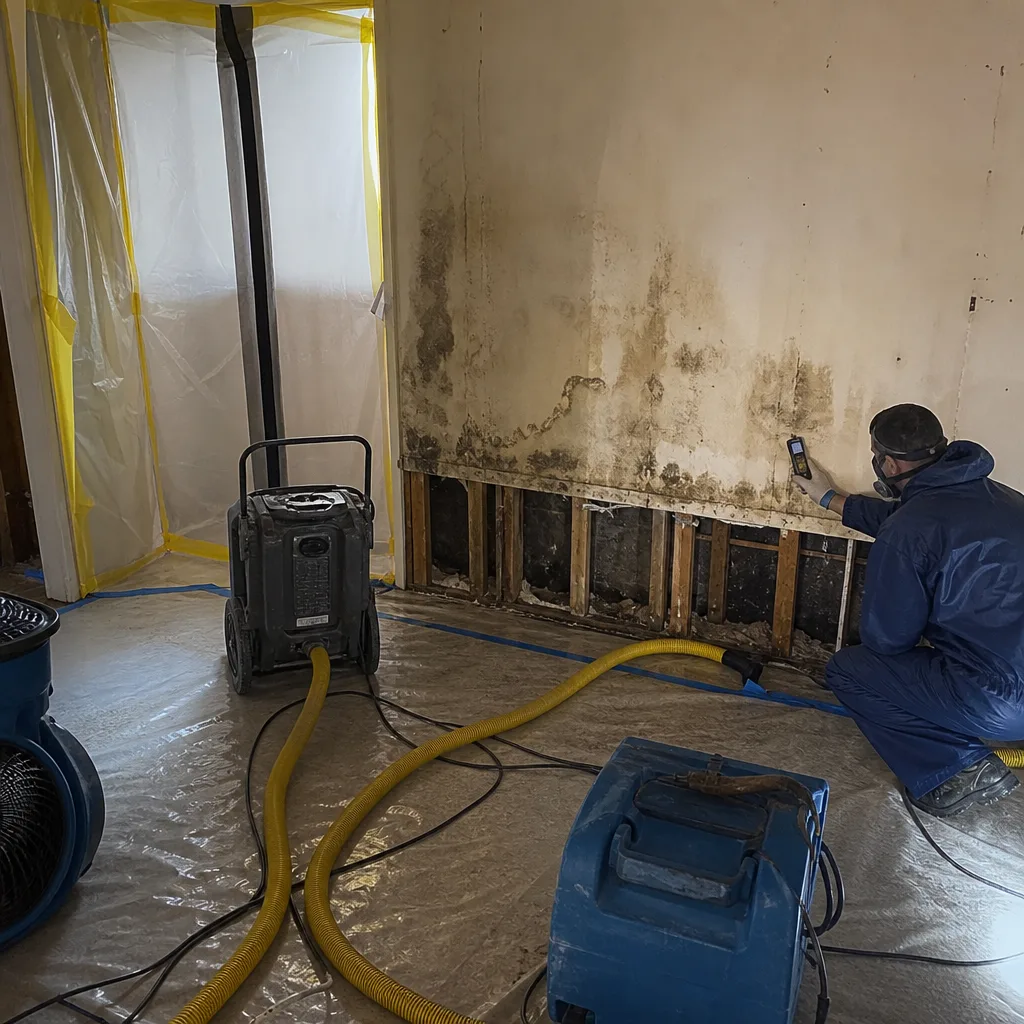 Before
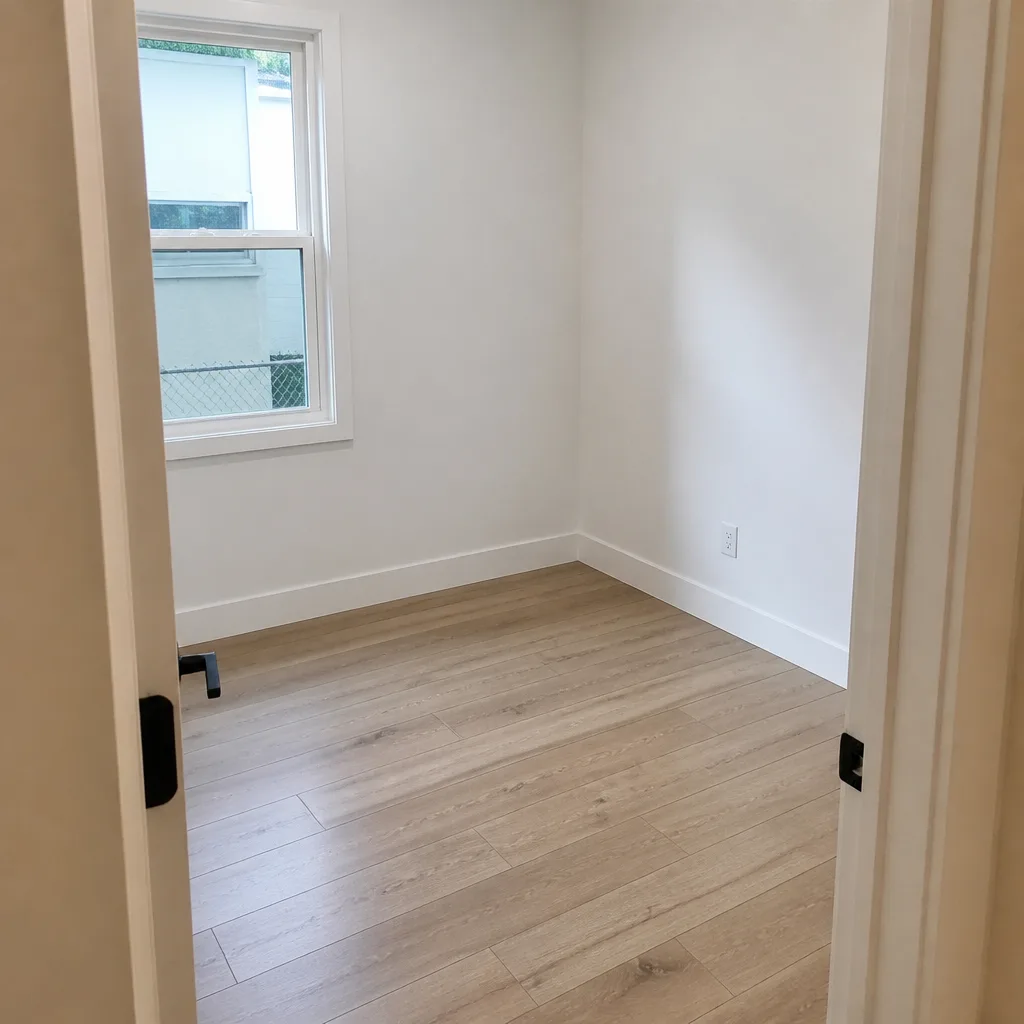 After
After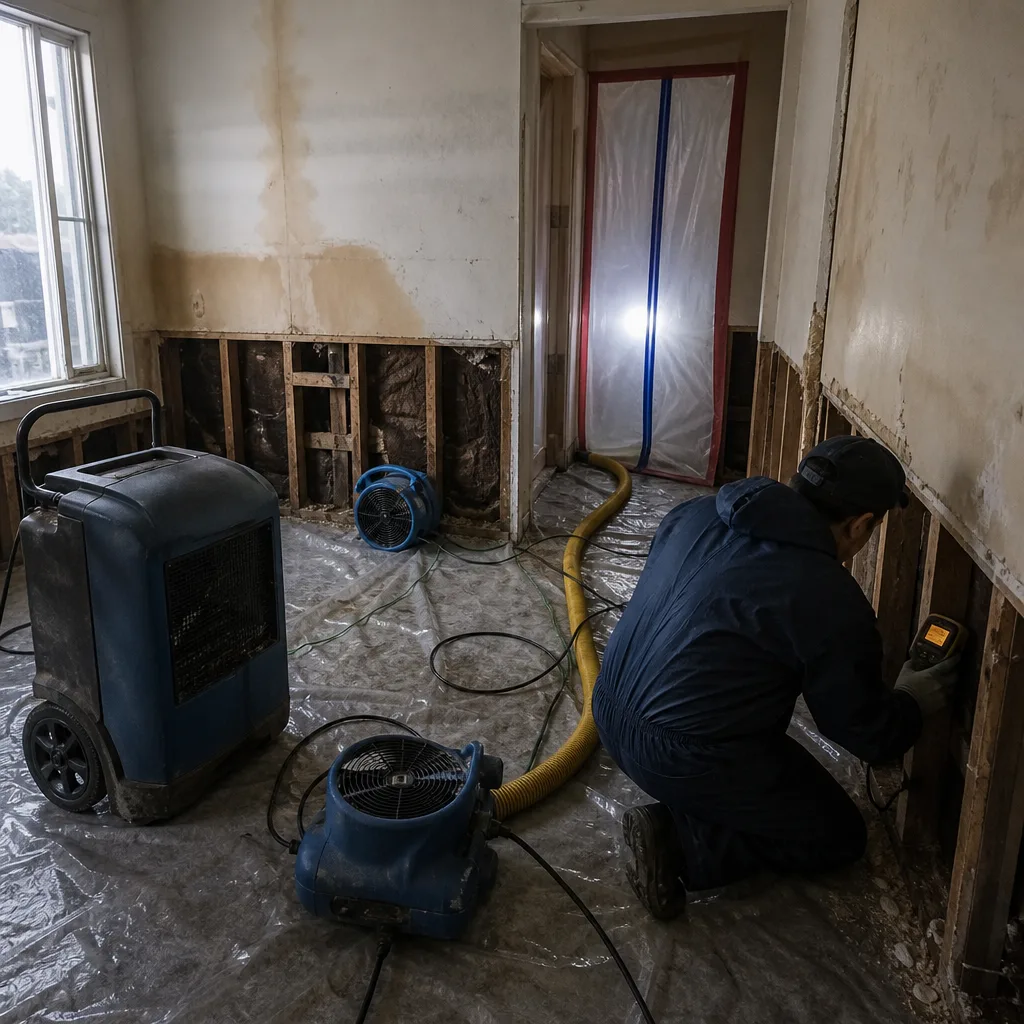 Before
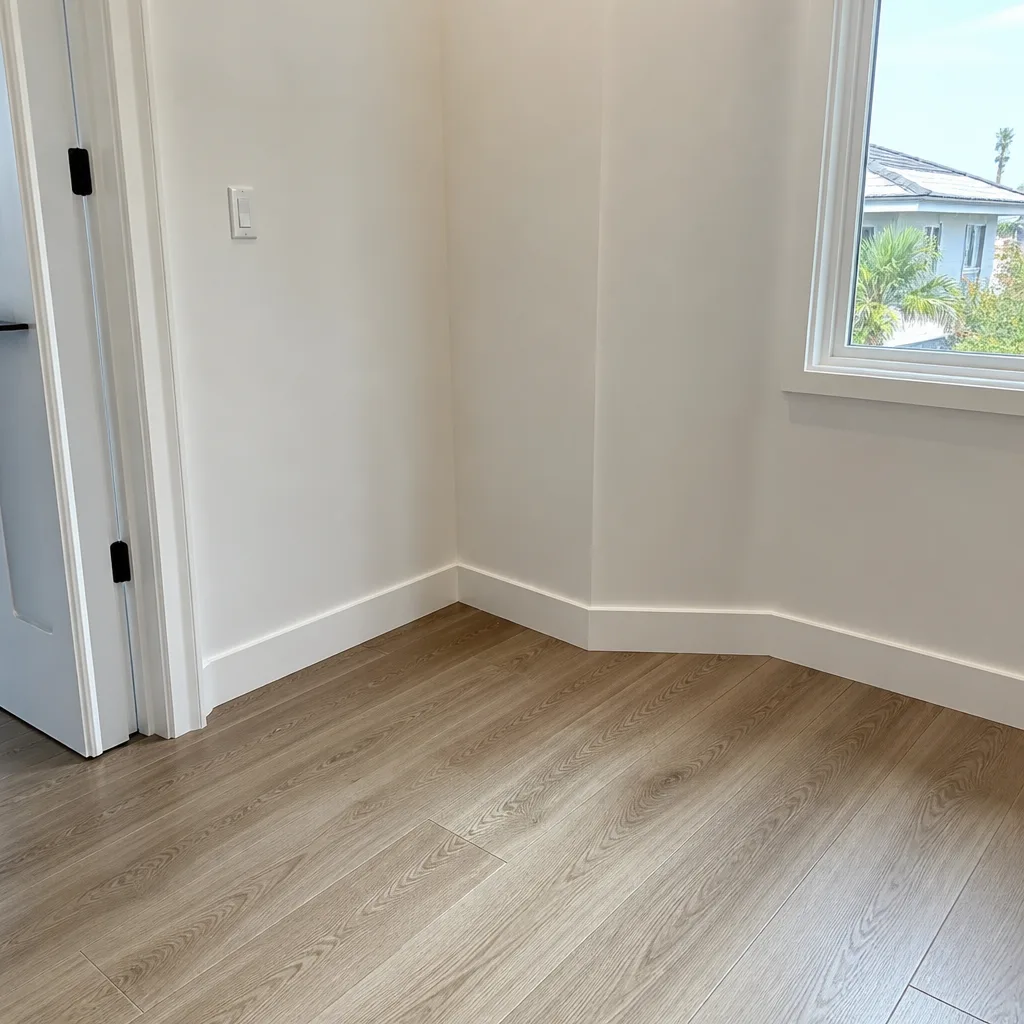 After
AfterHow to Hire a Damage Restoration Contractor in Manhattan Beach: A Step-by-Step Guide
In California, a restoration contractor can legally begin work under a signed authorization form without providing a line-item estimate - and some build their entire business model around that gap. The most dangerous moment isn’t signing the contract. It’s the first 20 minutes on-site, when a crew with no written scope and a verbal price range starts demo work that creates a change-order ladder no homeowner can climb off. We’ve seen it in Manhattan Beach homes from the Sand Section to the Tree Section: a $3,200 emergency dry-out that ballooned to $14,000 because the homeowner never received the four documents that should have existed before the first tool was unpacked. This guide shows you exactly what those documents are, how to verify them, and the specific questions that separate a documentation-first contractor from one who treats your claim as a revenue target. For a broader overview, see The Complete Guide to Damage Restoration in Manhattan Beach.
Quick Answer
To hire a damage restoration contractor in Manhattan Beach safely, demand four documents before any work begins: a written scope of loss, a line-item estimate, a signed authorization with a not-to-exceed clause, and proof of a current CSLB license in the correct classification. Verify that the IICRC-certified technician named on the estimate is the same person who arrives on-site, and never sign an assignment-of-benefits agreement without understanding that it transfers your negotiating leverage to the contractor.
Table of Contents
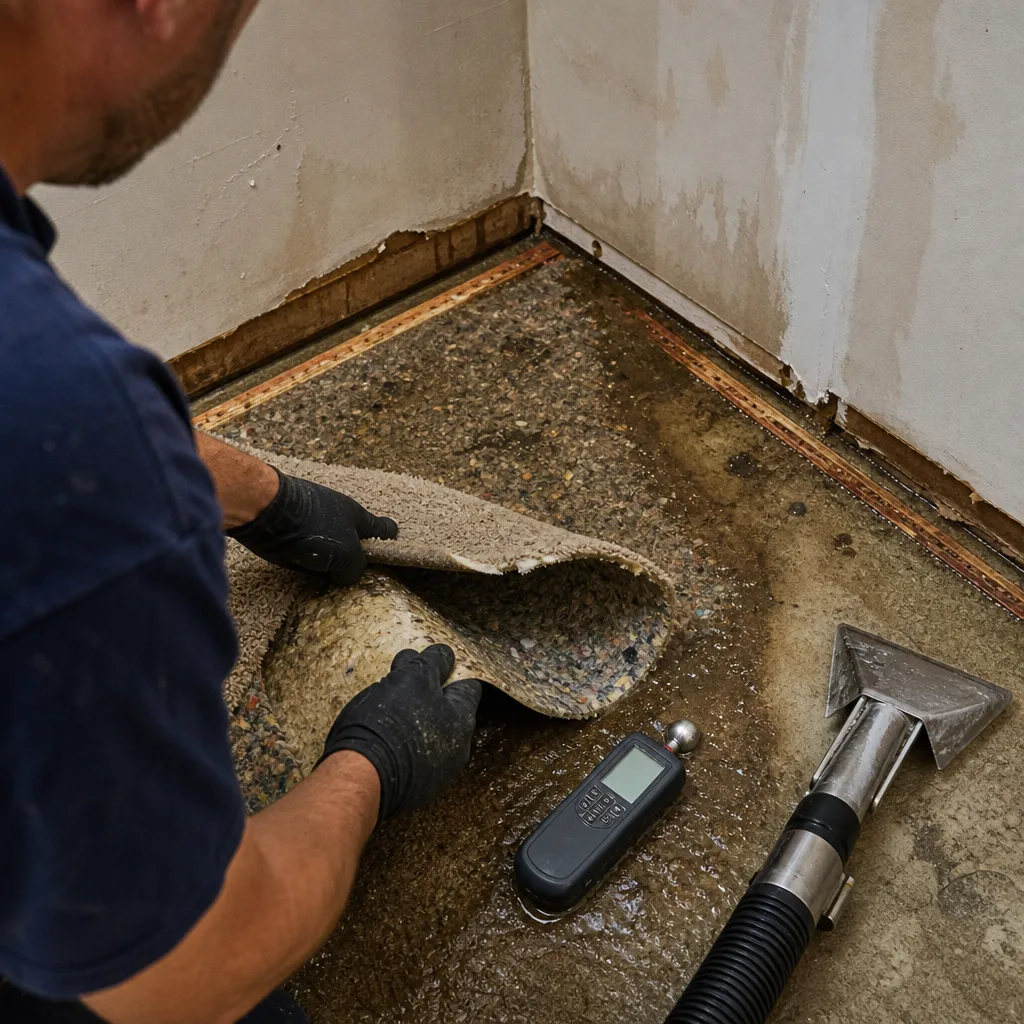
- The Four Documents That Must Exist Before Work Begins
- How to Verify a CSLB License and Why the Classification Matters
- Checking IICRC Certification: Company vs. Technician
- What a Proper Daily Drying Log Looks Like
- Red Flags: Post-Storm Surge Contractors in Manhattan Beach
- Assignment of Benefits: What You’re Really Signing
- Common Mistakes to Avoid
- When to Call a Professional
- Frequently Asked Questions
- The Bottom Line
 Before
 After
AfterThe Four Documents That Must Exist Before Work Begins
Every restoration job in Manhattan Beach starts with moisture, but it should start with paper. These four documents protect you from scope creep, billing disputes, and the documentation gaps that give insurance carriers grounds to deny portions of your claim.
1. Written Scope of Loss
This is a room-by-room inventory of what is wet, what is damaged, and what must be removed, dried, or replaced. A proper scope for a Manhattan Beach home should specify:
- The affected square footage by room, measured with a moisture meter
- Material classifications: Category 1 (clean water), Category 2 (gray water), or Category 3 (black water)
- Class of destruction: Class 1 (minimal absorption) through Class 4 (deep saturation in low-permeance materials like plaster or hardwood)
- Psychrometric data: the target temperature, relative humidity, and specific humidity for each drying zone
Psychrometric data is simply the measurement of how much moisture air can hold at a given temperature. Without these numbers, a carrier can argue that drying continued longer than necessary. We’ve seen carriers in Los Angeles County reduce payouts by 30% when the scope lacks specific humidity targets.
2. Line-Item Estimate
Not a “range.” Not a “ballpark.” A line-item estimate with unit costs for each task, material, and equipment day. In Manhattan Beach, where labor rates run 15-20% above the national average due to coastal cost-of-living adjustments, the estimate should reflect local pricing. A typical water damage dry-out in Manhattan Beach ranges from $2,800 for a contained Class 1 kitchen leak to $8,500 for a Class 3 whole-house event with hardwood flooring saturation. Each line item should reference Xactimate or a comparable pricing database accepted by major carriers.
3. Signed Authorization with Not-to-Exceed Clause
The authorization to begin work must include a not-to-exceed (NTE) dollar amount. This is your ceiling. Without it, the contractor can bill whatever the final invoice states, and your recourse is limited to small claims court or Department of Insurance complaint. At DryMark Restoration Manhattan Beach, we operate under Haven Standard, Clause 1: a written price before work begins, every time, with no exceptions. The NTE is that written price.
4. Proof of CSLB License in Correct Classification
We’ll cover verification in the next section, but the document itself must be current, active, and in the classification matching your job scope. A C-33 (Painting and Decorating) license does not authorize structural drying or demolition. A C-20 (Warm-Air Heating, Ventilating, and Air-Conditioning) license covers HVAC-related moisture but not general water damage restoration. For full-service restoration including reconstruction, the contractor needs a B (General Building) license or must subcontract the B-licensed work with that subcontractor named on your estimate.
Ask for these four documents before the truck is unpacked. Any contractor who resists - who says “we can get to paperwork after we stop the water” - is telling you exactly how your claim will proceed.
How to Verify a CSLB License and Why the Classification Matters
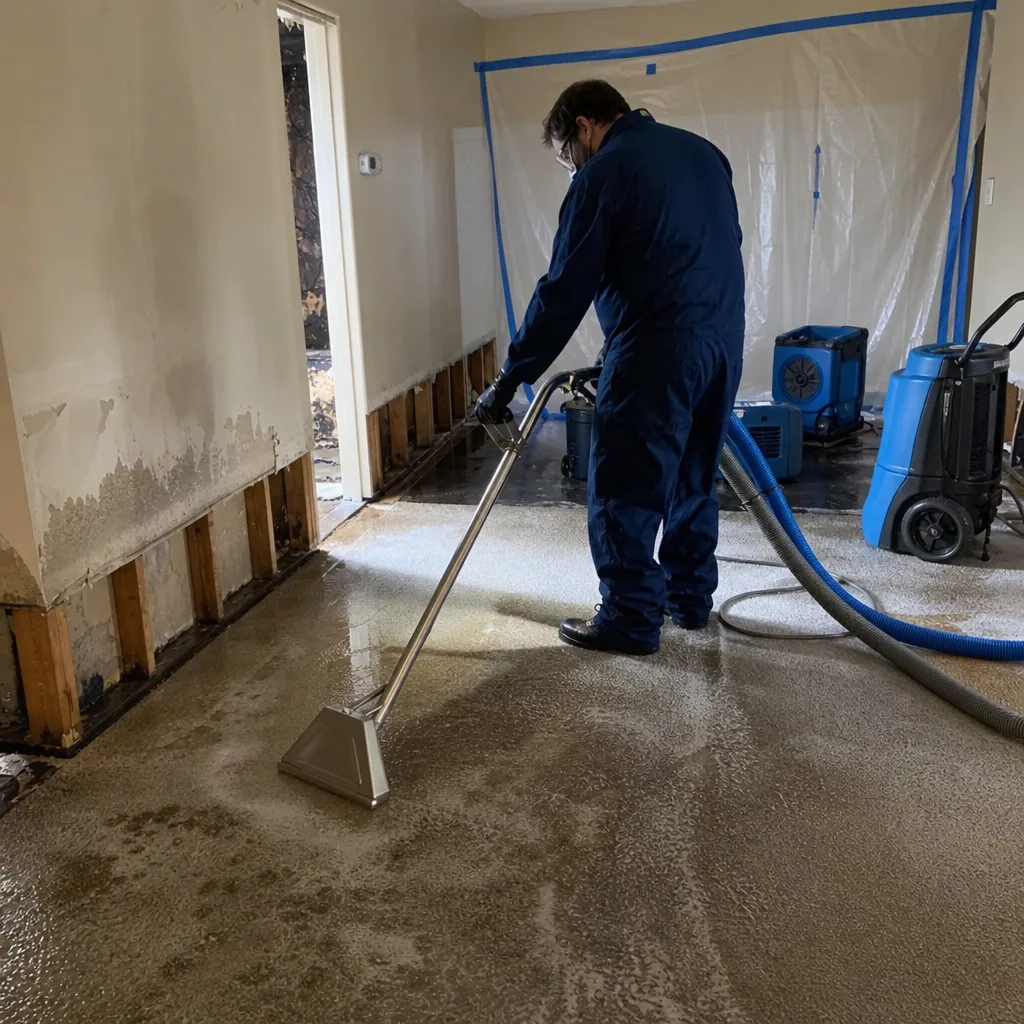
California’s Contractors State License Board maintains a public database at cslb.ca.gov. The verification takes 90 seconds and has saved Manhattan Beach homeowners from unlicensed operators who disappear with deposits or perform work that voids their insurance coverage.
Step-by-Step Verification
- Navigate to cslb.ca.gov and select “Check License”
- Enter the six- or seven-digit license number from the contractor’s card or estimate
- Confirm the status reads “Active” - not “Suspended,” “Revoked,” or “Cancelled”
- Verify the business name matches the estimate exactly; some operators borrow or rent license numbers
- Check the classification against your job scope
- Review the bond history: a pattern of bond claims is a red flag visible in the public record
License Classifications for Restoration Work
| Classification | What It Covers | Restoration Application |
|---|---|---|
| C-33 | Painting and Decorating | Cosmetic repairs only; not structural drying or demo |
| C-20 | HVAC | Duct cleaning, dehumidification via HVAC systems |
| C-36 | Plumbing | Water source repair, pipe extraction |
| C-54 | Tile | Hard surface removal and replacement |
| B | General Building | Structural repairs, reconstruction, full-project oversight |
In Manhattan Beach, where many homes are post-war bungalows or 1970s-1980s builds with original plumbing, a water damage event often requires multiple trades. A contractor holding only a C-33 who offers to “handle everything” is either subcontracting without disclosure (illegal) or performing unlicensed work (also illegal, and uninsured).
Ask specifically: “Will you be performing the work under your own B license, or who is the B-licensed subcontractor, and will they be named on my estimate?” The answer should be immediate and specific. Hesitation is information.
Checking IICRC Certification: Company vs. Technician
The Institute of Inspection, Cleaning and Restoration Certification (IICRC) sets the industry standard for water damage, fire and smoke, and mold remediation training. But a common deception in restoration marketing is company-level certification presented as technician-level competence.
Here’s the distinction: a company can be an “IICRC Certified Firm” by maintaining insurance, following procedural standards, and employing at least one certified technician. That certified technician may never set foot in your Manhattan Beach home. The person who does may be a new hire with 40 hours of shadowing and no independent certification.
What to Ask
- “What IICRC certifications does the technician who will be on-site hold, specifically?”
- “Can I see the certification card with expiration date?” (IICRC certifications require continuing education; an expired card is common paper)
- “Will the same technician remain assigned through the drying period, or do crews rotate?” (Continuity matters for documentation consistency)
The relevant certifications for water damage are WRT (Water Damage Restoration Technician) and ASD (Applied Structural Drying). For mold, it’s AMRT (Applied Microbial Remediation Technician). For fire and smoke, it’s FSRT (Fire and Smoke Restoration Technician). A technician with multiple certifications has invested in cross-training; a company that cannot name the specific technician and their certifications is outsourcing labor opaquely.
At DryMark Restoration Manhattan Beach, our documentation includes the certified technician’s name and certification numbers on the daily drying log. This connects the person to the work to the standard. It’s how a restoration invoice becomes a payable insurance claim.
What a Proper Daily Drying Log Looks Like
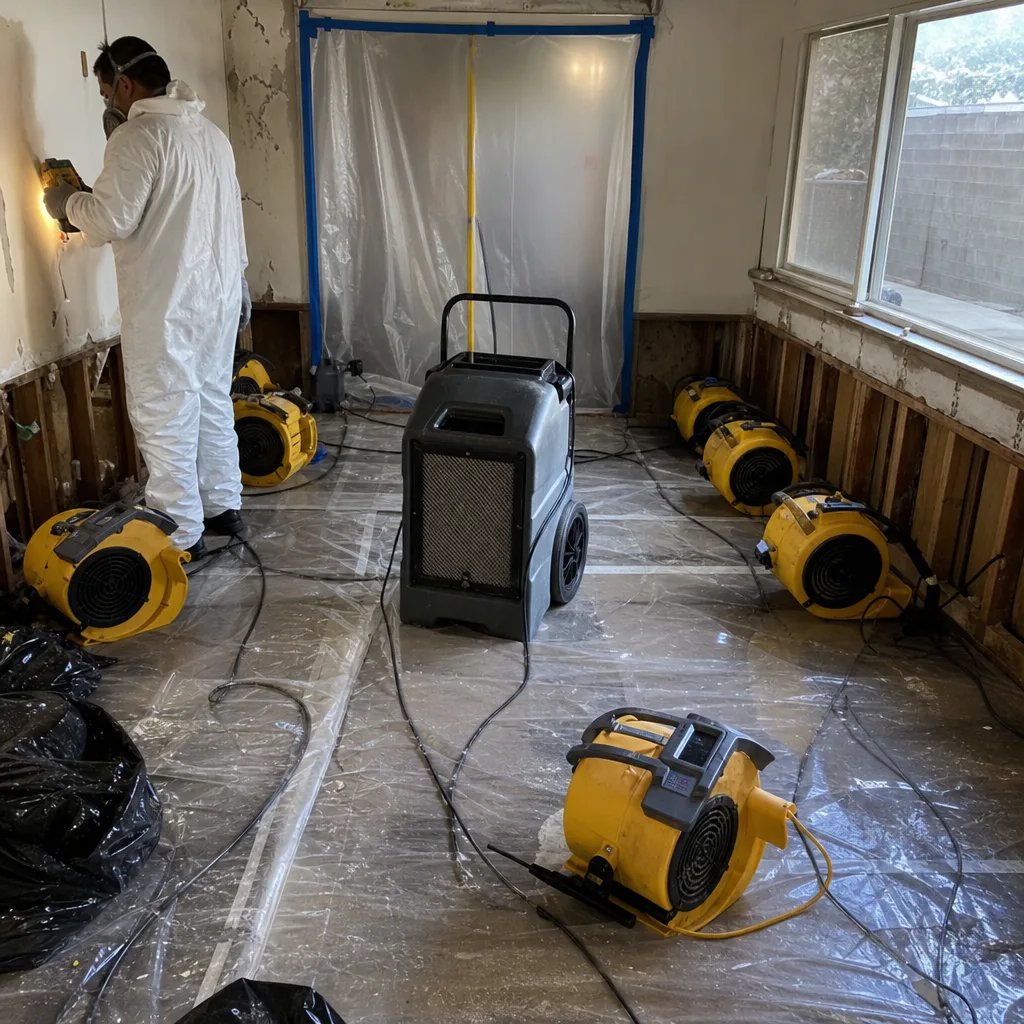
The daily drying log is the single most important document in your water damage claim. Without it, a carrier can dispute whether drying days were necessary, whether equipment was actually deployed, and whether the job met completion standards. We’ve seen carriers in California deny $4,000-$6,000 in equipment charges when the log was missing, incomplete, or contradicted by photos.
Required Elements of a Daily Drying Log
- Date and time of each visit - not just “Day 3,” but “March 15, 2024, 9:47 AM”
- Technician name and certification number - ties the work to a qualified individual
- Moisture readings by room and material - wood, drywall, concrete subfloor, each with baseline, daily, and target readings
- Equipment inventory - number, type, and serial number of each dehumidifier, air mover, and specialty unit
- Psychrometric calculations - temperature, relative humidity, specific humidity, and vapor pressure differential
- Photo documentation - dated, geotagged images of each affected area and equipment placement
- Adjustment notes - equipment added, removed, or repositioned with reason
Vapor pressure differential is the force that drives moisture from wet materials into the drier air. A proper log shows this differential increasing as drying progresses, proving the equipment is working and the job is moving toward completion. Without these numbers, a carrier’s adjuster can claim the equipment was “just running” without performing.
In Manhattan Beach, where marine layer humidity can hover at 80-85% in June and July mornings, psychrometric data is especially critical. A dehumidifier working against coastal humidity requires different settings than one in inland Los Angeles County. The log should reflect this local condition.
Ask your contractor: “Will I receive a copy of the daily drying log, and will it include all seven elements above?” The answer should be yes before work begins. At DryMark Restoration Manhattan Beach, the drying log is standard deliverable, not an upsell. It’s how we document to IICRC, RIA, and IFA standards.
Red Flags: Post-Storm Surge Contractors in Manhattan Beach
Manhattan Beach’s coastal position and aging infrastructure create specific risks after El Niño events, when saturated hillsides, overwhelmed storm drains, and wind-driven rain produce concentrated damage. See our Seasonal Damage Restoration Care for Manhattan Beach: Year-Round Homeowner’s Guide for proactive protection strategies. These events also produce concentrated contractor fraud.
The Out-of-Area Surge Pattern
After major storms, contractors from Arizona, Nevada, and inland California descend on South Bay ZIP codes with rental trucks, temporary signage, and aggressive door-knocking. They often:
- Pressure for immediate signature on authorization forms without estimate review
- Offer to “handle everything with your insurance” while refusing to put scope in writing
- Use local cell numbers routed to out-of-state call centers
- Request upfront deposits for equipment “being shipped from our main warehouse”
- Disappear after demo, leaving homes stripped and exposed to secondary damage
Manhattan Beach-Specific Verification Steps
Verify the business address on the estimate maps to a physical location, not a UPS store or virtual office. Manhattan Beach has only a handful of licensed restoration contractors with actual local presence; most legitimate firms serve the city from broader Los Angeles County bases but maintain local response capability. Ask for a local reference from a recent job in your neighborhood - the Sand Section, the Hill Section, El Porto, or the Tree Section - and verify it independently.
Check whether the contractor has performed work under the California Department of Insurance’s consumer assistance program or has complaints filed with the Los Angeles County District Attorney’s Real Estate Fraud Unit. Both are public record.
The pressure to act quickly after storm damage is real. Water continues migrating while you research. But 20 minutes of verification prevents weeks of dispute. A legitimate contractor in Manhattan Beach will not resent your diligence; they will document it.
Assignment of Benefits: What You’re Really Signing
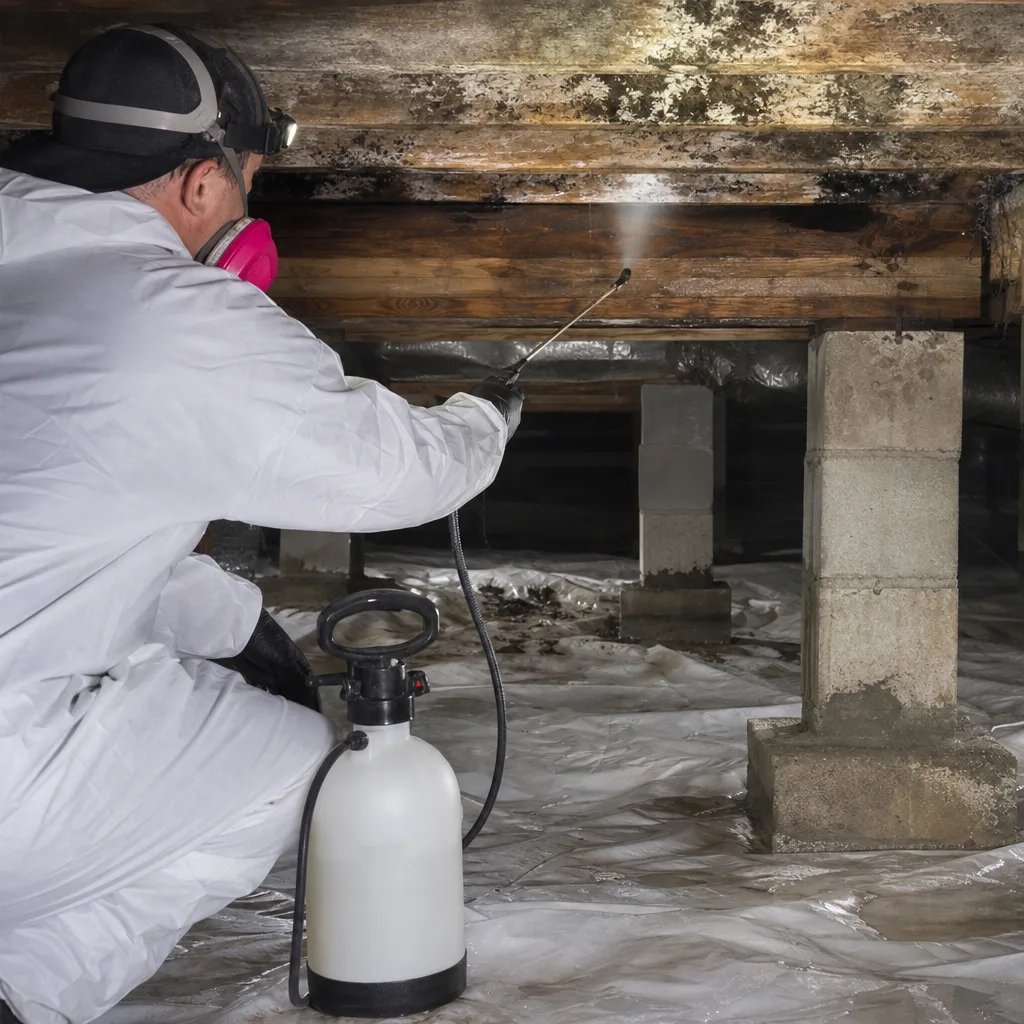
An Assignment of Benefits (AOB) is a legal document that transfers your insurance policy’s payment rights to the contractor. Once signed, the contractor bills your carrier directly and controls the negotiation over scope and price. You become a bystander to your own claim.
In Florida and some other states, AOB abuse has become so widespread that legislators have restricted or banned the practice. California has not, though the Department of Insurance has issued multiple consumer alerts. In Manhattan Beach’s high-value home market, where restoration invoices routinely exceed $50,000 for significant events, AOB arrangements carry substantial financial risk.
What You Lose With an AOB
- The right to dispute charges directly with your carrier
- Control over whether to accept settlement offers
- The ability to fire the contractor and hire another without payment complications
- Protection from balance billing if the carrier pays less than the contractor demands
When an AOB Might Be Appropriate
There are narrow circumstances where an AOB serves the homeowner: when you are out of state during the loss, when language barriers make direct carrier communication difficult, or when the contractor is performing emergency mitigation only at a clearly defined price. Even then, the AOB should be limited in scope - “emergency services only” with a specific dollar cap - and should not cover reconstruction or non-emergency work.
Never sign an AOB that includes a “fee schedule” or “price list” referencing percentages of the insurance settlement. This creates a conflict of interest: the contractor profits by maximizing the claim, not by minimizing your loss.
At DryMark Restoration Manhattan Beach, we do not use AOB arrangements. Our documentation - the written scope, the line-item estimate, the daily drying log, the photo record - is designed to produce a clean invoice that your carrier pays without requiring you to surrender control. Haven Standard, Clause 1 applies: the price is fixed before work begins, so there is no negotiation to outsource.
Common Mistakes to Avoid
- Accepting a “verbal estimate range” over the phone. In Manhattan Beach, where coastal construction costs vary widely by neighborhood, a phone estimate is worthless. Demand the written scope and line-item estimate on-site before authorization.
- Assuming the insurance adjuster’s preferred vendor is vetted. Preferred vendor programs are contractual arrangements between carriers and national franchises, not quality certifications. The vendor’s documentation practices, not their program membership, determine whether your claim is paid fully.
- Signing authorization while water is still flowing. Stop the source first, whether that’s a plumber, a shut-off valve, or the municipal water department. Beginning restoration while the source is active creates unbillable work and documentation confusion.
- Neglecting to photograph the loss before any demo begins. Your carrier needs pre-mitigation photos to establish the cause and extent of loss. A contractor who begins demo without documentation is creating a coverage dispute.
- Failing to verify that reconstruction is included in the estimate or handled by a separate contractor. Many Manhattan Beach homeowners receive a dry-out estimate, authorize the work, and discover that drywall, flooring, and finish carpentry require a second contract at a second markup. Clarify the full project scope upfront.
- Ignoring the difference between mitigation and reconstruction timelines. Mitigation is emergency work, often performed immediately. Reconstruction is scheduled, scoped, and priced like a renovation. A contractor who blurs this distinction is likely to bill reconstruction rates for mitigation work.
When to Call a Professional
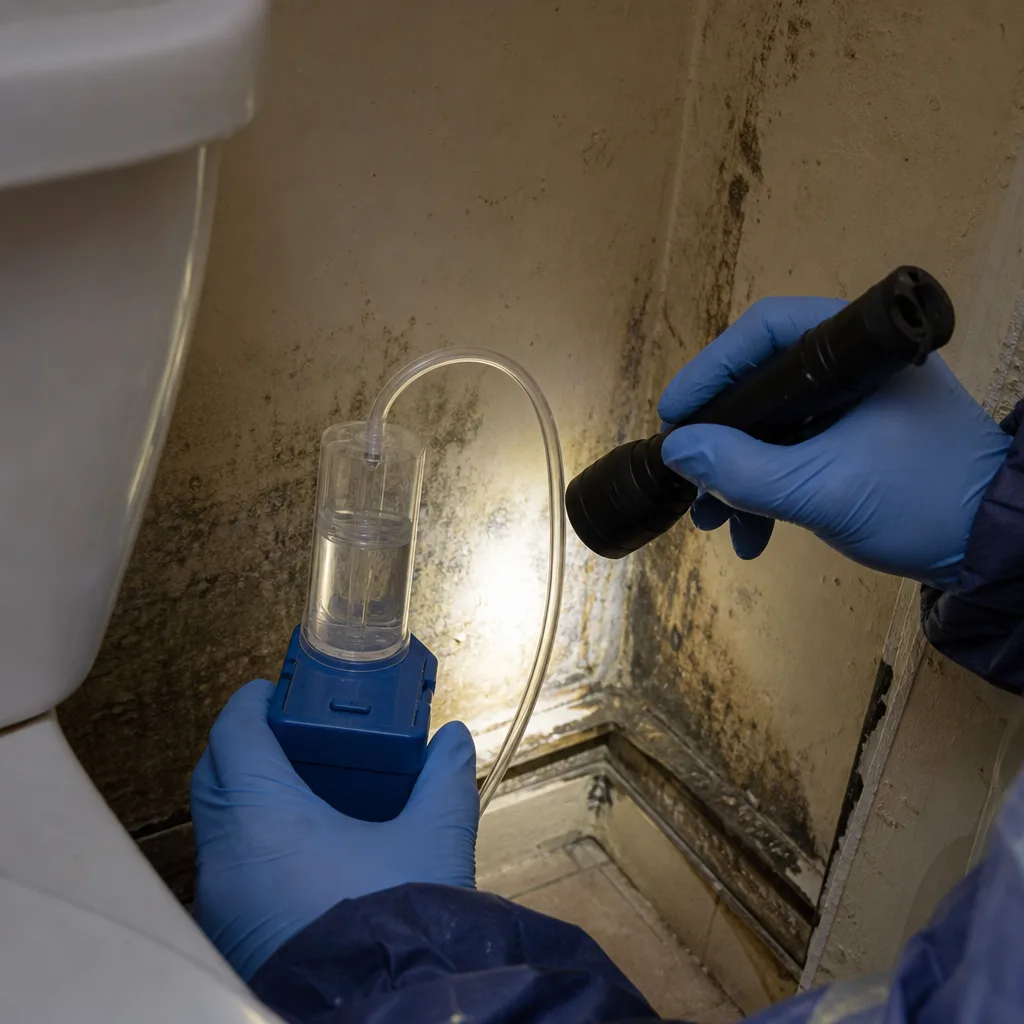
Some situations in Manhattan Beach require immediate professional response regardless of your research timeline. Category 3 water intrusion - sewage backup, seawater flooding, or water that has passed through structural materials - carries bacterial and chemical hazards that require containment, proper PPE, and documented decontamination. Fire and smoke damage requires specialized cleaning agents and air filtration to prevent permanent etching of surfaces and long-term respiratory irritants. Fire & Smoke Damage Restoration in Manhattan Beach addresses these specific protocols.
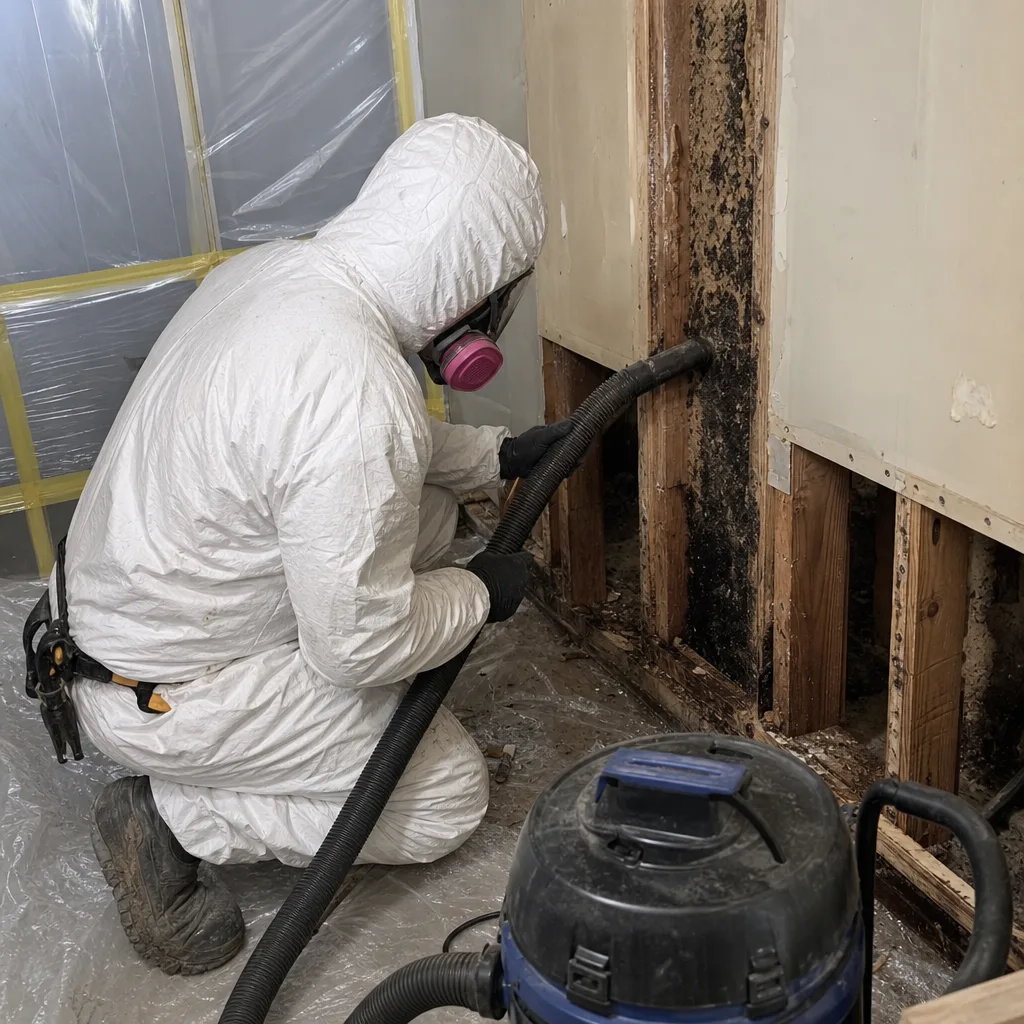
Mold growth visible across more than 10 square feet, or mold resulting from water damage that was not properly dried within 48-72 hours, requires containment and air scrubbing under IICRC S520 standards. Attempting removal without containment spreads spores to unaffected areas. Mold Remediation in Manhattan Beach covers our documented approach.
Structural compromise from storm damage, including compromised roof decking or saturated ceiling joists, requires immediate stabilization to prevent collapse. In these cases, speed and documentation are not in conflict: a documentation-first contractor can perform emergency stabilization while maintaining the written scope and photo record that protects your claim.
DryMark Restoration Manhattan Beach offers free estimates in Manhattan Beach - call (213) 699-3658. We provide a written price before work begins on every job, documented to IICRC, RIA, and IFA standards, with a 365-Day Done Right Promise under The Haven Standard.
Frequently Asked Questions
A contained water damage dry-out in Manhattan Beach typically ranges from $2,800 to $4,500 for a single room with clean water and no structural material replacement. Whole-house events with hardwood flooring saturation, Category 3 contamination, or required reconstruction can reach $15,000-$35,000 depending on square footage and finish materials. Every job at DryMark Restoration Manhattan Beach receives a line-item estimate in writing before work begins, with no scope-creep additions once the crew is inside - Haven Standard, Clause 1. Call (213) 699-3658 for an exact quote; estimates are free.
Coverage depends on your policy’s cause-of-loss provisions, your deductible, and whether the damage was sudden and accidental versus gradual. The single largest factor in full payment is documentation: a written scope, daily drying logs with psychrometric data, and dated photo records. Carriers deny or reduce claims when documentation is missing or inconsistent. We coordinate directly with adjusters and provide the documented evidence that supports full payment. Call (213) 699-3658 to discuss your specific policy situation.
For emergency water damage, legitimate contractors in the South Bay can typically arrive within 60-90 minutes during normal hours and 90-120 minutes overnight, depending on current storm volume and traffic on the 405 or Pacific Coast Highway. Reconstruction work is scheduled, not dispatched. Any contractor promising same-day reconstruction is either misleading you or performing unpermitted work. Call (213) 699-3658 for current Manhattan Beach response times.
For water damage affecting less than 10 square feet of non-porous materials with clean water, self-drying with proper air circulation may be adequate. For anything larger, involving porous materials like drywall or carpet, or any Category 2 or 3 water, professional drying is necessary to prevent mold growth and structural damage. In Manhattan Beach’s coastal humidity, self-drying frequently fails because ambient moisture levels are too high for natural evaporation. The cost of inadequate drying is always higher than the cost of proper drying. Call (213) 699-3658 for a free assessment.
You retain that right unless you sign it away. A documentation-first contractor provides the evidence that supports your claim but does not negotiate on your behalf without explicit written authorization. We provide direct adjuster coordination as a standard service, including photo documentation formatted for carrier portals, but you remain the policyholder throughout. Call (213) 699-3658 to discuss how we work with your specific carrier.
Manhattan Beach’s coastal climate, high property values, and specific building codes create three local requirements: equipment sized for marine-layer humidity (standard dehumidification calculations assume inland conditions), familiarity with the city’s coastal development permit requirements for reconstruction, and experience with the elevated construction costs that affect estimate accuracy. A contractor who prices Manhattan Beach work using inland Los Angeles County rates will either underbid and cut corners or hit you with change orders. Ask specifically about local pricing experience and recent jobs in your Manhattan Beach neighborhood.
The Bottom Line
Hiring a restoration contractor in Manhattan Beach is not about finding the fastest responder or the most reassuring voice on the phone. It is about finding a professional who will document your loss with the precision that your insurance carrier requires to pay your claim fully and fairly. The four documents - written scope, line-item estimate, signed authorization with NTE clause, and verified CSLB license - are your protection against scope creep, balance billing, and coverage disputes. Verification of IICRC technician-level certification, not just company marketing, ensures the work meets industry standards. Understanding assignment-of-benefits arrangements before you sign preserves your negotiating leverage. And a proper daily drying log, with psychrometric data and photo documentation, transforms restoration from a disputed invoice into a payable claim. These are not extra services. They are the minimum standard for professional work, and any contractor who treats them as optional is telling you how your project will end.
Written by Alicia Brennan, Owner at DryMark Restoration Manhattan Beach, serving Manhattan Beach since 2011.