
Last updated September 23, 2026
Free visual inspection and a written scope of work before any mitigation begins - photos, moisture readings, and drying logs go in your claim file
The scope we write is the scope we bill. Anything new gets shown to you, in writing, before we touch it.
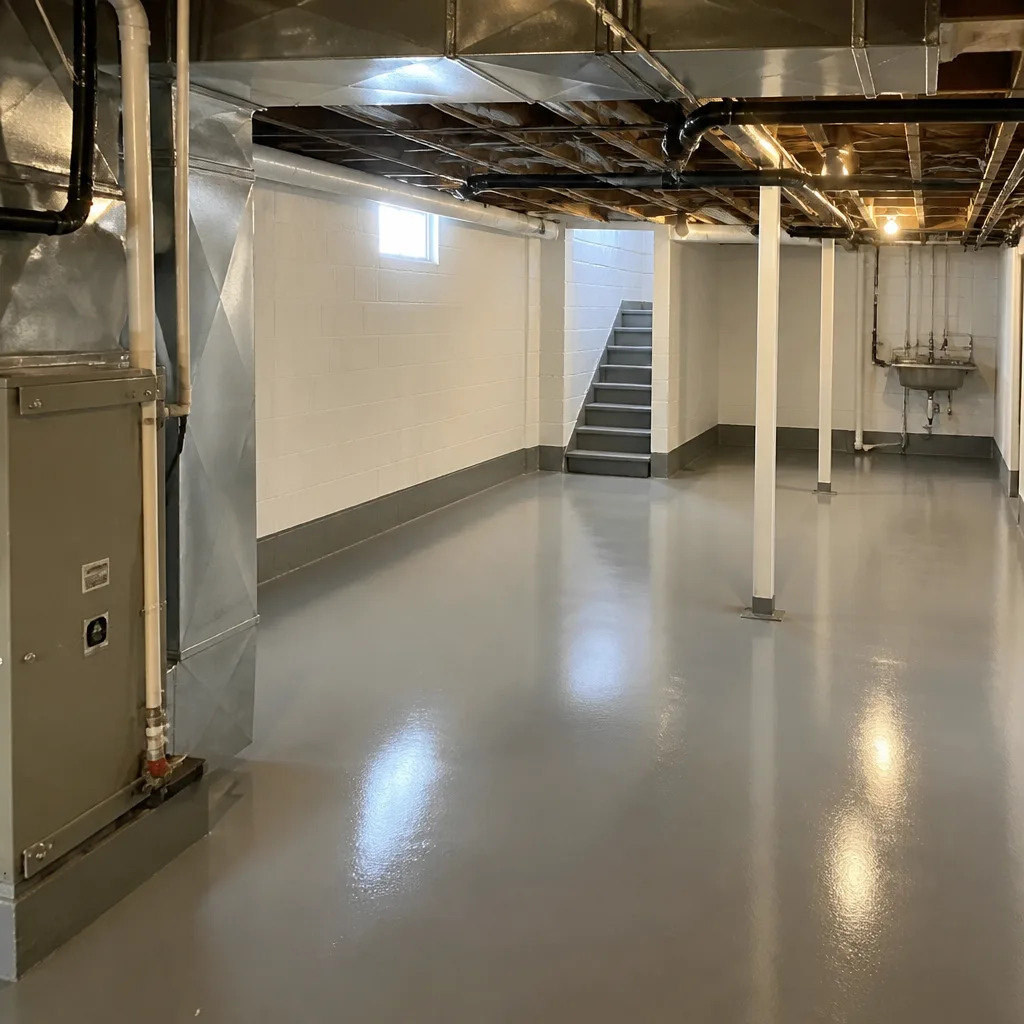
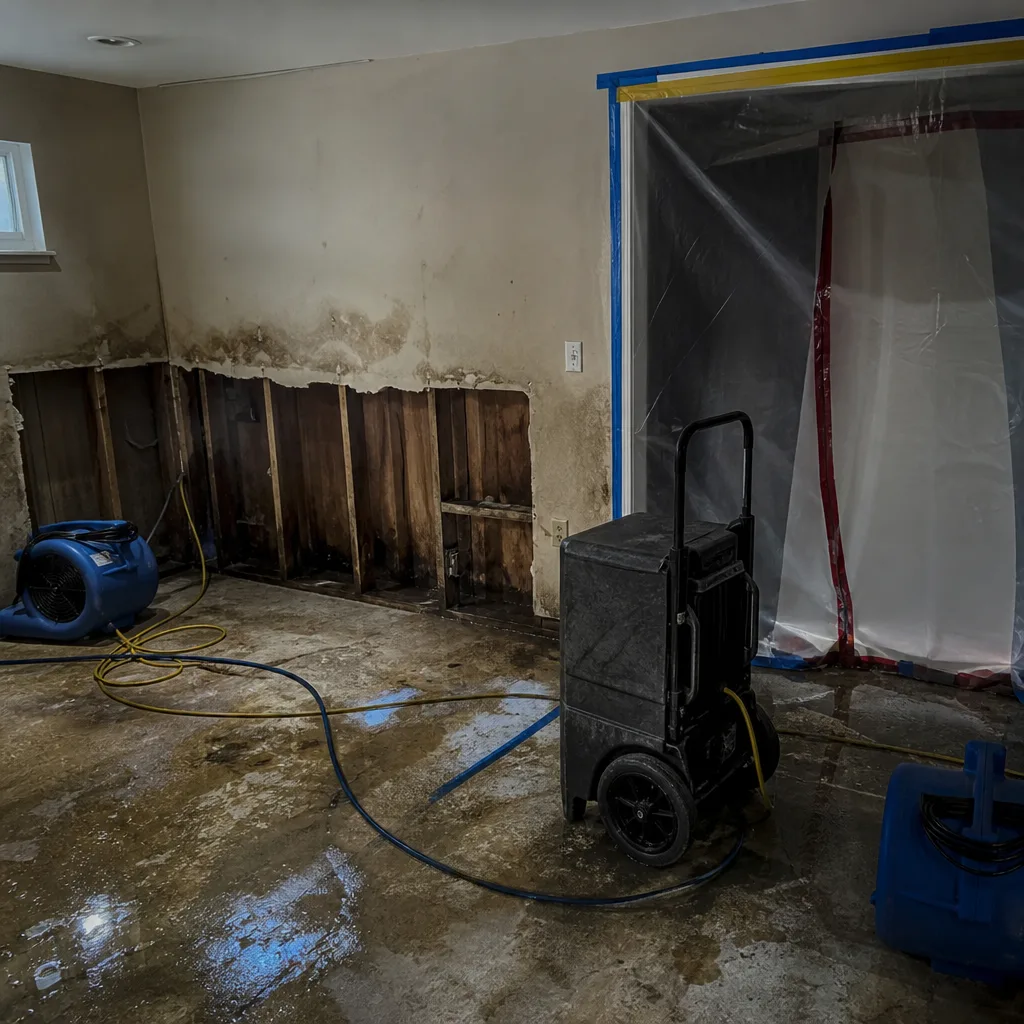 Before
 After
After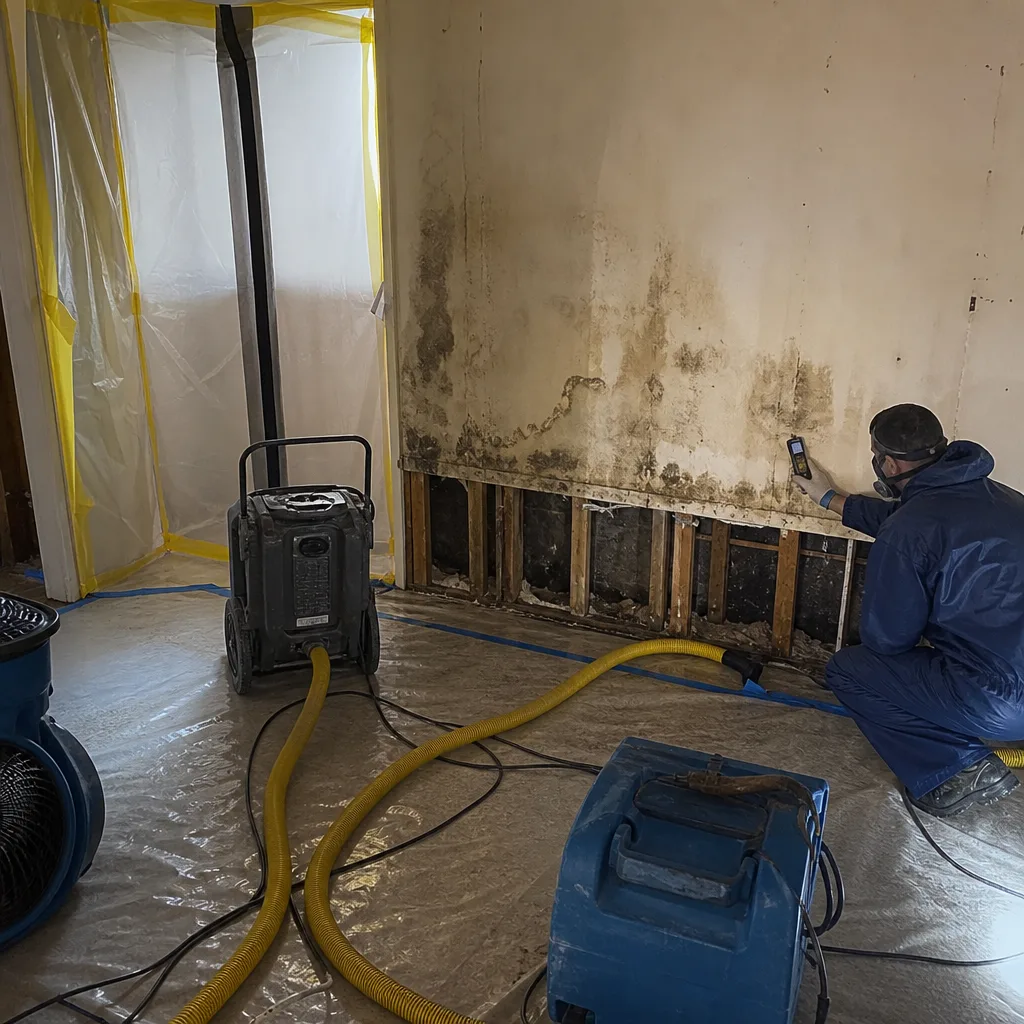 Before
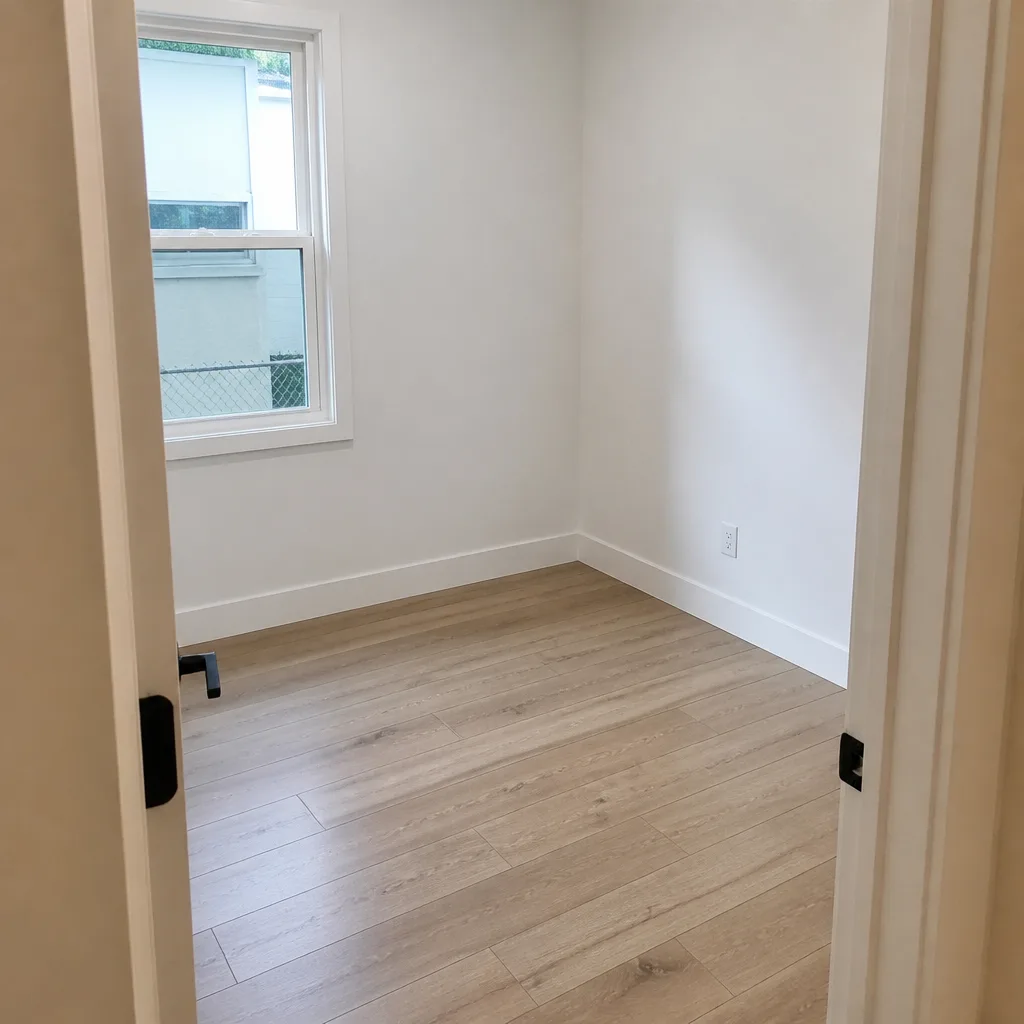 After
After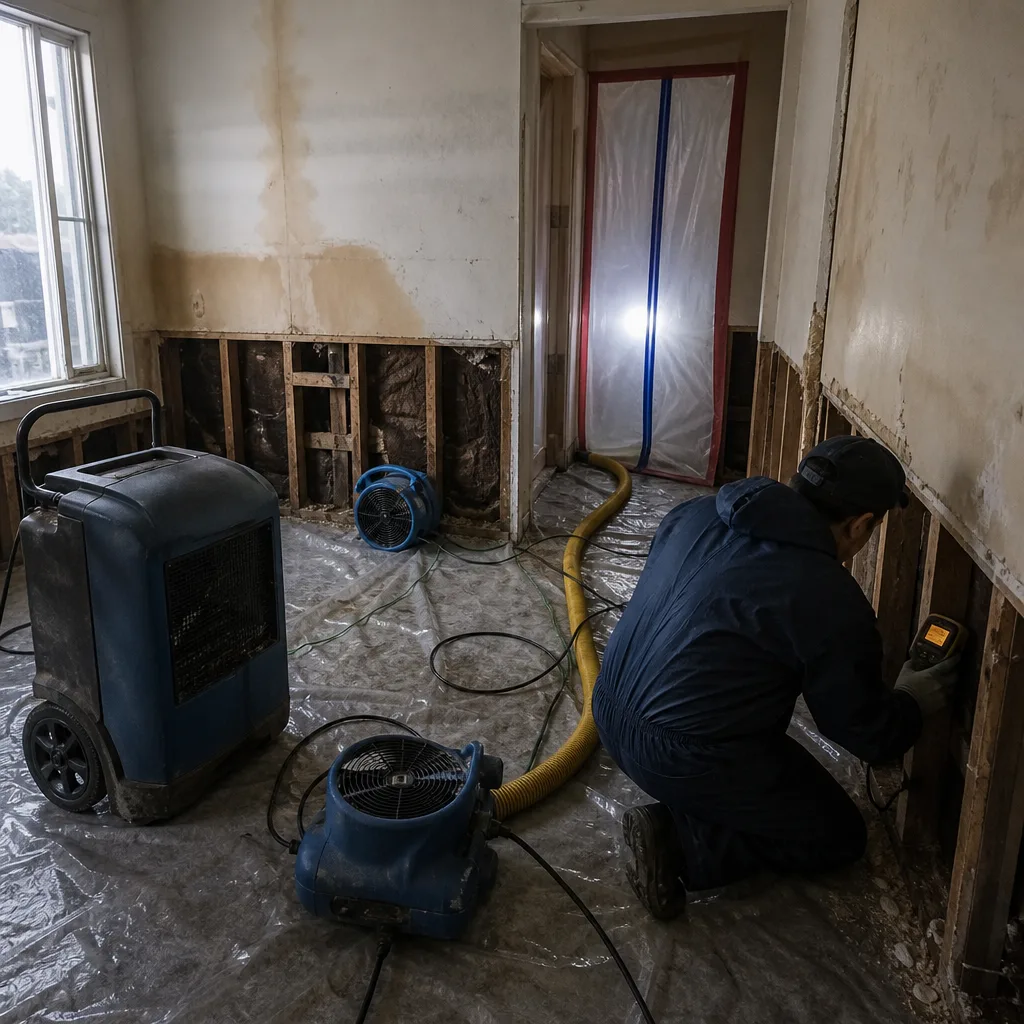 Before
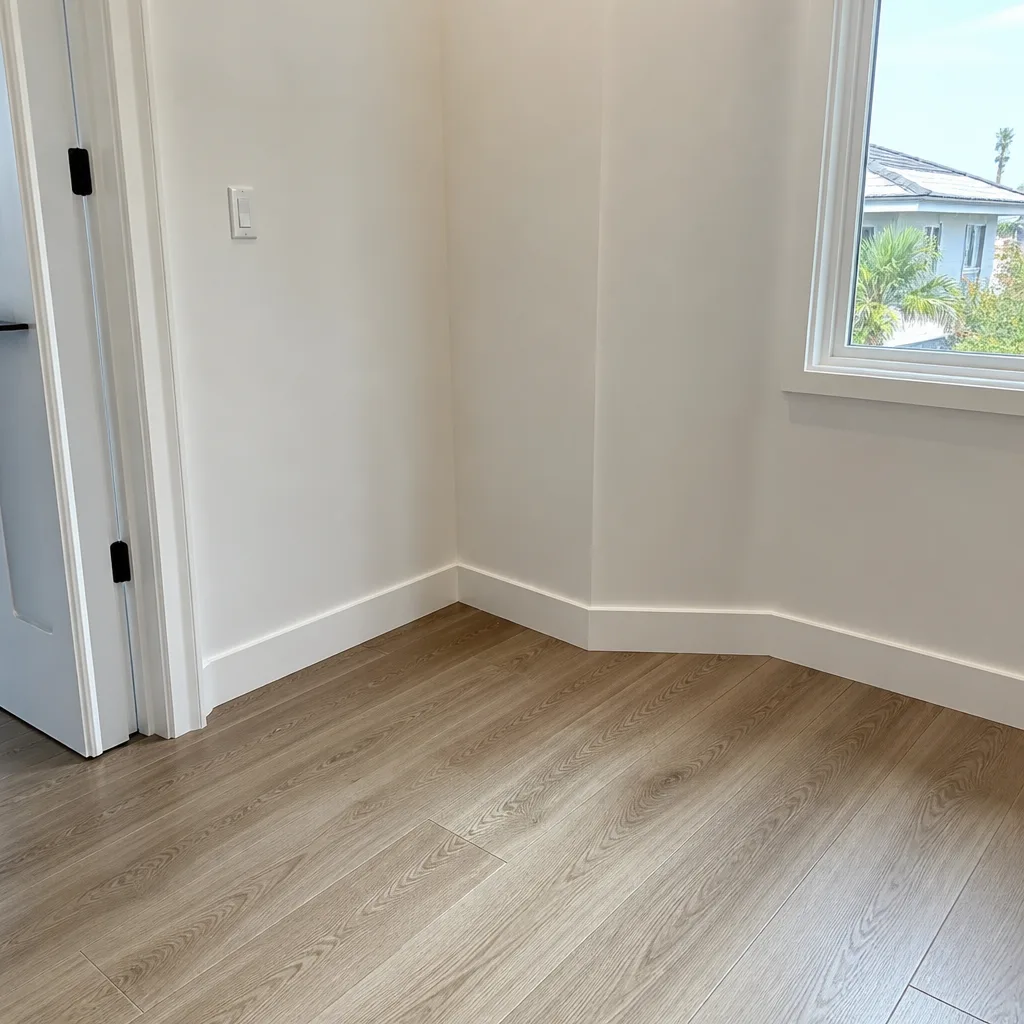 After
AfterDIY vs Professional Damage Restoration: The Manhattan Beach Homeowner’s Decision Guide
California insurance policies do not require you to hire a contractor, but they do require you to mitigate - and “mitigate” is defined by what you can prove you did, not what you remember doing. In Manhattan Beach, where median home values sit well above the state average and many properties carry jumbo or coastal-adjacent insurance riders, a single documentation gap in a self-managed water loss can shift tens of thousands of dollars from insurer to homeowner. We’ve reviewed claims files where the only difference between a fully paid $47,000 drying invoice and a denied $12,000 partial was a 14-day moisture log with psychrometric readings taken at the same three locations daily. This guide will show you exactly what documentation California insurers expect, which restoration work Manhattan Beach code requires a licensed contractor to perform, and how to calculate whether DIY savings survive a second treatment or a coverage dispute.
Quick Answer
Most Manhattan Beach homeowners with water damage over 150 square feet, mold growth exceeding 10 square feet, or any fire or sewage loss should hire a professional restoration company; our step-by-step guide on how to hire a damage restoration contractor in Manhattan Beach explains what to look for. The reason is not skill or equipment access - it is documentation. Insurers pay drying and remediation invoices based on provable work, and self-performed mitigation without daily moisture logs, equipment rental records, and photo documentation routinely leads to partial claim denials or future mold exclusions that cost far more than the initial professional fee.
Table of Contents
- What “Mitigate” Really Means in California Insurance Law
- The Documentation Insurers Actually Require for Self-Performed Work
- Manhattan Beach and California Code: When DIY Is Legally Prohibited
- The True Cost Comparison: DIY vs. Professional in Manhattan Beach
- What a Professional Drying Log Looks Like (and How to Replicate It)
- How Self-Performed Remediation Creates Future Insurability Problems
- The Two Categories Where DIY Actually Makes Sense
- Common Mistakes to Avoid
- When to Call a Professional
- Frequently Asked Questions
- The Bottom Line
 Before
 After
AfterWhat “Mitigate” Really Means in California Insurance Law
Every California homeowner’s policy contains a “duty to mitigate” clause. The language varies by carrier, but the core obligation does not: after a covered loss, you must take reasonable steps to prevent further damage. What “reasonable” means, however, is where homeowners and adjusters part ways.
The California Department of Insurance has clarified through bulletin and enforcement action that mitigation is a documented activity, not an intention. A homeowner who runs fans for three days and “feels like” the wall dried has not mitigated in any way an adjuster can verify. A homeowner who rents a dehumidifier, logs relative humidity and specific moisture content at affected and unaffected control points daily, photographs each reading with timestamp, and retains equipment rental invoices has begun to build a defensible record.
Here is the gap that costs Manhattan Beach homeowners: most policies cover “reasonable and necessary” drying costs. If you hire Water Damage Restoration in Manhattan Beach, the invoice includes line-item equipment, labor rates, and daily moisture readings that match IICRC S500 standards. The adjuster pays it because the documentation answers the questions they are required to ask. Self-performed drying rarely produces this documentation, and when the adjuster asks for proof of mitigation - which they increasingly do on losses over $10,000 - the homeowner has a story, not a file.
We have seen this specifically in Manhattan Beach’s Tree Section and Sand Section neighborhoods, where older homes with original plaster or lath construction create complex drying profiles. A homeowner who stops drying when the surface feels dry often leaves elevated moisture in the wall cavity. Six months later, mold appears. The insurer denies the mold claim, citing “failure to mitigate” the original water loss. The homeowner’s recourse is litigation or out-of-pocket remediation, often $15,000-$40,000 in these neighborhoods.
The key distinction: mitigation is not effort. Mitigation is provable effort, measured and recorded to a standard your insurer recognizes.
The Documentation Insurers Actually Require for Self-Performed Work
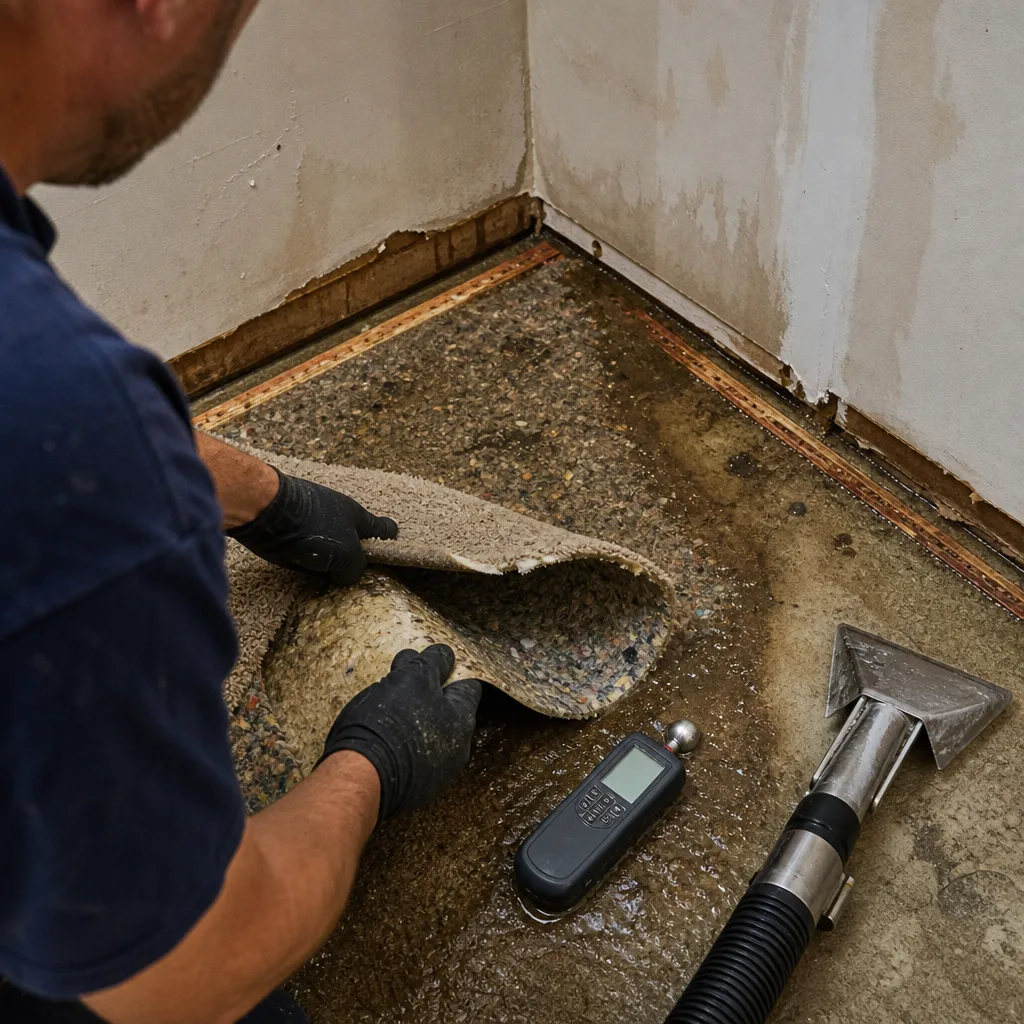
If you choose to self-perform drying or cleaning after a water loss, you are functioning as your own contractor in the eyes of your insurer. That means you must produce the same documentation a professional would. Here is what that requires.
- Initial scope photograph record. Before any equipment runs or any material is moved, photograph every affected room from multiple angles, including close-ups of water lines, damaged materials, and contents. Timestamp every image. Insurers use these to establish pre-mitigation condition and to verify that subsequent drying addressed the full loss.
- Equipment rental records with serial numbers. The invoice from Sunbelt, United Rentals, or your local equipment provider must show the specific machines deployed, their rated capacity in pints per day or CFM, and the rental period. Generic “dehumidifier, 3 days” does not suffice. Adjusters cross-reference equipment capacity against the affected square footage to verify that drying was technically possible with the tools used.
- Daily moisture readings at named locations. For each affected room, record specific moisture content (percentage) and relative humidity at the same three locations daily: one at the center of the wettest visible area, one at the boundary between wet and dry, and one at an unaffected control point in the same room. Note the meter brand and model. We use Delmhorst and Protimeter meters; if you self-perform, rent or buy a pin-type meter with calibrated readings, not a consumer-grade surface scanner.
- Psychrometric data or drying goal documentation. Professional drying establishes a target: typically, moisture content within 4 percentage points of the control reading, or equilibrium moisture content (EMC) for the material class. Your log should state the target and show daily progress toward it. Without a stated goal, an adjuster cannot determine whether drying was complete or merely stopped.
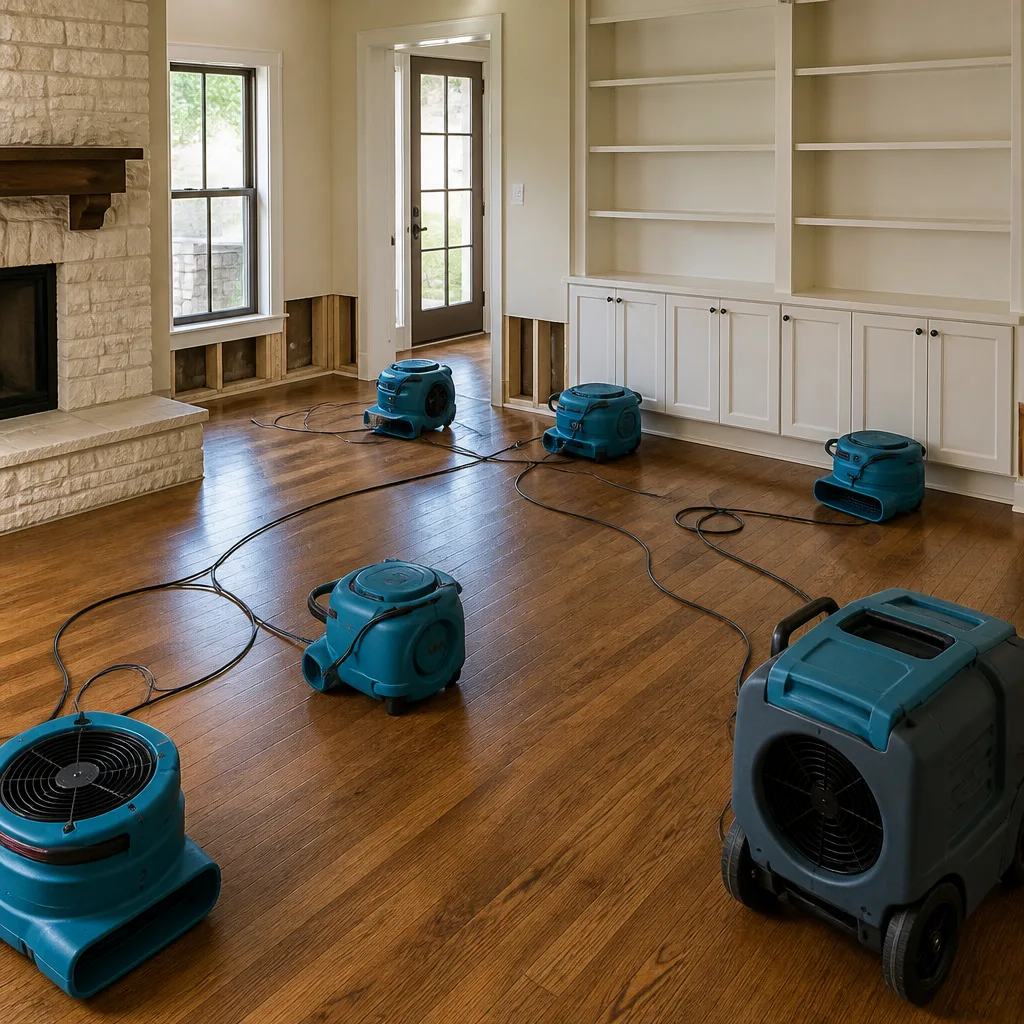
- Photo record of equipment placement and daily condition. Each day, photograph the running equipment in place, the affected materials, and any visible changes. This proves the equipment was actually operating, not just rented.
- Final clearance readings and photographs. The last day’s readings, with photographs, showing that materials reached the stated drying goal. Include a photo of the meter display with the reading visible.
- Written summary of work performed. A single page stating what happened, what was done, by whom, with what equipment, over what period, to what result. Date and sign it.
Missing any of these seven elements creates an opening for partial denial. In our experience reviewing competitor estimates for DryMark Restoration Manhattan Beach home, the most common gap is daily moisture readings with named locations. Homeowners take one reading on day one and one on day three, both from the same spot on the baseboard. An adjuster will correctly note that this does not demonstrate progressive drying across the affected area.
Manhattan Beach and California Code: When DIY Is Legally Prohibited
Even homeowners fully capable of physical restoration work face legal barriers in several categories. California law and Manhattan Beach municipal code prohibit unlicensed work beyond specific thresholds.
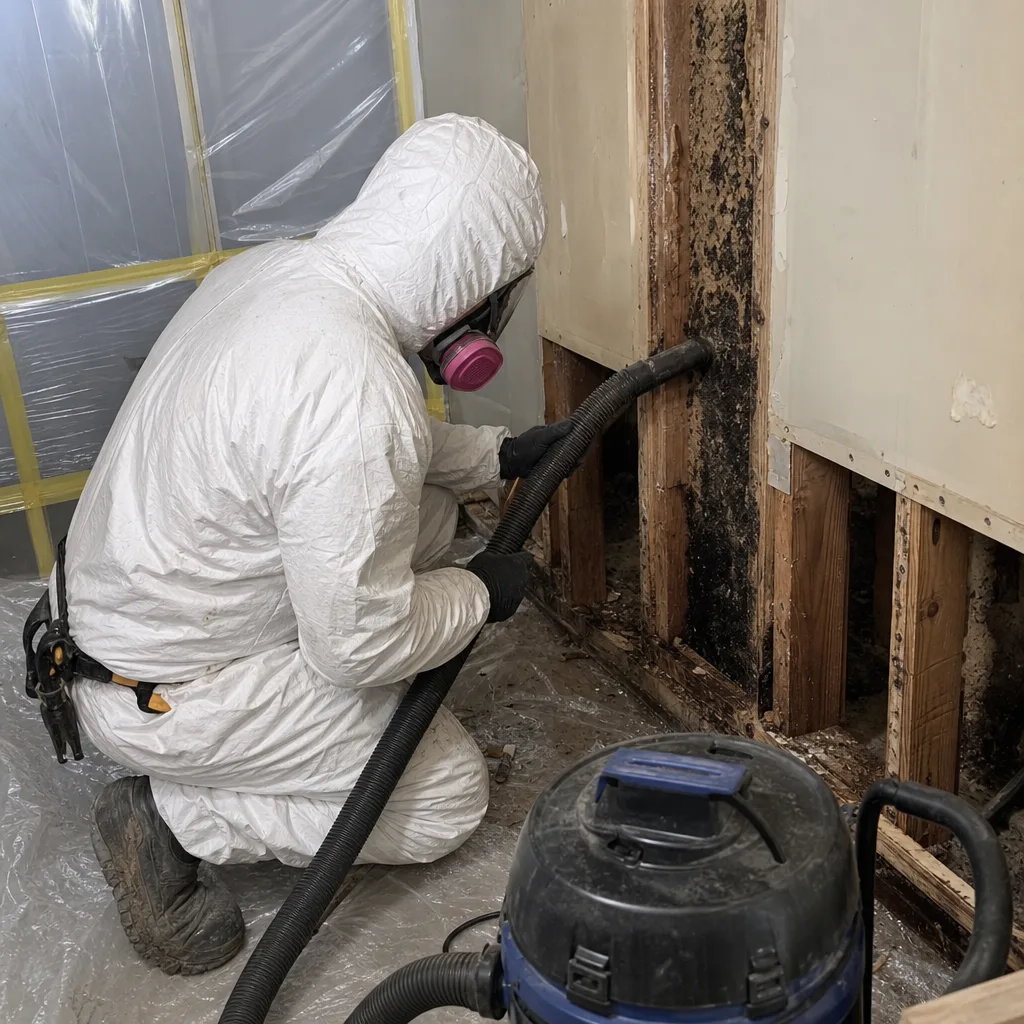
Mold remediation over 10 square feet. California Health and Safety Code Section 26103 requires mold remediation exceeding 10 contiguous square feet to be performed by a licensed contractor or a certified mold remediation company. The 10-square-foot threshold is measured by the visible mold growth, not the room size. A 12-square-foot patch of mold on a bathroom ceiling requires licensed remediation regardless of who owns the home. Self-remediation above this threshold can result in municipal enforcement action and, more critically, will void any insurer obligation to pay for subsequent mold-related damage because the work was not legally performed.
Structural repairs requiring permits. Manhattan Beach Building and Safety Division requires permits for structural repairs, electrical work, plumbing modifications, and HVAC alterations. Water damage that compromises load-bearing walls, requires subfloor replacement, or involves electrical outlet relocation triggers permit requirements. Unpermitted work must be disclosed in California real estate transactions and can trigger re-inspection requirements that delay or derail sales in Manhattan Beach’s competitive market.
Sewage and Category 3 water losses. While not always explicitly prohibiting homeowner self-cleanup, California OSHA regulations and IICRC S500 standards classify sewage backup and groundwater flooding as Category 3 (grossly contaminated). Proper remediation requires PPE, containment, and antimicrobial application that homeowners rarely possess. More importantly, insurers increasingly require third-party clearance testing on Category 3 losses. Self-performed cleanup without post-remediation verification by an independent hygienist creates the same documentation gap as self-performed drying.
Fire and smoke damage. No California statute explicitly prohibits homeowner fire cleanup, but smoke damage restoration involves acidic residue removal, thermal fogging or ozone treatment, and often structural evaluation. Manhattan Beach’s proximity to the coast means salt-laden air compounds smoke residue corrosion, accelerating damage timelines. Professional documentation here is not merely for insurance - it is for structural safety assessment.
Asbestos and lead-containing materials. Homes in Manhattan Beach built before 1980 may contain asbestos in flooring, insulation, or textured ceilings, and lead in paint. Disturbing these materials during water or fire damage remediation triggers EPA RRP (Renovation, Repair, and Painting) requirements and Cal-OSHA asbestos regulations. Testing is required before disturbance; self-testing kits exist, but proper abatement requires licensed contractors.
The True Cost Comparison: DIY vs. Professional in Manhattan Beach
Homeowners considering DIY restoration typically compare equipment rental fees to professional invoices. This comparison omits three cost categories that determine actual savings.
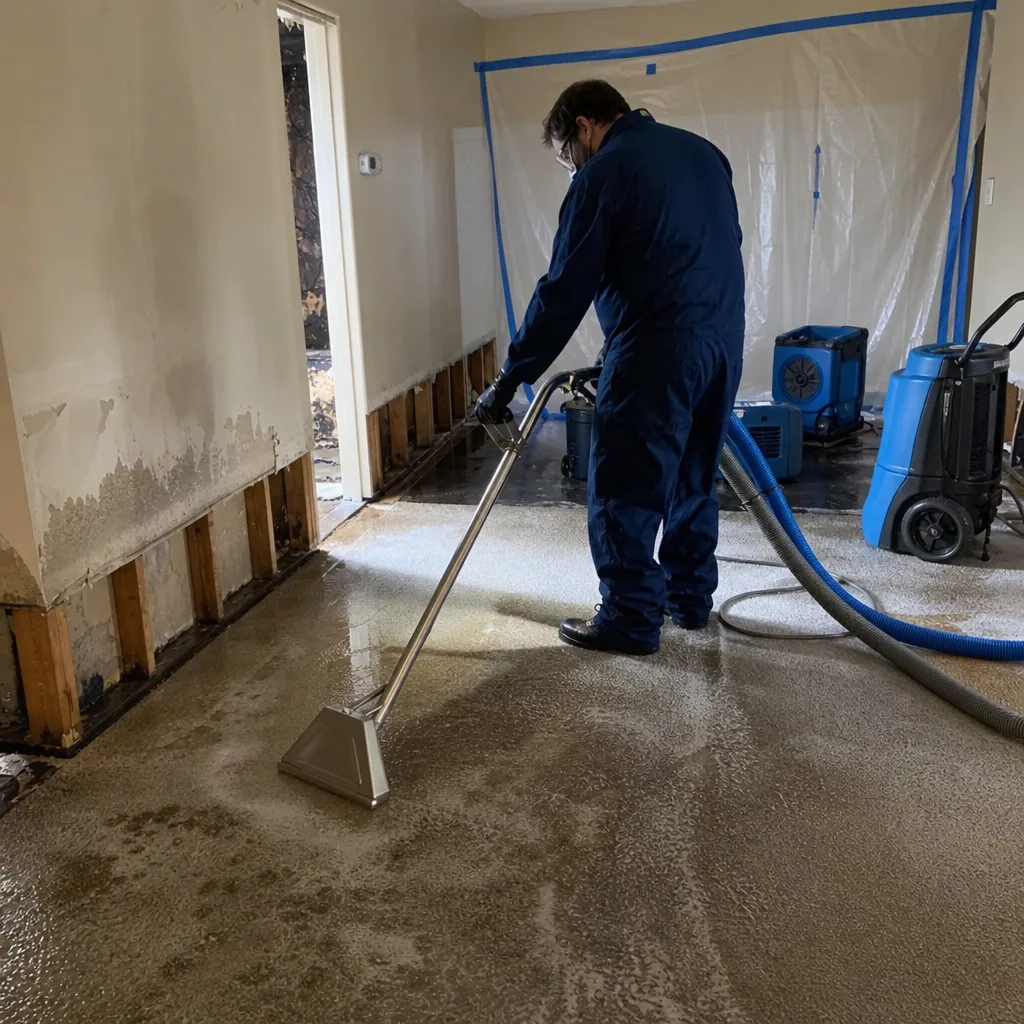
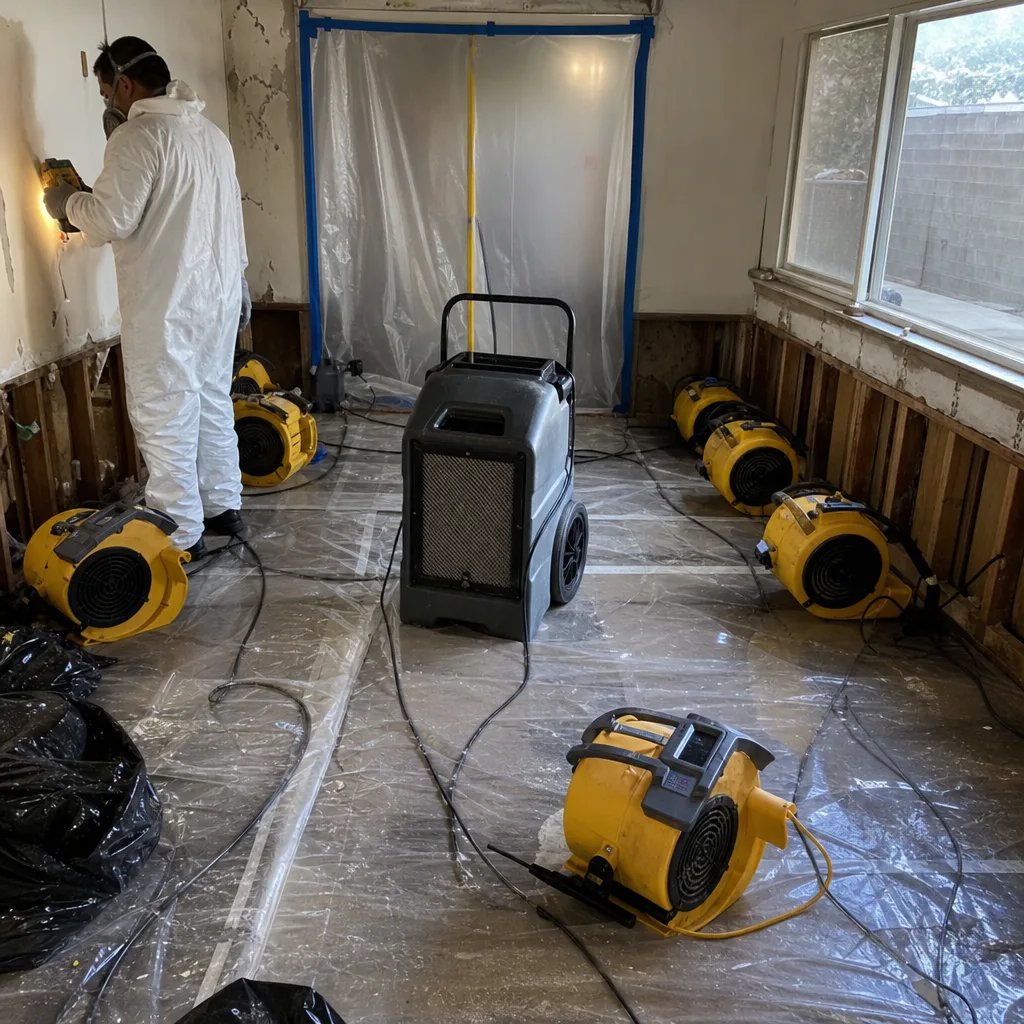
Equipment rental in Manhattan Beach. A commercial dehumidifier (Dri-Eaz or Phoenix 200 MAX) rents for approximately $85-$140 per day. An air mover (carpet dryer) rents for $25-$40 per day. A typical 1,200-square-foot water loss with wall cavity involvement requires 3-4 air movers and 1-2 dehumidifiers for 4-7 days. Rental cost: $680-$1,960. Add moisture meter rental ($35/day), HEPA air scrubber if Category 2 or 3 ($150/day), and fuel or delivery fees. Realistic DIY equipment range: $1,200-$3,200 for a moderate water loss.
Homeowner time at realistic valuation. Monitoring, documenting, and adjusting equipment requires 1.5-2 hours daily for the duration of drying. At conservative valuation of homeowner time, 10 hours over 5 days adds substantial implicit cost. More critically, most homeowners cannot sustain this during workweeks; equipment runs unattended, or drying is truncated prematurely.
Re-treatment rate for incomplete DIY drying. In our 12,000+ jobs since 2011, we have been called to re-treat approximately 30% of self-dried water losses in coastal Los Angeles County. The pattern is consistent: homeowner stops at surface dryness, moisture remains in subfloor or wall cavity, mold develops within 30-90 days, professional remediation is then required at 2-3x the original drying cost because mold remediation includes removal, not just drying. In Manhattan Beach’s climate, where marine layer humidity averages 70-85% morning moisture through spring and early summer, incomplete drying reverts faster than inland markets; see our seasonal damage restoration care guide for Manhattan Beach for year-round prevention strategies.
Professional cost with documentation. Water Damage Restoration in Manhattan Beach for a comparable 1,200-square-foot loss, with daily moisture logs, photo documentation, and insurer-ready invoice, typically ranges $2,800-$5,500 depending on material class and access. The difference from DIY is $1,600-$2,300 - the cost of documentation, labor, and the 365-Day Done Right Promise.
When re-treatment occurs, the homeowner pays the DIY equipment cost plus the professional remediation cost, minus any insurer contribution lost to documentation failure. Net position: DIY often costs more, not less, and carries uncovered liability.
What a Professional Drying Log Looks Like (and How to Replicate It)
The daily drying log is the document that converts restoration activity into payable insurance claim. Understanding its structure helps homeowners evaluate professional work or replicate it if self-performing.
A proper log contains these elements for each affected room, each day:
- Room identifier and affected dimensions. “Living Room, 14′ x 18′, east wall and adjoining 6′ x 8′ carpet area.”
- Equipment deployed. Specific machines by model: “Phoenix 200 MAX dehumidifier, serial #XXXX; 2x Dri-Eaz Ace air movers, positions A and B.”
- Atmospheric readings. Temperature in Fahrenheit, relative humidity percentage, and dew point - measured at equipment intake and at room center.
- Material moisture readings. Specific moisture content percentage for each material class: drywall, wood framing, subfloor, finished flooring. Pin meter readings with depth noted: “Drywall, 3/8″ depth, 18.2% MC; control reading in unaffected bedroom: 12.4% MC.”
- Drying goal and progress. “Goal: drywall ≤14.5% MC (EMC + 2%). Day 3 progress: 18.2% → 15.8%. Anticipated attainment: Day 5.”
- Technician observations. “No visible microbial growth. Carpet tack strip dry. Baseboard removed for air circulation, salvageable.”
- Photo reference numbers. Cross-referenced to the photo record: “Photos 23-28, 03/15/2024.”
- Technician signature and license number. Required for insurer acceptance on larger losses.
The psychrometric data - temperature, relative humidity, and their relationship to vapor pressure differential - tells the story of whether drying is actually occurring. Vapor pressure differential is the difference between the moisture in the wet material and the moisture in the air; positive differential means moisture is moving from material to air, which means the dehumidifier can extract it. Without this data, you are guessing whether your equipment is working.
Homeowners self-performing can replicate this format using a spreadsheet template. The critical discipline is consistency: same locations, same meter, same time of day, recorded before any equipment adjustment. One skipped day or one relocated measurement point weakens the entire log.
How Self-Performed Remediation Creates Future Insurability Problems
The documentation gap in self-performed restoration does not only affect the current claim. It creates lasting insurability problems that emerge at property sale or policy renewal.
Mold exclusions on renewal. California insurers increasingly apply mold coverage limitations or exclusions based on claim history. A water loss with self-performed drying and subsequent mold discovery creates a pattern: water claim, no professional documentation, mold claim. Underwriters code this as high risk. We have seen Manhattan Beach homeowners face 40-60% premium increases or non-renewal after this sequence, particularly in the post-2019 California insurance market contraction.
Disclosure obligations in sale. California Civil Code Section 1102 requires disclosure of material defects, including past water damage and mold. Self-performed remediation without clearance testing leaves the homeowner with no independent verification to provide buyers. In Manhattan Beach’s market, where due diligence is thorough and buyers often waive few contingencies, this disclosure gap can trigger price reductions, repair credits, or transaction delays.
Re-inspection requirements. Buyers’ insurers may require proof of professional remediation for past mold or water claims. A homeowner with no documentation faces re-remediation by a licensed contractor before the buyer’s policy will issue, or the buyer walks.
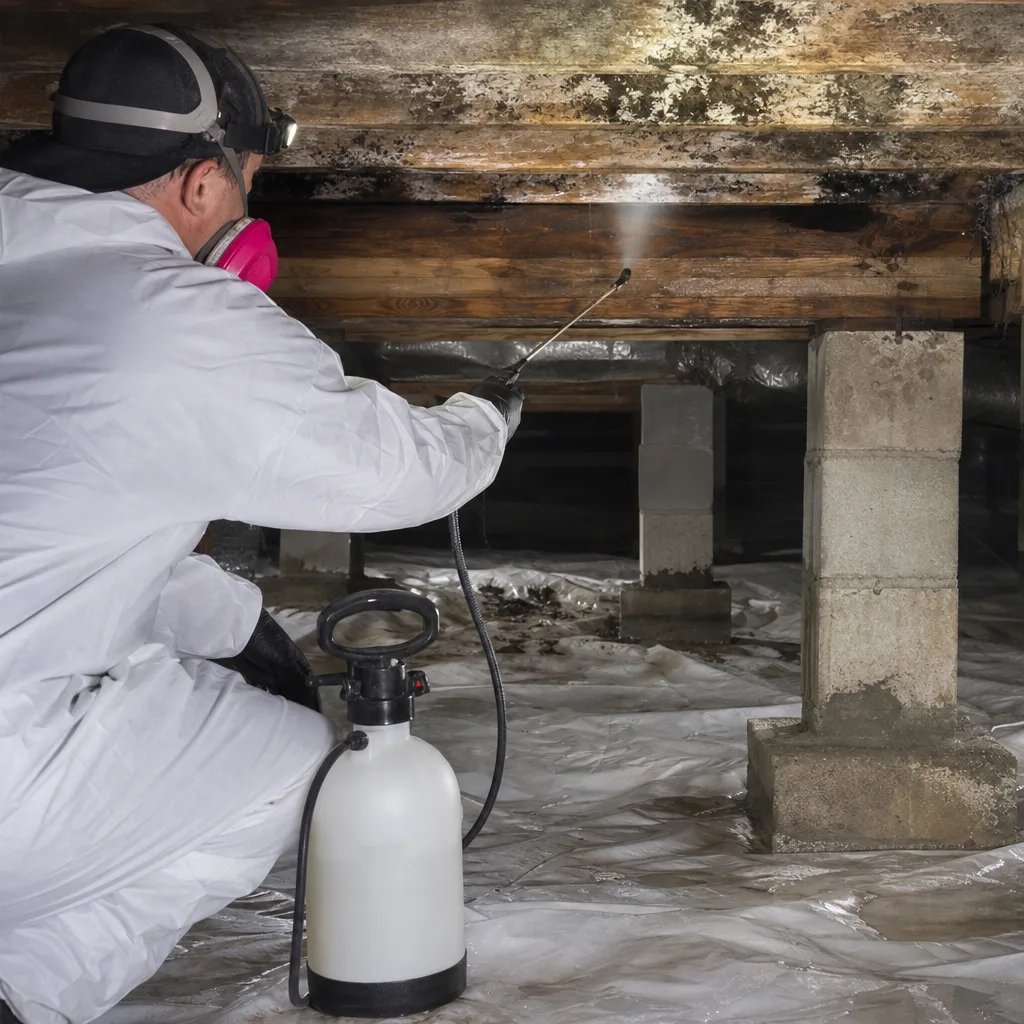
Clearance testing as documentation. Professional mold remediation concludes with clearance testing: air sampling and surface sampling by an independent hygienist, compared to outdoor baseline and to industry standards (AIHA, ACGIH). This test produces a report that travels with the property. Self-performed remediation without this test has no endpoint documentation. The mold was “cleaned” when the homeowner decided it was clean.
For Mold Remediation in Manhattan Beach, we include third-party clearance testing on every job, with the report delivered to the homeowner and formatted for insurance file inclusion. This is not an upsell. It is the documentation that protects future insurability.
The Two Categories Where DIY Actually Makes Sense
Despite the documentation emphasis, there are limited circumstances where informed homeowner self-performance is rational and defensible.
Category 1 water losses under 50 square feet with immediate response. A broken supply line to a toilet, caught within minutes, affecting only tile flooring with no wall contact, where the homeowner owns a wet/dry vacuum and can deploy household fans within the hour. The key constraints: small area, clean water, hard surface, immediate action, no structural material involvement. Documentation still matters - photograph the source, the affected area, the drying process, and the final condition. Retain the repair invoice for the supply line. The claim file should show prompt, reasonable response even if professional drying was not required.
Contents cleaning after professional structural drying. Once the structure is professionally dried and documented, homeowners can often clean unaffected or lightly affected contents (dishes, hard furniture, some textiles) without compromising the claim. The structural documentation is complete; contents are a separate line item. Photograph before and after. Use appropriate cleaning agents for smoke or water exposure. Discard anything porous that contacted Category 2 or 3 water.
Everything else - wall cavity drying, subfloor exposure, mold of any scale, fire or smoke residue, sewage, or any loss where the insurer will be involved - benefits from professional documentation that meets IICRC, RIA, and IFA standards.
Common Mistakes to Avoid
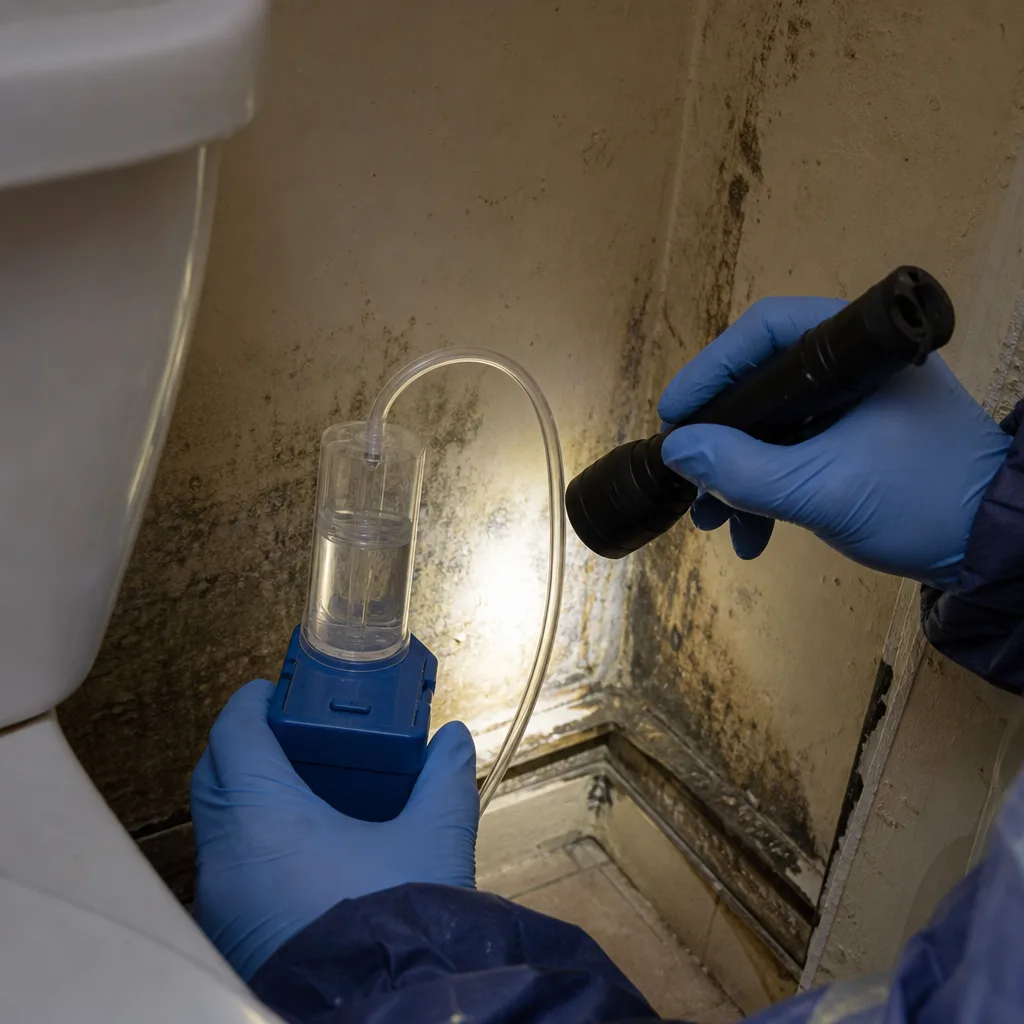
- Stopping when it “feels” dry. In Manhattan Beach’s marine climate, surface dryness is misleading. Plaster and lath in older Sand Section homes can hold 20%+ moisture content while feeling dry to touch. Always verify with a pin meter to established EMC goals.
- Renting consumer-grade equipment from big-box stores. The dehumidifiers sold or rented at hardware stores remove 30-50 pints per day. A Phoenix 200 MAX removes 125 pints per day at AHAM conditions. Underpowered equipment runs continuously without achieving vapor pressure differential, burning electricity while materials stay wet.
- Not photographing the source repair. Homeowners fix the broken pipe, throw away the receipt, and retain no record of what failed and when. The insurer needs to distinguish sudden accidental discharge from long-term leakage, which may not be covered. The repair invoice and photo of the failed component are evidence of sudden loss.
- Discarding damaged materials before insurer inspection. The adjuster must see the damaged materials to confirm scope. If you remove wet carpet and pad before photos, the insurer may dispute that replacement was necessary. Photograph, then remove, then photograph again.
- Assuming mold is “gone” because it was wiped away. Visible mold removal without HEPA containment and air filtration often disperses spores to adjacent areas. The original patch is cleaner; the HVAC system and surrounding rooms are not. This is particularly risky in Manhattan Beach’s compact hillside homes with shared air handling.
- Not requesting a written price before work starts. If you do hire a professional, insist on written scope and pricing before any equipment is deployed. Haven Standard, Clause 1 exists precisely because verbal estimates become disputed invoices. Every legitimate restoration company in Manhattan Beach should provide this without pressure.
- Failing to verify contractor licensing for mold or structural work. California Contractors State License Board maintains an online license check. For mold remediation over 10 square feet, verify the contractor holds appropriate classification. Unlicensed work is uninsurable work.
When to Call a Professional
Call a professional when the loss exceeds your ability to document, when code requires licensed work, or when the insurer will scrutinize the claim. Specific triggers: water affecting carpet and pad, any wall cavity involvement, mold visible on more than a single tile grout line, fire or smoke damage of any scale, sewage backup, or any loss where you intend to file a claim exceeding your deductible by more than $2,000.
In Manhattan Beach, where home values and repair costs run high, most water losses that prompt a homeowner to search “DIY vs professional water damage restoration Manhattan Beach” already exceed the threshold where self-performance saves money. The question is not whether you are capable of running fans. The question is whether you can produce a file that keeps your insurer from denying coverage for the work you did, or the work you will need when your drying proves incomplete.
DryMark Restoration Manhattan Beach offers free estimates in Manhattan Beach - call (213) 699-3658. Every estimate includes a written price before work begins, every job includes a photo record on every visit, and every project carries the 365-Day Done Right Promise under The Haven Standard. Bring a competitor’s written estimate; we provide a free second opinion at no charge.
Frequently Asked Questions
Your insurer may reimburse documented equipment rental and material costs, but typically at depreciated rates and only if you produce records matching professional standards. Most carriers apply a “reasonable and necessary” test that DIY work fails without daily moisture logs, equipment specifications, and photo documentation. Call (213) 699-3658 for an exact quote on professional drying with insurer-ready documentation - estimates are free.
DryMark Restoration Manhattan Beach maintains live phone coverage 24 hours a day, 7 days a week with no voicemail on emergency lines. Dispatch for water damage emergencies in Manhattan Beach typically occurs within 60-90 minutes of call receipt during normal conditions. Response time is documented in your initial call log, which becomes part of your claim file. For reconstruction and non-emergency work, scheduling occurs after written scope and pricing agreement.
California law requires licensed remediation for mold exceeding 10 contiguous square feet. Below that threshold, you may self-clean, but without clearance testing you have no documentation that the mold was fully removed. This becomes a disclosure and insurability problem at sale. For Mold Remediation in Manhattan Beach, we include third-party clearance testing as standard deliverable.
We coordinate directly with your adjuster, providing the daily drying logs, photo records, and written scopes that adjusters need to approve invoices without dispute. Our documentation is formatted to IICRC, RIA, and IFA standards specifically for claims review. You are copied on all submissions and retain final approval authority.
Haven Standard, Clause 5: if any work we perform requires correction within 365 days, we return and make it right at no additional cost. This is a written guarantee, not a verbal assurance, signed on every job. It covers drying, remediation, and reconstruction work performed under our scope. The promise is backed by our 12,000+ job history since 2011, not by a corporate marketing department.
Professional drying for a typical 1,200-square-foot water loss in Manhattan Beach ranges $2,800-$5,500 with full documentation. Comparable DIY equipment rental runs $1,200-$3,200 but omits labor, daily monitoring, and insurer-ready records. When incomplete DIY drying requires professional re-treatment, which occurs in approximately 30% of self-managed coastal losses, total cost exceeds professional treatment from the outset. Call (213) 699-3658 for a written price on your specific loss - Haven Standard, Clause 1, no exceptions.
The Bottom Line
The DIY vs. professional decision in restoration is a documentation decision. California law and insurance practice do not care who performs the work; they care whether the work performed can be proven to standards. For small, clean, immediate-response losses on hard surfaces, informed homeowners can self-perform with disciplined record-keeping. For everything else - which describes most water, mold, fire, and sewage losses in Manhattan Beach - professional restoration pays for itself in claim preservation, future insurability, and the elimination of re-treatment risk. The written price before work begins, the daily moisture log, the photo record on every visit, and the 365-Day Done Right Promise are not marketing features. They are the documentation that turns a restoration invoice into a paid claim, and a restored home into a sellable asset.
Written by Alicia Brennan, Owner at DryMark Restoration Manhattan Beach, serving Manhattan Beach since 2011.