
Last updated September 23, 2026
Free visual inspection and a written scope of work before any mitigation begins - photos, moisture readings, and drying logs go in your claim file
The scope we write is the scope we bill. Anything new gets shown to you, in writing, before we touch it.
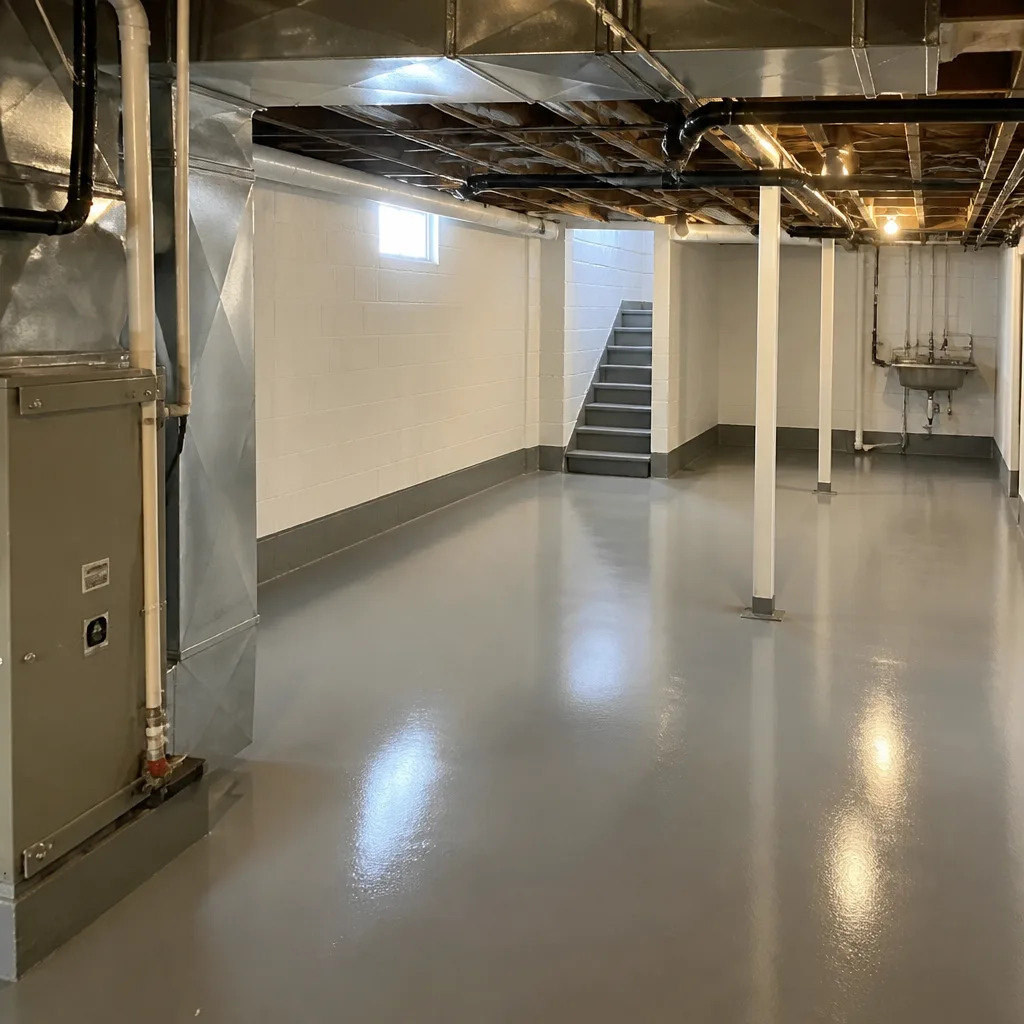
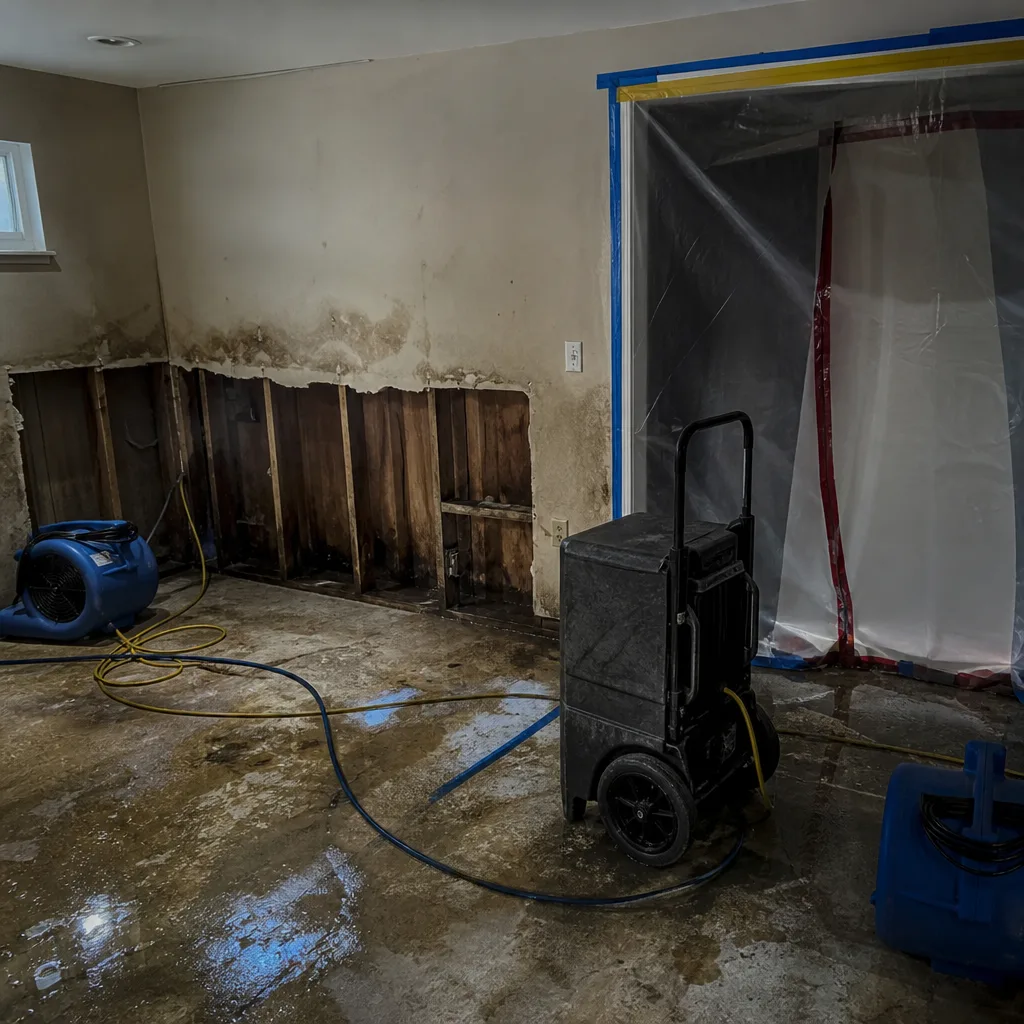 Before
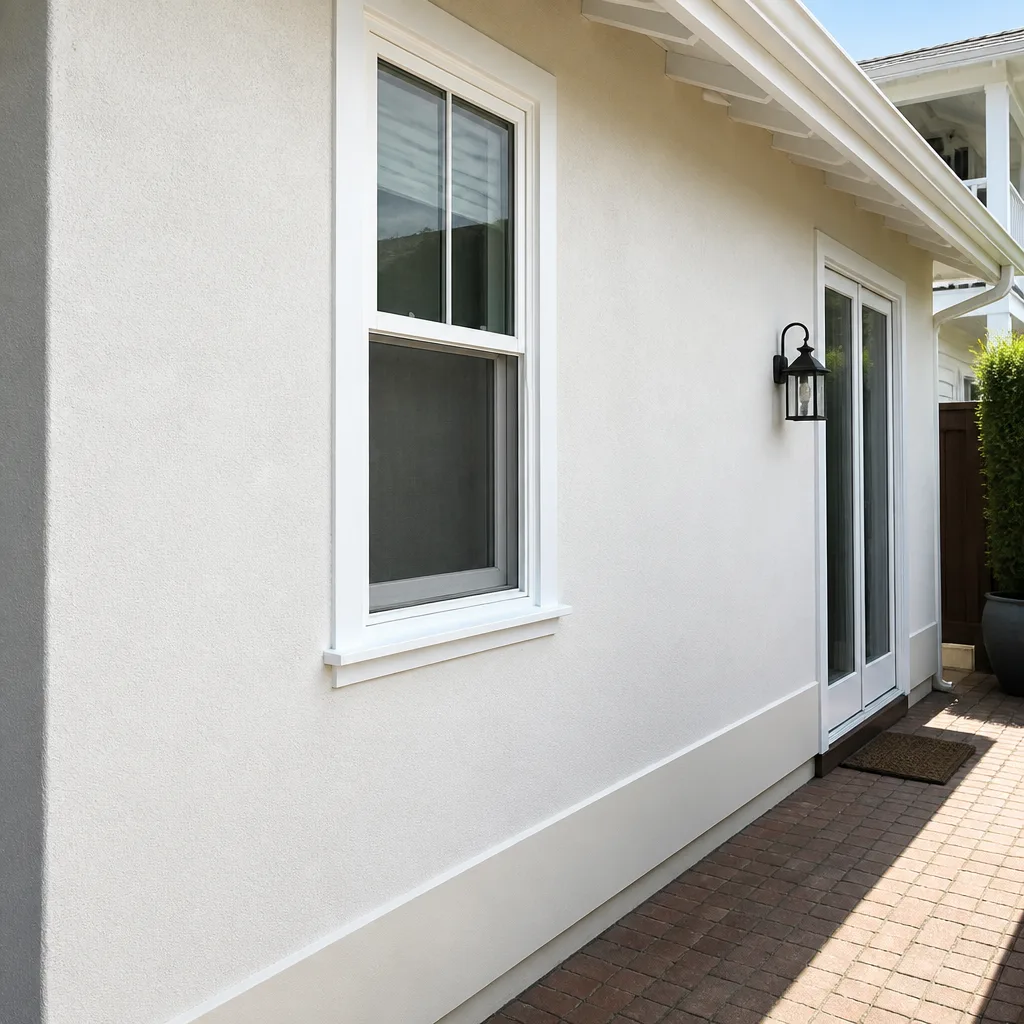 After
After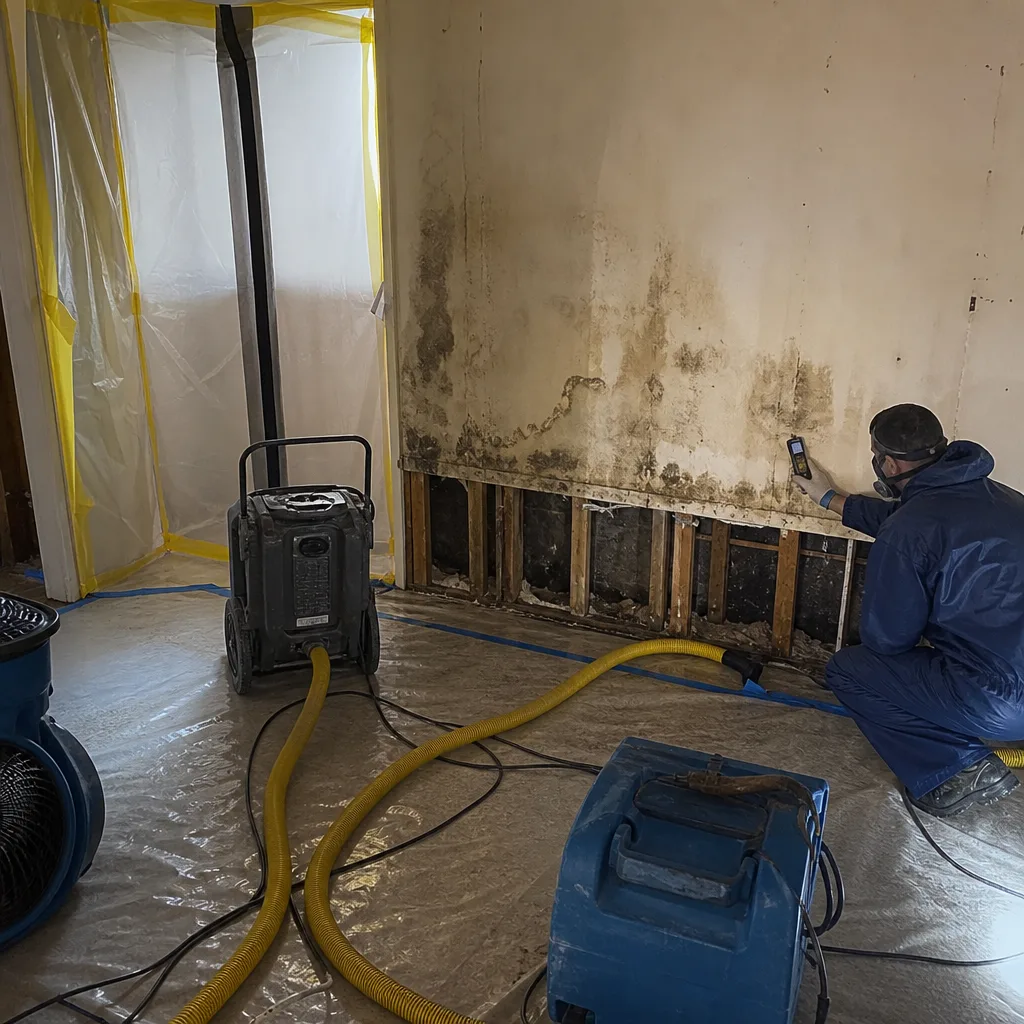 Before
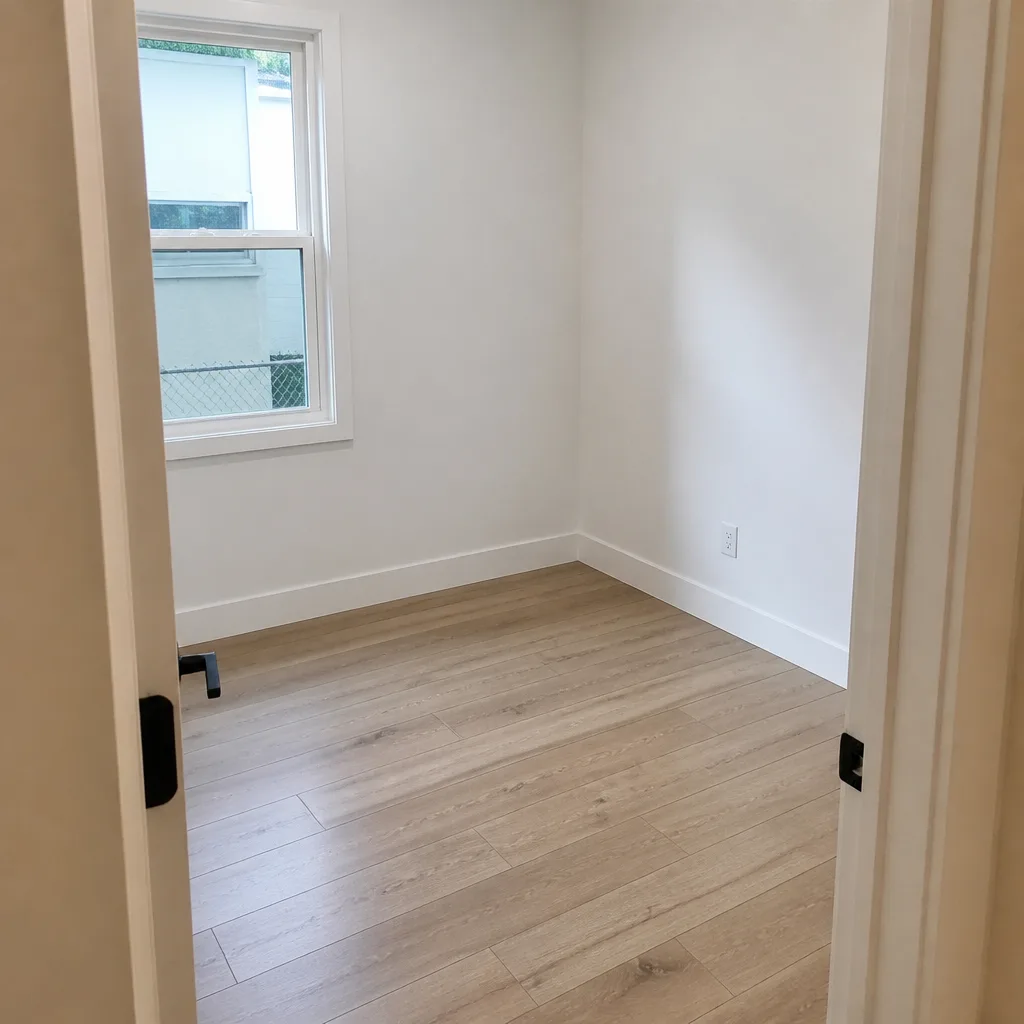 After
After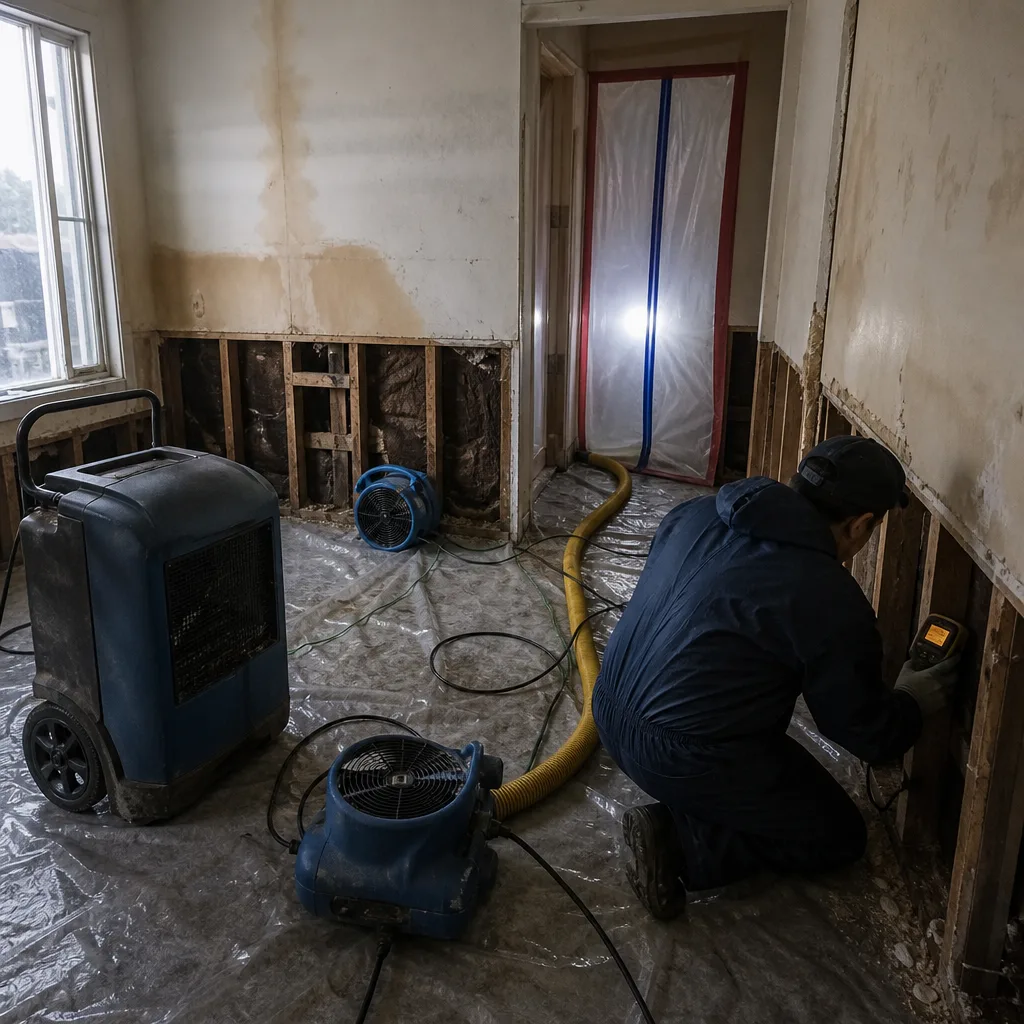 Before
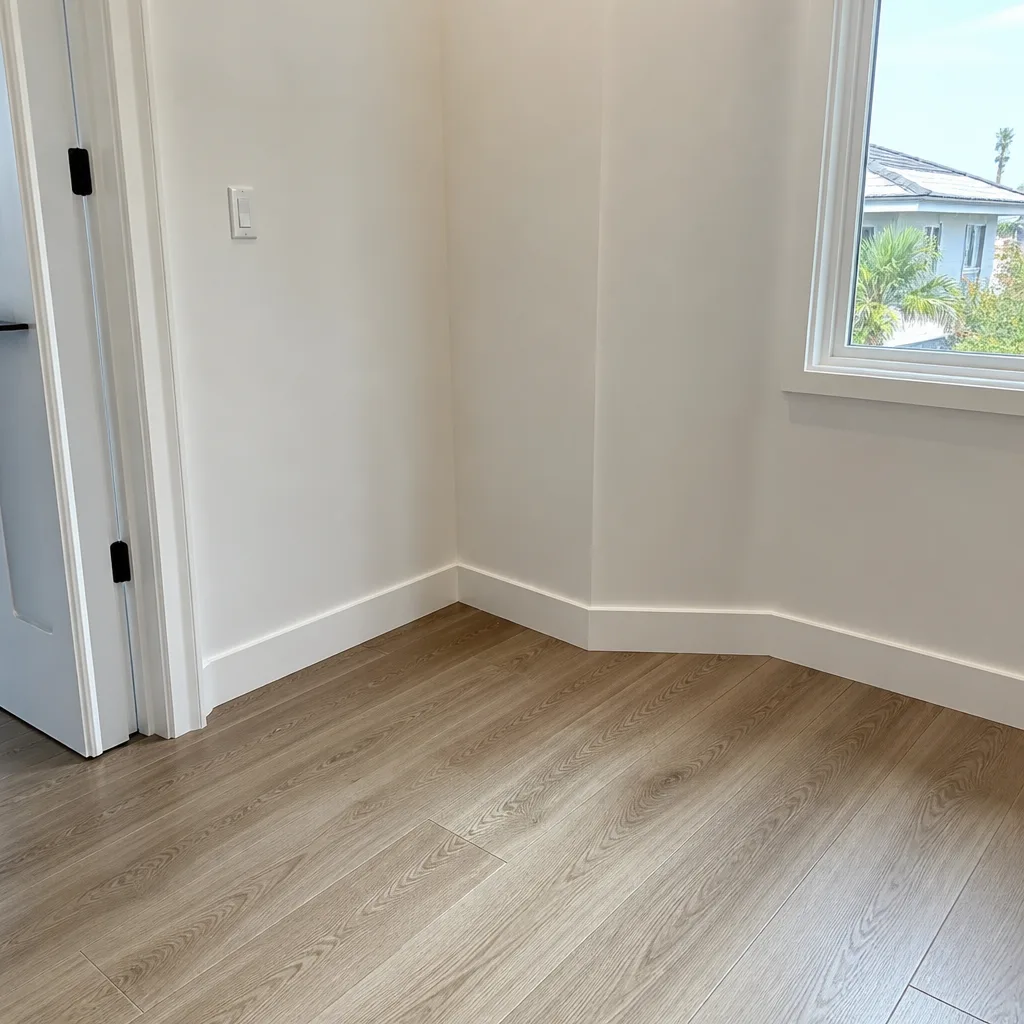 After
AfterDamage Restoration Permits, Codes & Inspections in CA: What You Need to Know
Unpermitted drywall replacement after water damage is legal to do but catastrophically expensive to sell around. A Manhattan Beach home with a “work done without permit” flag on its disclosure can lose $40,000-$80,000 in negotiated price based on recent South Bay transaction data. In this guide, we’ll walk through the exact dollar and scope thresholds that trigger permit requirements under California Residential Code, how permit records become part of your insurance claim file, and why the Manhattan Beach Building Division’s online portal is a tool every homeowner should check before hiring any restoration contractor.
Quick Answer
Most damage restoration work in California requires a building permit when structural elements are altered, when the repair exceeds $500 in value for electrical or plumbing work, or when the total project value crosses local valuation thresholds, typically $1,000-$5,000 depending on the jurisdiction. Like-for-like repairs, such as replacing wet drywall with identical material in the same location, generally do not require permits, but any work that changes the building’s footprint, load-bearing capacity, or mechanical systems does. In Manhattan Beach, the Building Division enforces these rules through the California Residential Code as locally amended, and permit history is publicly searchable online.
Table of Contents
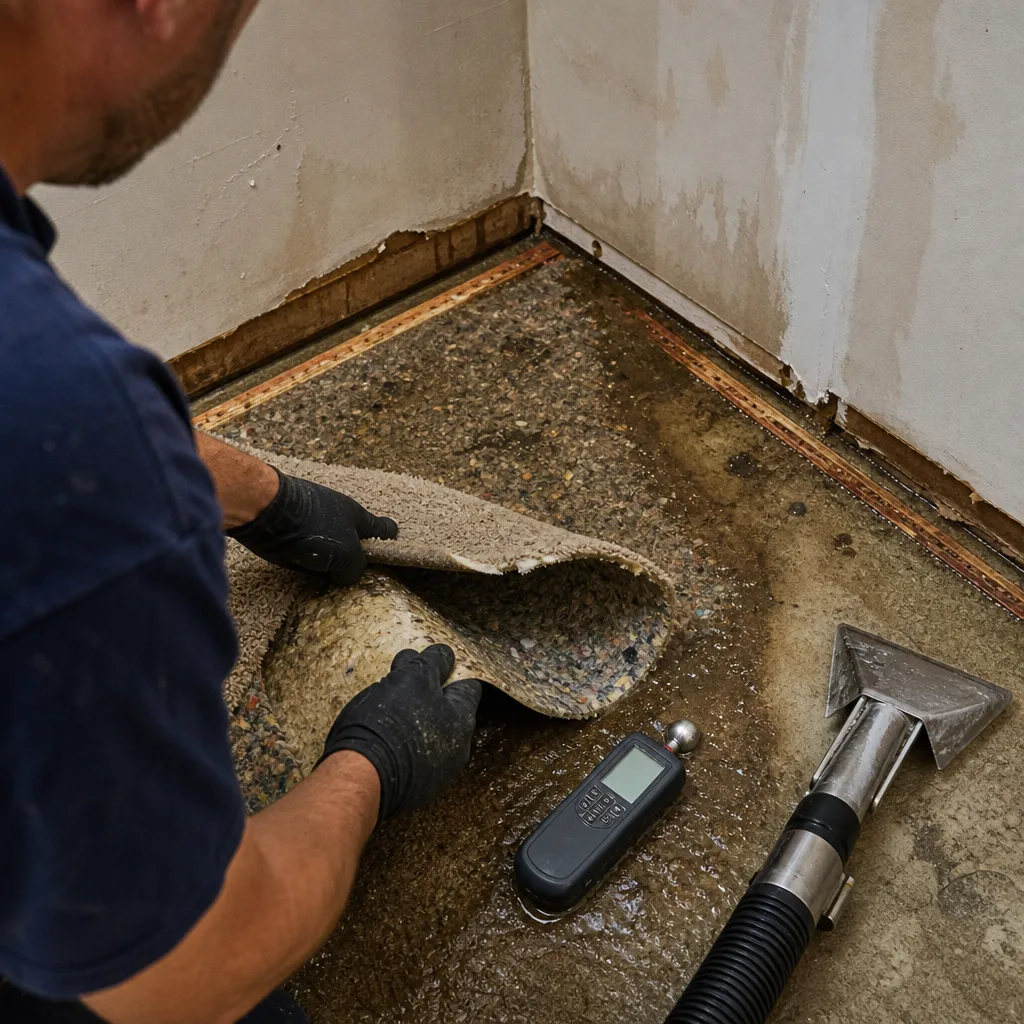
- When Is a Permit Required for Restoration Work?
- Like-for-Like Repair vs. Alteration: The Critical Distinction
- The Manhattan Beach Permit Process: Step by Step
- How Permits Become Part of Your Insurance Claim File
- California Health and Safety Code 17920.3 and Mold Documentation
- Contractor Licensing: B General vs. Specialty Classification
- How to Verify Permit History Before You Buy or File
- Common Mistakes to Avoid
- When to Call a Professional
- Frequently Asked Questions
- The Bottom Line
 Before
 After
AfterWhen Is a Permit Required for Restoration Work?
California Building Standards Code, Title 24, delegates permit authority to local jurisdictions while establishing baseline requirements. For restoration work specifically, the trigger points cluster around four categories: structural modification, mechanical system work, valuation thresholds, and health-and-safety remediation.
Structural modification is the clearest case. If fire damage requires replacing a load-bearing stud, altering a header, or reframing any element that carries weight, a permit is mandatory. The same applies when water damage compromises subflooring that must be cut back beyond the original fastening pattern, or when mold remediation requires removing sheathing that affects lateral bracing. Manhattan Beach, built on sandy coastal soils with specific seismic considerations, enforces structural permits strictly. The city amended the California Residential Code to require engineering review for any repair involving more than 32 square feet of shear wall replacement.
Mechanical system work triggers permits at lower thresholds. Electrical repairs exceeding $500 in value require an electrical permit, even if the work is restoration of existing circuits. Plumbing permits apply to any alteration of supply or waste lines, including relocation of fixtures during a rebuild. HVAC ductwork replacement after fire or smoke damage requires a mechanical permit if the system capacity or routing changes. In our experience across Manhattan Beach and the South Bay, the most common permit-triggering scenario is a water damage restoration that requires relocating an electrical panel or subpanel due to saturated wall cavities.
Valuation thresholds vary by city. Manhattan Beach uses a sliding scale:
- Projects valued under $1,000: no permit required for like-for-like repairs
- Projects valued $1,000-$5,000: permit required, but may qualify for over-the-counter review
- Projects exceeding $5,000: full plan review, with structural or MEP engineering as applicable
These valuations include materials and labor at market rates, not contractor cost. A homeowner who self-performs work must still value labor at prevailing wage for permit purposes.
Health-and-safety remediation occupies a distinct category. Mold remediation exceeding 10 square feet of visible growth, or any project involving Category 3 water (sewage or ground surface water), triggers notification requirements under California Labor Code and may require permits if containment structures or negative air systems alter building egress or ventilation. The Manhattan Beach Building Division coordinates with Los Angeles County Environmental Health on these cases.
We document every permit requirement in our written scope before work begins. Haven Standard, Clause 1: written price before work begins. That scope includes a permit line item when applicable, with the estimated city fee based on current Manhattan Beach rate schedules.
Like-for-Like Repair vs. Alteration: The Critical Distinction
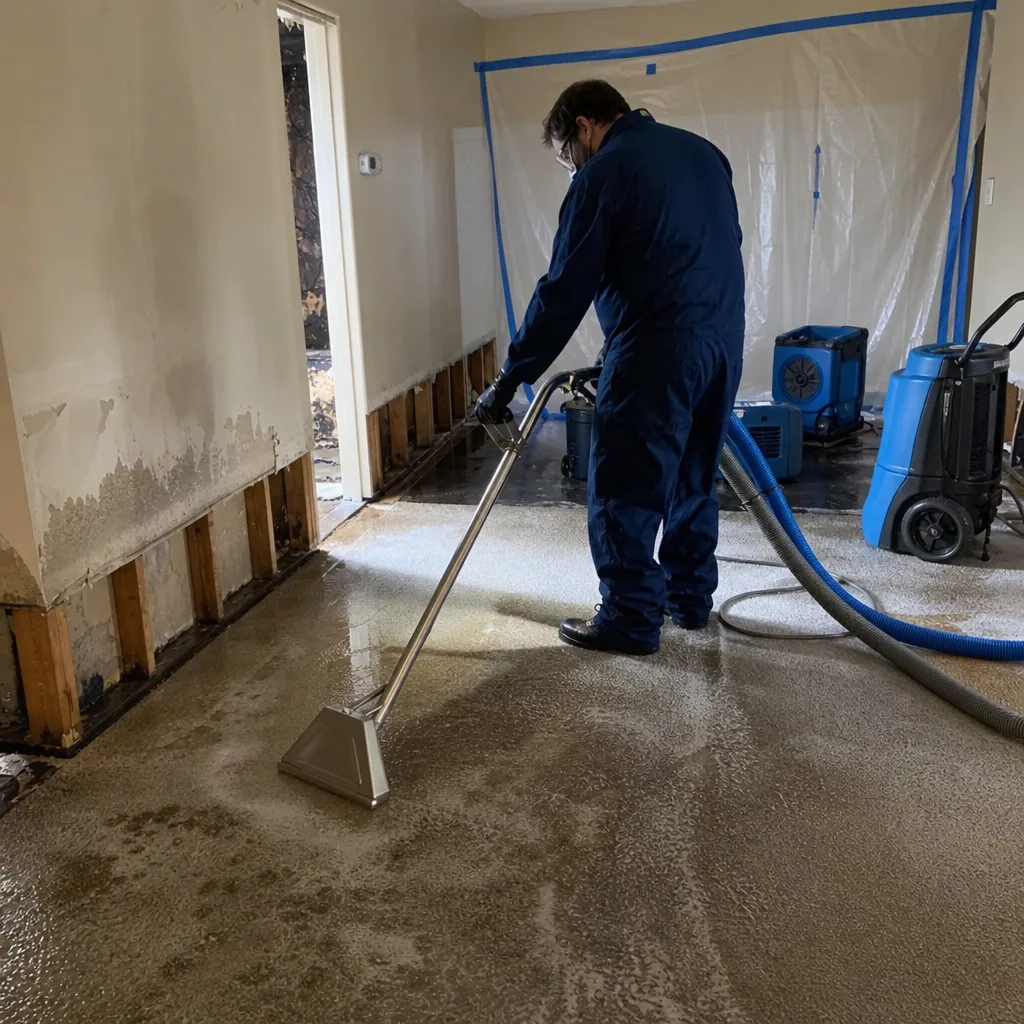
The California Residential Code distinguishes between “repair or replacement of existing equipment or materials in kind” and “alterations” that change the building’s configuration, capacity, or performance. This distinction determines permit requirements, inspection schedules, and, critically, how the work appears in property records.
Like-for-like repair means replacing damaged material with identical or equivalent material in the same location, without changing dimensions, fastening patterns, or finishes. Examples that typically do not require permits in Manhattan Beach:
- Drywall replacement in the same thickness and type, taped and finished to match existing texture
- Floor covering replacement with similar material, subfloor intact
- Cabinet or countertop replacement without plumbing or electrical modification
- Interior door or trim replacement of equivalent size and swing
- Paint and wall covering application
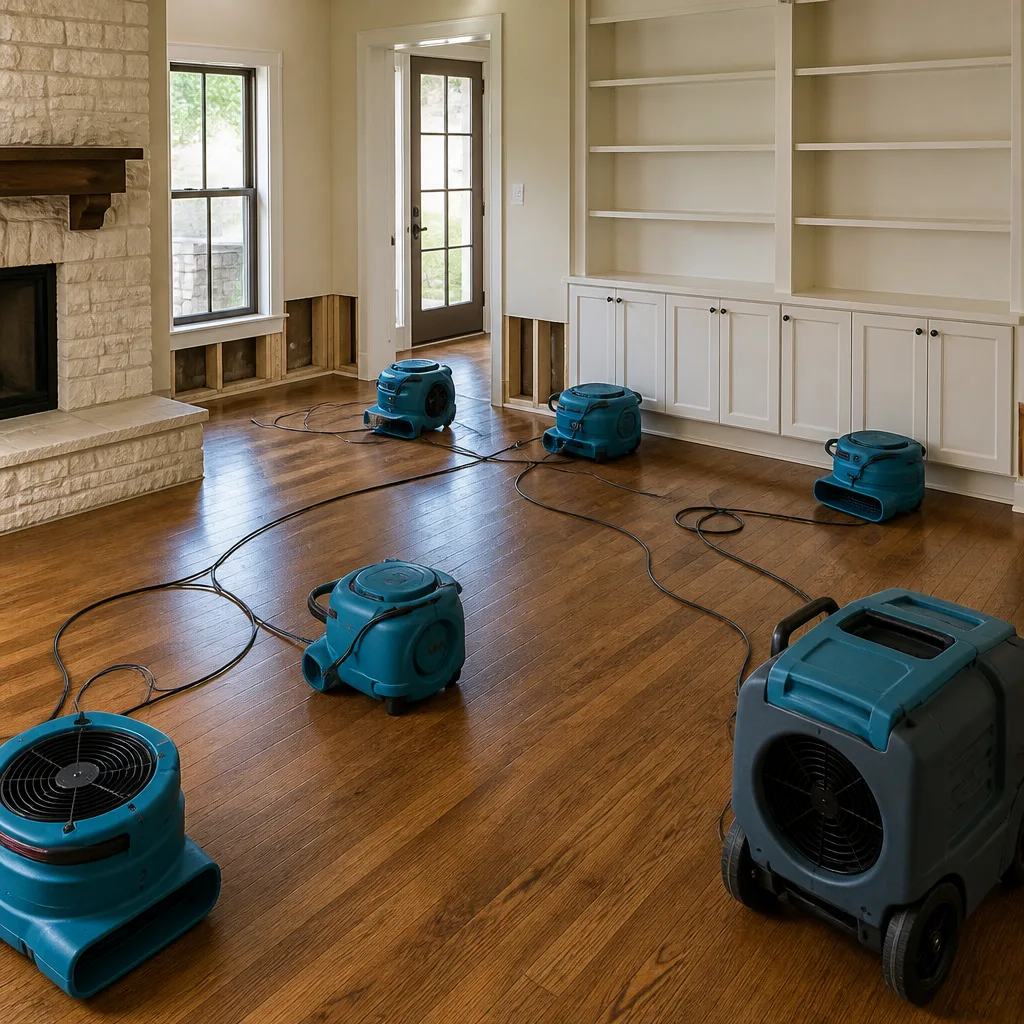
Even within like-for-like work, documentation matters. We photograph every square foot of removed material and every square foot of replacement material. Our drying logs, generated from Dri-Eaz and Phoenix dehumidification systems, establish that materials were replaced due to documented moisture damage, not cosmetic preference. This documentation becomes part of the claim file and protects the homeowner if an insurer later questions whether the work was restoration or improvement.
Alteration changes something about the building’s function or performance. Common restoration scenarios that cross into alteration:
- Replacing water-damaged plaster with drywall, which changes fire rating and acoustic performance
- Installing moisture-resistant cement board in a bathroom that previously had standard drywall
- Upgrading electrical circuits from 15-amp to 20-amp during restoration
- Relocating a kitchen sink to accommodate new cabinet layout after water damage
- Adding a vapor barrier or insulation where none existed, changing the wall assembly’s drying potential
The vapor barrier example is particularly relevant in Manhattan Beach’s marine climate. We’ve seen homes in the Hill Section where well-intentioned mold remediation included installing polyethylene sheeting behind new drywall. Without a permit and inspection, this altered the wall’s drying dynamics and trapped residual moisture, creating worse mold conditions 18 months later. Proper documentation would have required a hygrothermal analysis and, likely, a different assembly design.
When we scope a project, we flag every element that crosses from repair to alteration. The homeowner sees this in writing before work starts, with the permit cost and inspection schedule itemized. No scope creep, no surprises.
The Manhattan Beach Permit Process: Step by Step
Manhattan Beach operates its Building Division at City Hall on Prospect Avenue, with an online portal that accepts permit applications, schedules inspections, and displays permit history for any address in the city. For restoration work, the process typically follows this sequence:
- Application and plan submission. For projects under $5,000 with no structural changes, a contractor-licensed in California, with current Manhattan Beach business license, can apply over the counter with a scope of work narrative and photos of the damaged area. Projects over $5,000 or with structural elements require plans stamped by a California-licensed architect or engineer.
- Plan review. Over-the-counter permits issue same day if the scope is clear and complete. Full plan review takes 10-15 business days for residential projects. Manhattan Beach charges review fees at 65% of the permit fee, with a minimum of $198.
- Permit issuance. The permit fee is calculated from the project valuation using the International Code Council fee schedule, as adopted and amended by the city. For a typical water damage restoration involving drywall, flooring, and electrical repair valued at $8,500, the permit fee runs approximately $340-$420.
- Work commencement and inspections. Work must begin within 180 days of permit issuance, and the first inspection must be requested within that window. Typical restoration inspections include: pre-cover (framing, electrical, plumbing before drywall), insulation, and final. Each inspection requires 24-hour advance scheduling through the online portal or by phone.
- Final inspection and certificate of completion. Upon passing final inspection, the Building Division issues a certificate of completion, which is recorded against the property’s Assessor Parcel Number. This record is permanent and visible to title companies, buyers, and insurers.
Manhattan Beach offers an expedited inspection track for emergency repairs, such as board-ups after fire or water damage mitigation that requires opening walls for drying. This does not bypass permit requirements but compresses the timeline. We coordinate these requests when our moisture mapping, documented with water damage restoration in Manhattan Beach, shows that delayed access will expand the affected area.
One local specificity: Manhattan Beach requires a coastal development permit for any work visible from the public right-of-way in the Sand Section, including exterior repairs after storm damage. This adds 2-4 weeks to the timeline and requires Planning Division review. We flag this in our written scope when properties fall within the coastal zone.
How Permits Become Part of Your Insurance Claim File
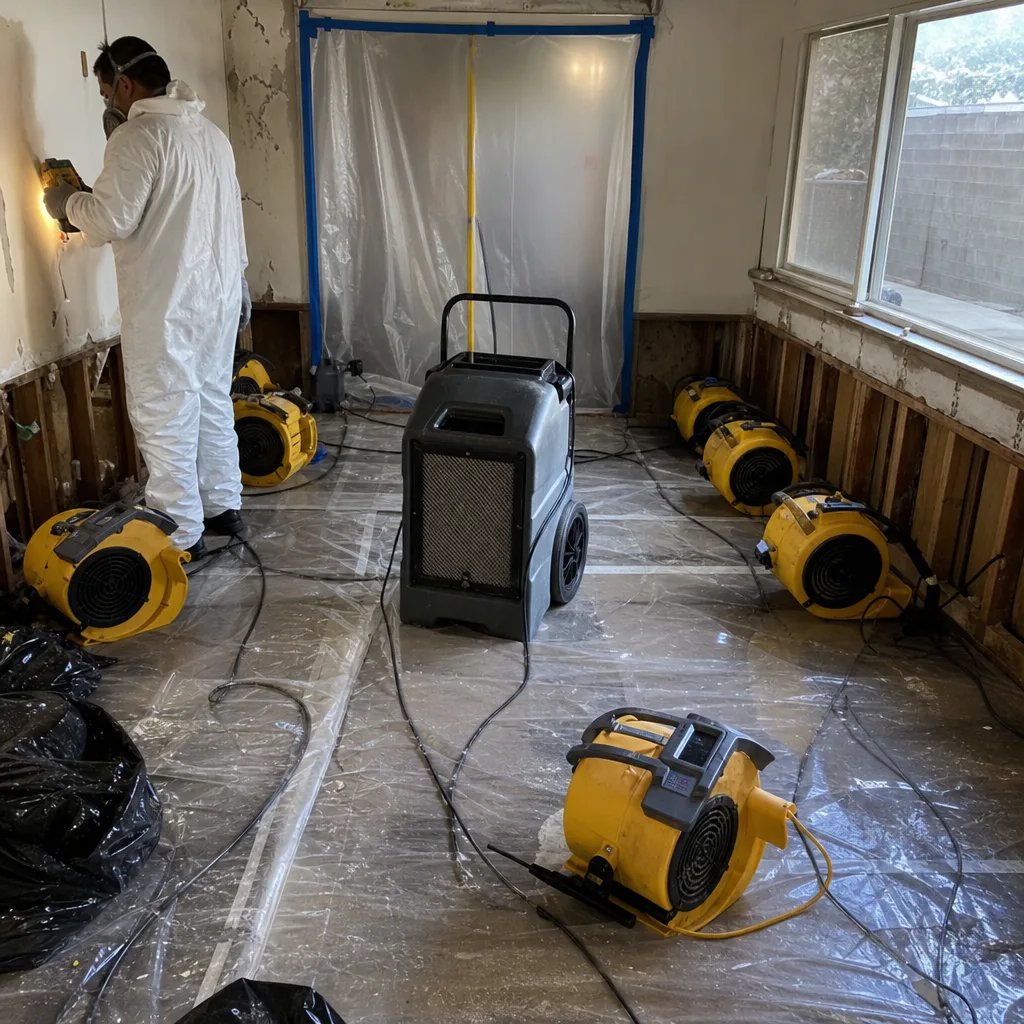
The relationship between permits and insurance claims has tightened significantly in the past five years. Where insurers once treated permits as the contractor’s internal matter, many now require permit documentation before closing large restoration claims or releasing depreciation holdbacks.
The mechanism is straightforward. When an insurer pays a claim for dwelling damage, the policy typically includes a “repair or rebuild” clause requiring the work to comply with applicable building codes. If the work is performed without required permits, the insurer has grounds to argue that the repair does not satisfy this clause. In disputes, we’ve seen carriers deny subsequent claims, arguing that unpermitted work created or concealed conditions that contributed to the new loss.
More immediately, permit records affect claim valuation. California law requires insurers to pay for code upgrade coverage when mandated by ordinance or law, but only when the upgrade is triggered by a permitted repair. If a water damage restoration includes electrical panel relocation necessitated by code changes since the home’s original construction, the insurer pays the upgrade cost only if the permit application identifies the code trigger. Without that permit, the homeowner absorbs the $2,000-$5,000 panel upgrade cost.
We build permit documentation into our claim support from day one. Every photo record includes the permit application number on a placard in the frame. Our written scope references the applicable code section for each permitted element. Daily drying logs from our XPOWER and B-Air air movers, correlated to psychrometric targets, establish that mitigation work preceded and necessitated the repair scope.
For homeowners, the practical step is verifying that your restoration contractor’s invoice includes permit fees as a line item, not buried in overhead. See our DIY vs Professional Damage Restoration: The Manhattan Beach Homeowner’s Decision Guide for help evaluating contractor bids. If the scope includes work that clearly requires a permit and no permit fee appears, ask directly. The absence is a red flag that the work may be performed without proper documentation, leaving you exposed at claim closure or sale.
California Health and Safety Code 17920.3 and Mold Documentation
California Health and Safety Code Section 17920.3 defines “substandard building” conditions, including structural inadequacy, faulty sanitation, and inadequate ventilation. While primarily a housing code enforcement tool, this statute intersects with restoration work in ways that directly affect permit and documentation requirements.
When mold remediation is performed in a manner that disturbs structural elements or alters ventilation systems, the work can trigger 17920.3 if not properly documented. Los Angeles County, which includes Manhattan Beach, has cited properties where mold remediation removed bathroom exhaust ducting without permit or replacement, creating a substandard ventilation condition. The citation becomes part of the property record, discoverable by buyers and insurers.
The documentation threshold for mold work is higher than for water damage alone. Under California Labor Code and Cal-OSHA requirements, any mold remediation exceeding 10 square feet of visible growth requires a written work plan, containment documentation, and post-remediation verification. In Manhattan Beach, the Building Division accepts this documentation in lieu of a separate mold permit only when the work is purely surface remediation with no structural or system modification. Any removal of drywall, insulation, or sheathing requires the standard building permit.
We approach mold remediation in Manhattan Beach with dual documentation tracks: the health-and-safety work plan for regulatory compliance, and the building permit for structural repairs. Both are included in the written scope before work begins. Our post-remediation verification includes air sampling and surface sampling, with laboratory results attached to the final documentation package. This satisfies insurer requirements, buyer due diligence, and the 365-Day Done Right Promise under The Haven Standard.
The connection to property value is concrete. A Manhattan Beach home sold in 2023 with unresolved 17920.3 conditions, originating from unpermitted mold remediation, closed $67,000 below comparable properties after the buyer’s inspector flagged the citation. The seller had no documentation to prove the work was performed to standard.
Contractor Licensing: B General vs. Specialty Classification
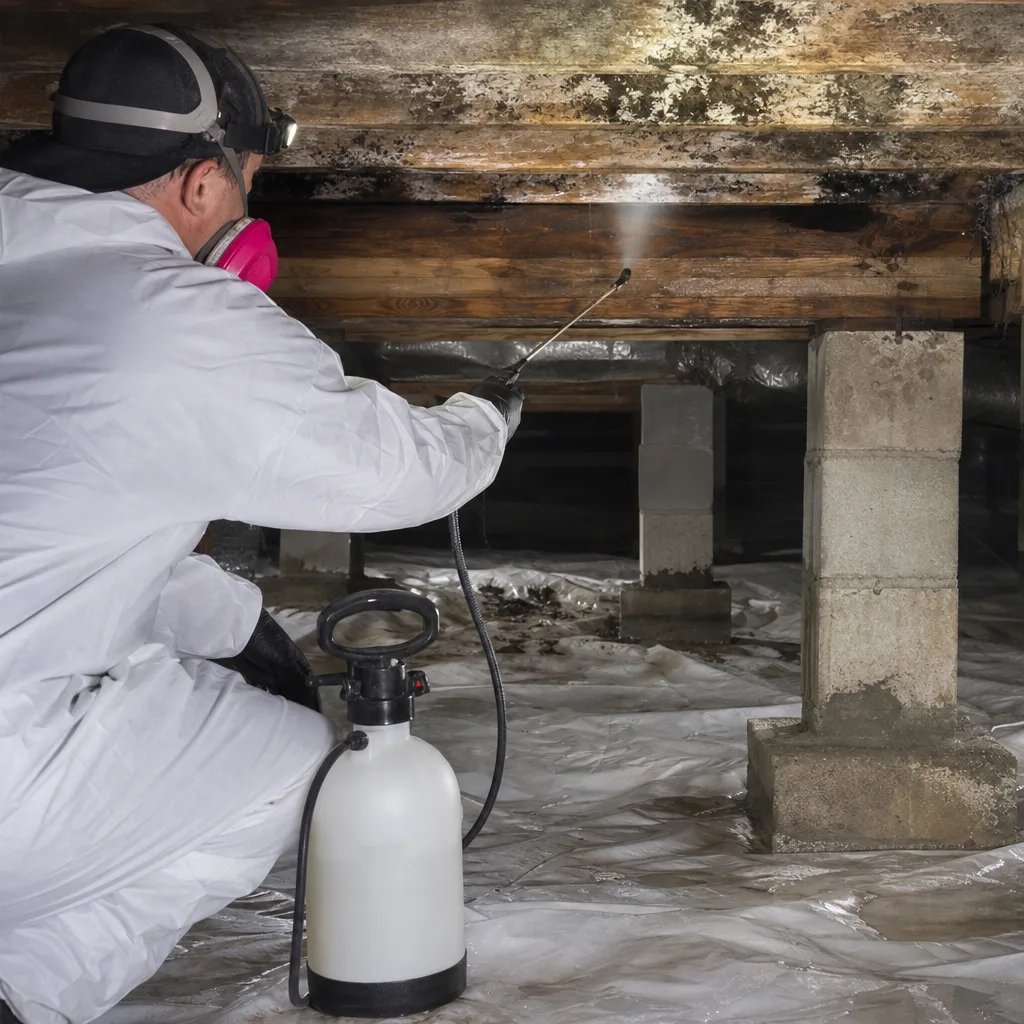
California Contractors State License Board regulations govern who can pull permits and perform restoration work. The distinction between a B General Building Contractor and specialty classifications affects permit eligibility, project scope, and legal liability.
A B General Building Contractor can perform any construction work, including restoration, and can self-perform or subcontract all trades. This is the appropriate license for comprehensive restoration projects involving multiple systems: water damage with structural drying, drywall, flooring, electrical, and plumbing. The B license holder pulls the permit and assumes responsibility for all work, including subcontracted trades.
Specialty classifications are more limited:
- C-36 Plumbing Contractor: water damage mitigation involving plumbing systems, but not structural or finish work unless performed under a B general contractor’s supervision
- C-10 Electrical Contractor: electrical repairs and panel work, but cannot pull a permit for a project whose primary scope is non-electrical
- C-20 Warm-Air Heating, Ventilating and Air-Conditioning Contractor: HVAC restoration, ductwork replacement, but limited to mechanical systems
- C-54 Tile Contractor, C-33 Painting and Decorating Contractor, C-51 Structural Steel Contractor: narrow scopes appropriate only for single-trade restoration work
The critical point for homeowners: a contractor performing comprehensive restoration under a specialty license, without B general supervision, cannot legally pull a permit for the full scope. We’ve encountered water damage projects in Manhattan Beach where a C-36 plumber performed and billed for drywall, flooring, and electrical work, none of it permitted because the plumber lacked B classification. The homeowner discovered this at sale, when the unpermitted work appeared on disclosure and the buyer demanded a $15,000 escrow holdback.
DryMark Restoration Manhattan Beach operates under Alicia Brennan’s B General Building Contractor license, with specialty contractors employed or subcontracted as needed for electrical, plumbing, and mechanical work. All permit applications list the B license as the responsible party, ensuring single-point accountability and clean title records.
Verification is simple. The CSLB website (cslb.ca.gov) allows license lookup by name or number. Any homeowner hiring a restoration contractor should verify that the license classification matches the scope of work, that the license is active with no pending disciplinary action, and that the contractor carries workers’ compensation insurance if they have employees. We provide this information in our written proposal, with license number and insurance certificate attached.
How to Verify Permit History Before You Buy or File
The Manhattan Beach Building Division maintains permit records back to 1985, with full digitization of records from 2005 forward. These records are public and searchable, providing critical due diligence information for buyers, sellers, and homeowners preparing insurance claims.
To search permit history:
- Navigate to the Manhattan Beach Building Division online portal at the city’s official website.
- Select “Permit History Search” from the online services menu.
- Enter the property address or Assessor Parcel Number (APN). The APN is preferable for accuracy, as street addresses can have variants.
- Review the permit record, which displays: permit number, type, description, issue date, final inspection date, and status (active, expired, completed, or revoked).
- For detailed scope review, click through to the permit application, which includes the contractor’s name, license number, and project valuation.
What to look for in a permit history:
- Completed permits with no final inspection: Indicates work that may be unfinished or was abandoned. A red flag for hidden damage or contractor failure.
- Permits issued to unlicensed contractors or owner-builders: Owner-builder permits are legal but carry no contractor warranty. Unlicensed contractor permits are invalid and expose the property to code enforcement.
- Permits for work that does not match visible conditions: A permit for “drywall repair, 200 square feet” when a whole room was clearly rebuilt suggests unpermitted expansion of scope.
- Expired permits with no extension: Work that began but was never inspected or completed. May indicate structural or system problems that halted the project.
- Multiple permits for the same damage event: Suggests piecemeal contracting or permit splitting to avoid higher fees or plan review thresholds.
For insurance claims, permit history provides baseline documentation of pre-loss conditions. If a home had a 2019 permit for bathroom remodel with updated plumbing, and a 2024 water damage claim involves that bathroom, the insurer cannot attribute the loss to original construction. We pull permit history as a standard part of our claim documentation, at no charge to the homeowner.
For buyers in Manhattan Beach’s competitive market, permit history is as important as the inspection report. The Sand Section and Tree Section neighborhoods, with older housing stock and premium pricing, show the highest incidence of unpermitted restoration work from previous owners. A $40,000-$80,000 price reduction at negotiation, based on permit gaps, is not theoretical; it’s what we see in transaction data from local agents who share their experience with us. Learn to spot problems early with Damage Restoration Warning Signs: A Manhattan Beach Homeowner’s Reference Guide.
Common Mistakes to Avoid
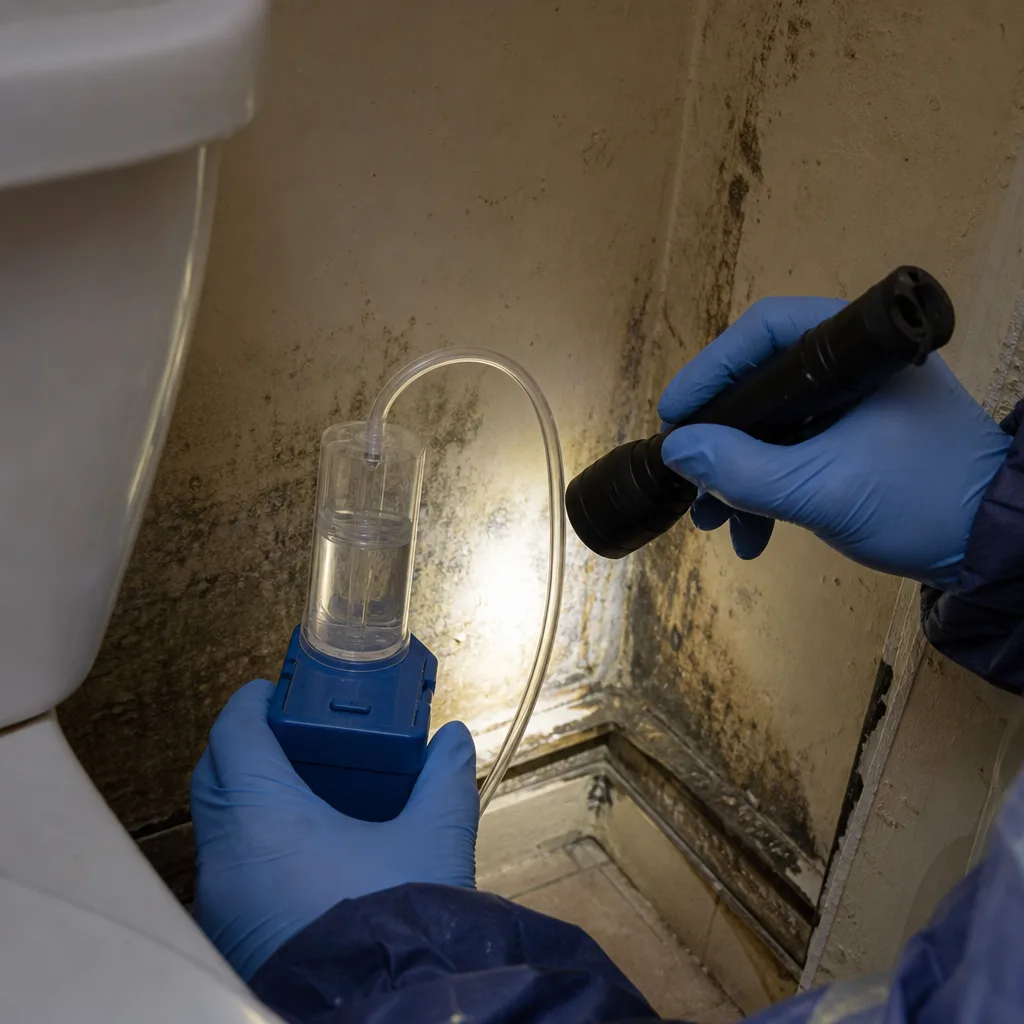
- Assuming “restoration” is exempt from permits. California law does not create a restoration exemption. The nature of the work, not the cause of damage, determines permit requirements. A homeowner who replaces fire-damaged drywall with identical material needs no permit; a homeowner who upgrades to mold-resistant drywall during that replacement does.
- Letting the contractor handle permits without verification. We recommend requesting the permit application number within 48 hours of work commencement and confirming it on the Manhattan Beach portal. Contractors who delay or deflect may be working without proper documentation.
- Accepting verbal assurance that work is “like-for-like” when the scope has changed. Any material upgrade, relocation, or system change crosses into alteration. Get the scope in writing, with permit determination documented, before work starts.
- Failing to obtain final inspection certificates. A permit without final inspection is incomplete. The work is not legally certified, and the permit remains open indefinitely. Some cities close permits administratively after expiration, but Manhattan Beach does not; open permits require formal closure.
- Not disclosing unpermitted work at sale. California requires disclosure of “material facts” affecting property value. Unpermitted restoration work, once known, must be disclosed. Concealment exposes the seller to post-sale liability and voids the title policy’s coverage for known defects.
- Hiring out-of-area contractors unfamiliar with Manhattan Beach amendments. The city’s coastal zone requirements, seismic bracing rules, and specific shear wall thresholds differ from inland jurisdictions. A contractor based in the San Fernando Valley may pull a standard California permit that misses local amendments, resulting in failed inspection and rework.
- Ignoring permit requirements for “minor” electrical or plumbing work. The $500 threshold for electrical work is lower than most homeowners expect. Replacing a water-damaged outlet, GFCI, or light switch in a bathroom often exceeds this value when labor is included at prevailing rates.
When to Call a Professional
Call a licensed restoration contractor when the damage involves structural elements, electrical or plumbing systems, or when the total repair scope exceeds $1,000 in Manhattan Beach’s permit threshold. Call immediately if you suspect Category 3 water, sewage backup, or mold growth exceeding 10 square feet, these conditions carry health risks and documentation requirements that amateur handling cannot satisfy.
For fire and smoke damage restoration in Manhattan Beach, professional involvement is essential from the first hour. Soot and smoke residues are chemically active and cause secondary damage to surfaces and HVAC systems within days. Proper documentation of the initial condition, with photo records and written scope, determines whether the insurer covers full replacement or limits payment to cleaning.
DryMark Restoration Manhattan Beach offers free estimates in Manhattan Beach. Call (213) 699-3658. Every estimate includes a written scope, permit determination, and documentation plan before any work begins. Haven Standard, Clause 1: written price before work starts, always.
Frequently Asked Questions
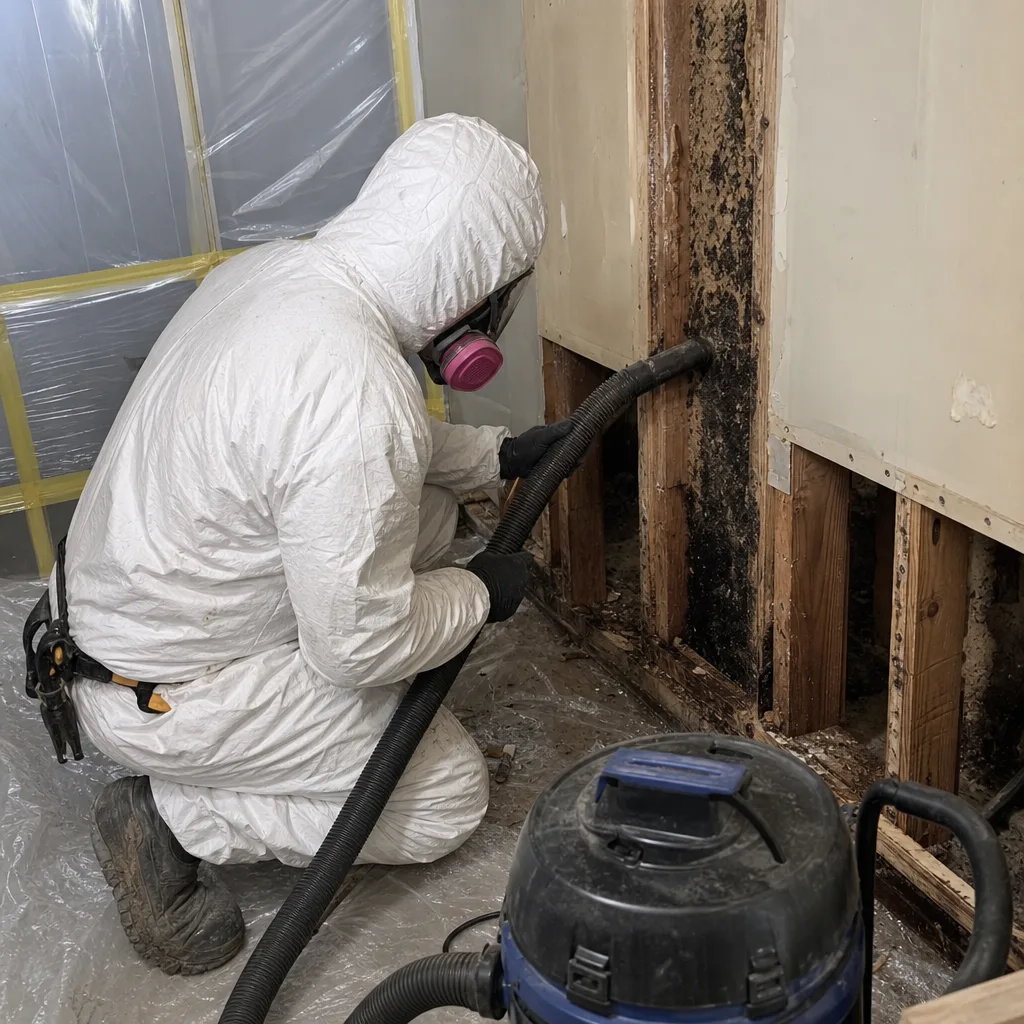
Not if the replacement is truly like-for-like: same thickness, same type, same location, with no changes to framing, insulation, or electrical behind it. If the water damage requires removing and replacing insulation, upgrading to moisture-resistant material, or accessing and modifying electrical or plumbing, a permit is required. Call (213) 699-3658 for a free scope review and permit determination.
Most standard homeowner policies include ordinance or law coverage that pays for permit fees and code upgrade costs when the repair triggers a current code requirement. The key is proper documentation: the permit application must identify the code section that necessitates the upgrade, and the work must be performed under that permit. We itemize permit fees and code upgrades in our written scope, with the supporting code citations, so the insurer has clear documentation for payment.
Over-the-counter permits for straightforward restoration work issue same day if the application is complete. Full plan review takes 10-15 business days. Emergency repairs, such as board-ups or structural stabilization, qualify for expedited processing that compresses this timeline. We coordinate expedited requests when our moisture mapping shows that delay will expand damage.
You must disclose known unpermitted work on the Transfer Disclosure Statement. Failure to disclose exposes you to post-sale liability. Even with disclosure, buyers typically negotiate price reductions of $40,000-$80,000 in Manhattan Beach, based on the cost and uncertainty of bringing work to permit, plus the risk of hidden defects. Some buyers walk entirely. Proper permitting at the time of repair eliminates this exposure.
No. The contractor must hold a California license matching the scope of work. Comprehensive restoration requires a B General Building Contractor license, or specialty licenses for each trade with a B general supervising. We verify license classification before any permit application and provide our license number in every written proposal.
Use the Manhattan Beach Building Division online portal, searchable by address or Assessor Parcel Number. Records from 2005 forward are fully digitized. For older records, contact the Building Division directly. We pull permit history as a standard part of our pre-work documentation, at no charge, to establish baseline conditions for insurance claims.
The Bottom Line
The permit question in restoration work is not bureaucratic housekeeping. It is the single factor that determines whether a repaired structure passes a future buyer’s inspection and whether an insurer can deny a subsequent claim on the grounds that unpermitted work created the conditions for the new loss. In Manhattan Beach, where property values and buyer scrutiny run high, the cost of proper permitting, typically $340-$420 for a standard restoration, is negligible against the $40,000-$80,000 price reduction that unpermitted work can force at sale.
We build permit compliance into every written scope, with documentation that satisfies insurers, buyers, and The Haven Standard. Written price before work begins. Photo record on every visit. License-verified technicians. And a 365-Day Done Right Promise backed by a signed guarantee, not a marketing line.
Written by Alicia Brennan, Owner at DryMark Restoration Manhattan Beach, serving Manhattan Beach since 2011.