
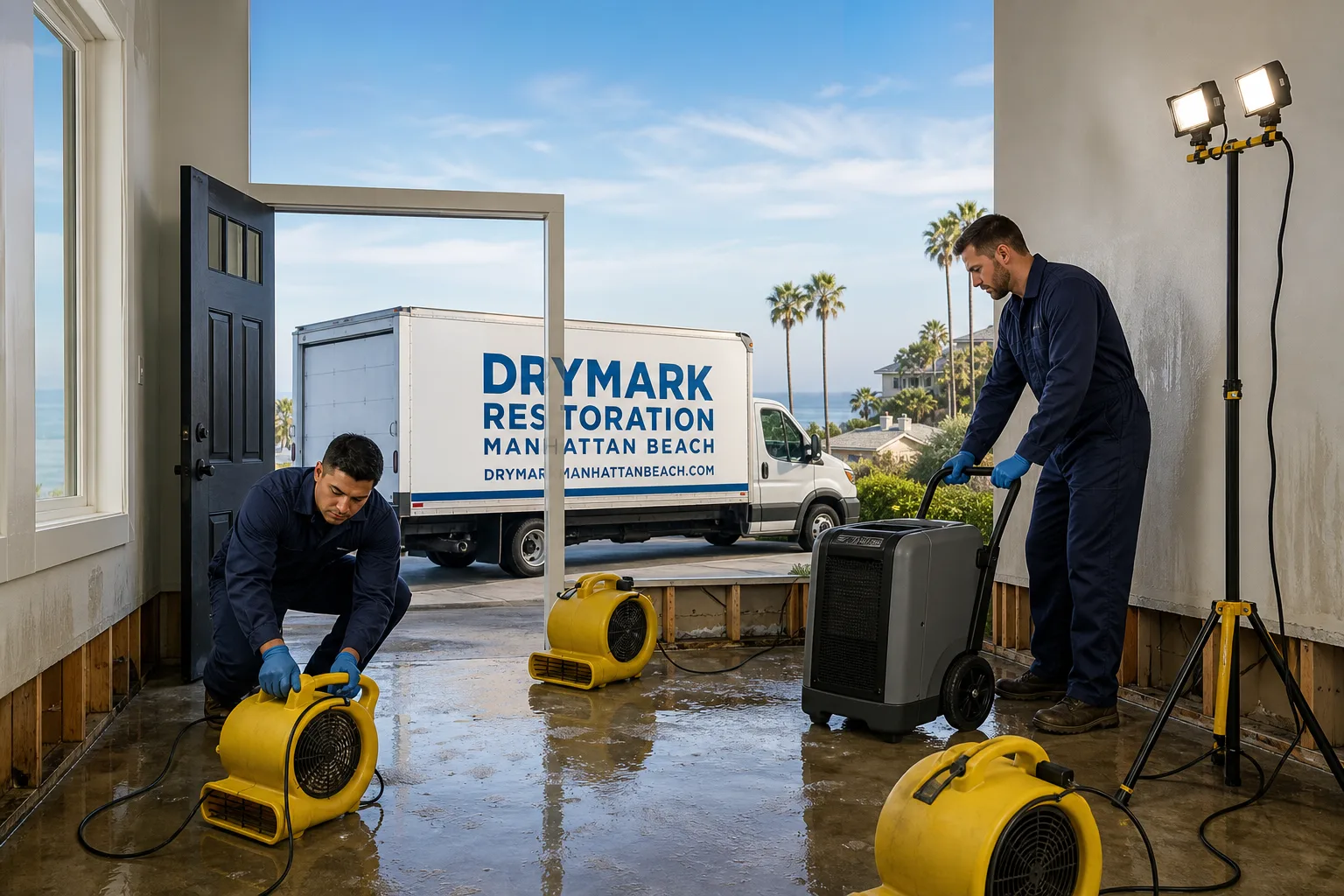
Free visual inspection and a written scope of work before any mitigation begins - photos, moisture readings, and drying logs go in your claim file
The scope we write is the scope we bill. Anything new gets shown to you, in writing, before we touch it.
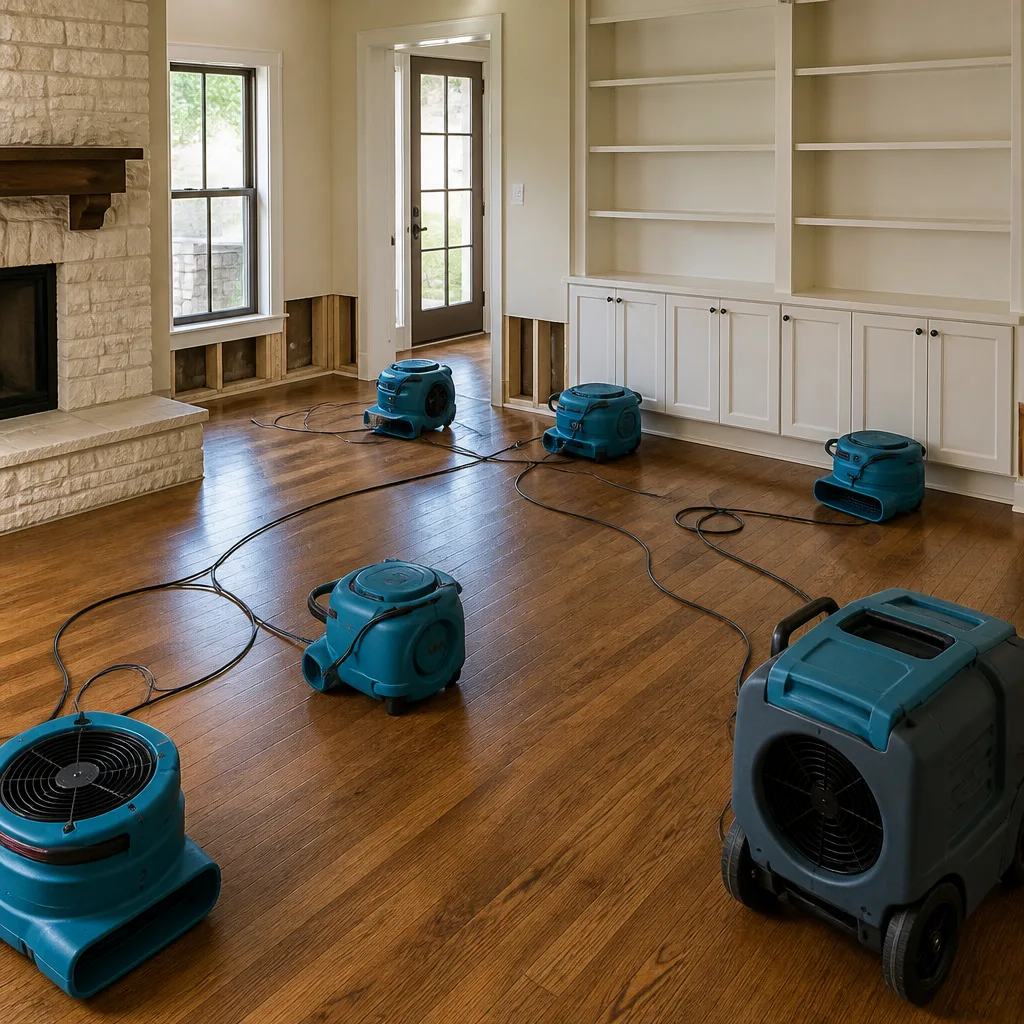
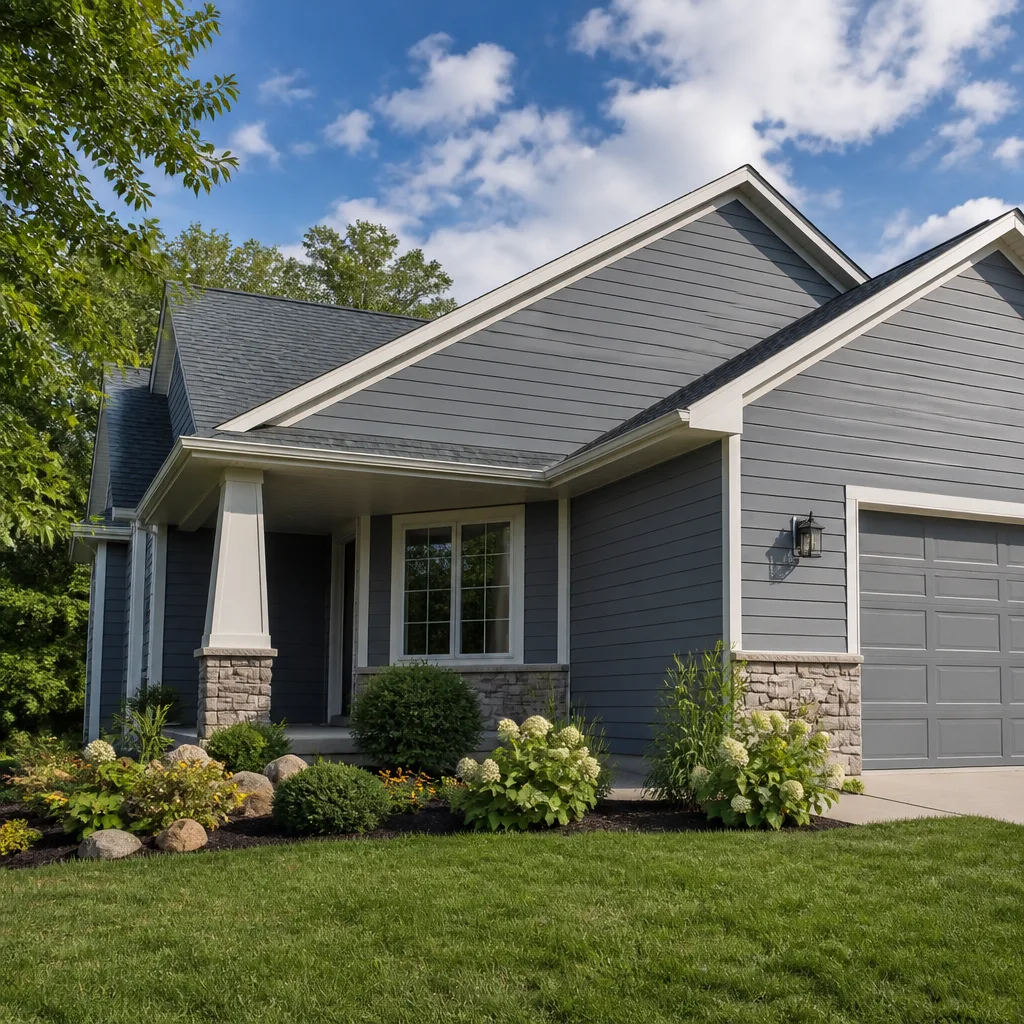
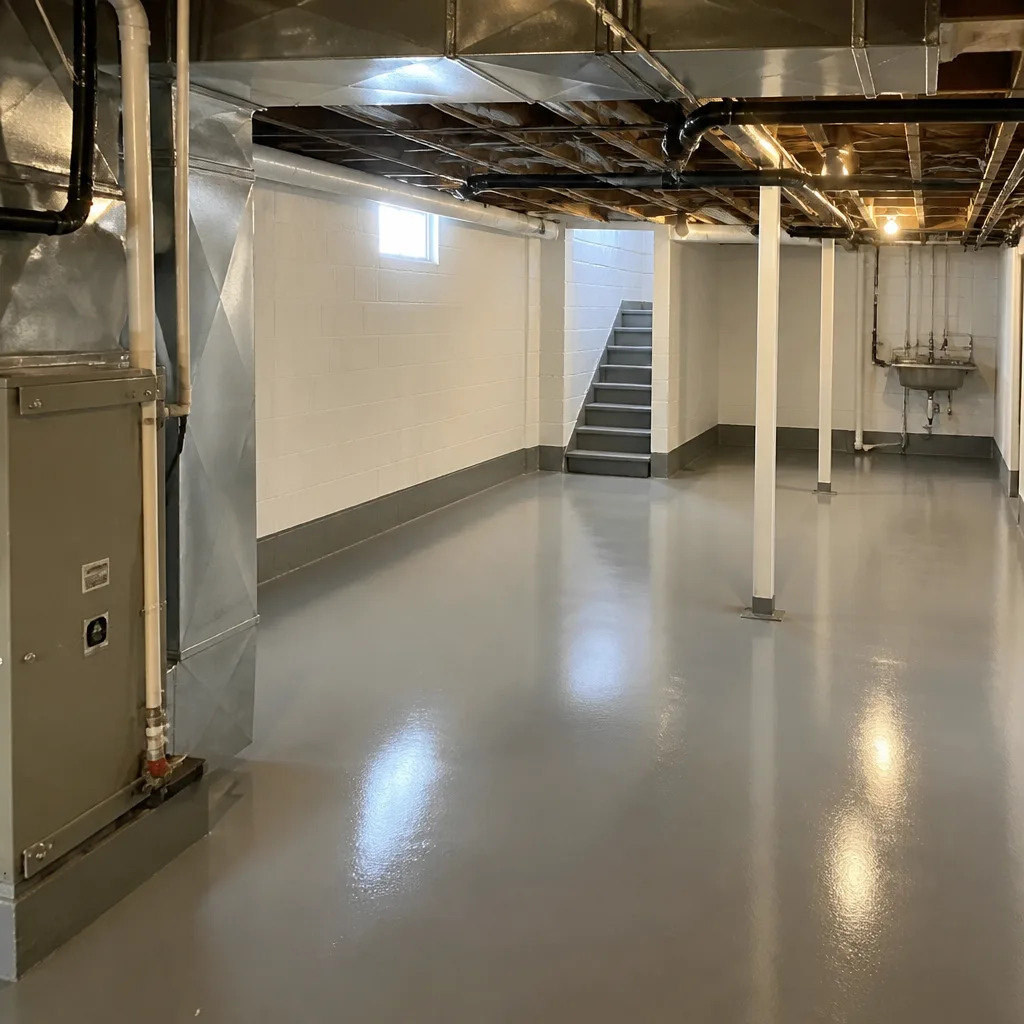
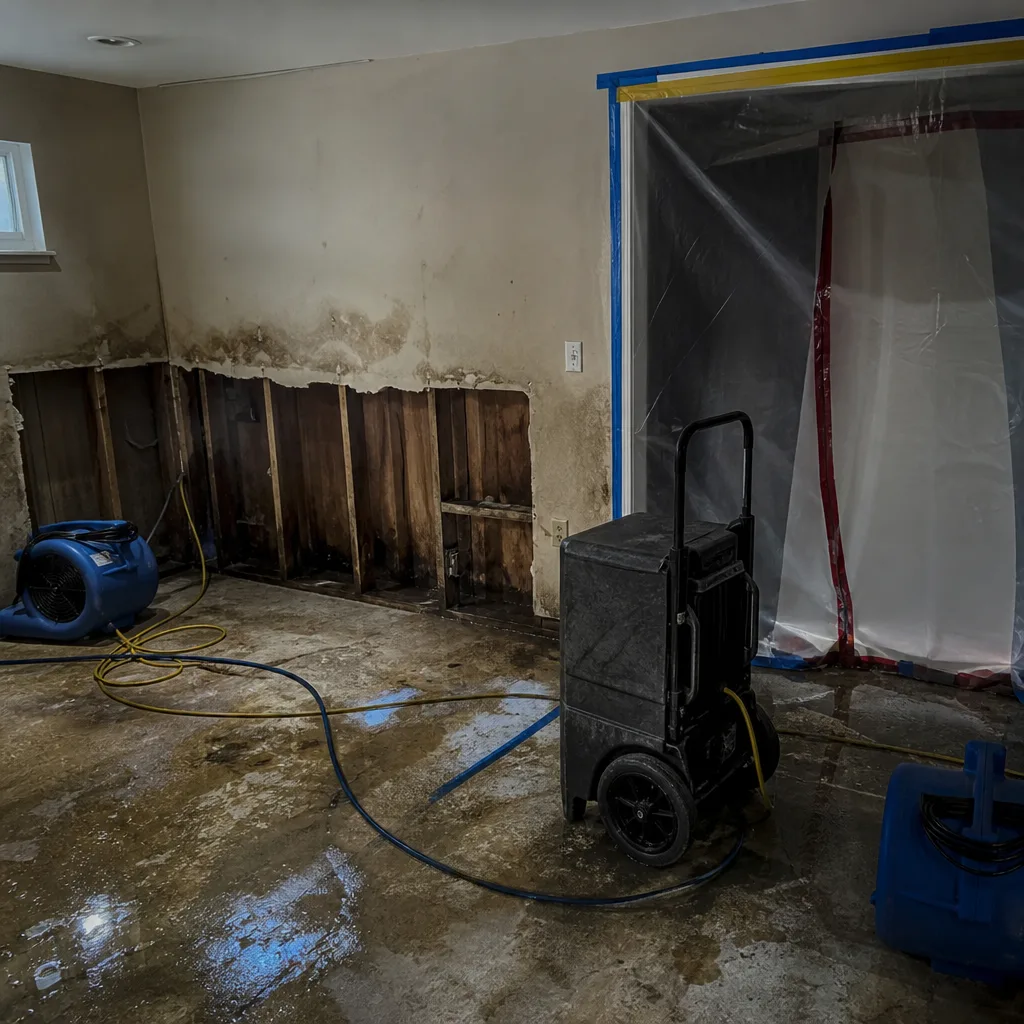 Before
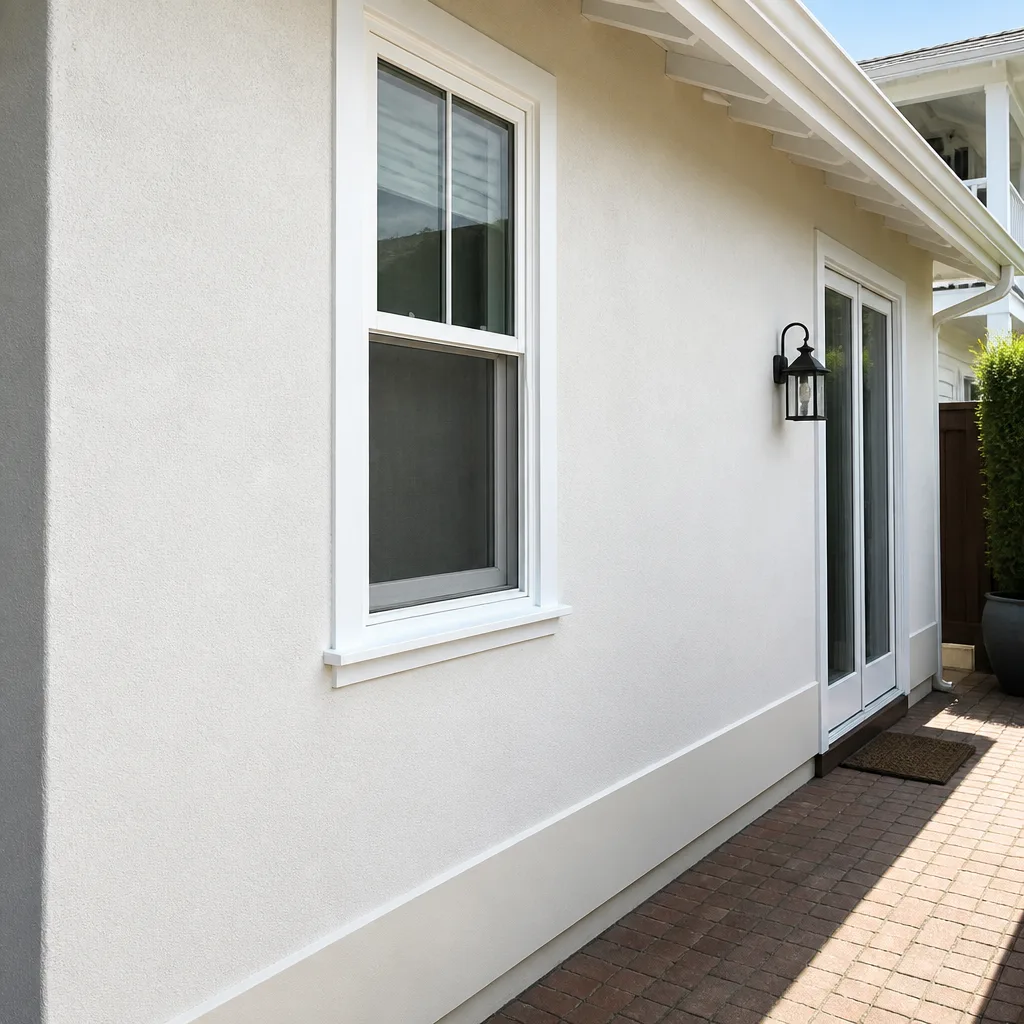 After
After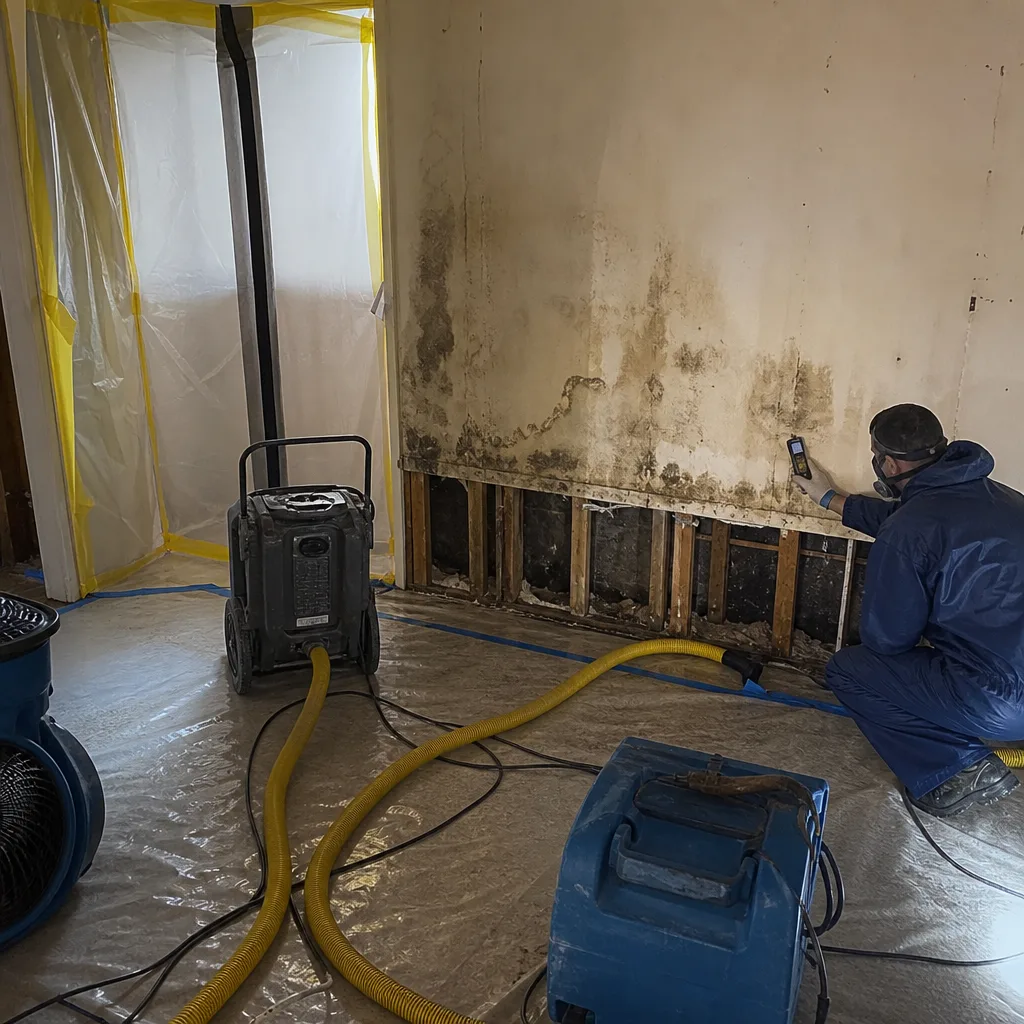 Before
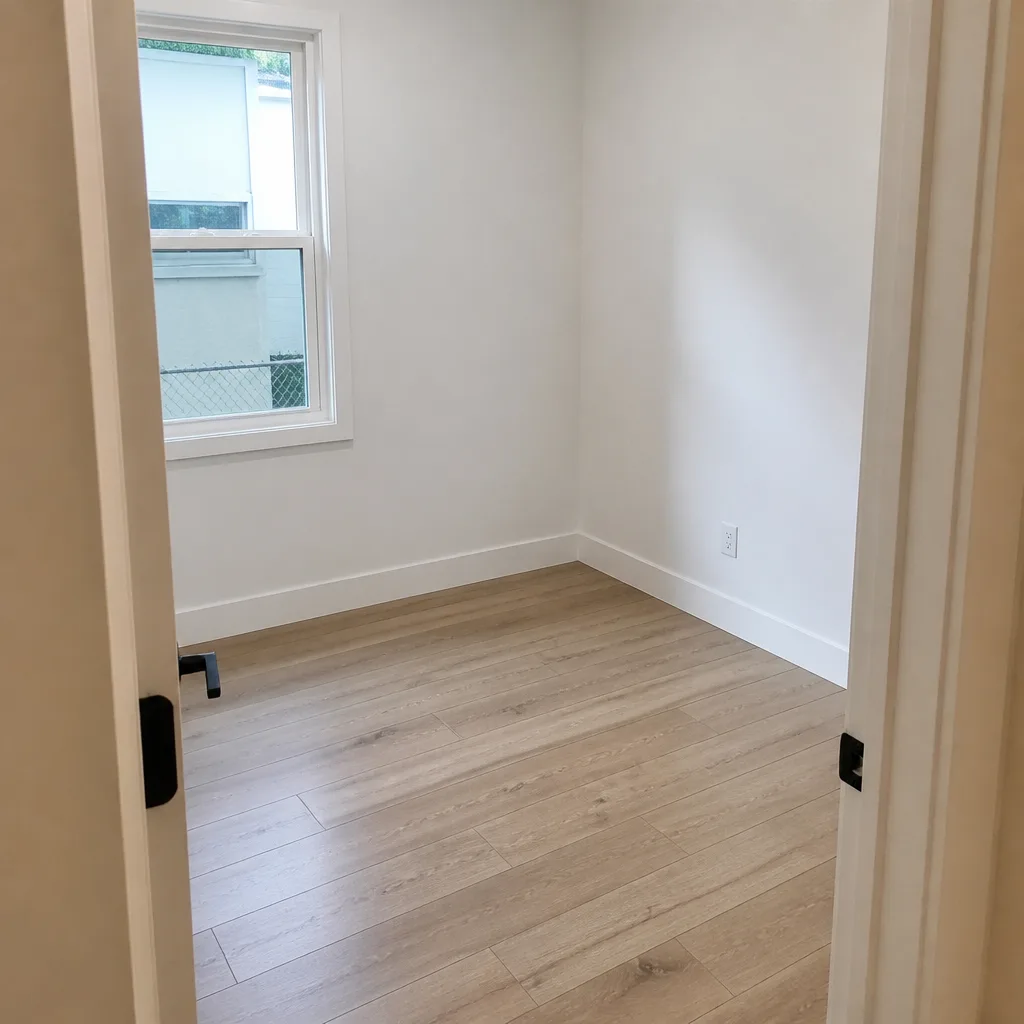 After
After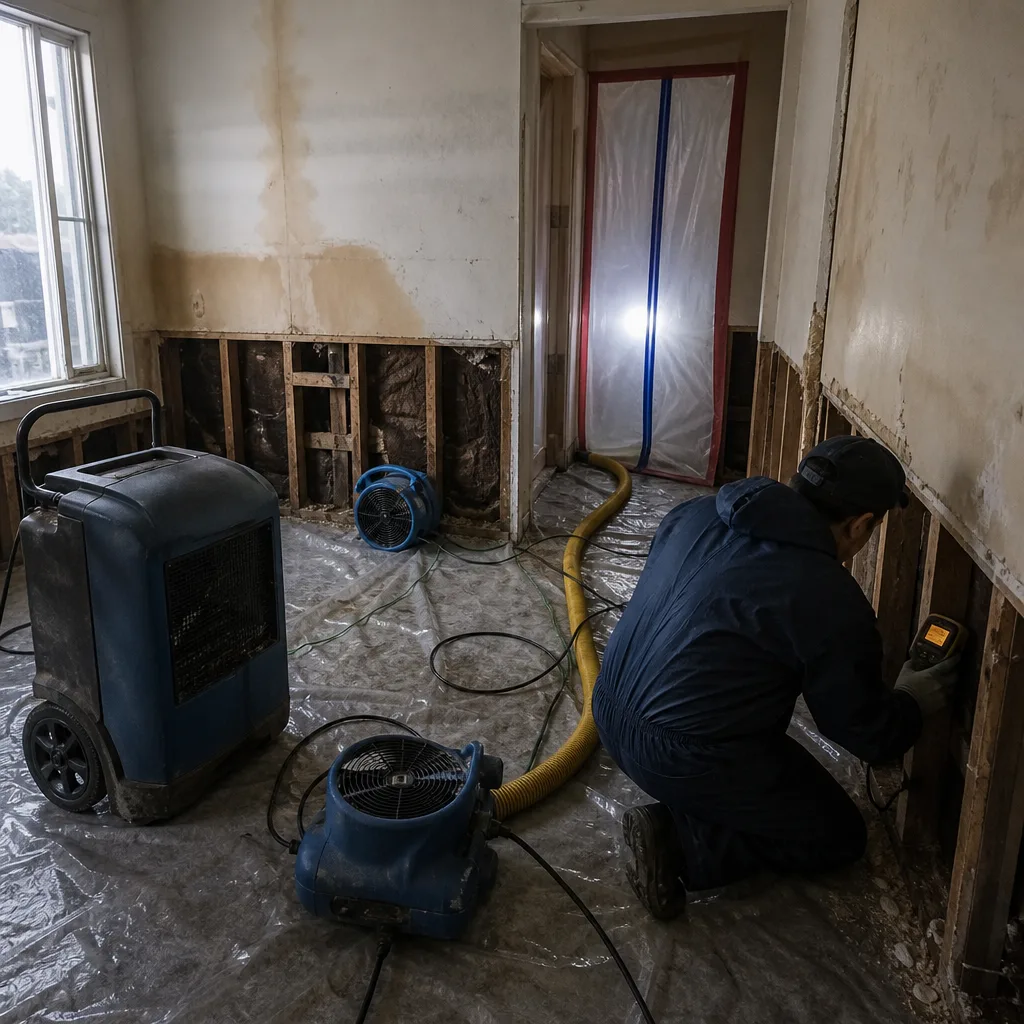 Before
 After
AfterFast, Reliable Mold Remediation Across Los Angeles
Mold remediation in Los Angeles typically costs $1,800-$6,500 depending on affected square footage, containment complexity, and whether the source is a simple plumbing leak or the compound moisture events that follow our region’s wildfire seasons. Most Los Angeles homeowners receive a written price before any work begins and see crews on-site within hours of calling. Reach us at (213) 699-3658 for a free estimate with documented scope.
We dispatch from our Los Angeles office to homes from the flatlands of Mid-City to the hillside neighborhoods of Altadena and La Cañada Flintridge. Los Angeles’s mix of 1950s-1980s wood-frame stucco construction, post-and-pier hillside foundations, and a climate that cycles between prolonged drought and intense winter rain creates mold conditions that out-of-market crews routinely misdiagnose. Our Mold Remediation team has documented over 12,000 homes since 2011, and we have learned that in this city, what you cannot see behind intact stucco often matters more than what you can.
Why DryMark Restoration Manhattan Beach Is Los Angeles’s Preferred Mold Remediation Company
Our reputation in Los Angeles is built on documentation, not promises. Every job receives a written price before work starts - Haven Standard, Clause 1 - a photo record on every visit, and a 365-Day Done Right Promise backed by The Haven Standard, not a marketing line. Homeowners in Los Angeles neighborhoods from Venice to Eagle Rock have used our free second-opinion service to verify competitor estimates that under-scoped hidden moisture behind stucco or missed crawl space contamination entirely.
We answer live, 24 hours a day, 7 days a week. No voicemail trees. No next-business-day callbacks while moisture readings climb.
Response time to Los Angeles addresses averages under two hours for active water or visible mold situations. Our crews carry IICRC-certified documentation protocols and deploy Injectidry and B-Air drying systems to produce the daily moisture logs that turn restoration invoices into payable insurance claims. Alicia Brennan, who founded Back to Dry Restoration in 2011 after working as a claims adjuster, built this company around the documentation gap that costs homeowners their claims. That origin shapes how we work in Los Angeles today.
Our Mold Remediation Services in Los Angeles
Mold Inspection & Testing
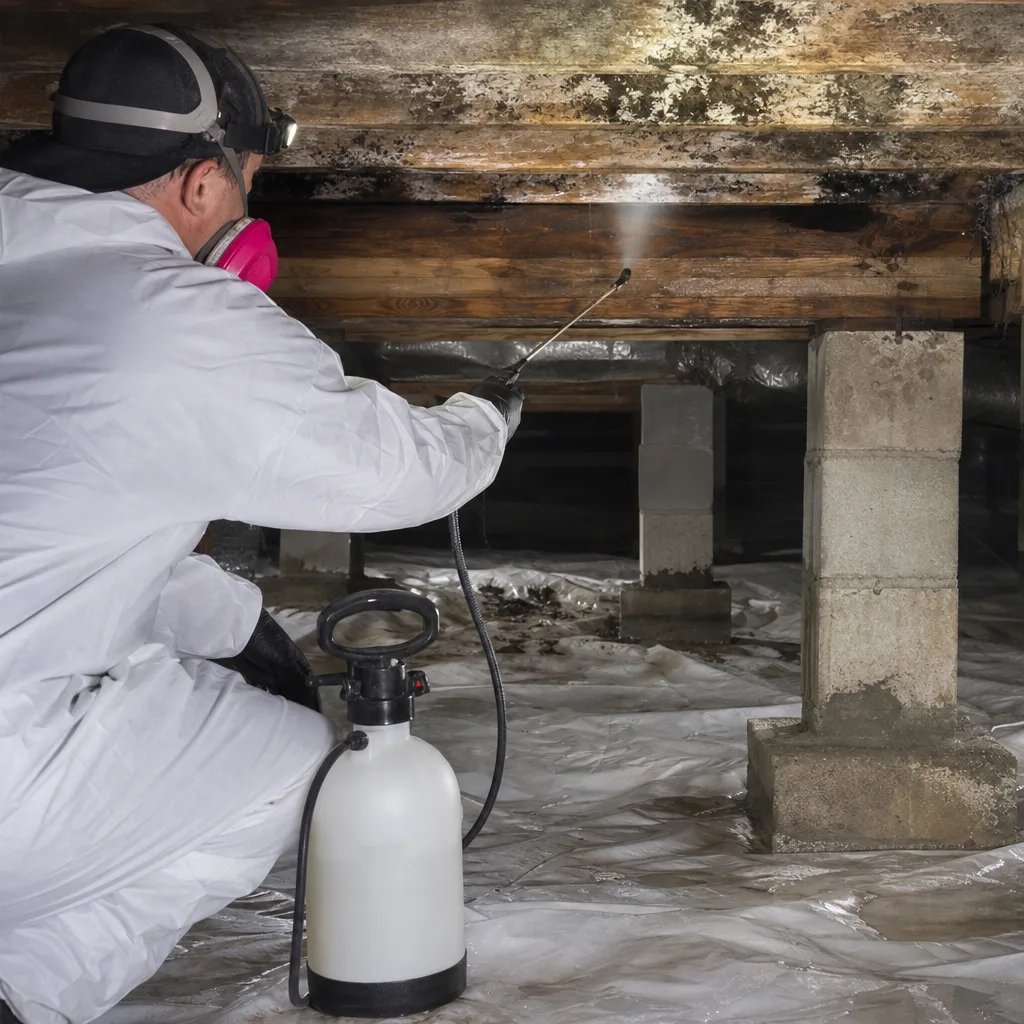
Los Angeles homes demand inspection methods that go beyond surface observation. In neighborhoods like Altadena and La Cañada Flintridge, we use thermal imaging, moisture mapping, and air sampling to find mold that hides behind apparently intact stucco or inside fire-compromised wall cavities. Our lab identifies species including Stachybotrys, Aspergillus, and Penicillium, and we document every reading with photos and written findings you can submit to your insurer or adjuster.
Mold Removal
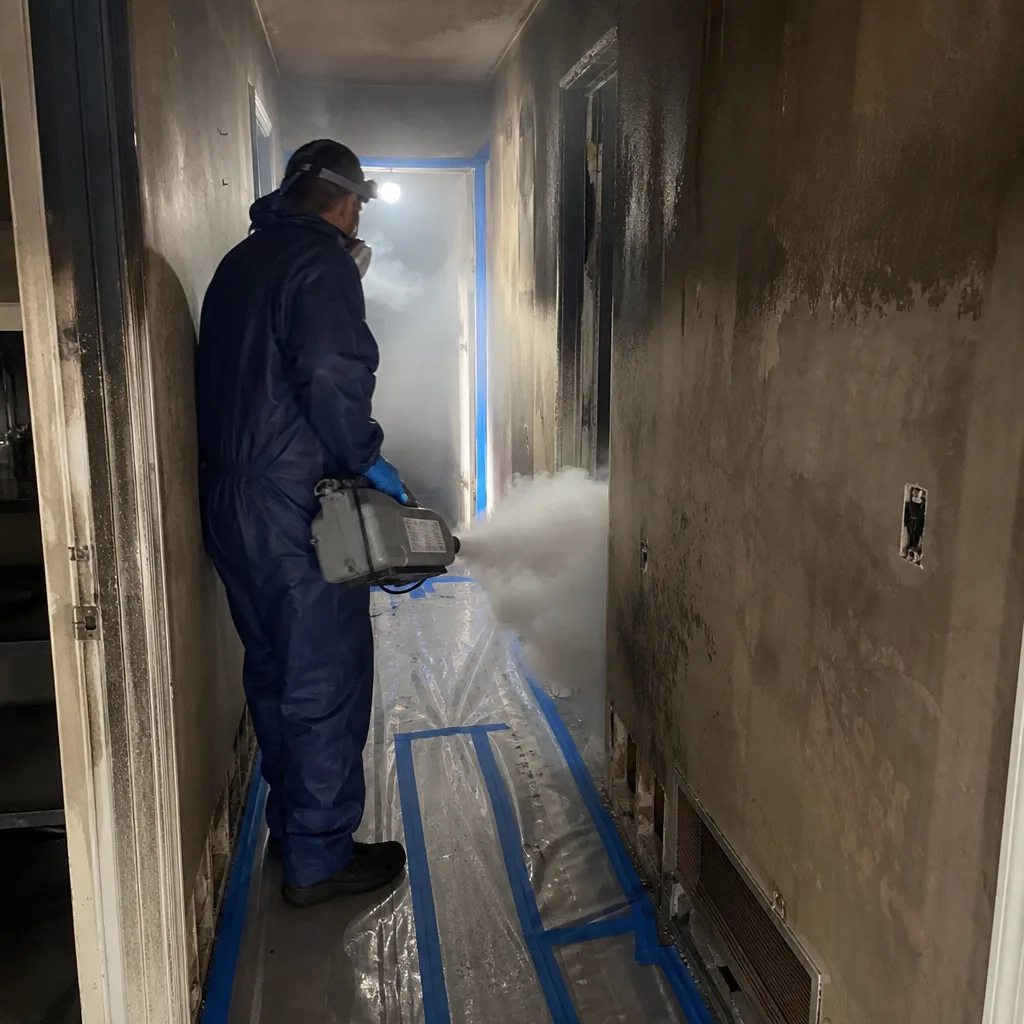
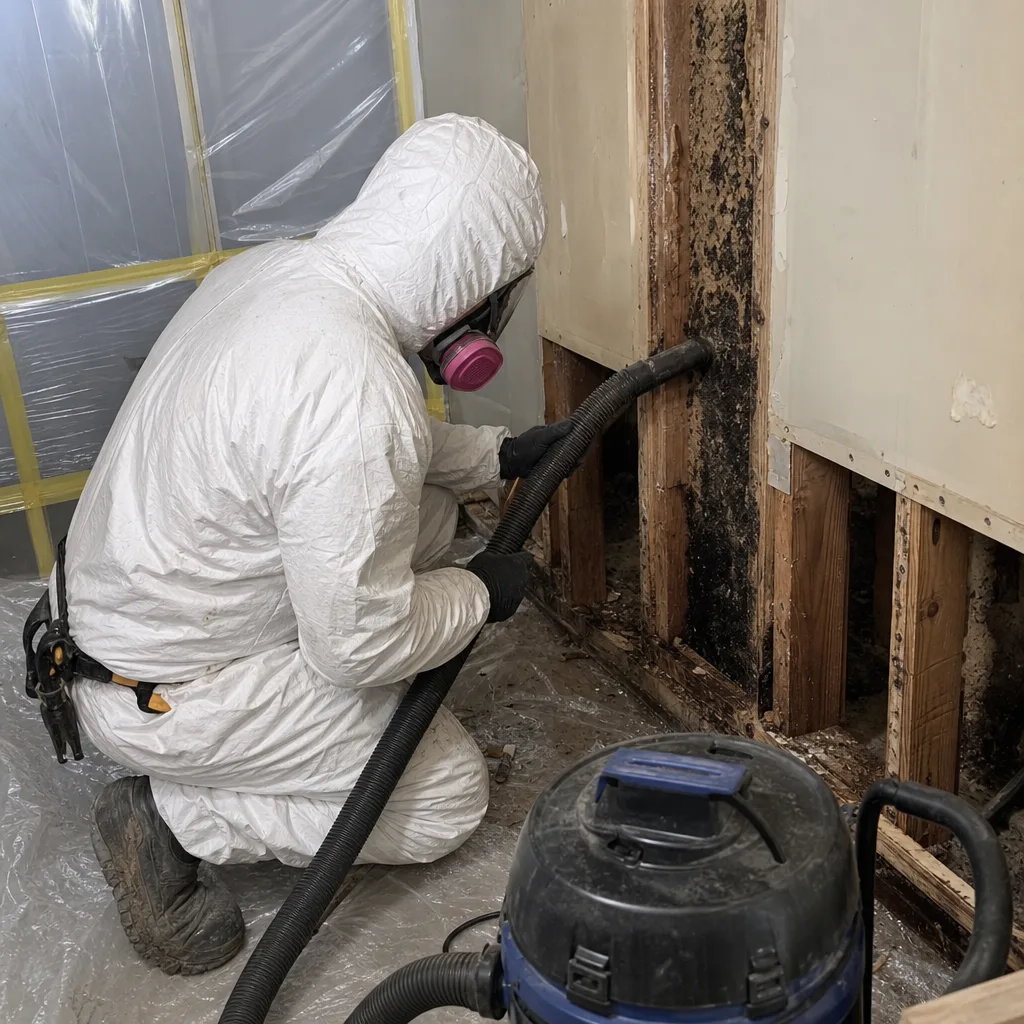
Removal in Los Angeles follows containment protocols scaled to your home’s density and access constraints. Tight clearances, alley-load entries, and townhome configurations are common from Koreatown to Silver Lake; our crews plan containment and negative air pressure setup around these physical realities. We remove affected drywall, insulation, and framing members, then perform antimicrobial treatment on remaining structural materials. Every step is photo-documented.
Black Mold Remediation
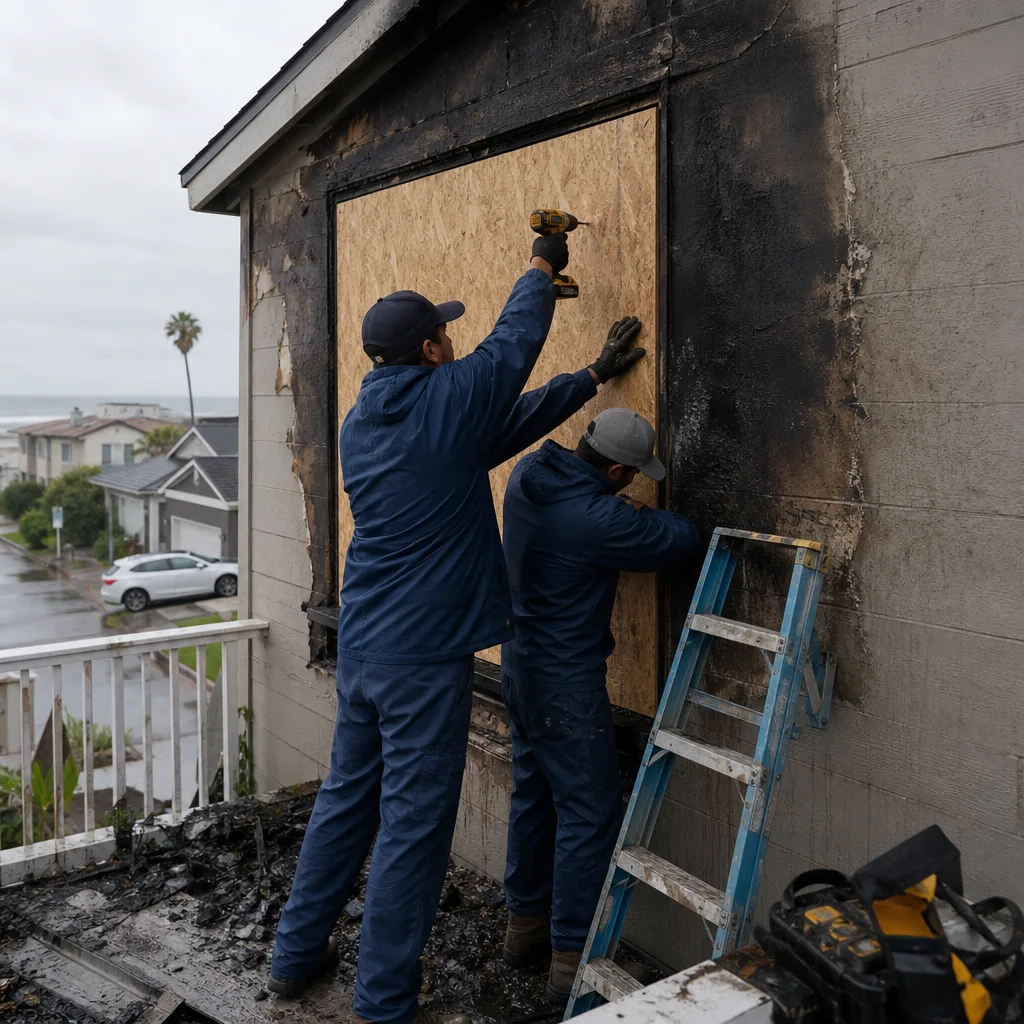
Stachybotrys and other toxigenic molds require stricter containment and PPE protocols. In Los Angeles, black mold often follows the delayed moisture intrusion that hits fire-scarred foothill homes when winter rains push ash-laden water through compromised envelopes. We have remediated black mold in 91001 and 91011 ZIP codes where the mold did not appear until six to eight weeks after the fire - a timeline single-visit estimators from outside the market consistently fail to anticipate.
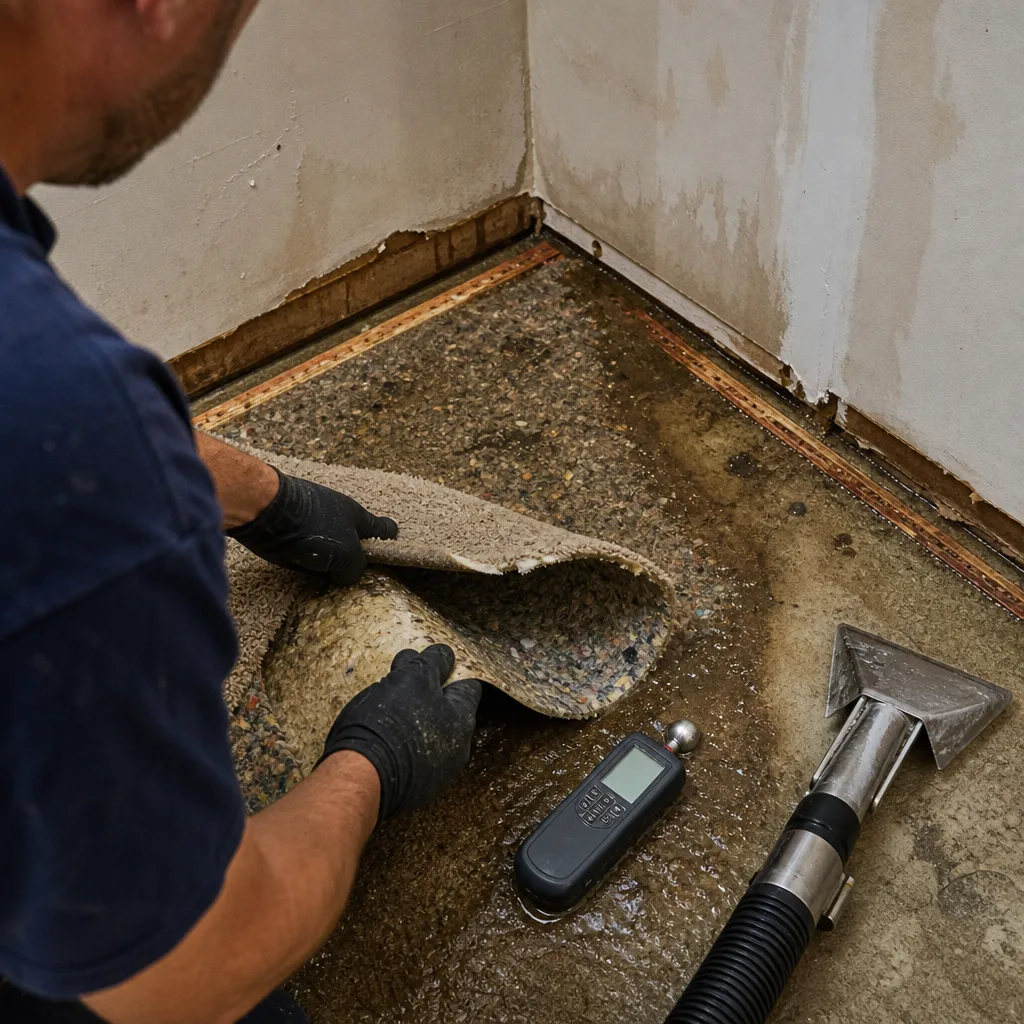
Air Quality Restoration
After mold removal, Los Angeles homes need air scrubbing that accounts for both spore load and the fine particulate load from our region’s fire seasons. We deploy HEPA filtration and negative air machines, then verify results with post-remediation air sampling. Documentation includes before-and-after particle counts for your records and your adjuster’s file.
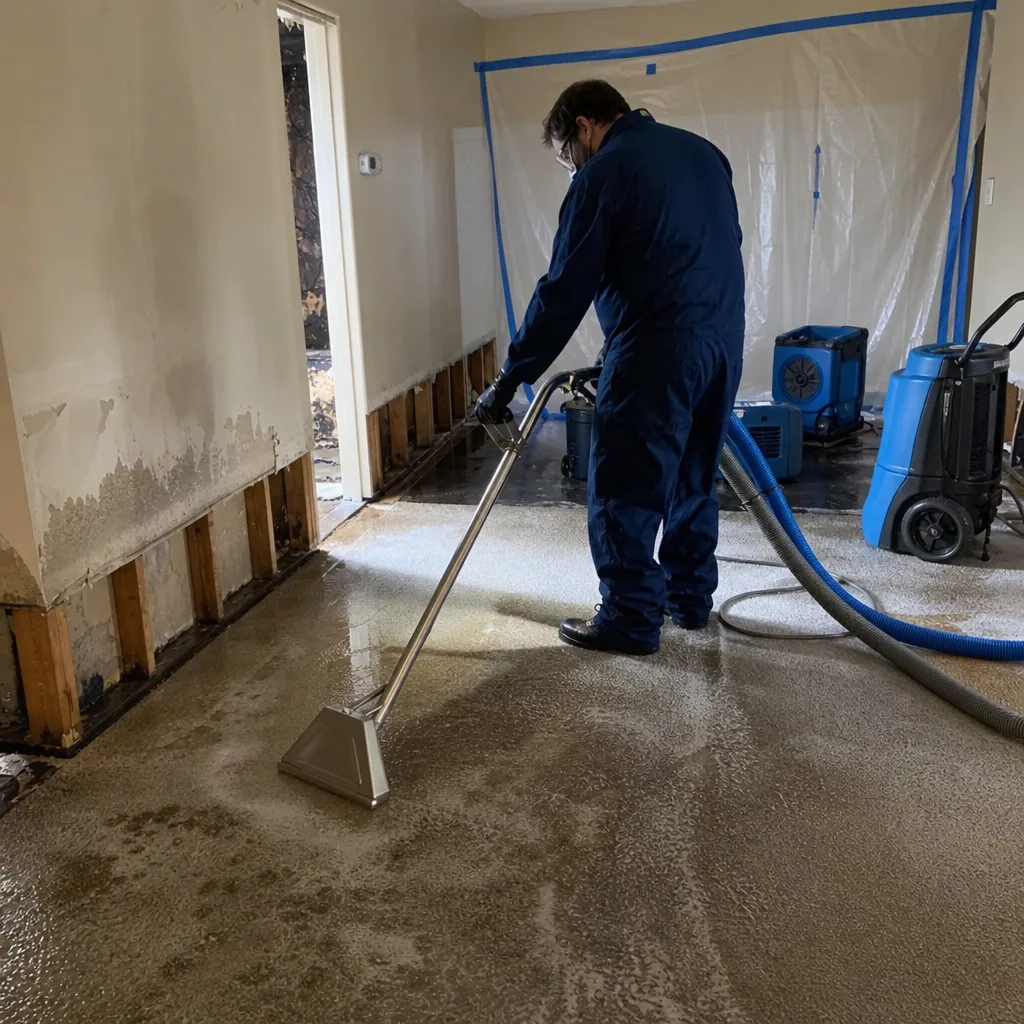
Crawl Space Treatment
Hillside Los Angeles properties on post-and-pier foundations are especially vulnerable to crawl space mold after soil saturation events or seismic activity along fault systems like the Hollywood and Puente Hills faults. We inspect crawl spaces with borescope cameras, treat affected framing, and install vapor barriers or dehumidification where moisture readings support it. Ignoring these spaces is a common local failure mode we see in competitor scopes.
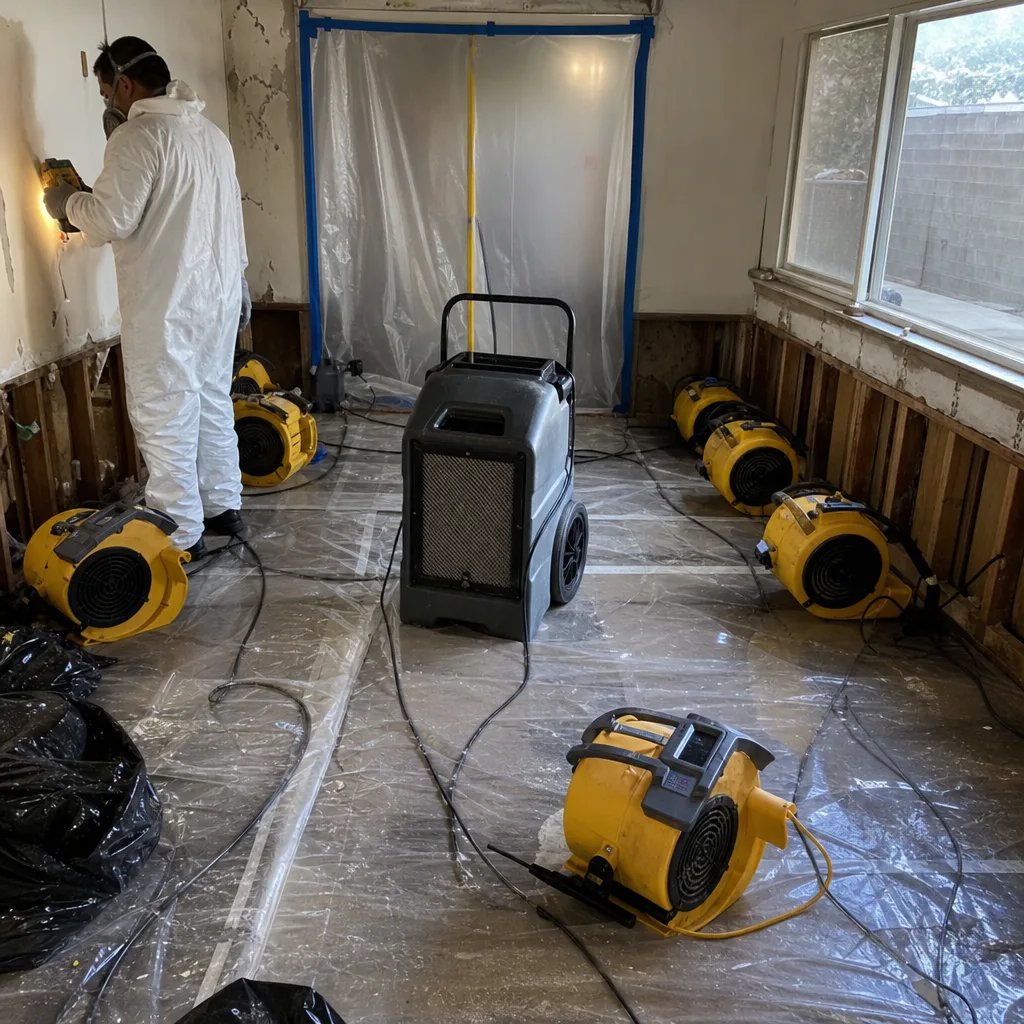
Moisture & Humidity Control
Los Angeles’s prolonged summer drought desiccates structures, but when winter storms arrive on fire-scarred, water-repellent slopes, the moisture surge is abrupt and extreme. We install and monitor dehumidification systems, document psychrometric data - temperature, relative humidity, and vapor pressure differential, which is the force that drives moisture into or out of materials - and produce daily drying logs until all readings return to baseline.
What happens when you call
- 1
A real person answersNo phone trees - you reach a local pro.
- 2
You get an upfront price rangeHonest numbers before anyone is dispatched.
- 3
A background-checked tech heads outLicensed & insured, dispatched right away.
- 4
You approve before work beginsNothing starts until you say go.
 Before
 After
AfterTrusted Brands We Service in Los Angeles
Our Los Angeles crews deploy professional-grade drying and remediation equipment from Injectidry for structural cavity drying, B-Air for air movers and dehumidifiers, and other systems documented to IICRC, RIA, and IFA standards. We stock local parts and maintain equipment readiness at our Los Angeles office, so turnaround on hardware failure or capacity expansion is measured in hours, not days. For Mold Remediation in Los Angeles homeowners, that means no waiting while moisture spreads.
Common Mold Remediation Problems We See in Los Angeles Homes
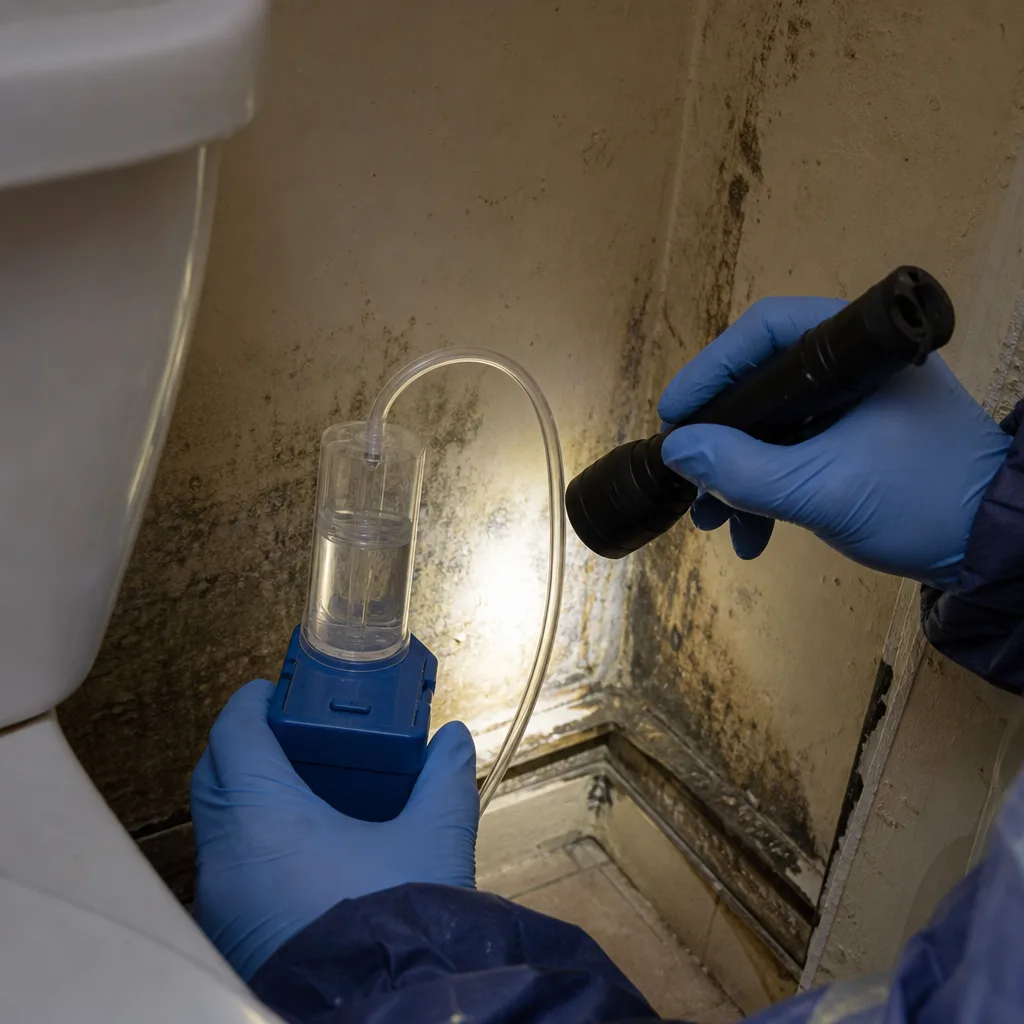
- Intact stucco concealing hidden moisture. Los Angeles’s dominant 1950s-1980s wood-frame stucco construction looks solid from the outside while earthquake-induced framing shifts or hairline cracks channel water into wall cavities. We probe behind cladding before finalizing any scope.
- Delayed second moisture events after wildfire. In foothill ZIPs like 91001 and 91011, fire-scarred soils turn water-repellent, so the first winter rains sheet ash-laden water into the same compromised structures weeks after the fire. Mold crews must anticipate this two-phase risk.
- Crawl space mold in hillside post-and-pier homes. Properties from the Hollywood Hills to Altadena sit on foundations vulnerable to structural racking and water pooling after soil saturation. A room-by-room inspection misses these spaces.
- Under-scoping by out-of-market estimators. Single-visit estimates that do not account for Los Angeles’s wildfire-to-debris-flow cycle, seismic vulnerabilities, or stucco-concealed damage consistently leave homeowners with reactivated mold growth and uncovered insurance claims.
Pricing for Mold Remediation in Los Angeles, CA
Typical mold remediation in Los Angeles runs $1,800-$6,500. Small, contained bathroom or closet treatments with straightforward access generally fall at the lower end. Whole-room or multi-room remediation with full containment, HVAC isolation, and structural drying pushes toward the higher range. The compound fire-to-mold sequences we see in Altadena, La Cañada Flintridge, and Malibu Canyon communities often require phased, permitted mitigation that sits at the upper end due to sequential site visits and documentation requirements.
What affects your price: affected square footage, containment complexity, whether the mold follows Category 1, 2, or 3 water intrusion, and whether hidden damage behind stucco or in crawl spaces expands the scope after probing. We deliver a written price before any work starts - Haven Standard, Clause 1 - with no scope-creep additions once the crew is inside. Free estimates. Free second opinions on any competitor’s written quote. Call (213) 699-3658.
We Also Serve Cities Near Los Angeles
Our Los Angeles-based crews also respond to mold remediation calls in Gardena, Inglewood, Hawthorne, and Lawndale. Same documentation standards, same written-price guarantee, same live-answer phone coverage.
Serving Los Angeles, CA - Our Local Coverage Area
We’re based in the Los Angeles area and know this community well. Use the map below to see our service coverage - if you’re nearby, we can almost certainly help.
FAQs - Mold Remediation in Los Angeles
Fire-scarred soils in foothill ZIPs like 91001 and 91011 become water-repellent, so winter rains sheet ash-laden water directly into wall cavities and crawl spaces rather than absorbing into the ground. This creates a delayed, compound moisture source that activates mold growth weeks after the fire event - a sequence restoration contractors in San Diego or the Inland Empire do not face. We scope for this two-phase risk from the first visit and build phased mitigation plans accordingly. Call (213) 699-3658 for a written estimate.
Los Angeles’s dominant 1950s-1980s wood-frame stucco construction routinely conceals moisture intrusion behind an outwardly intact skin. Earthquake racking, thermal expansion, or fire-related envelope compromise can create hairline pathways that do not show surface damage but channel significant water into wall cavities. In Altadena (91001), we found a hallway closet with 28% moisture readings and black mold growth behind apparently intact stucco - detected only through thermal imaging and physical probing. Probing is standard on every Los Angeles inspection we perform. Call (213) 699-3658 to schedule.
Yes. Hillside Los Angeles properties on post-and-pier foundations are a significant portion of our work. These structures are vulnerable to seismic racking along fault systems like the Hollywood and Puente Hills faults, and to water pooling in crawl spaces after soil saturation. We use borescope cameras to inspect confined crawl spaces, treat affected framing with antimicrobial agents, and install vapor barriers or dedicated dehumidification where moisture data supports it. Every step is photo-documented for your adjuster. Call (213) 699-3658 for a written scope.
Category 1 is clean water from a supply line - mold risk is present but growth rates are slower. Category 2 is gray water with contaminants from dishwashers, washing machines, or fire-suppression systems - microbial growth accelerates. Category 3 is black water from sewage, flooding, or ash-laden debris flows - this requires the most extensive containment, PPE, and antimicrobial treatment, and is common in Los Angeles foothill homes after winter rains hit fire-scarred slopes. The water category directly affects containment level, material removal depth, and drying timeline. We classify and document this in your written scope before work begins. Call (213) 699-3658 for specifics on your situation.
Yes. In Los Angeles’s fire-scarred foothill neighborhoods, we regularly document a three-phase contamination pattern: structural char and melted materials first, deep soot deposition in ductwork and cavities second, and ash-saturated mud intrusion through the same compromised envelope during the first significant rain weeks later. This requires a phased, permitted mitigation plan that single-visit estimators from outside the market consistently under-scope. We have executed these sequential plans in 91001, 91011, and throughout Malibu Canyon. Call (213) 699-3658 for a written assessment of your property’s risk profile.
Written by Alicia Brennan, Owner at Back to Dry Restoration, serving Los Angeles since 2011.