
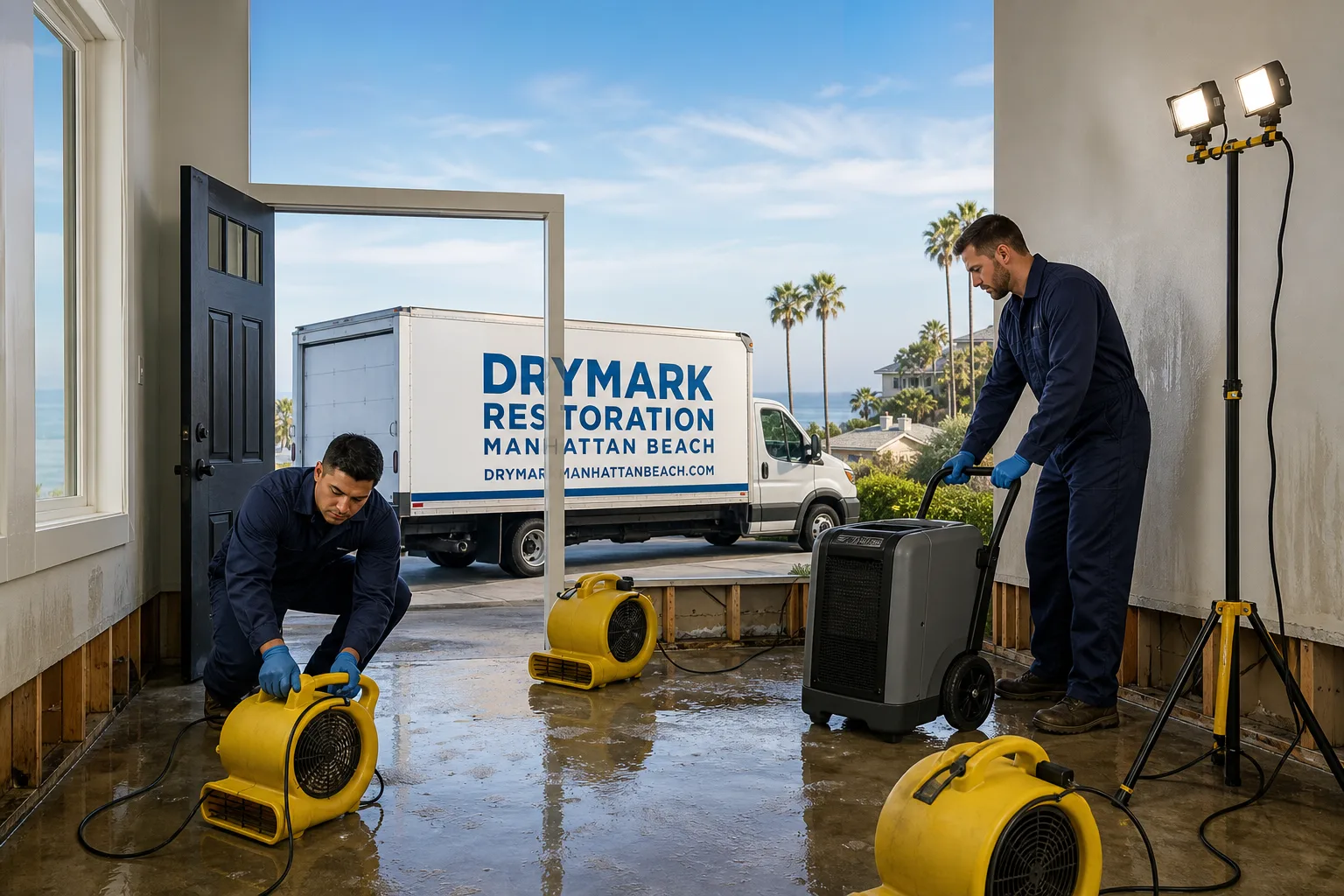
Free visual inspection and a written scope of work before any mitigation begins - photos, moisture readings, and drying logs go in your claim file
The scope we write is the scope we bill. Anything new gets shown to you, in writing, before we touch it.
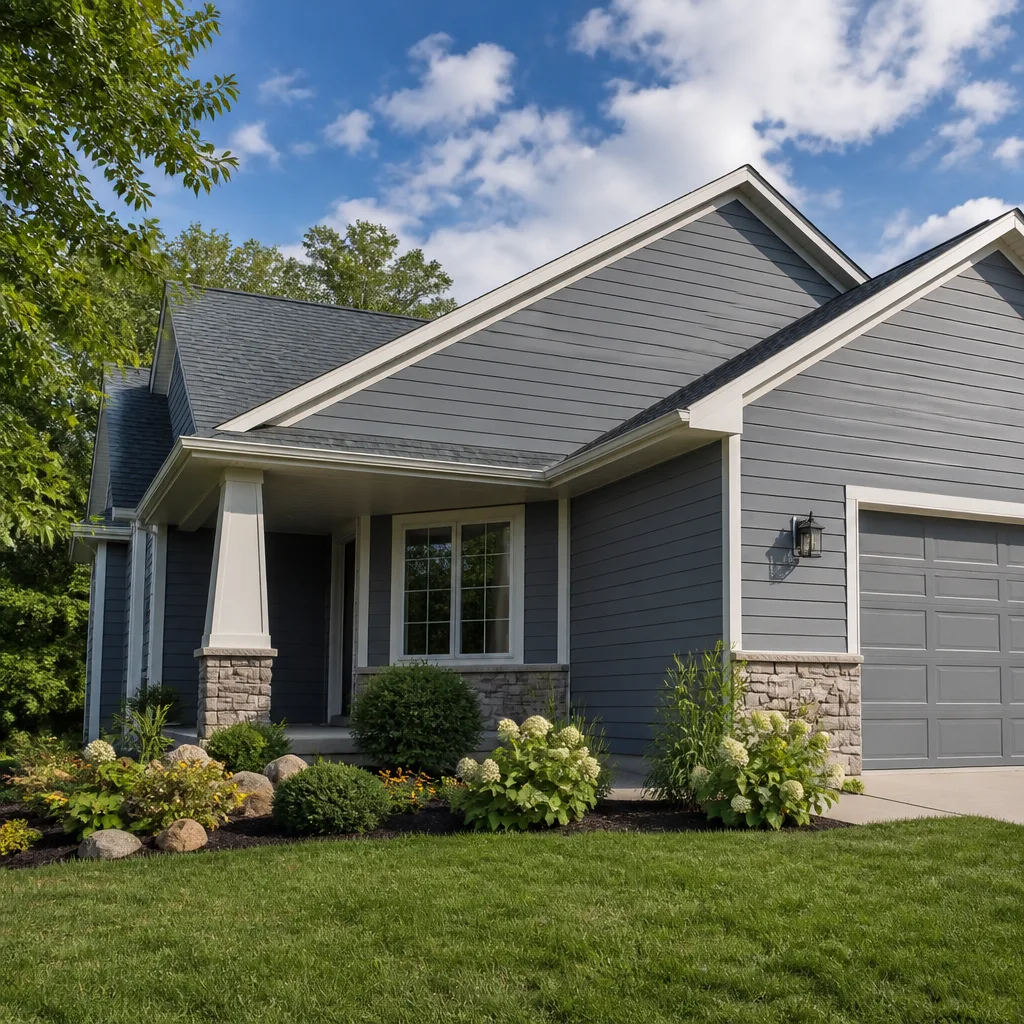
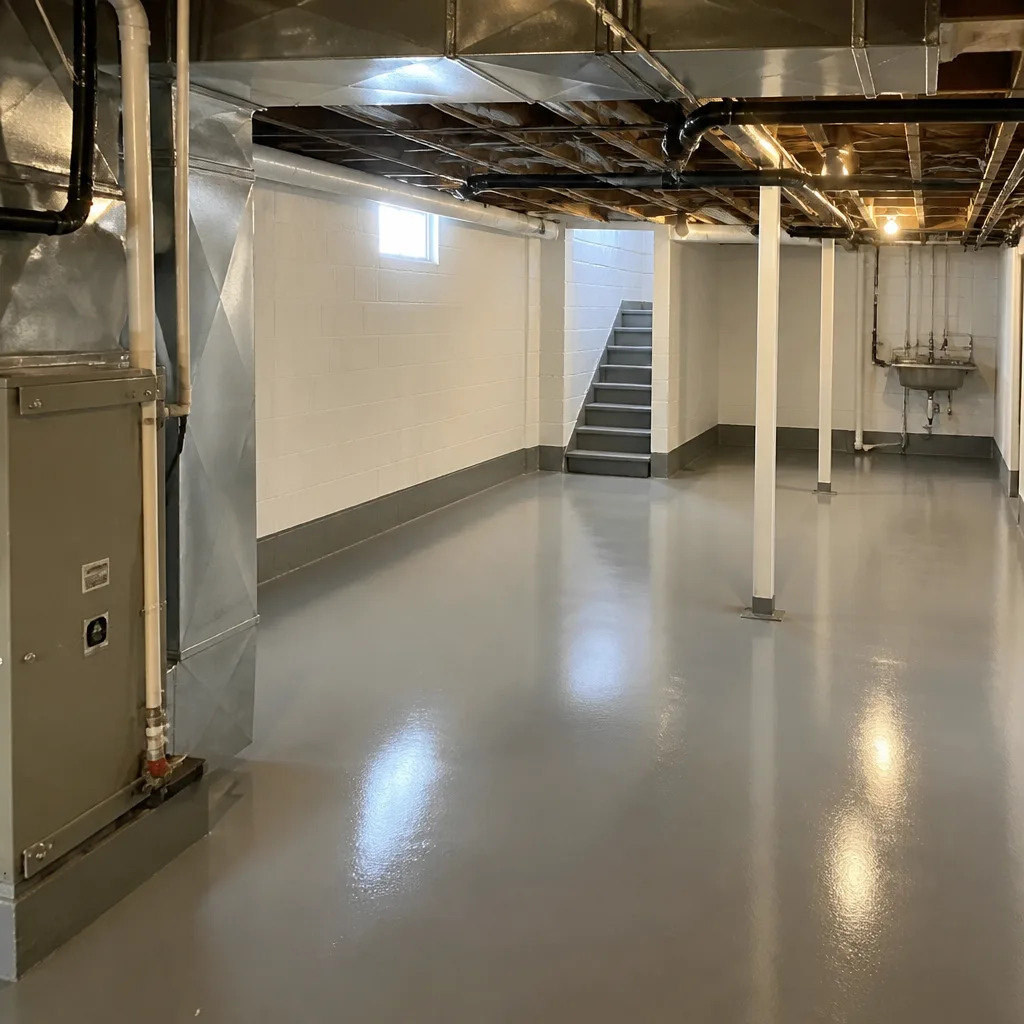
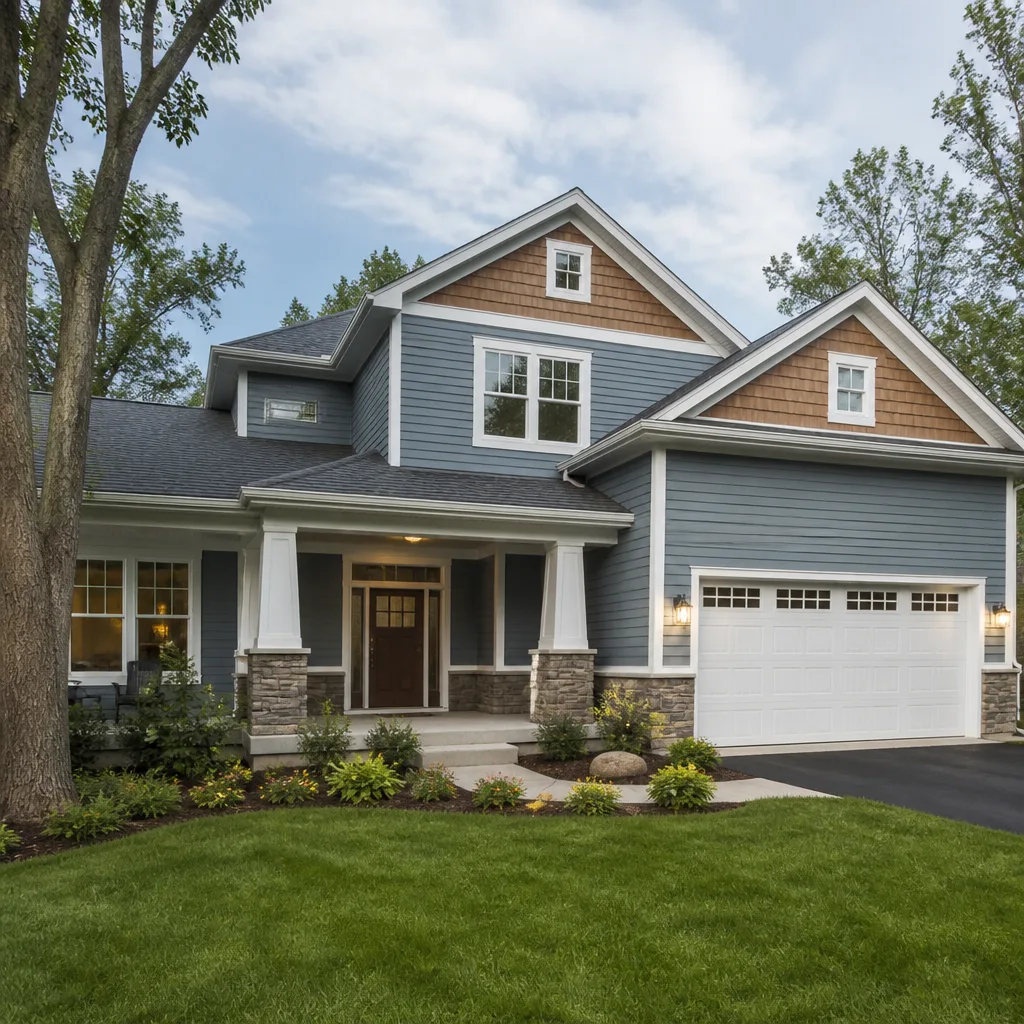
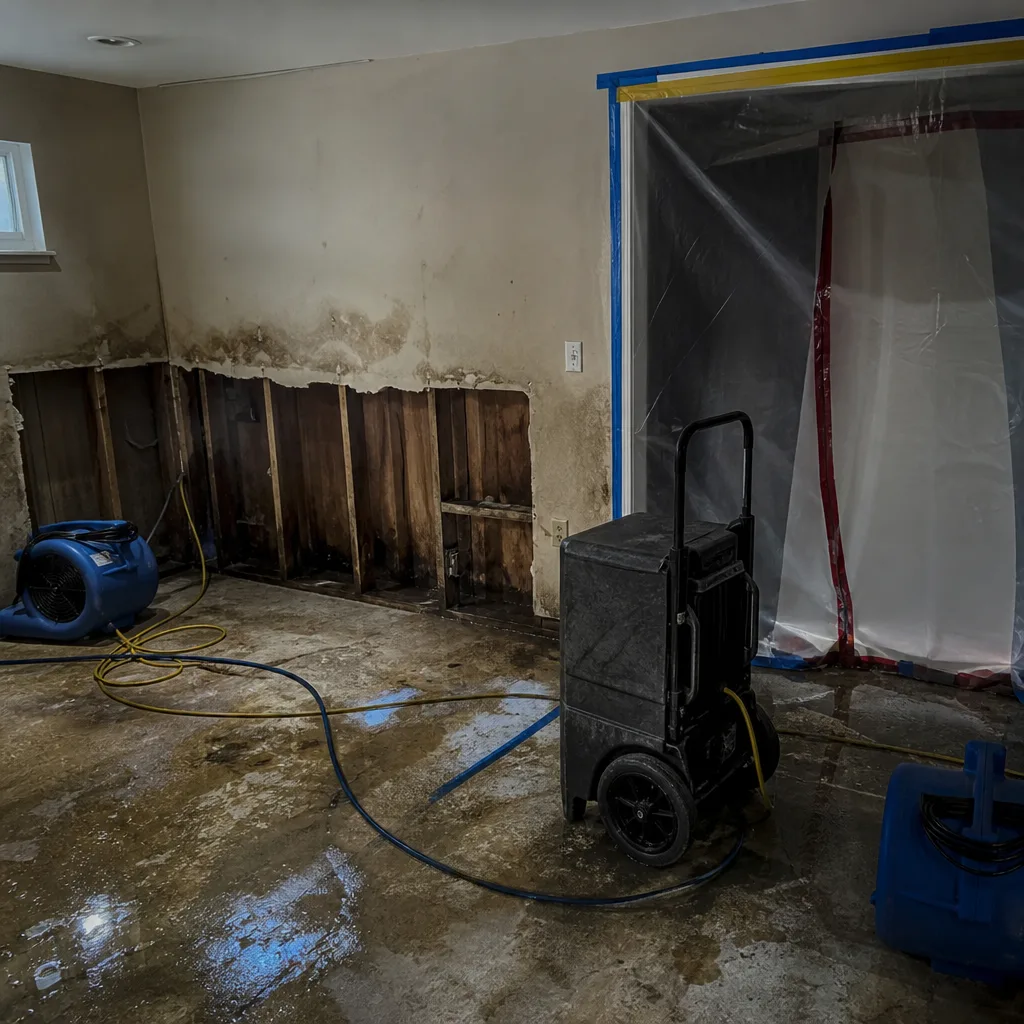 Before
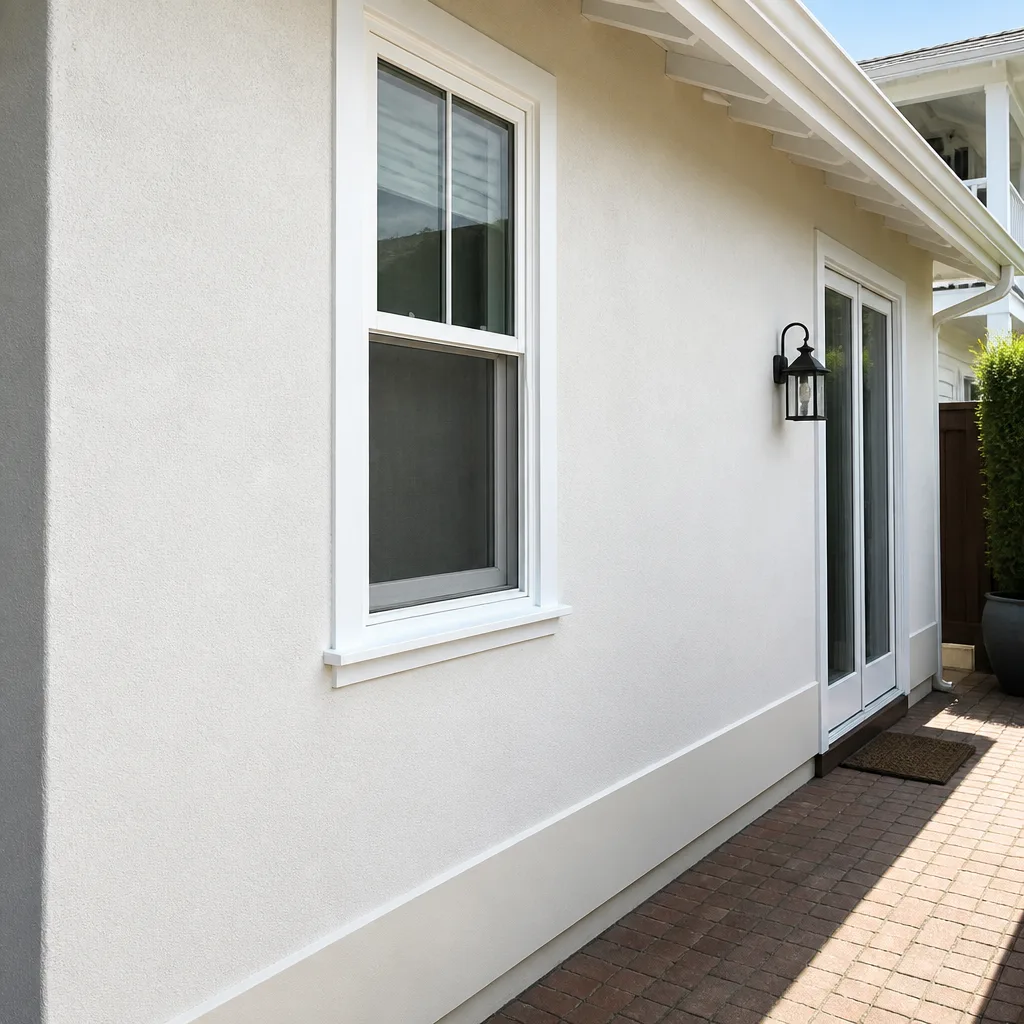 After
After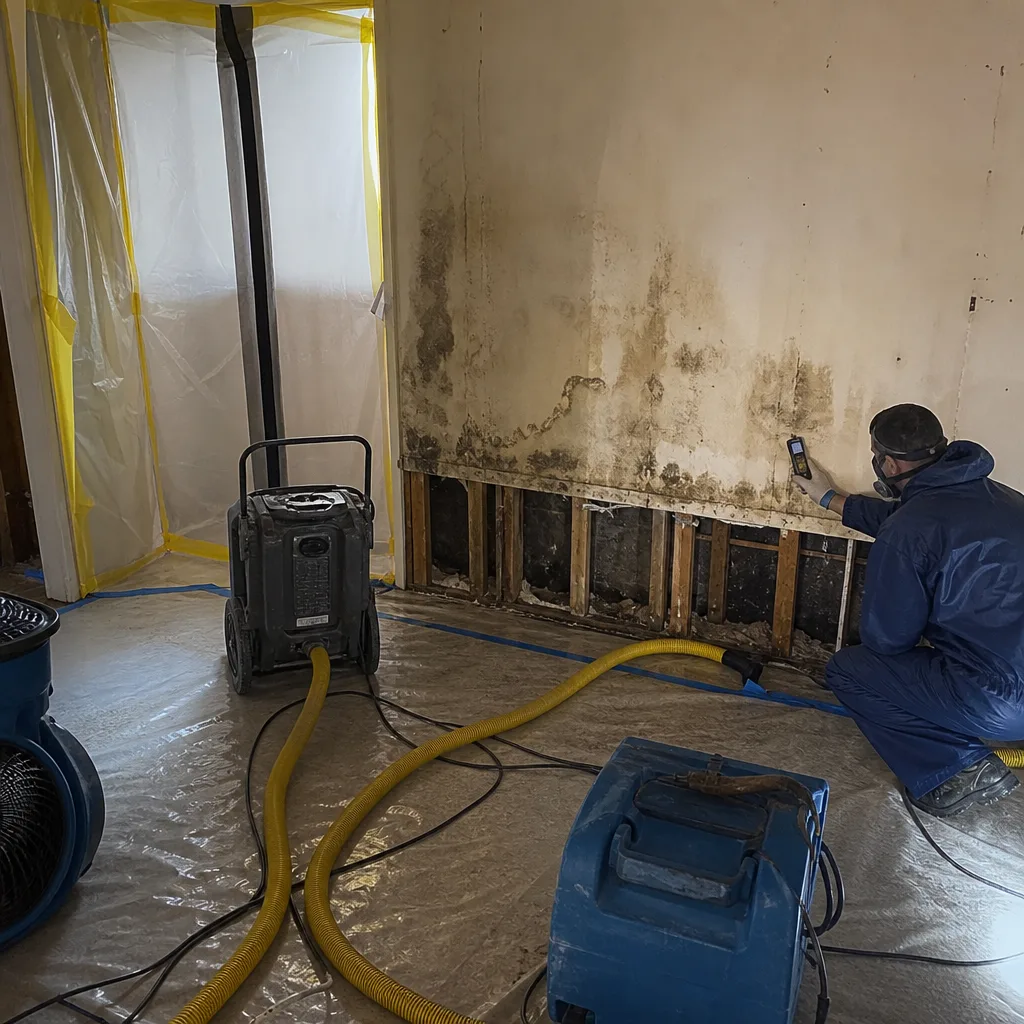 Before
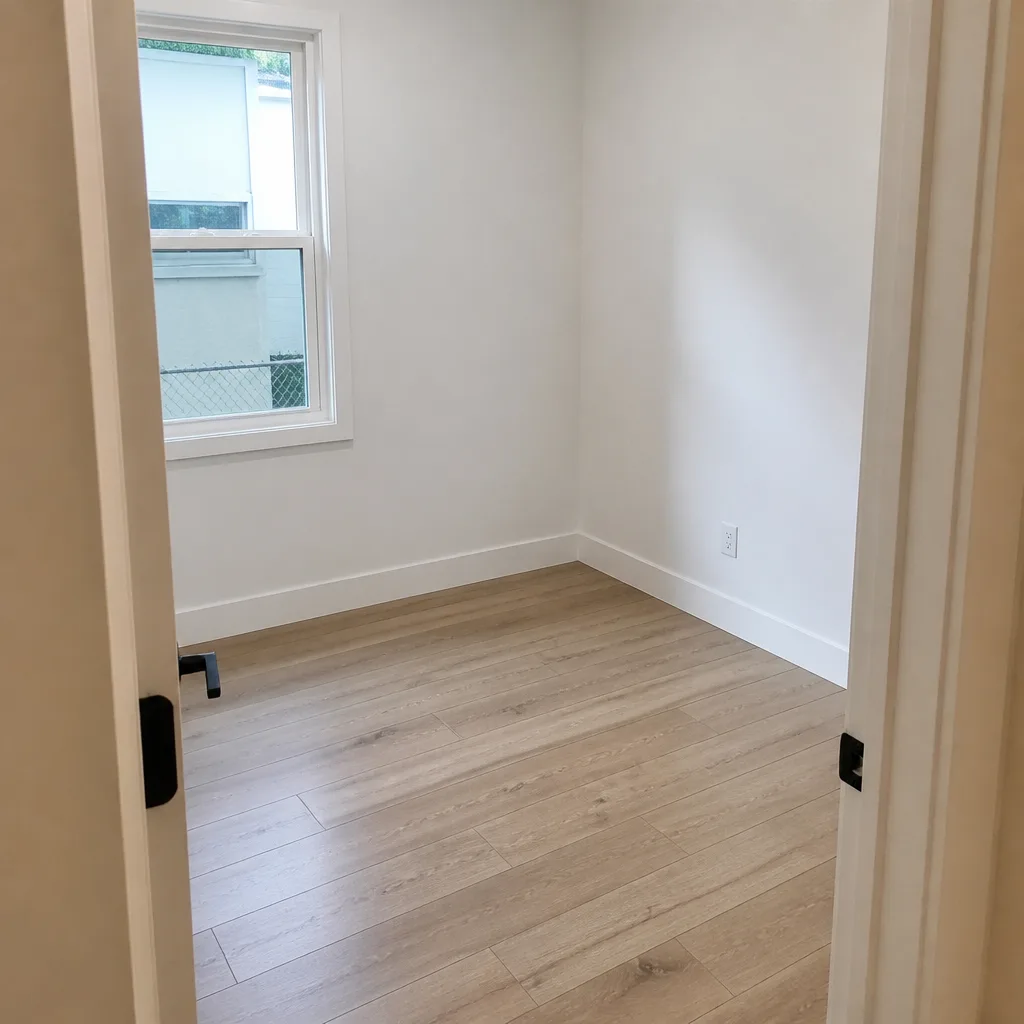 After
After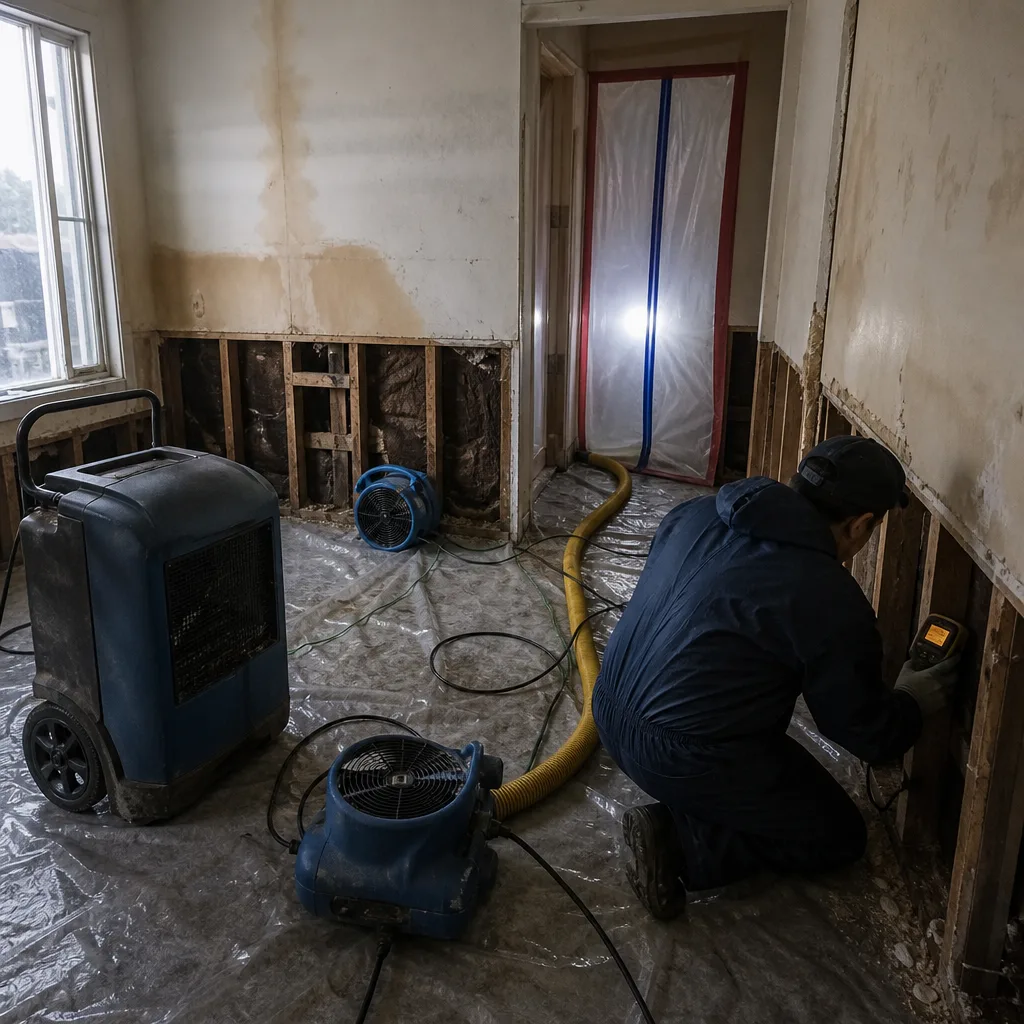 Before
 After
AfterFast, Reliable Water Damage Restoration Across Los Angeles
Water damage restoration in Los Angeles typically costs $2,800-$7,500 for a standard residential drying job, with emergency water extraction starting at $1,200 and full structural drying running $3,500-$6,000 depending on square footage and contamination category. Most Los Angeles homeowners reach us within 15 minutes of calling (213) 699-3658, and our crews are usually on-site in Los Angeles neighborhoods within 60-90 minutes for active water events.
We’re not a call-center operation routing trucks from three counties away. Our Water Damage Restoration team dispatches from our Los Angeles office, and we know the difference between a 1950s Panorama City slab-on-grade and a hillside post-and-pier in the Hollywood Hills. That local building knowledge changes what we probe, what we document, and what we write into the scope before any equipment runs.
Why DryMark Restoration Manhattan Beach Is Los Angeles’s Preferred Water Damage Restoration Company
We’ve restored water-damaged homes in Los Angeles since 2011, and our file cabinets (now digital) hold 12,000+ documented jobs, every one with a written price before work started and a photo record when the crew left. Alicia Brennan founded this company after working claims adjustment and watching homeowners lose tens of thousands to sloppy documentation - missing moisture readings, no drying logs, scopes that couldn’t survive an insurer’s review. That origin is why we operate under The Haven Standard.
Los Angeles customers find us because they read the three-star reviews on every company they’re considering. They notice our reviews mention specific things: “they showed me the moisture meter readings,” “the written price matched the final invoice,” “the adjuster accepted the documentation without a fight.” That’s not accidental. It’s Haven Standard, Clause 1: written price before work begins, and Clause 4: documented photo record on every visit.
Our response time to Los Angeles addresses averages under 90 minutes for emergency calls, with live person answering 24 hours a day, 7 days a week - no voicemail trees, no next-business-day callbacks while water is still wicking into drywall. We serve Los Angeles locally, with dispatch and scheduling coordinated from our metro office.
Our Water Damage Restoration Services in Los Angeles
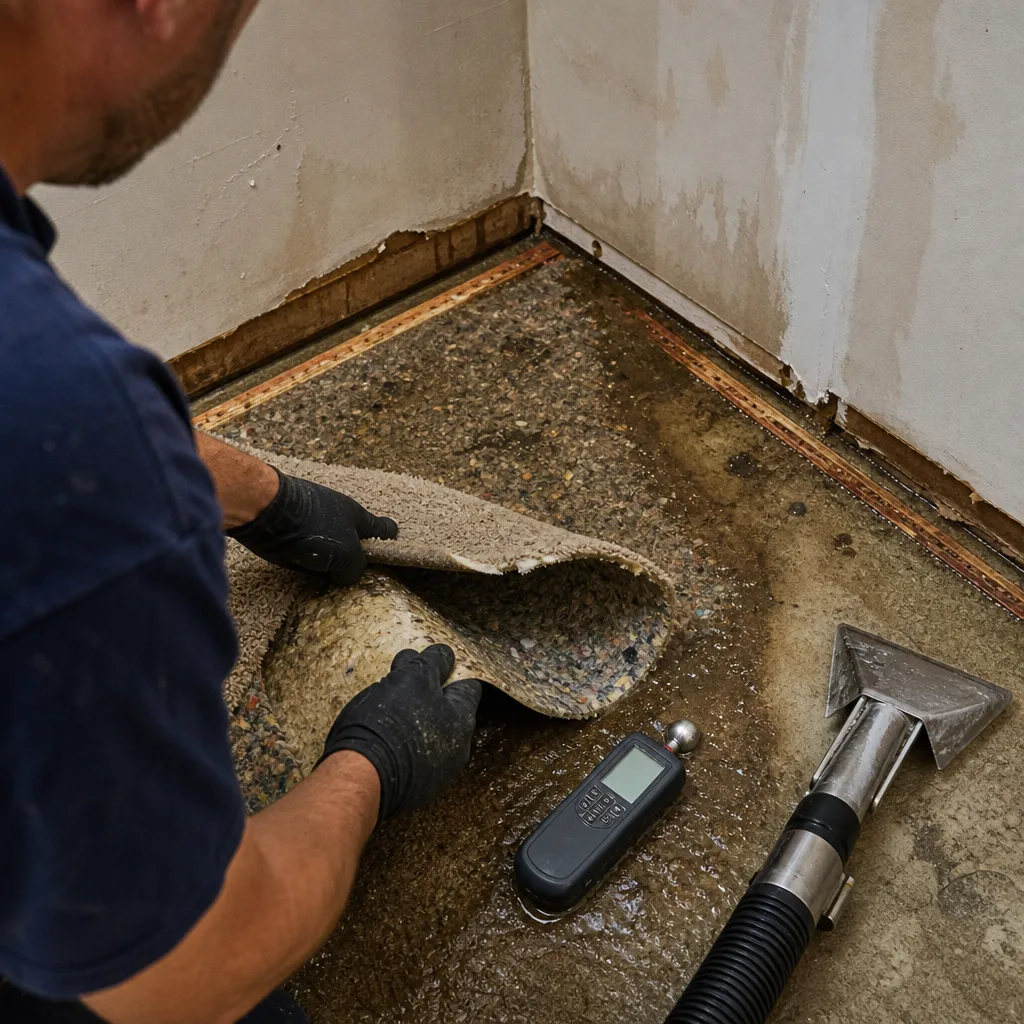
Emergency Water Extraction
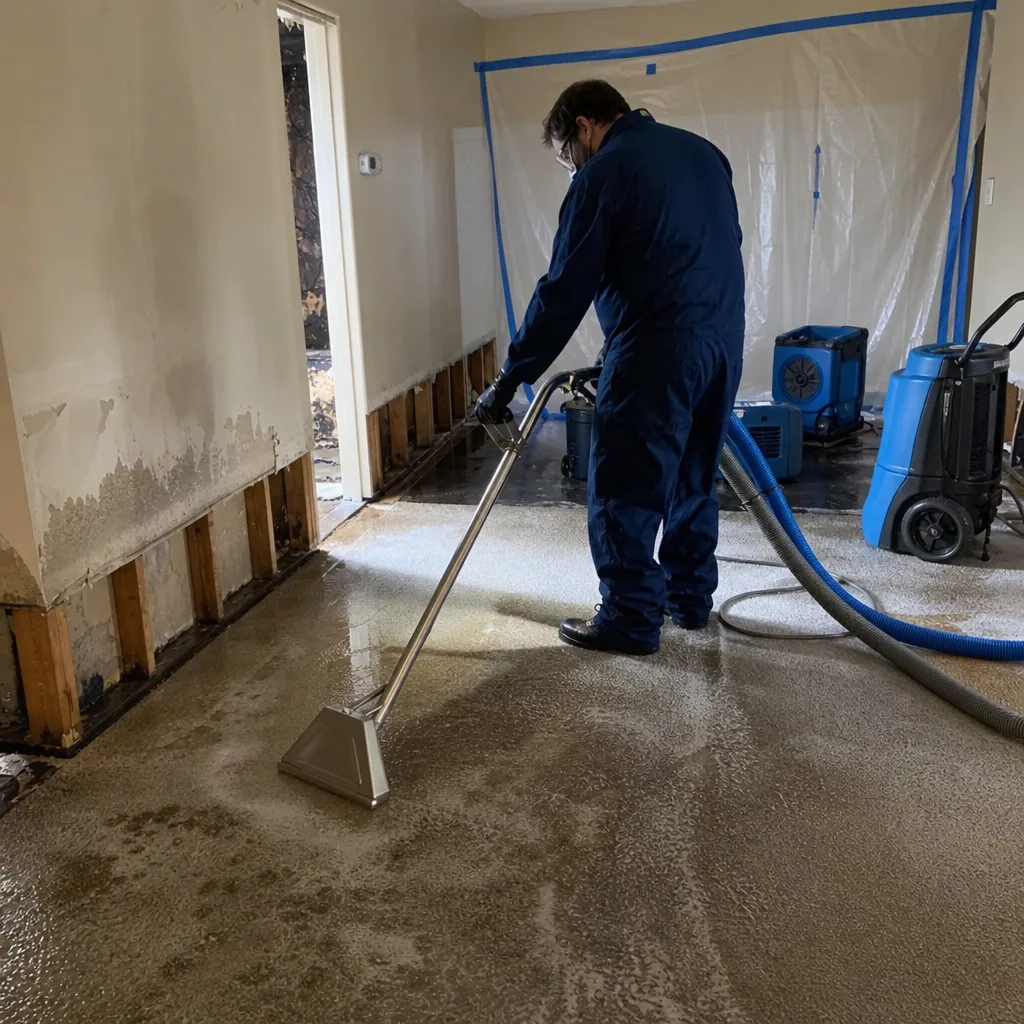
When a burst pipe floods a 1970s Encino ranch or a roof leak opens during a January storm in Silver Lake, standing water doesn’t wait. Our extraction teams deploy truck-mounted systems and portable submersible pumps to remove bulk water within hours, not days. In Los Angeles’s older housing stock, we often find original terrazzo or slab foundations that trap water at the perimeter - we map those pockets with thermal imaging and document the readings before extraction begins.
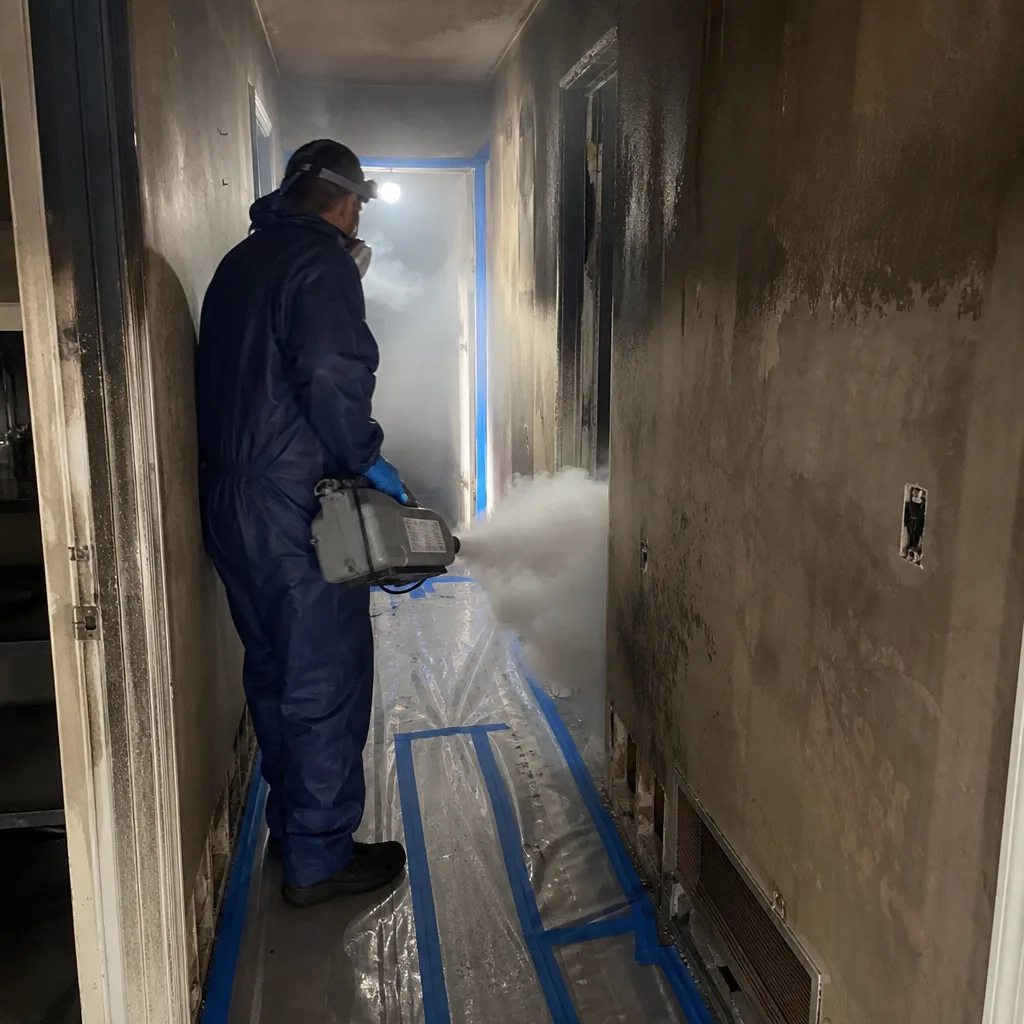
Structural Drying & Dehumidification
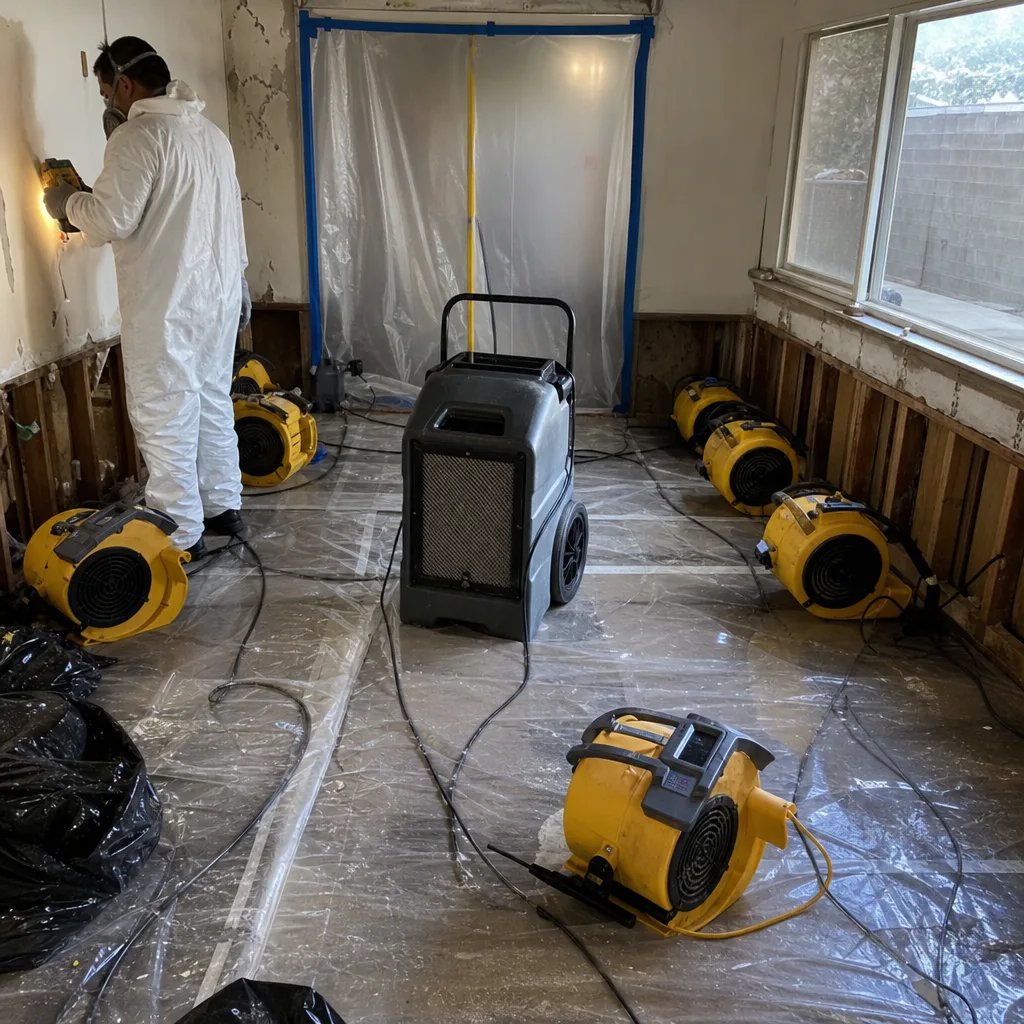
Los Angeles’s prolonged summer drought desiccates framing and subfloors, which sounds like a benefit until sudden water intrusion causes rapid swelling in kiln-dried lumber that’s been moisture-starved for months. We set psychrometric targets based on actual material equilibrium, not guesswork, using Dri-Eaz and Phoenix dehumidification systems with calculated air changes per hour. Vapor pressure differential - the force that drives moisture from wet materials into dry air - gets logged daily, with readings attached to your file for adjuster review.
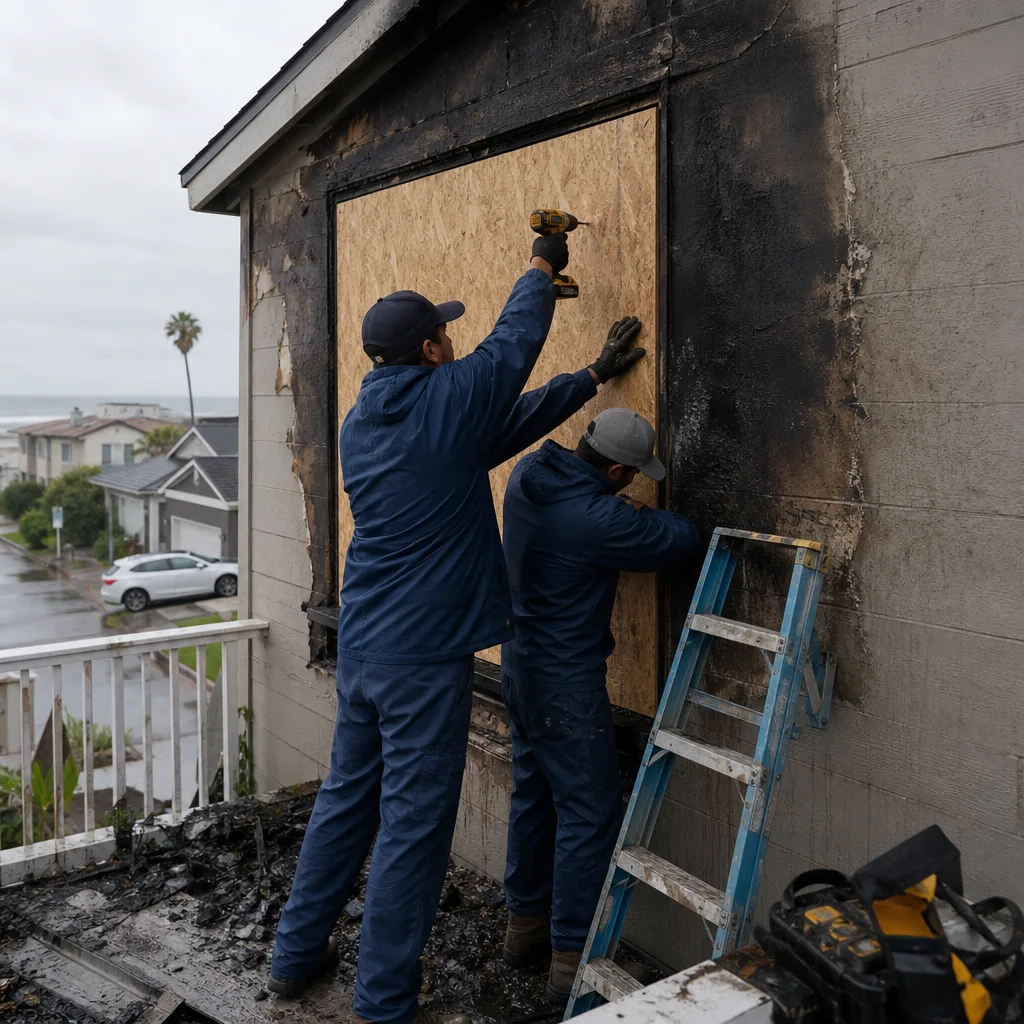
Flood Cleanup
Flood cleanup in Los Angeles carries a unique profile that out-of-market crews consistently misread. The same Santa Ana wind cycle that drives wildfire through foothill neighborhoods leaves hydrophobic soils that repel water instead of absorbing it. When winter rains hit those burn scars, ash-laden mudflows breach stucco envelopes and enter structures as Category 3 water - not clean rainwater, but contaminated flow carrying fire residue, soil chemistry, and debris. We classify it correctly, remove what must be removed, and document the category determination with photo evidence.
Burst Pipe Restoration
Los Angeles’s 1950s-1980s galvanized and early copper systems are past design life in thousands of homes. A burst pipe in a Mid-Century Modern in the Hollywood Hills or a 1960s tract home in Van Nuys requires more than extraction - it requires understanding how that era’s construction handled (or failed to handle) water migration. We probe behind intact stucco, check for slab-edge wicking, and write the full scope before demolition starts.
What happens when you call
- 1
A real person answersNo phone trees - you reach a local pro.
- 2
You get an upfront price rangeHonest numbers before anyone is dispatched.
- 3
A background-checked tech heads outLicensed & insured, dispatched right away.
- 4
You approve before work beginsNothing starts until you say go.
 Before
 After
AfterTrusted Brands We Service in Los Angeles
Our equipment inventory runs on Dri-Eaz, Phoenix, and B-Air systems - the same brands specified in IICRC drying standards - with Injectidry specialty drying panels for hardwood and cabinet salvage. We stock local replacement parts for Los Angeles customers, which means when a dehumidifier needs a filter or airmover needs a cord repair mid-job, we’re not waiting on a warehouse in another state. That availability translates to continuous drying cycles and faster completion, which translates to lower temporary living costs and faster claim closure.
Common Water Damage Restoration Problems We See in Los Angeles Homes
- Intact stucco hiding fire and water damage. The dominant 1950s-1980s wood-frame stucco construction in Los Angeles presents an intact skin that routinely conceals pre-existing fire char, moisture intrusion, or earthquake-induced framing shifts. We probe behind cladding before finalizing any scope, because what looks like a simple water event is often compound damage.
- Misclassified post-fire mudflow water. Crews unfamiliar with Los Angeles’s wildfire-to-debris-flow cycle treat ash-laden hillside runoff as Category 1 clean water. It’s Category 3 - grossly contaminated - and drying it in place instead of removing affected drywall and insulation leaves homeowners with odor, microbial growth, and failed air-quality tests months later.
- Hillside foundation movement during drying. Post-and-pier foundations on saturated, fire-scarred slopes can rack and shift along active fault systems like the Hollywood and Puente Hills faults. Drying schedules that don’t account for structural movement leave gaps, cracked finishes, and a structure that never returns to pre-loss condition.
- Out-of-market estimators missing sequential damage. Single-visit estimators from San Diego or the Inland Empire scope the visible water event and miss the soot-contaminated HVAC system or compromised envelope that will breach again at the next rain. We document the full sequence because we’ve seen it before.
Pricing for Water Damage Restoration in Los Angeles, CA
Emergency water extraction in Los Angeles runs $1,200-$2,800 for residential jobs up to 1,500 square feet, with after-hours and holiday rates at the upper end. Structural drying and dehumidification typically costs $3,500-$6,000 for a three-bedroom home with standard Class 2 water damage, while Category 3 contamination requiring removal of drywall, insulation, and antimicrobial treatment pushes the range to $5,500-$9,500. Full pack-out, contents cleaning, and phased reconstruction on compound fire-and-water jobs in foothill neighborhoods can reach $15,000-$35,000 depending on permit requirements and square footage.
What moves you within these ranges: contamination category (clean water vs. gray vs. black), affected square footage, whether flooring and drywall can be dried in place or must be removed, and whether the structure requires phased permitting for sequential mitigation. Every job gets a written price before work begins, Haven Standard, Clause 1 - no exceptions, no scope-creep additions once the crew is inside. Bring a competitor’s written estimate and we’ll review it free under our Free Second Opinion policy.
We Also Serve Cities Near Los Angeles
Our crews regularly work in Gardena, Inglewood, Hawthorne, and Lawndale - the same documentation standards, the same written-price-first protocol, the same live-answer dispatch. If you’re in these communities and dealing with water damage, the same Los Angeles-based team handles your job.
Serving Los Angeles, CA - Our Local Coverage Area
We’re based in the Los Angeles area and know this community well. Use the map below to see our service coverage - if you’re nearby, we can almost certainly help.
FAQs - Water Damage Restoration in Los Angeles
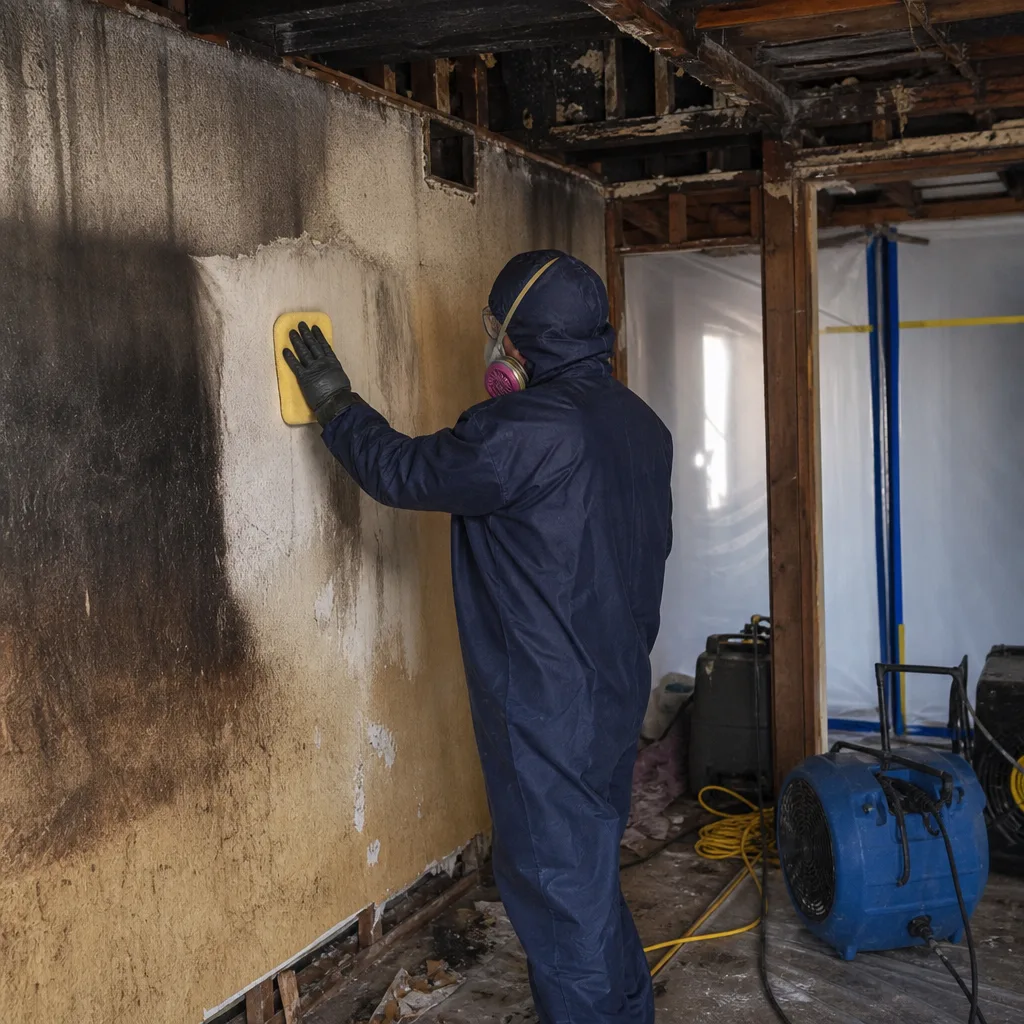
Because the initial fix often addressed only the visible water event, not the compromised envelope that Santa Ana wind-driven fires and subsequent mudflows created. In ZIP codes like 91001 and 91011, experienced crews document a predictable three-phase pattern: structural char and melted materials first, then deep soot deposition throughout ductwork and wall cavities, and finally a second breach of ash-saturated mud through the same compromised stucco during the first significant rain weeks later. Single-visit estimators from outside the market consistently under-scope this sequence. Call (213) 699-3658 and we’ll review any existing scope for completeness - estimates are free.
Yes. The 1950s-1980s wood-frame stucco that dominates Los Angeles was built with vapor barriers and insulation practices that differ significantly from current code, meaning moisture moves differently through these assemblies than through modern construction. The stucco skin can read dry on the surface while framing behind it holds elevated moisture for weeks. We probe behind cladding, map moisture at multiple depths, and adjust drying targets based on actual material readings rather than surface assumptions. Call (213) 699-3658 for an assessment with documented readings.
Post-fire mudflow water is Category 3 - grossly contaminated - because it carries ash, fire residue, soil chemistry, and debris from burned structures and landscapes. Category 3 classification matters because it determines what must be removed versus what can be dried in place: affected drywall, insulation, and porous materials require removal and disposal, not in-place drying. Misclassification as Category 1 clean water is the most common error we see from crews unfamiliar with Los Angeles’s wildfire-to-debris-flow cycle. Call (213) 699-3658 if you’ve had mud intrusion and want the category determination reviewed.
Within 24-48 hours for Category 1 water to prevent microbial growth, and immediately for Category 2 or 3. In Los Angeles’s dry climate, homeowners sometimes assume delay is less risky than in humid regions - but desiccated materials actually absorb faster and can swell, crack, or delaminate more dramatically when suddenly saturated. Our live-answer dispatch means we’re typically extracting within 60-90 minutes of your call to (213) 699-3658.
Compound damage sequences - fire char, then soot-contaminated HVAC, then mud intrusion through the same compromised envelope - require sequential mitigation with distinct phases, each potentially requiring separate permitting and inspection. A pack-out protects contents during extended work, and phased permits ensure each stage passes inspection before the next begins. This is standard on foothill properties in Altadena, La Cañada Flintridge, and Malibu Canyon communities, and it’s a workflow that effectively doesn’t exist in San Diego or the Inland Empire markets. Call (213) 699-3658 to discuss whether your property requires phased mitigation.
Written by Alicia Brennan, Owner at Back to Dry Restoration, serving Los Angeles since 2011.