
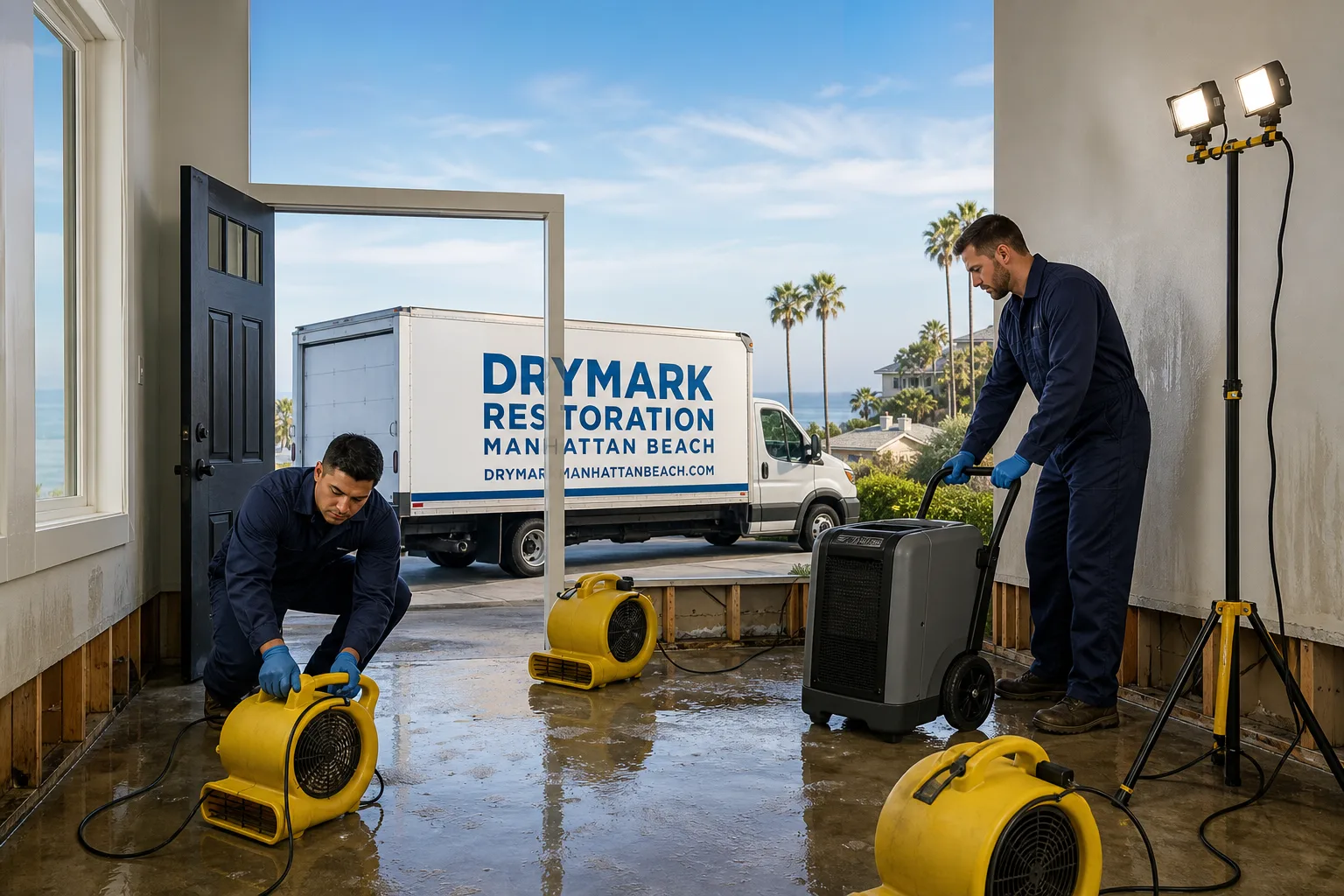
Free visual inspection and a written scope of work before any mitigation begins - photos, moisture readings, and drying logs go in your claim file
The scope we write is the scope we bill. Anything new gets shown to you, in writing, before we touch it.
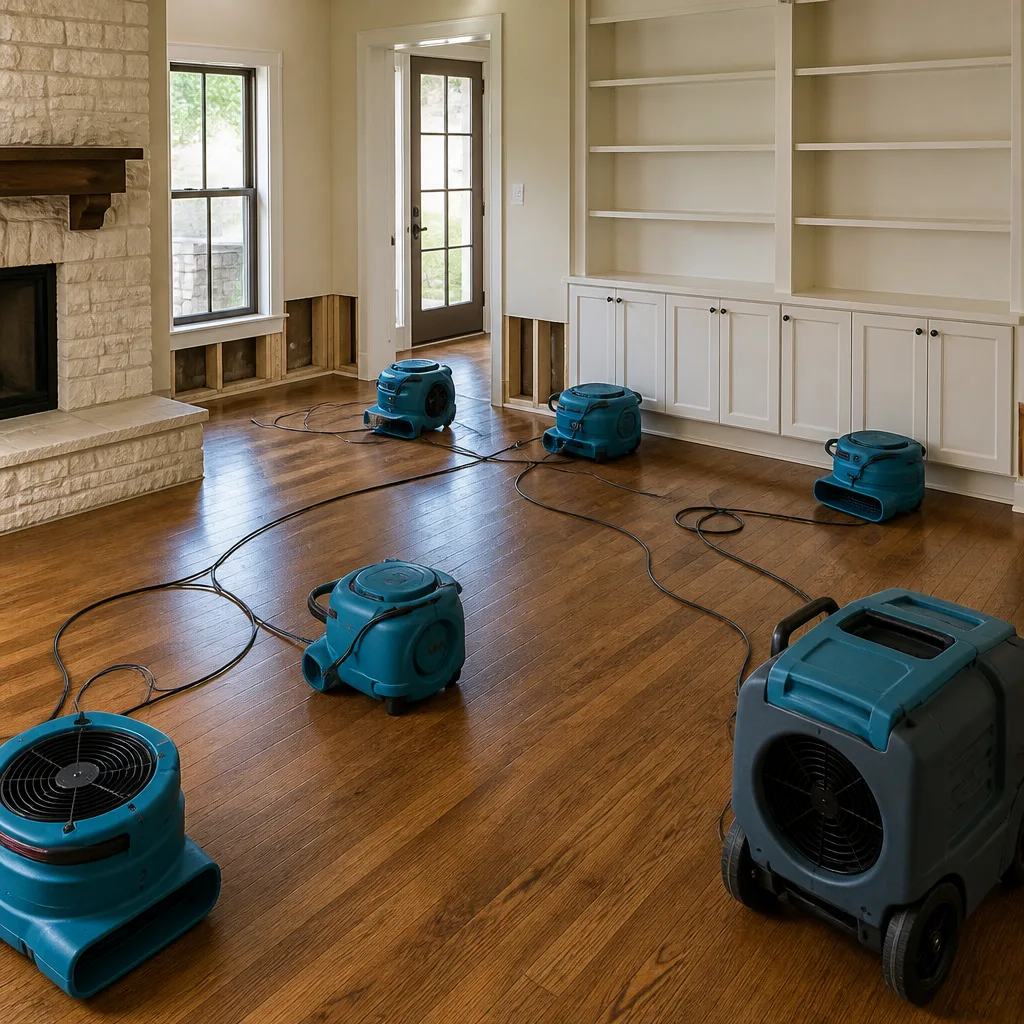
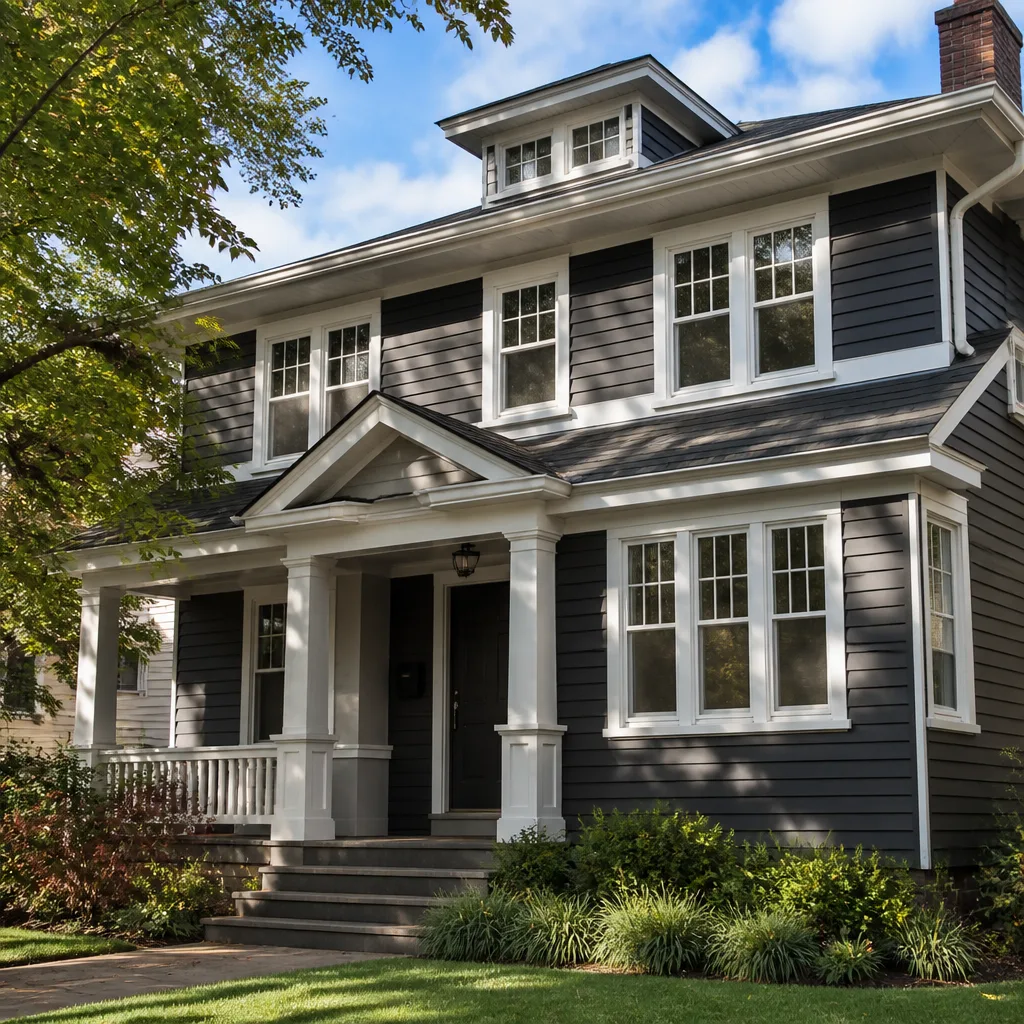
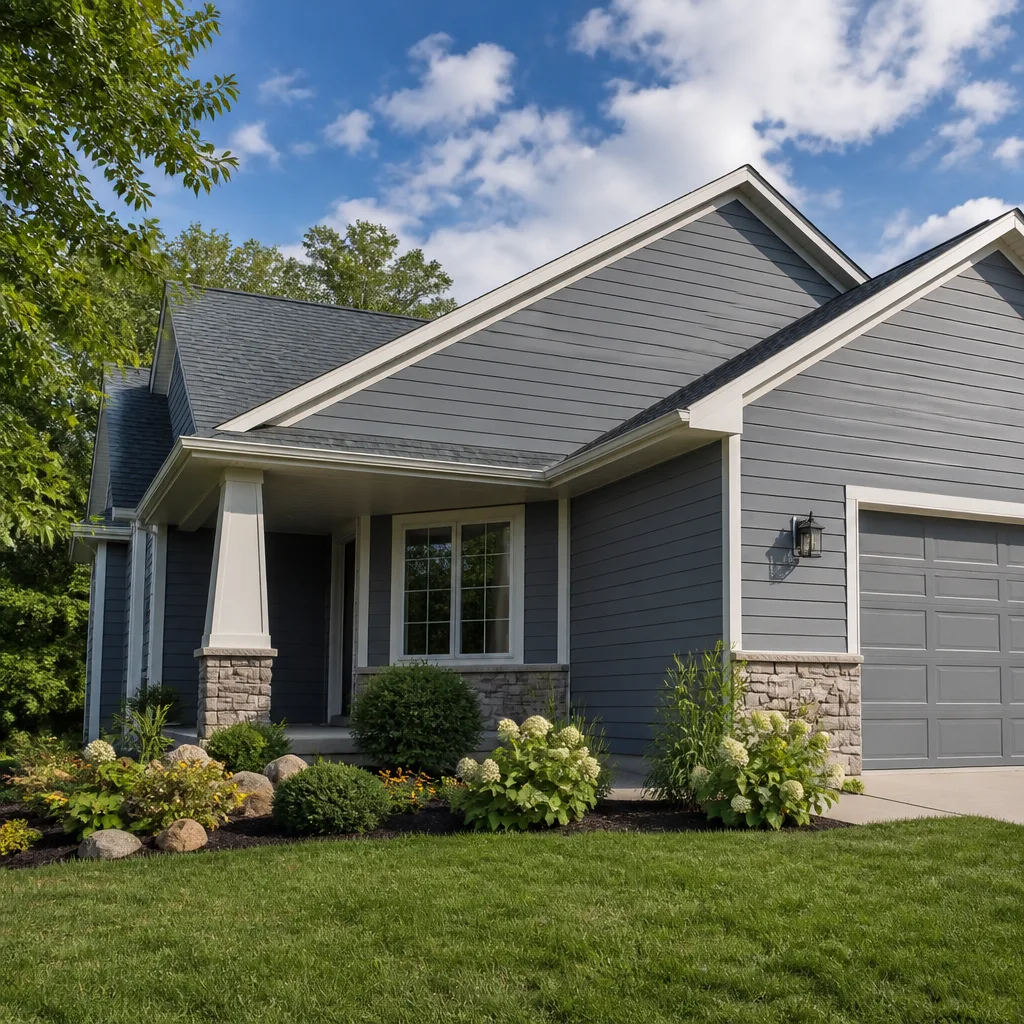
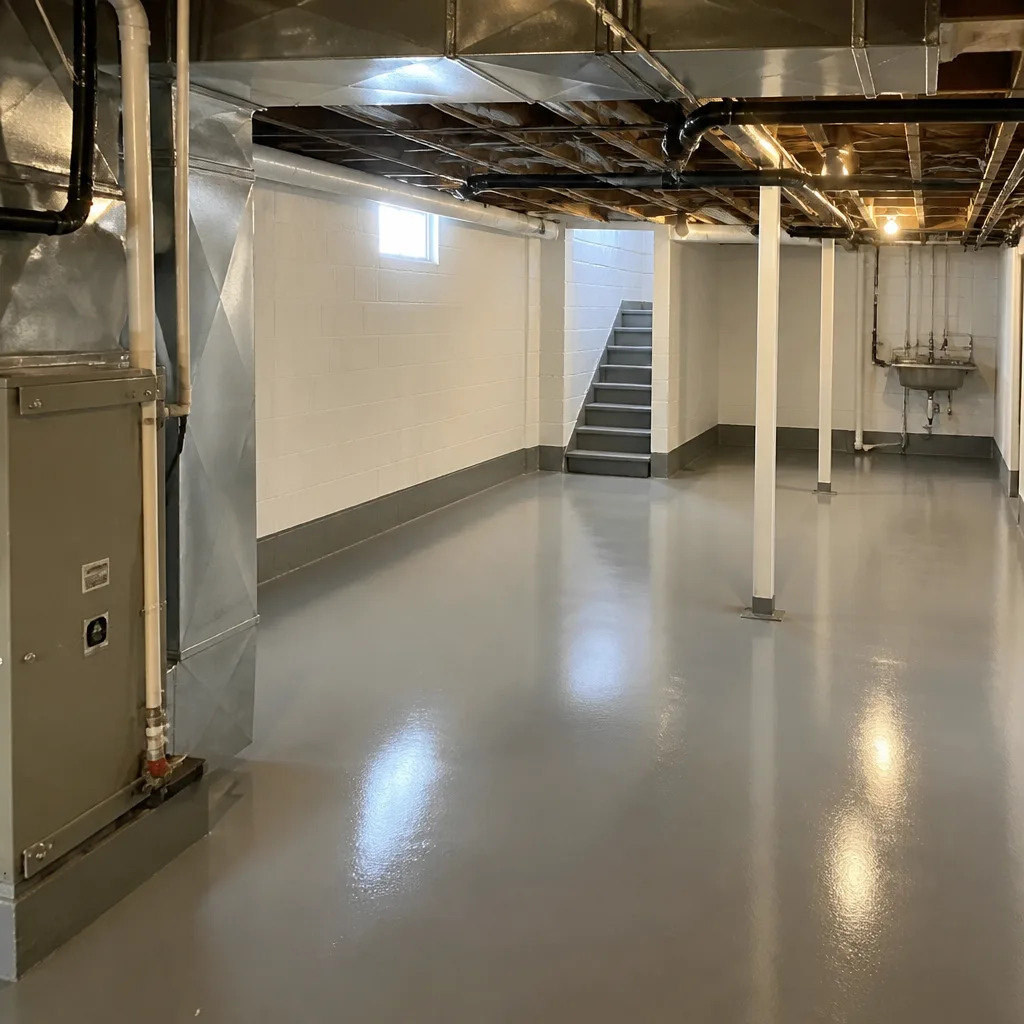
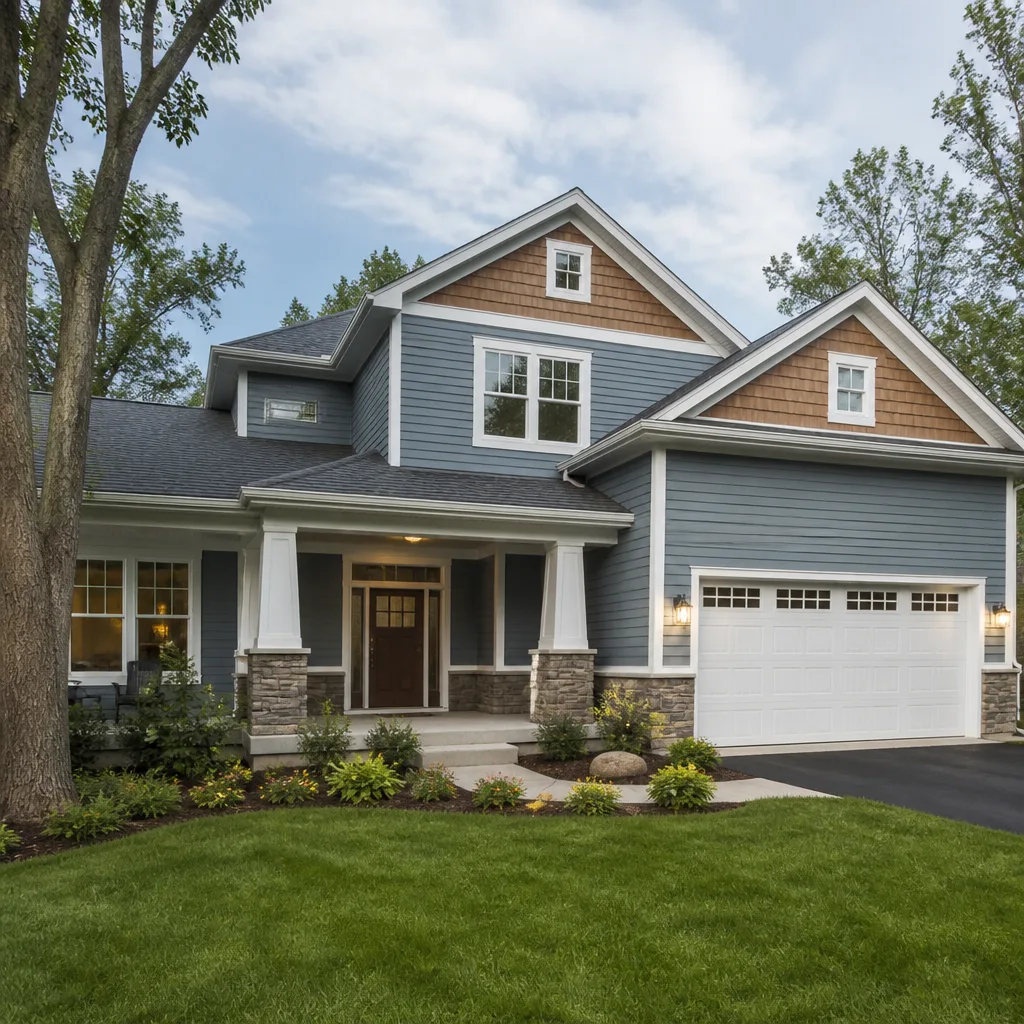
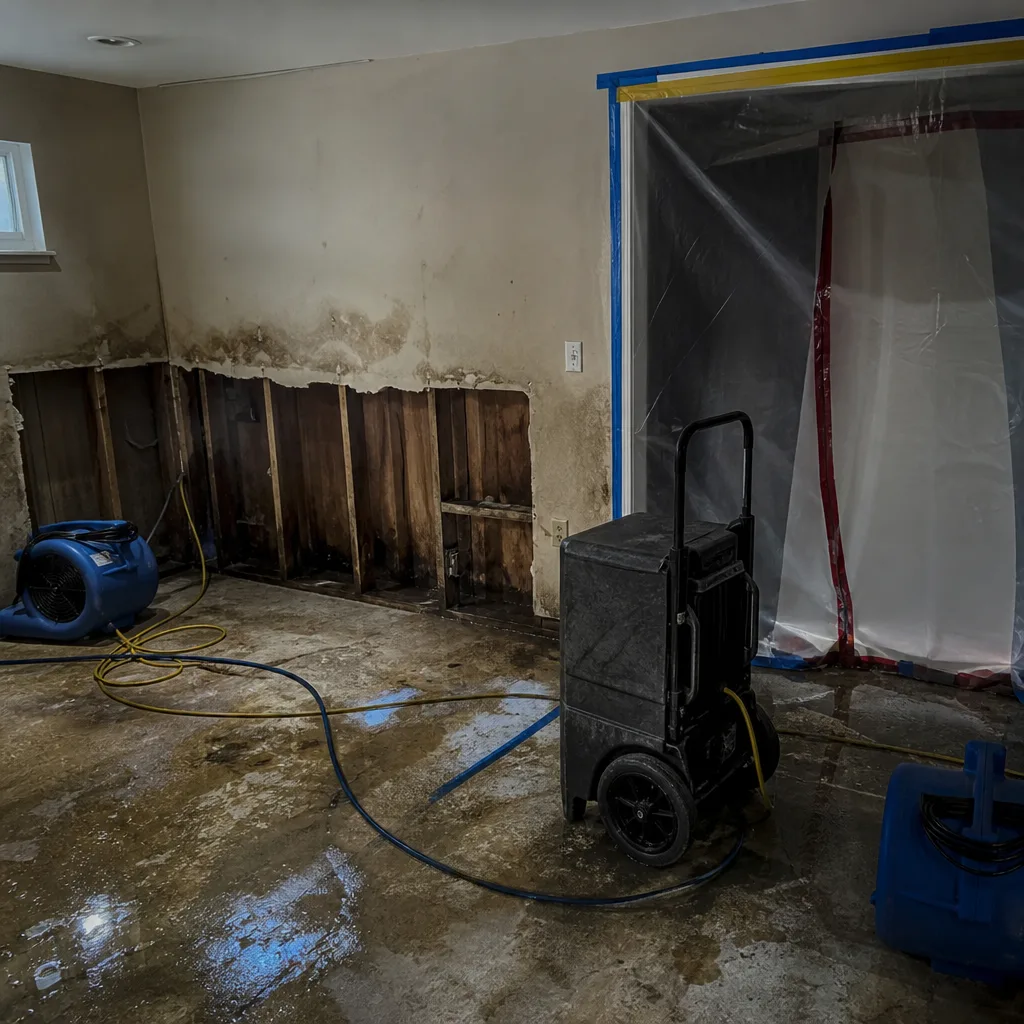 Before
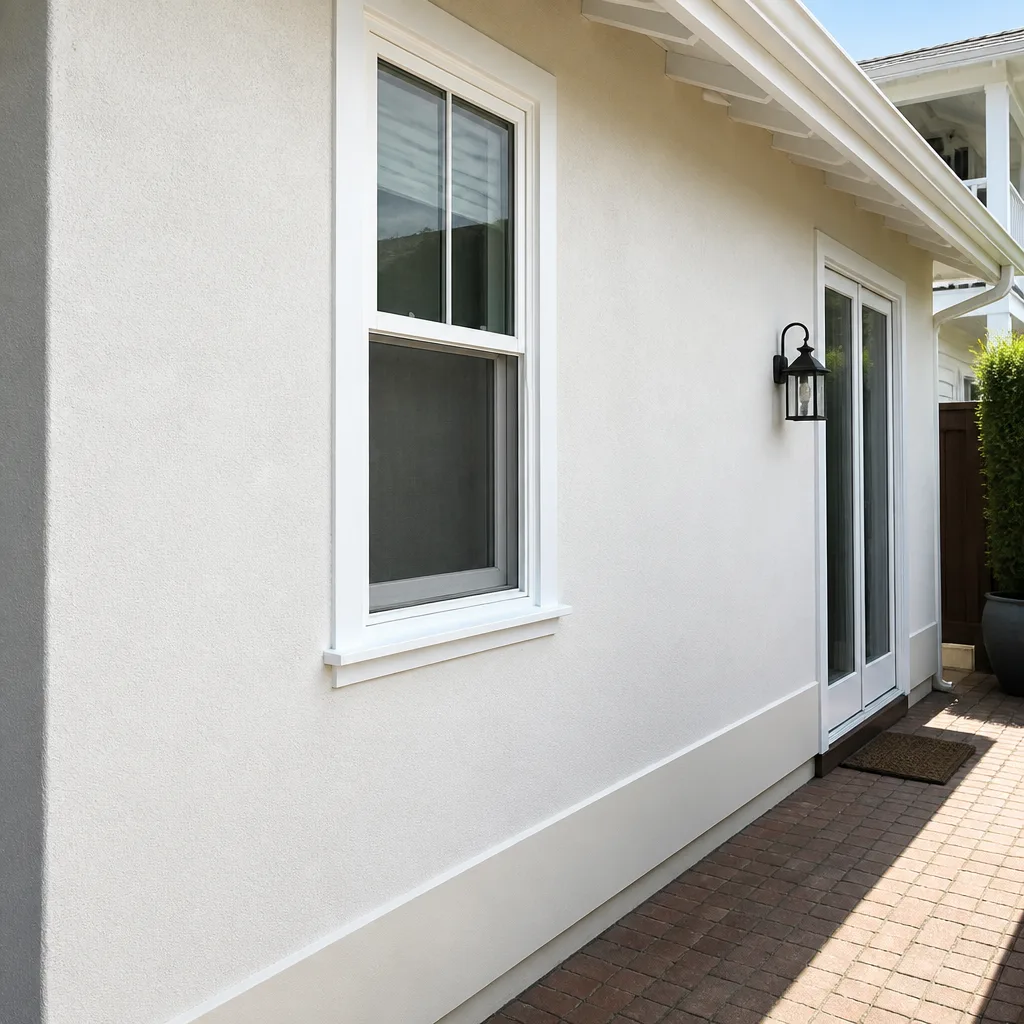 After
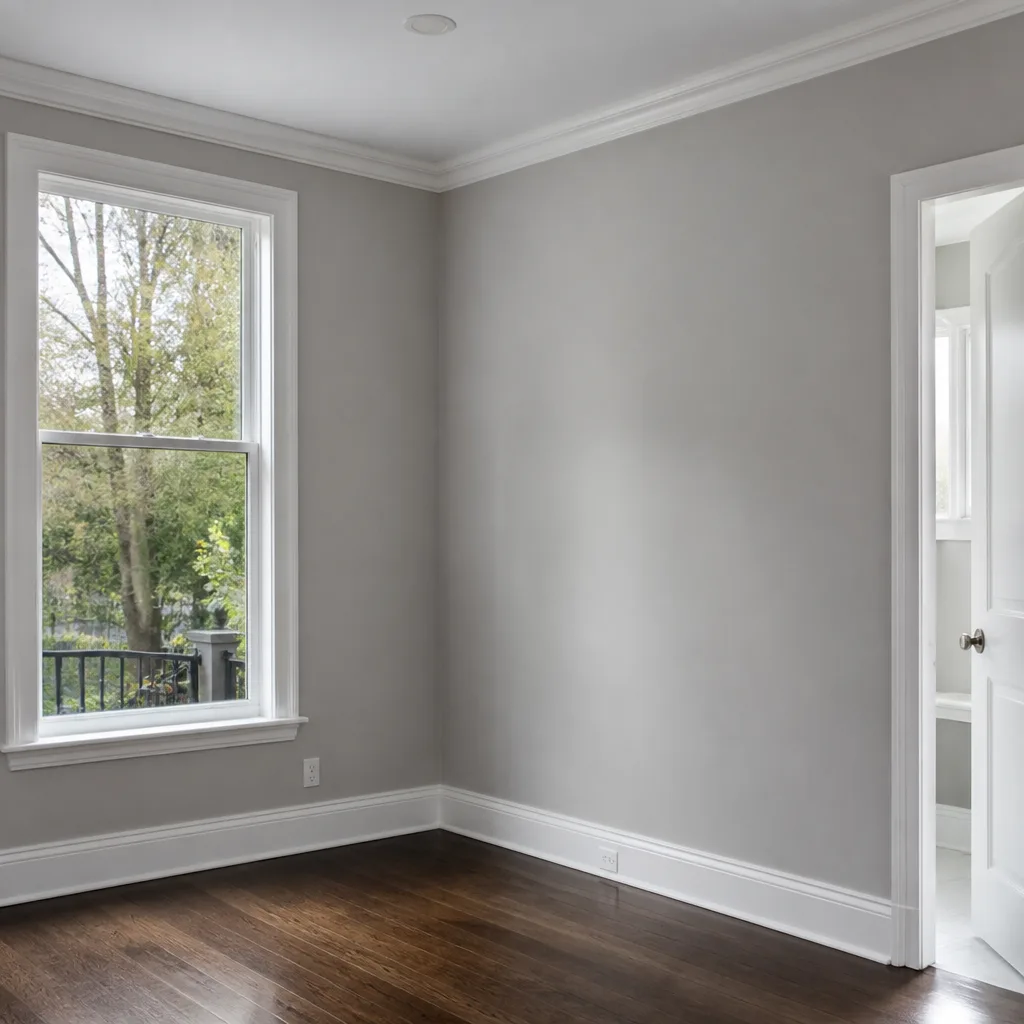
After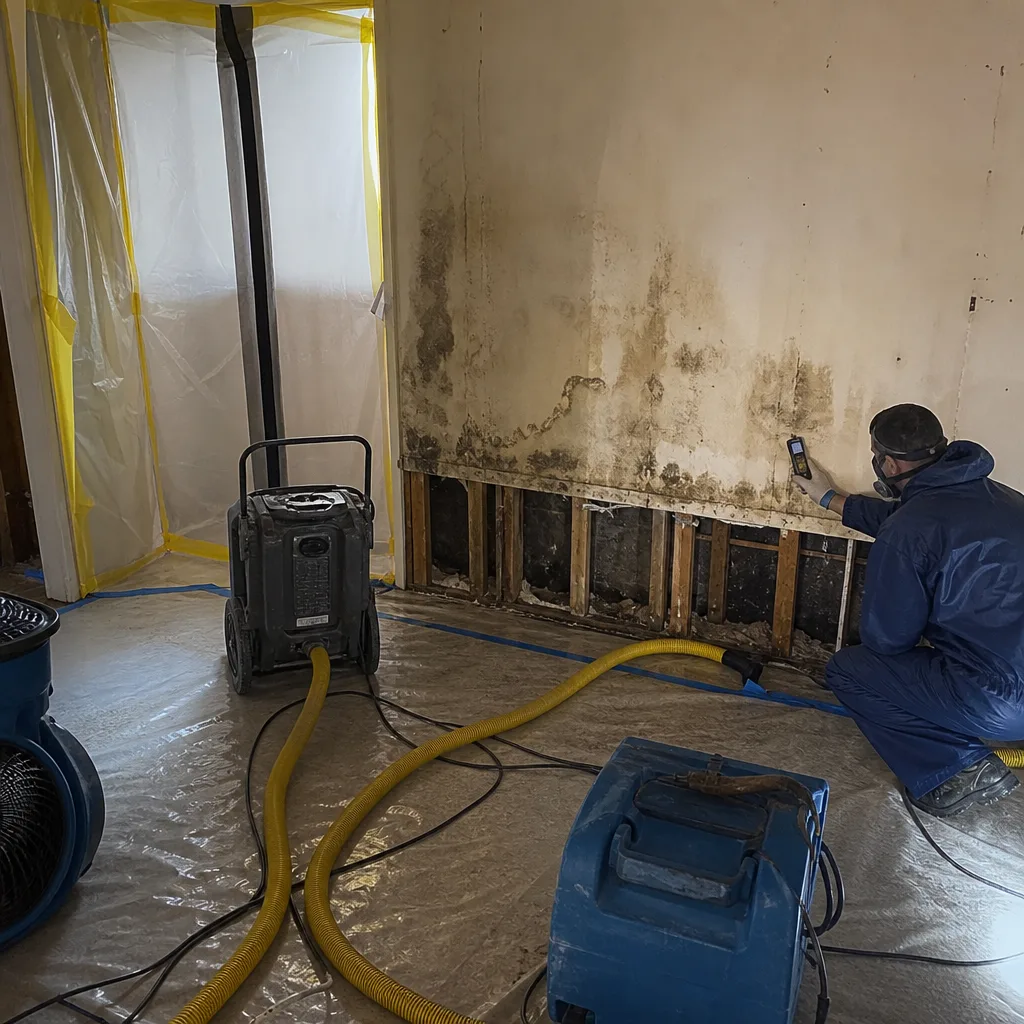 Before
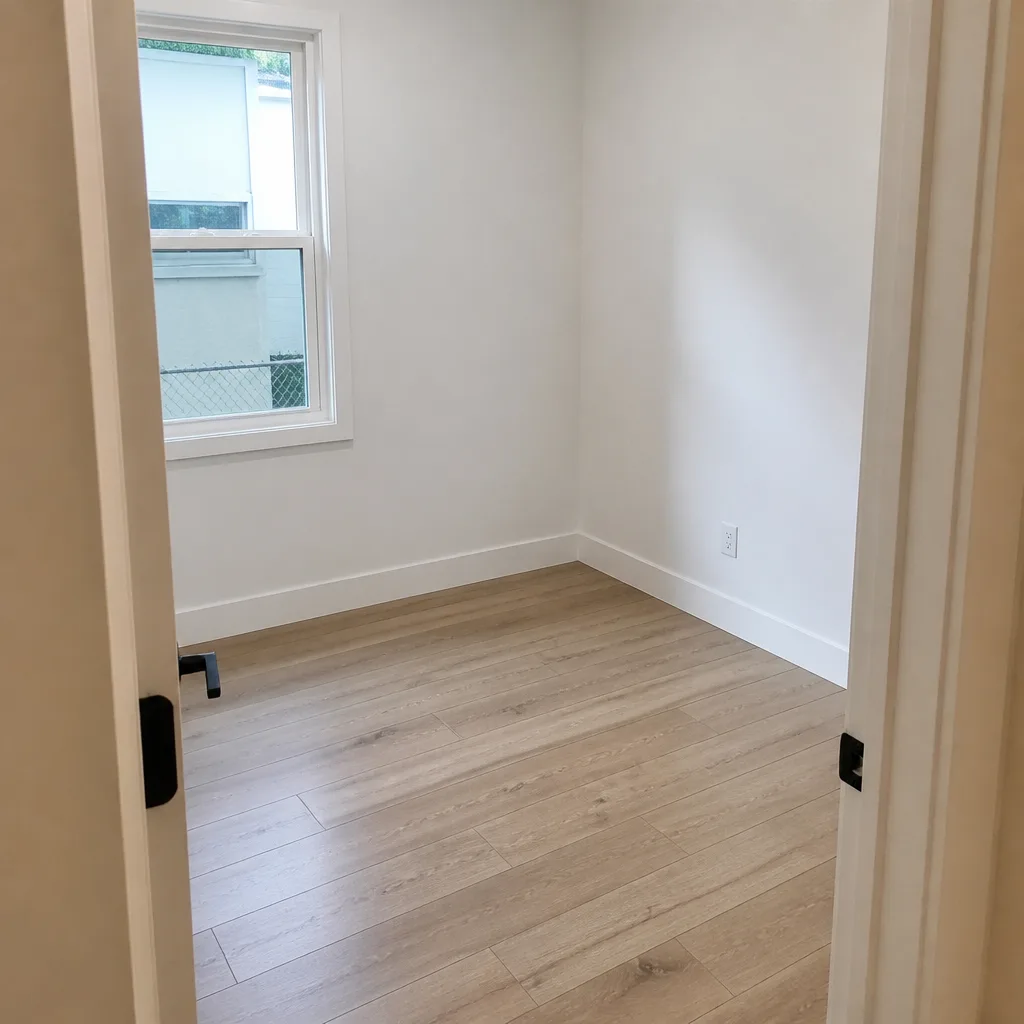 After
After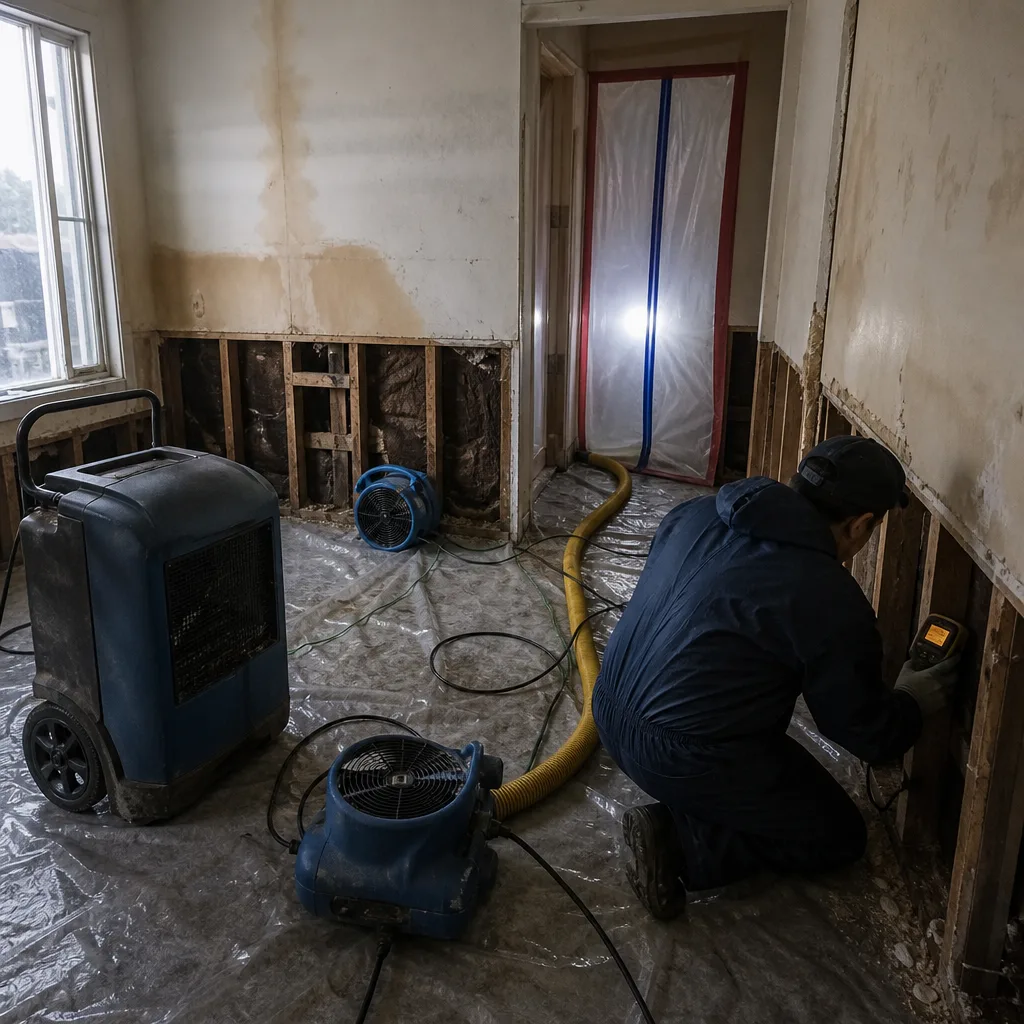 Before
 After
AfterFast, Reliable Fire & Smoke Damage Restoration Across Redondo Beach
Fire and smoke damage restoration in Redondo Beach typically costs between $3,200 and $14,500 depending on the extent of structural involvement, with smoke and soot mitigation alone running $1,800-$4,200 for a standard townhome unit. Most Redondo Beach properties we see are 1970s-1980s stucco townhome and condo complexes, especially through North Redondo, where shared attic runs and common-wall framing mean one unit’s kitchen fire routinely becomes a multi-party HOA claim. We’re familiar with the architectural-review requirements these complexes enforce, and we coordinate directly with property managers and adjusters to keep restoration moving without compliance delays. Call (213) 699-3658 for a written scope before any work begins.
Why DryMark Restoration Manhattan Beach Is Redondo Beach’s Preferred Fire & Smoke Damage Restoration Company
We’ve restored fire and smoke damage in Redondo Beach long enough to know that the job isn’t done when the burnt drywall comes down. It’s done when the HOA architectural review board signs off on the replacement door style, the paint color matches the community palette, and the neighbor’s unit tests clear of migrated soot. Our crews serve Redondo Beach from our Los Angeles office, with dispatch coordinated to reach North Redondo, the Hollywood Riviera, and the King Harbor area without the delays that come from operators who don’t know which complexes require pre-approved materials.
Our reputation in Redondo Beach is built on documentation that holds up under scrutiny: photo records on every visit, daily moisture logs with psychrometric data (temperature, relative humidity, and vapor pressure differential readings that prove drying progress), and a written price before anyone starts work - Haven Standard, Clause 1. We’ve restored over 12,000 homes since 2011, every one with that same documentation package. Redondo Beach customers specifically mention our HOA coordination in reviews; they appreciate that we file our scopes with ARBs before installation, not after a violation notice lands.
Live phone coverage runs 24 hours a day, 7 days a week with no voicemail trees. When a fire happens at 2 a.m. in a North Redondo complex, you reach a person who can dispatch board-up crews immediately and begin the documentation chain that your adjuster will need by morning.
Our Fire & Smoke Damage Restoration Services in Redondo Beach
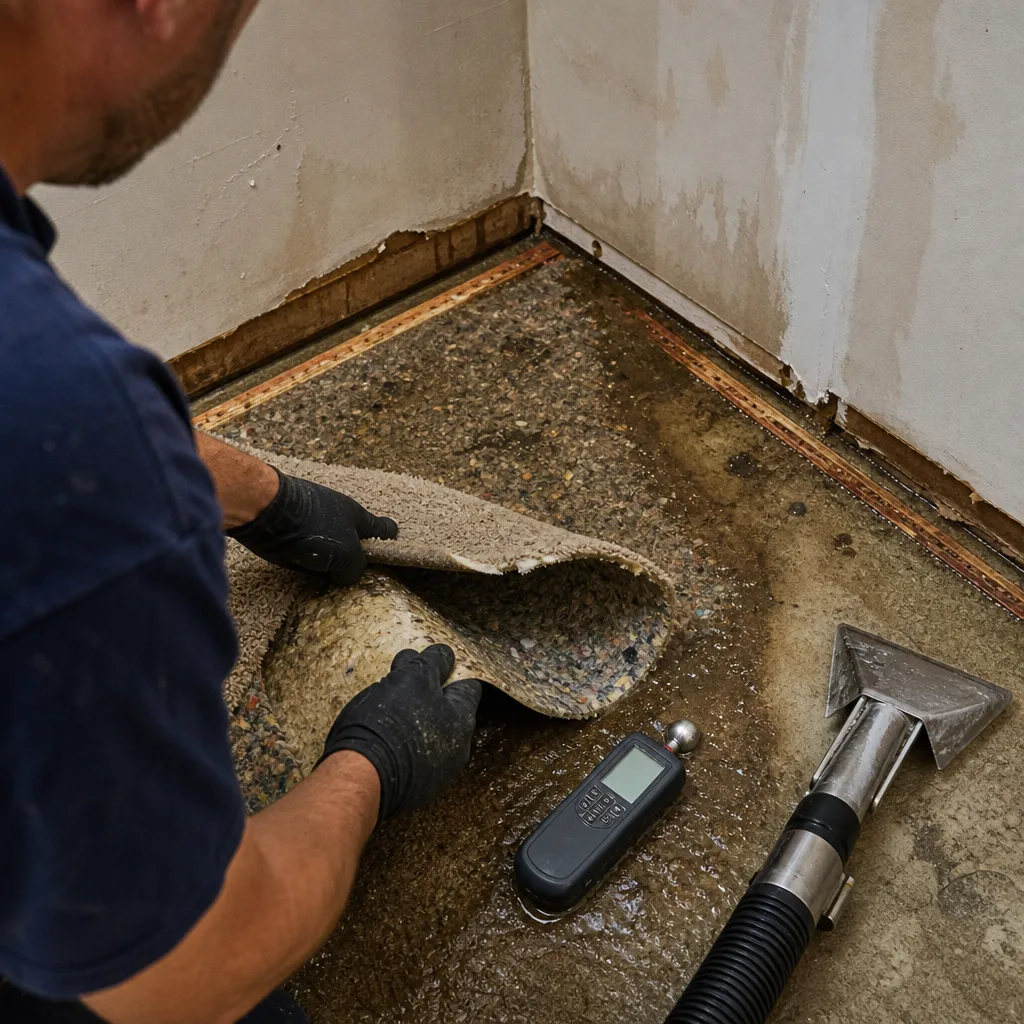
Fire Damage Cleanup
Fire damage cleanup in Redondo Beach starts with understanding what burned and what that means for the structure. Synthetic materials - the vinyl flooring, laminate cabinetry, and petroleum-based textiles common in 1970s-1980s townhome builds - produce acidic residues that continue degrading surfaces until they’re removed. In Redondo Beach’s attached complexes, we also map whether the fire compromised common-wall framing or shared utility chases, because the structural repair scope has to account for multi-unit safety, not just the origin unit. Our crews document every square foot of affected material with photos and moisture readings before any demolition begins, producing the record your insurer needs to approve the scope.
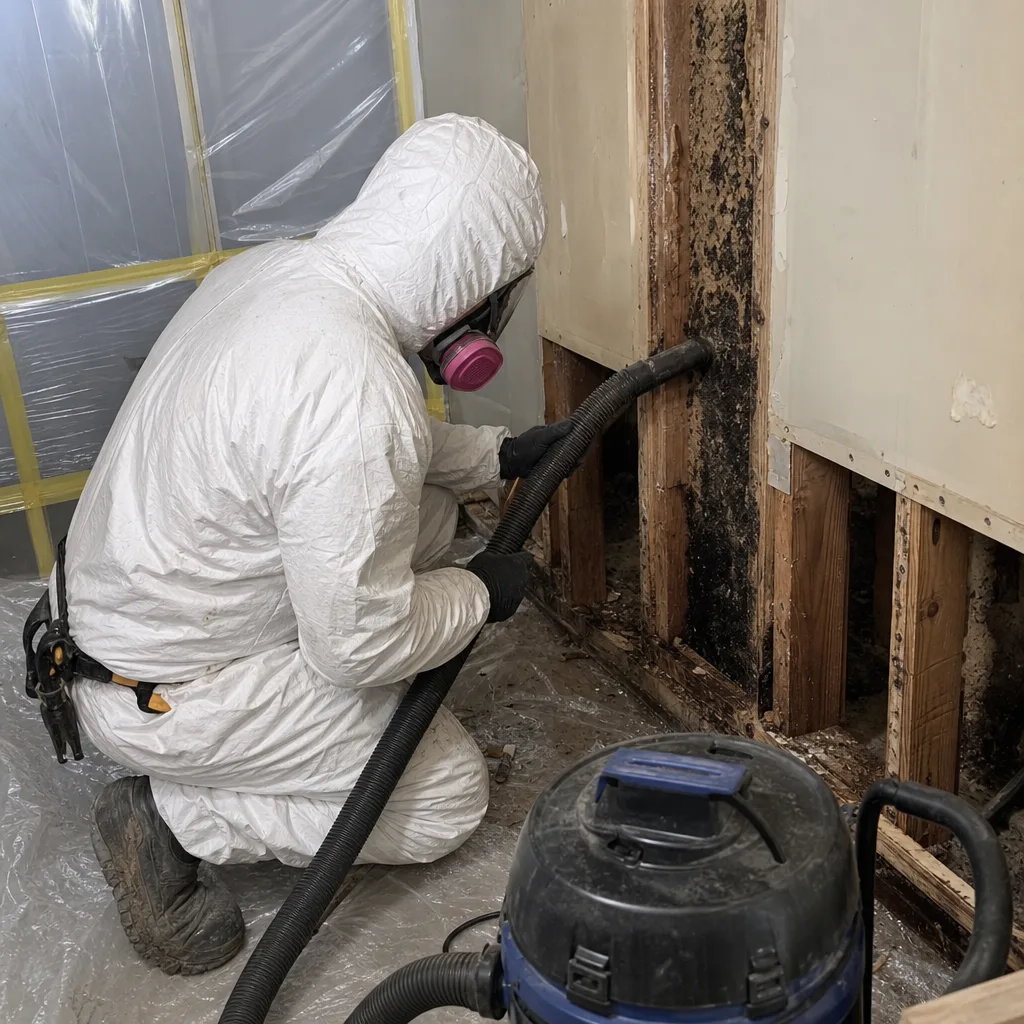
Smoke & Soot Removal
Smoke and soot removal is where Redondo Beach’s building stock creates the most complex work we handle. The shared attic runs in North Redondo stucco townhomes act as natural conduits: hot smoke rises, enters the attic through ceiling penetrations, and travels laterally through the shared space before settling in adjacent units. We’ve seen kitchen fires on one side of a common wall deposit soot in closets three units down the line. Our process uses HEPA air filtration, negative air containment, and targeted cleaning of all surfaces - including the invisible ones inside wall cavities and HVAC returns - with verification through post-cleaning particulate testing. We don’t declare a unit clear until the data says so.
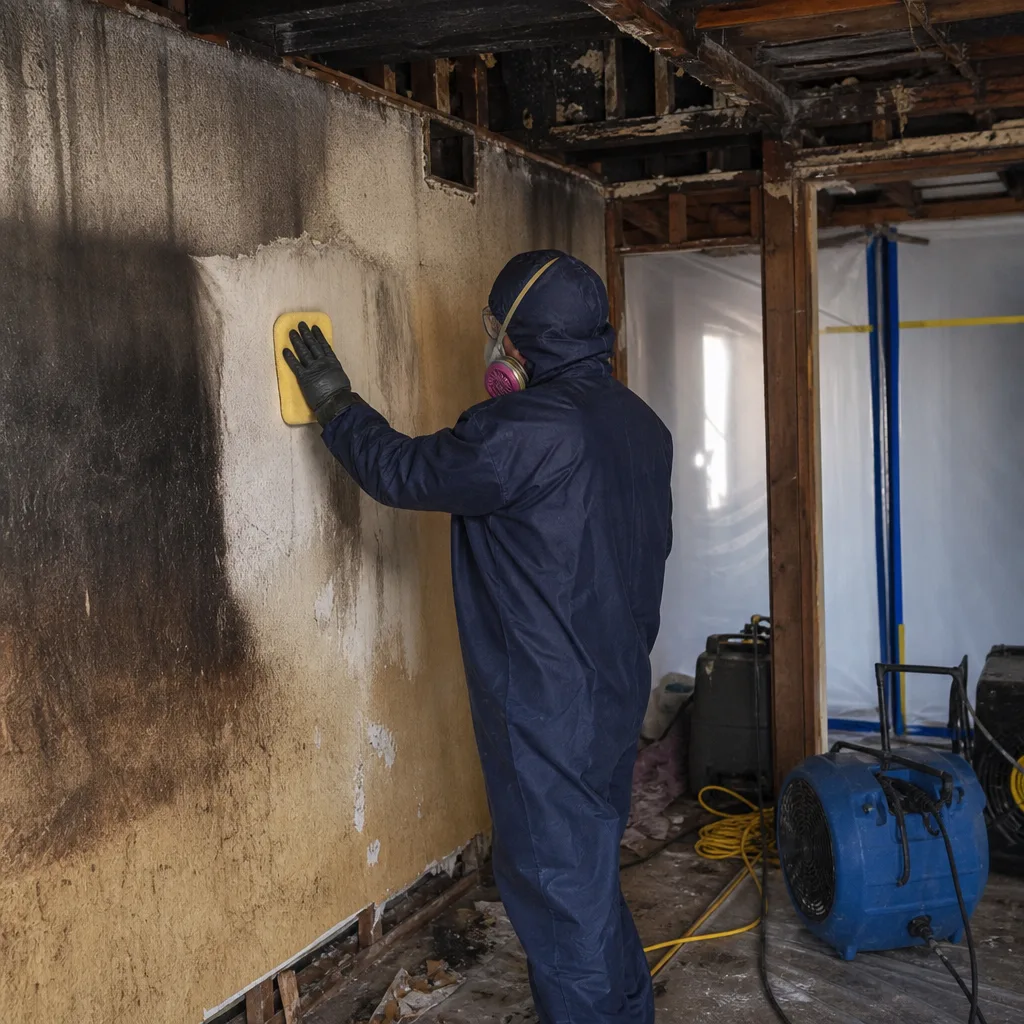
Odor Removal & Deodorization
Odor removal in Redondo Beach requires more than masking. Smoke odor compounds penetrate porous materials - drywall, insulation, unfinished wood framing, and the original single-pane window seals that are standard in these older complexes. We deploy thermal fogging and ozone treatment where appropriate, but the critical step is source removal: identifying every material that holds odor molecules and documenting its condition with photos and written scope. In Redondo Beach’s marine-layer environment, where chronic humidity keeps porous materials slightly damp year-round, odor compounds linger longer and penetrate deeper than in drier inland climates. Our deodorization protocols account for this with extended drying phases and vapor pressure differential monitoring to prove that materials have returned to equilibrium before sealants or paints go on.
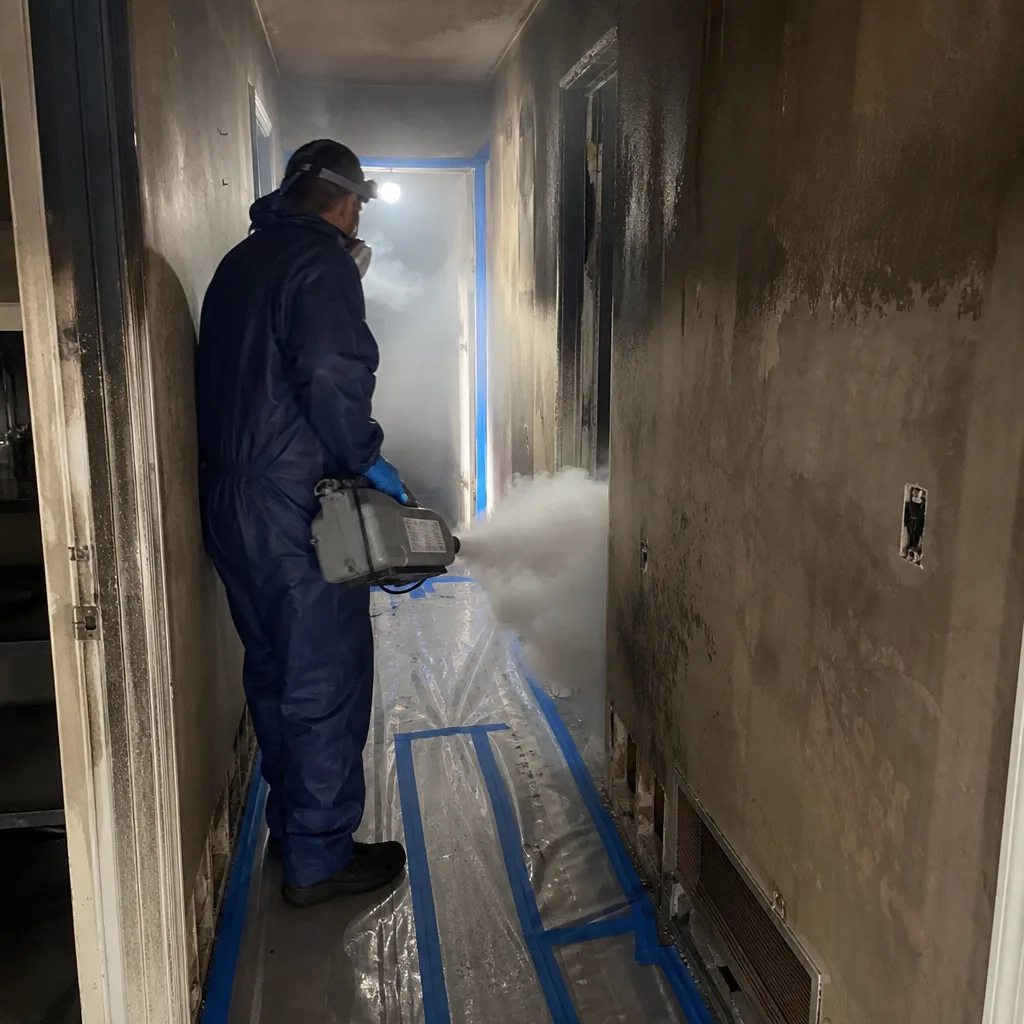
Contents Cleaning & Pack-Out
Contents cleaning for Redondo Beach fire losses happens off-site in our controlled facility, where items receive ultrasonic cleaning, deodorization, and detailed inventory documentation. For HOA complexes with limited parking and narrow access - common in the denser North Redondo developments - we coordinate pack-out timing to avoid conflicts with association move-in/move-out restrictions and loading-zone schedules. Every item is photographed, cataloged, and tracked so the inventory record matches your insurance personal-property schedule. Soft goods that hold smoke odor at the molecular level are evaluated individually; we don’t promise restoration of items that won’t respond to treatment, and we document that determination so your adjuster can process replacement value accurately.
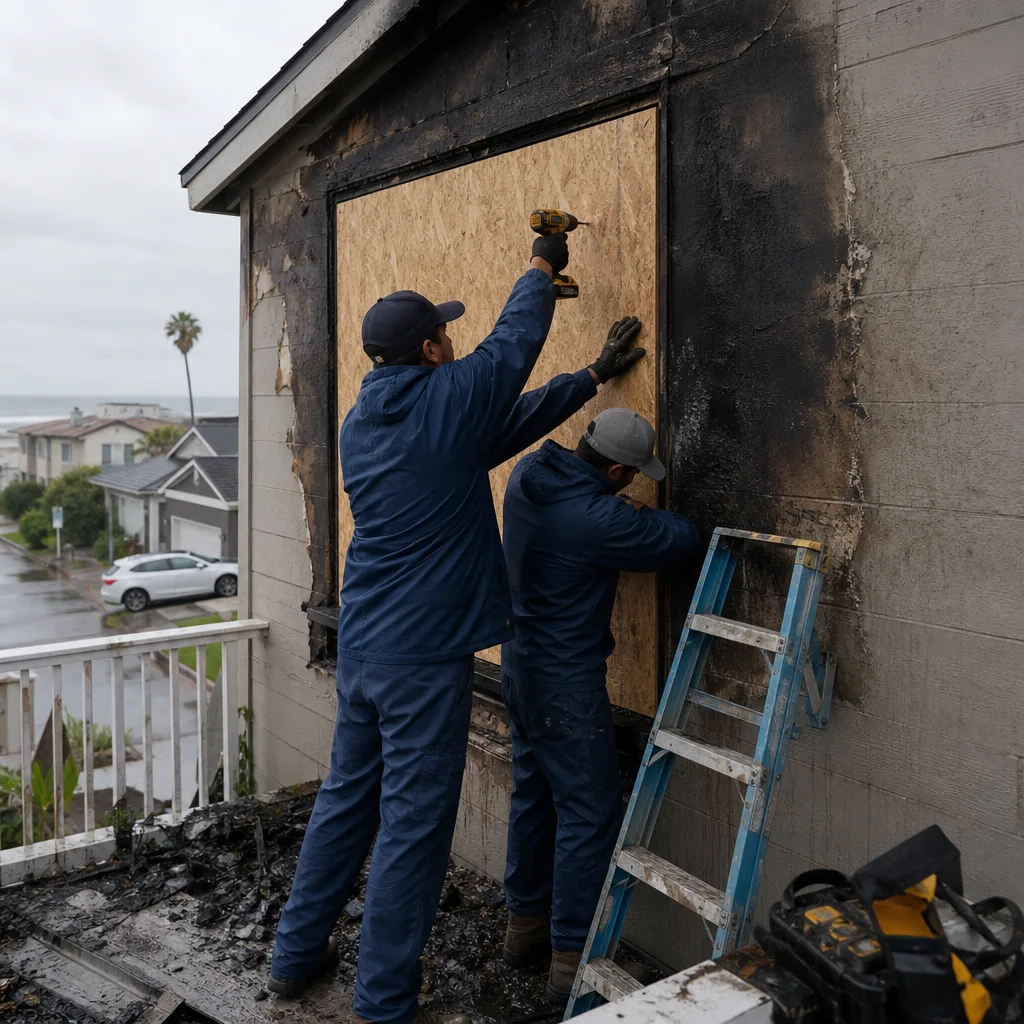
Emergency Board-Up & Tarping
Emergency board-up and tarping in Redondo Beach carries a specific urgency because of the marine layer. Salt-laden coastal moisture begins degrading exposed structural elements within hours of a fire breach, and winter storm events can drive additional water through compromised roofing or window openings. Our board-up crews use weather-resistant materials and sealant systems rated for coastal exposure, not standard inland-grade plywood and plastic. For townhome complexes with HOA-mandated exterior colors and materials, we stock common stucco-tone plywood facing and neutral tarp colors that don’t create immediate aesthetic violations while permanent repairs are scoped. The goal is secure, weather-tight, and compliant - all three, not two out of three.
What happens when you call
- 1
A real person answersNo phone trees - you reach a local pro.
- 2
You get an upfront price rangeHonest numbers before anyone is dispatched.
- 3
A background-checked tech heads outLicensed & insured, dispatched right away.
- 4
You approve before work beginsNothing starts until you say go.
 Before
 After
AfterTrusted Brands We Service in Redondo Beach
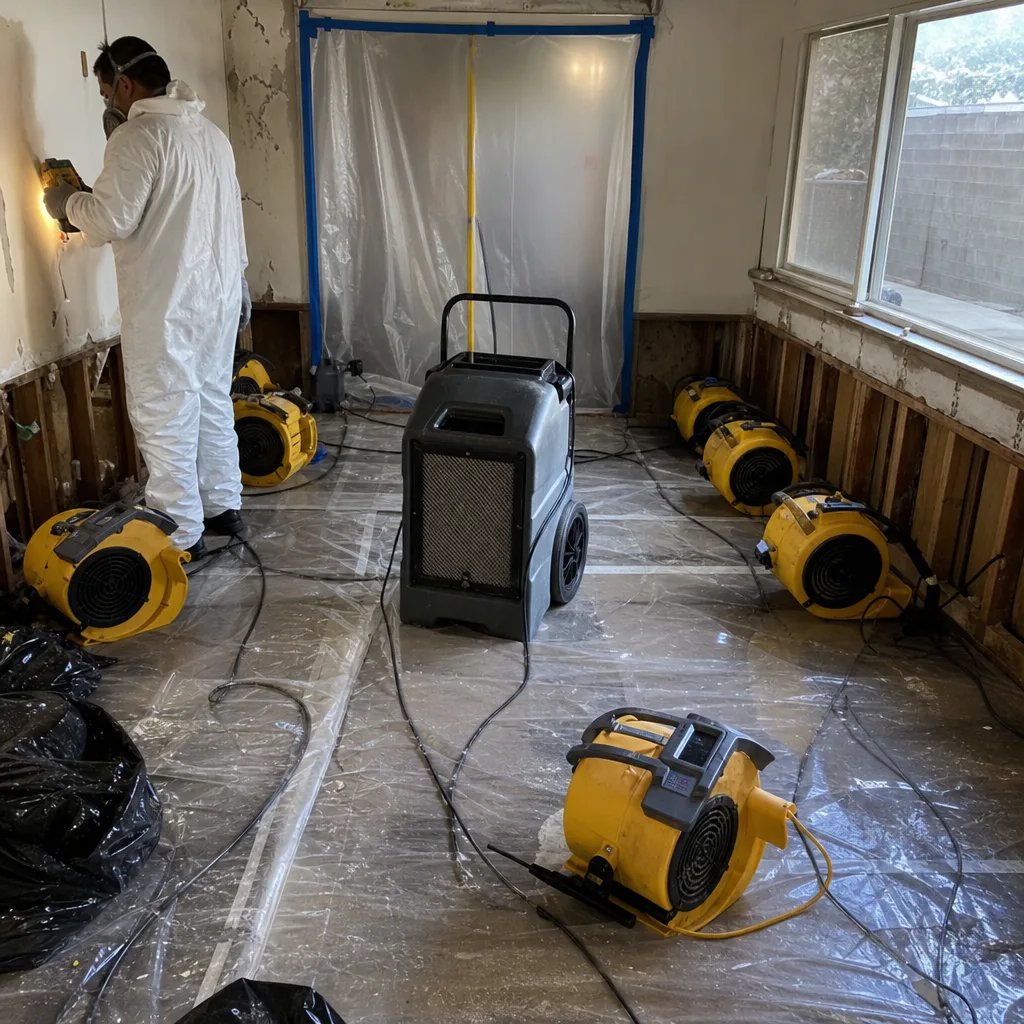
Our equipment inventory for Redondo Beach fire and smoke restoration includes professional-grade drying and air-quality systems from B-Air, Injectidry, and other manufacturers whose machines produce the documented performance data that insurers expect. Injectidry’s interstitial drying systems are particularly valuable in North Redondo’s attached units, where we need to dry common-wall cavities without demolishing both sides. All work is documented to IICRC and RIA standards, with daily logs that track equipment placement, airflow readings, and moisture-content reduction. We don’t guess at dry; we measure it, log it, and hand you the documentation.
Common Fire & Smoke Damage Restoration Problems We See in Redondo Beach Homes
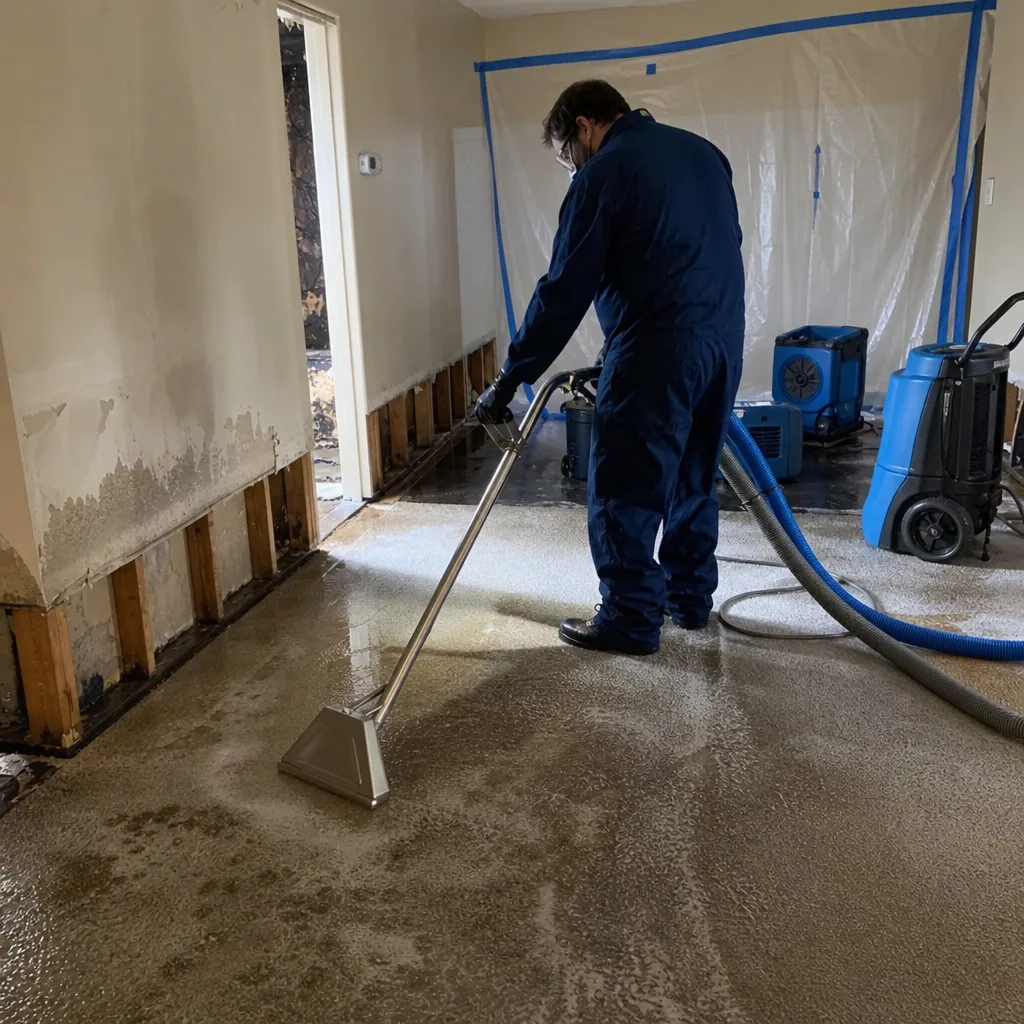
- Shared-attic smoke migration in attached townhomes. The 1970s-1980s stucco complexes across North Redondo were built with continuous attic runs above multiple units. A kitchen fire that seems contained to one unit routinely pushes smoke through ceiling light fixtures, bathroom vents, and plumbing penetrations into the shared space, then deposits soot in neighboring units that show no visible fire damage. We map these pathways with borescope inspection and set containment before cleaning begins.
- ARB non-compliance on replacement materials. Redondo Beach HOAs enforce specific door styles, paint colors, and trim profiles. Installing a standard hollow-core door or off-the-shelf paint that doesn’t match the community palette triggers a violation notice after the work is done, sometimes months later when the board does its annual inspection. We verify approved materials against each complex’s architectural guidelines before ordering.
- Quiet-hour scheduling conflicts during drying. Most Redondo Beach condo complexes post quiet hours, typically 10 p.m. to 7 a.m. Running air movers, dehumidifiers, or demolition equipment during these windows draws neighbor complaints and HOA fines that stall the mitigation schedule. We program equipment cycles around posted hours and use sound-dampened machines where nighttime operation is unavoidable for safety.
- Marine-layer moisture complicating smoke-odor retention. Redondo Beach’s year-round coastal humidity keeps building materials at higher equilibrium moisture content than inland properties. This means smoke odor compounds penetrate deeper and release more slowly. Our drying protocols extend initial dehumidification phases and use vapor pressure differential monitoring to prove materials have reached true dryness before deodorization sealants are applied.
Pricing for Fire & Smoke Damage Restoration in Redondo Beach, CA
Fire and smoke damage restoration pricing in Redondo Beach reflects the complexity of the local building stock and the multi-party coordination that attached-unit losses require. Emergency board-up and tarping typically runs $800-$2,400 depending on access difficulty and the extent of structural breach. Smoke and soot removal for a standard townhome unit ranges $1,800-$4,200; odor removal and deodorization adds $1,200-$3,600 when thermal fogging or ozone treatment is required. Contents pack-out and cleaning is priced per cubic foot of inventory, generally $800-$2,800 for a typical two-bedroom townhome. Structural fire repair, including drywall replacement, painting, and trim, ranges $3,200-$14,500 depending on whether common-wall or shared-attic work is involved.
Every Redondo Beach job receives a written price before work begins - Haven Standard, Clause 1 - with no scope-creep additions once the crew is inside. We also offer a Free Second Opinion on any competitor’s written estimate. Call (213) 699-3658 for an exact quote; estimates are free.
We Also Serve Cities Near Redondo Beach
Our Fire & Smoke Damage Restoration in Redondo Beach crews also respond to fire losses in Torrance, Manhattan Beach, Lawndale, and Lomita. Each market has distinct building stock and HOA density patterns; our documentation-first approach adapts to the specific requirements of each city’s complexes and single-family neighborhoods.
Serving Redondo Beach, CA - Our Local Coverage Area
We’re based in the Redondo Beach area and know this community well. Use the map below to see our service coverage - if you’re nearby, we can almost certainly help.
FAQs - Fire & Smoke Damage Restoration in Redondo Beach
Yes, you must notify your HOA immediately, and we strongly recommend a professional smoke-migration assessment even if the neighbor’s unit looks unaffected. In Redondo Beach’s 1970s-1980s attached complexes, shared attic runs and common-wall framing routinely carry soot and odor into adjacent units that show no visible fire damage; we’ve documented this in North Redondo properties where the neighbor’s closet tested positive for particulate contamination two weeks after the origin unit was cleaned. Your HOA’s master policy may also have notification requirements that affect coverage if delayed. Call (213) 699-3658 and we’ll coordinate the assessment and documentation with your property manager.
Yes, we verify your complex’s architectural review board specifications before ordering any replacement materials. After a kitchen fire in a 1978 stucco townhome off Grant Avenue in North Redondo, soot had pulled through the shared attic chase into the neighboring unit, so we set containment on both sides of the common wall and ran air movers and dehumidification against the measured moisture readings before demo on the burnt drywall. Because the complex’s HOA architectural review requires approved door styles and paint colors, we matched the replacement panel and repaint to the original spec and filed our scope of work with the ARB so the owner avoided a violation. The final walkthrough across both units passed HOA review with the replaced door and trim matching the community standard. We replicate this process on every Redondo Beach job with ARB requirements.
Odor recurrence typically happens within 2-6 weeks if the original cleaning missed porous materials or applied sealant over surfaces that weren’t fully dry. In Redondo Beach’s marine-layer climate, where chronic humidity keeps drywall and framing at higher moisture content, this risk is elevated compared to drier inland markets. Our protocol requires vapor pressure differential readings within spec before any sealant or paint application, and we warranty our odor-removal work under the 365-Day Done Right Promise. If odor returns, we return. Call (213) 699-3658 for documentation of our drying verification standards.
Yes, we program all equipment cycles around your complex’s posted quiet hours and coordinate access with property management for common-area work. Most Redondo Beach HOAs enforce 10 p.m. to 7 a.m. quiet periods; our crews use sound-dampened equipment and scheduled shutdowns during these windows. We also file our equipment placement plans with management when required, avoiding the neighbor complaints and fines that stall mitigation schedules. This coordination is standard on our Redondo Beach jobs, not an add-on service.
Yes, immediate board-up is critical in Redondo Beach because salt-laden marine-layer moisture begins degrading exposed structural elements within hours of a fire breach. Winter Pacific storms add acute water intrusion risk, particularly in low-lying areas near King Harbor and the Pier. Our board-up crews use coastal-grade weather-resistant materials and neutral-facing stock that complies with common HOA exterior standards while permanent repairs are scoped. Call (213) 699-3658 for emergency dispatch; we answer live 24 hours a day, 7 days a week.
Written by Alicia Brennan, Owner at Back to Dry Restoration, serving Redondo Beach since 2011 under The Haven Standard.