
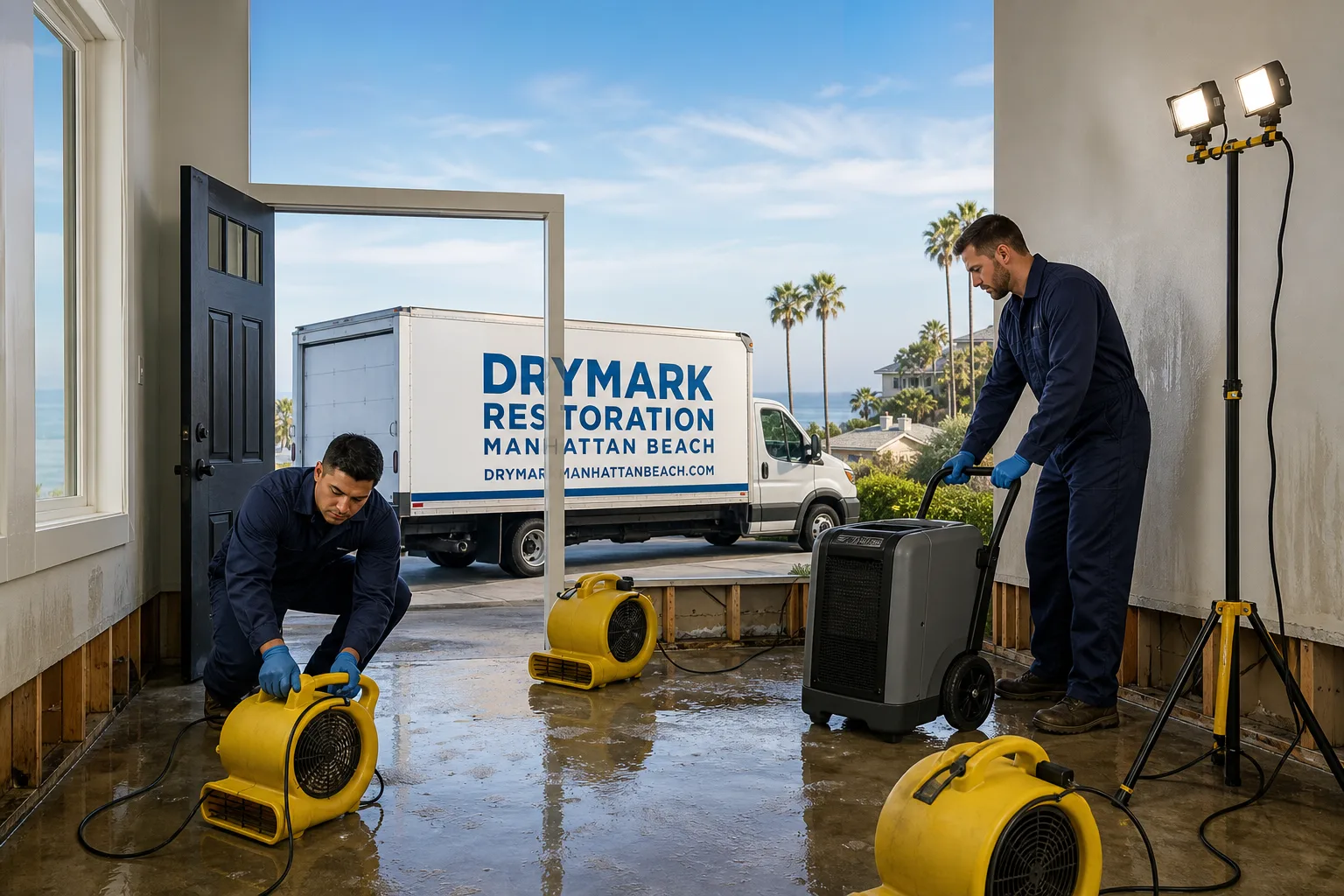
Free visual inspection and a written scope of work before any mitigation begins - photos, moisture readings, and drying logs go in your claim file
The scope we write is the scope we bill. Anything new gets shown to you, in writing, before we touch it.
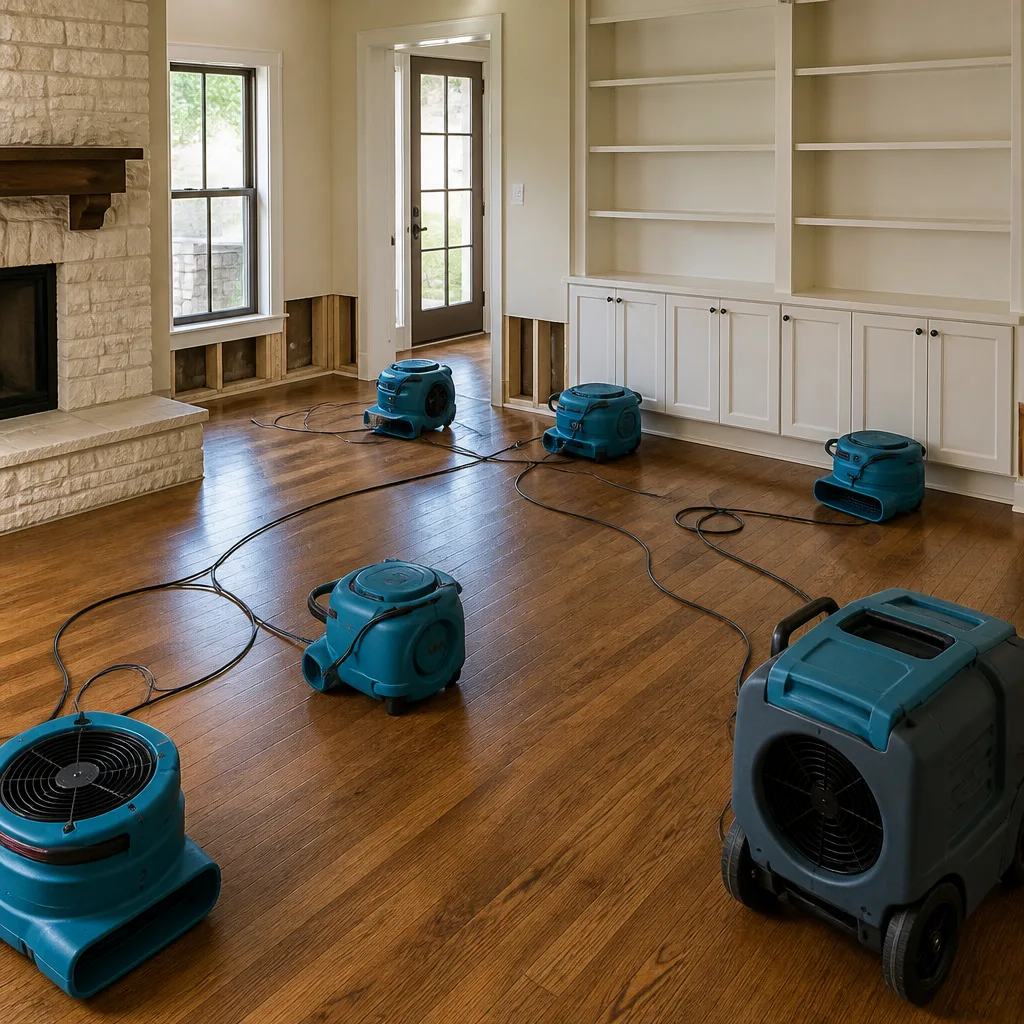
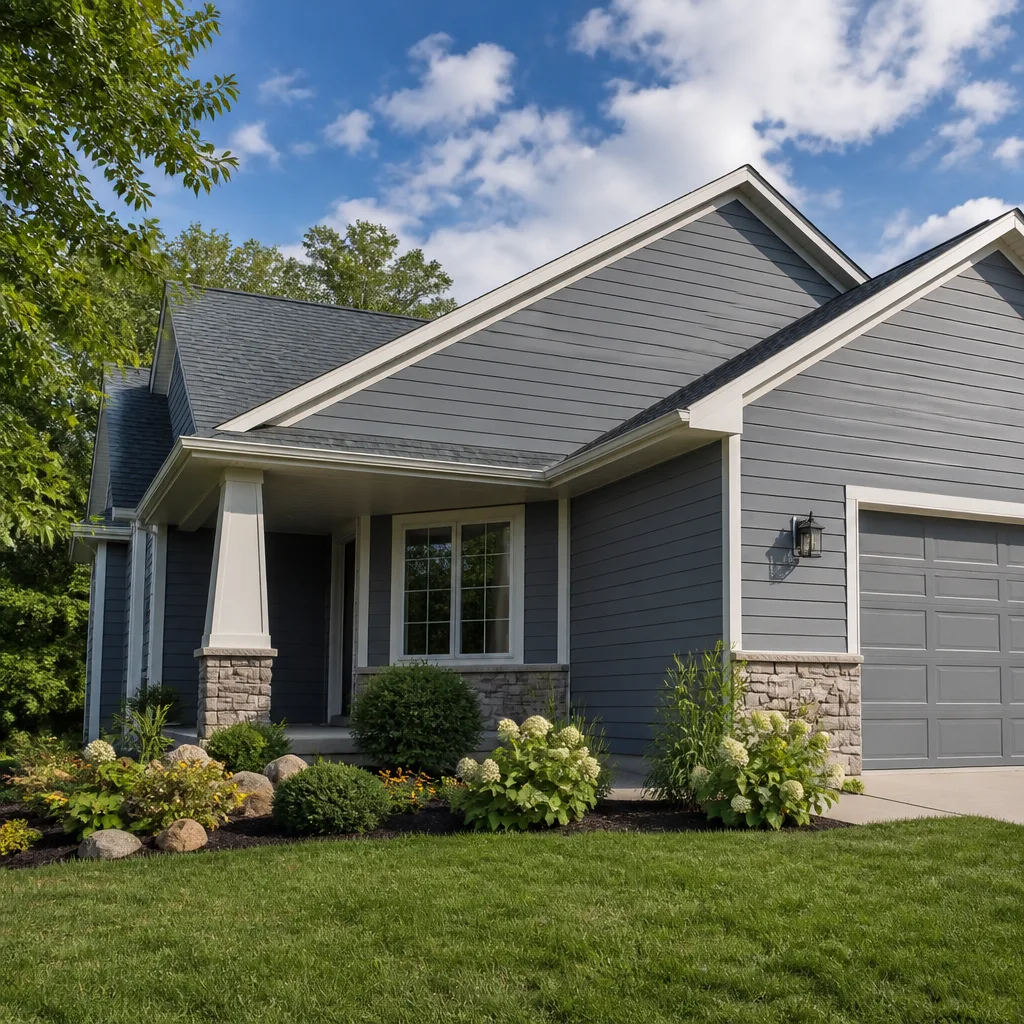
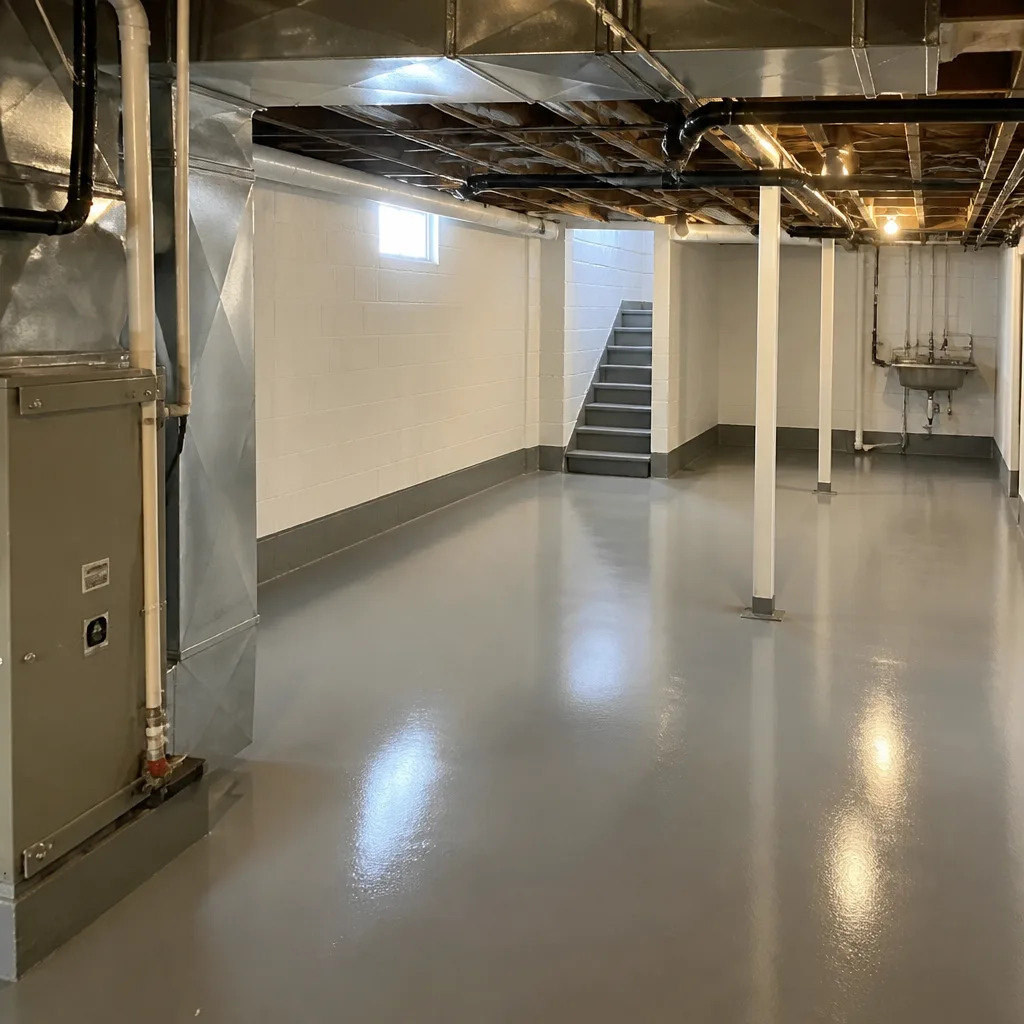
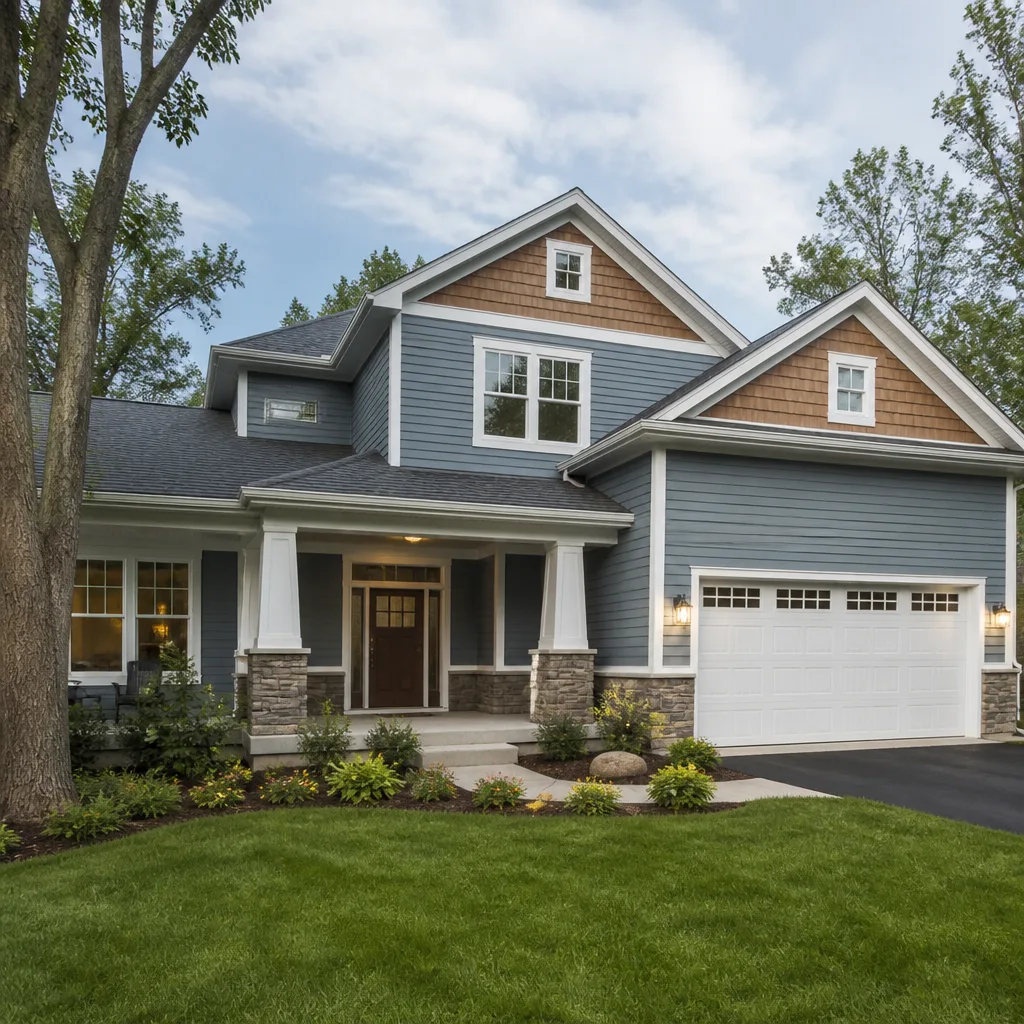
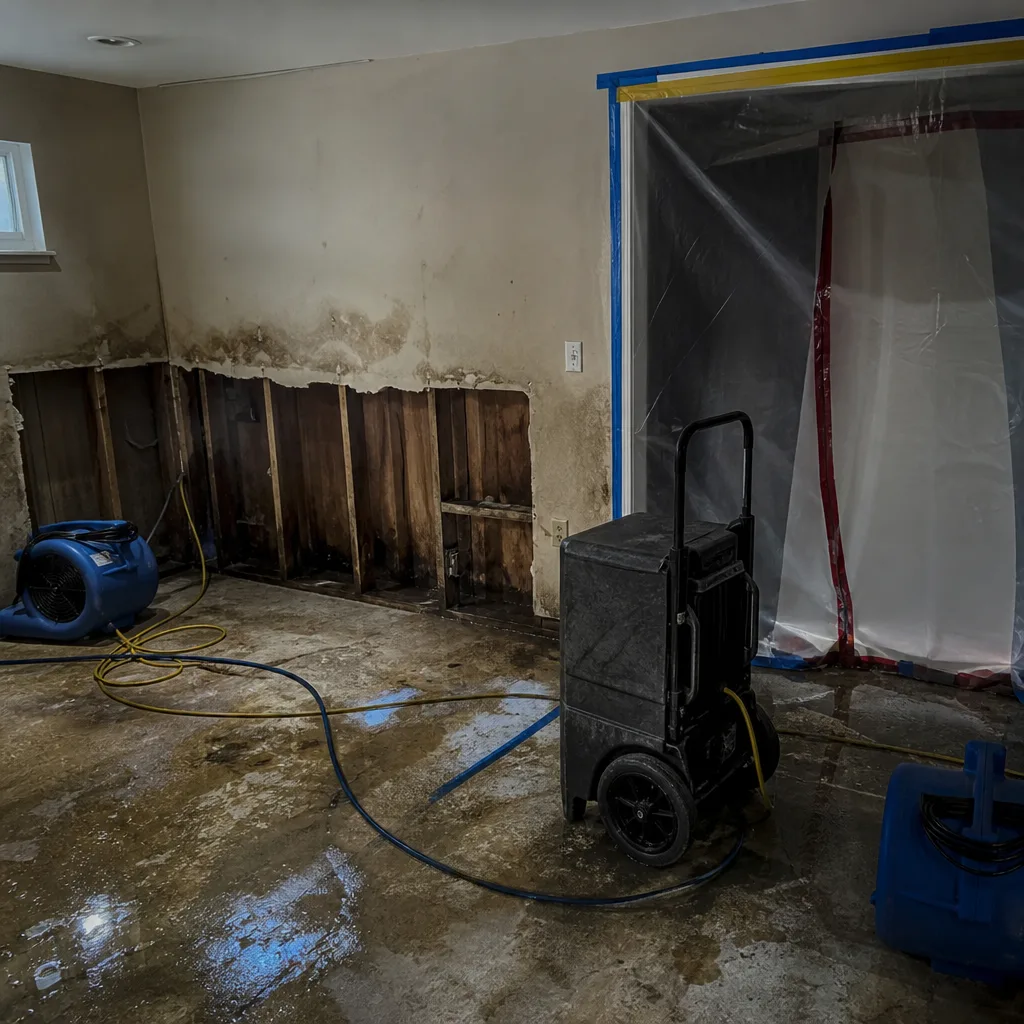 Before
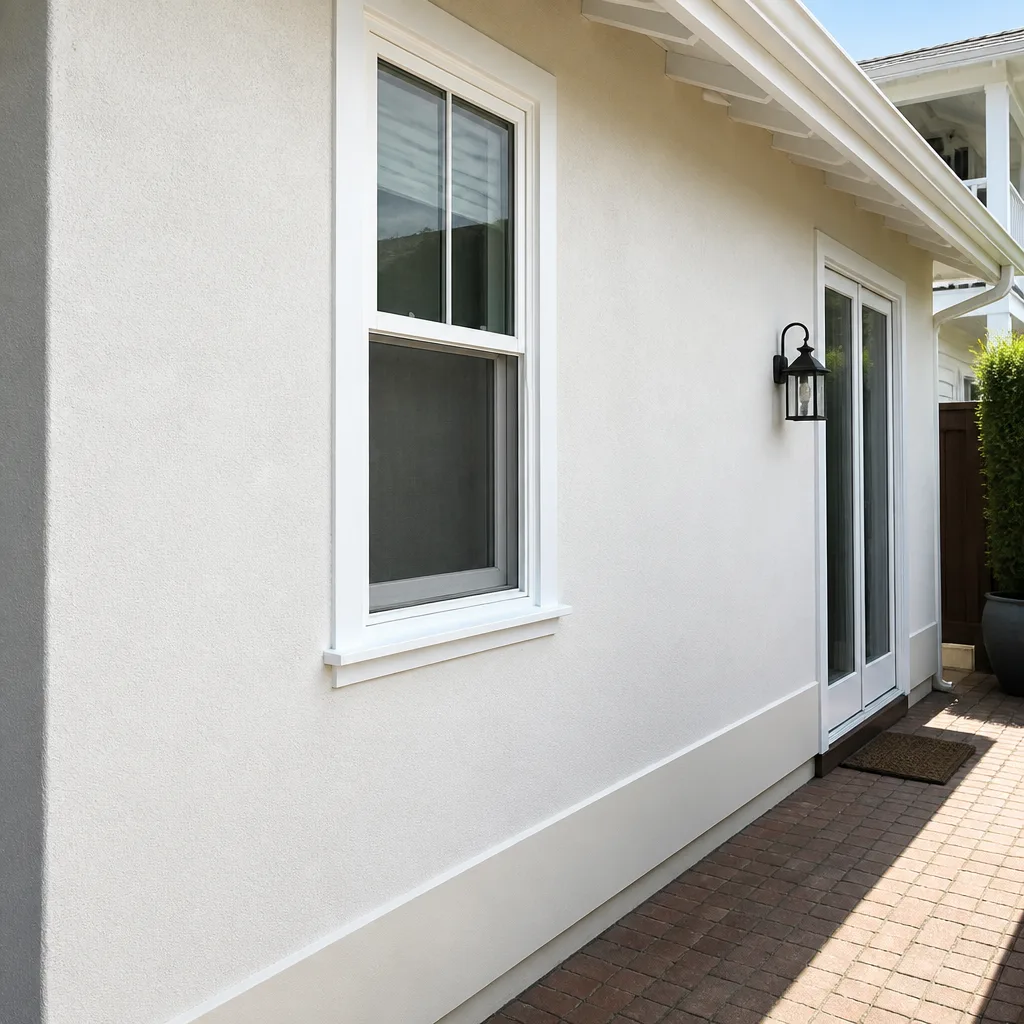 After
After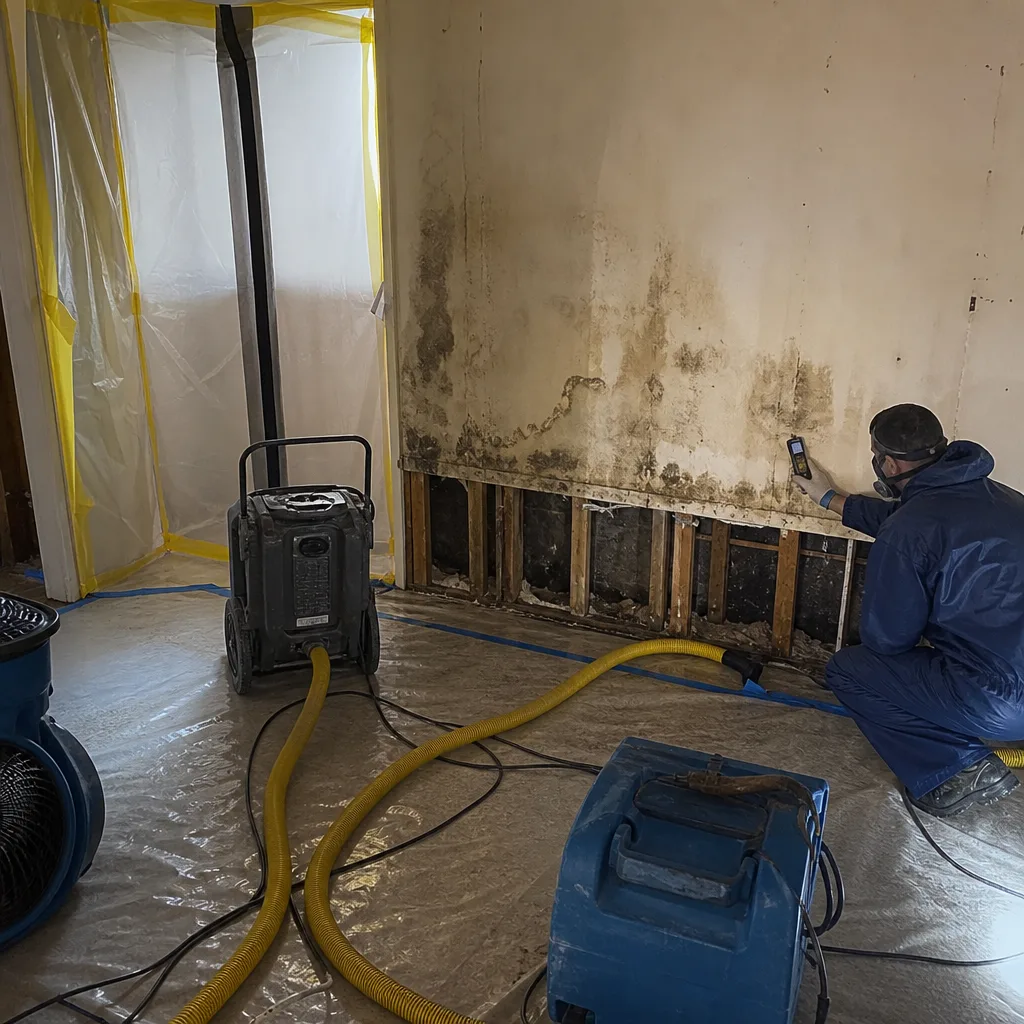 Before
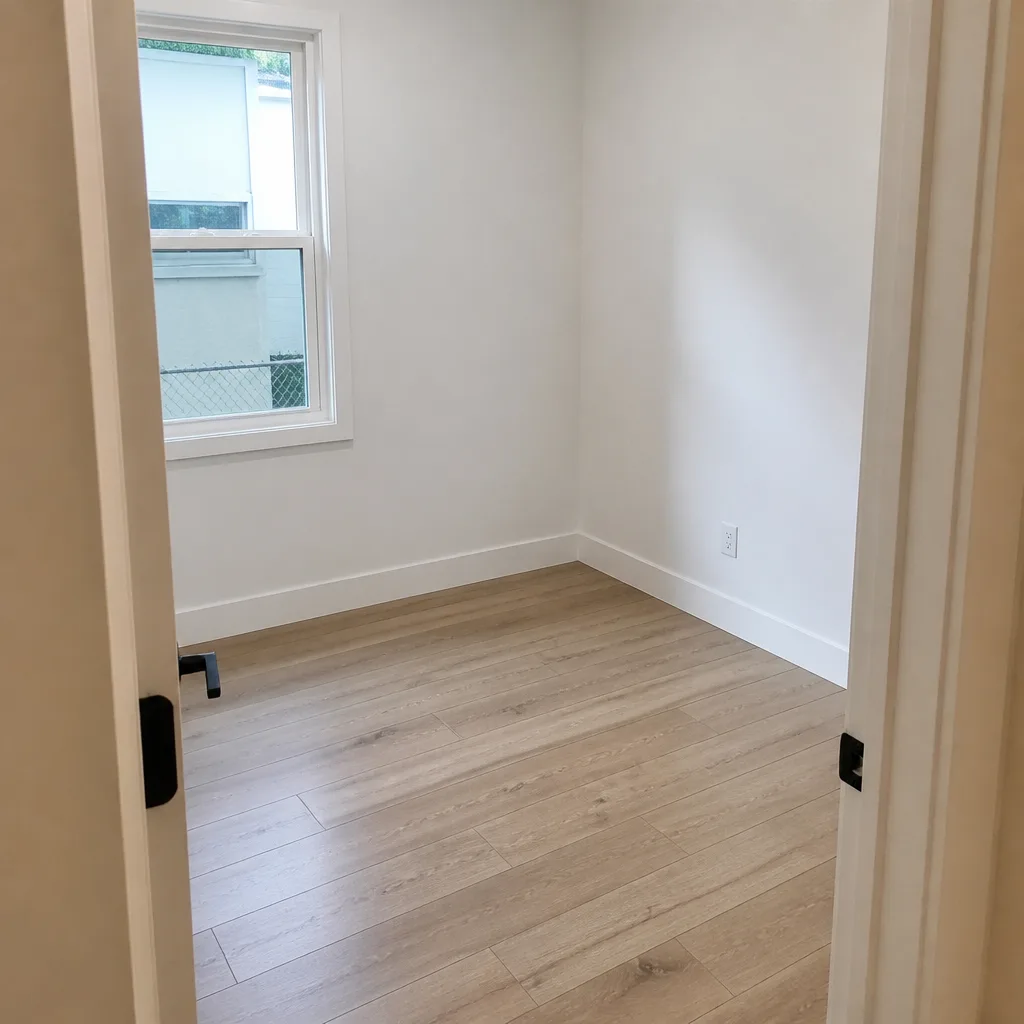 After
After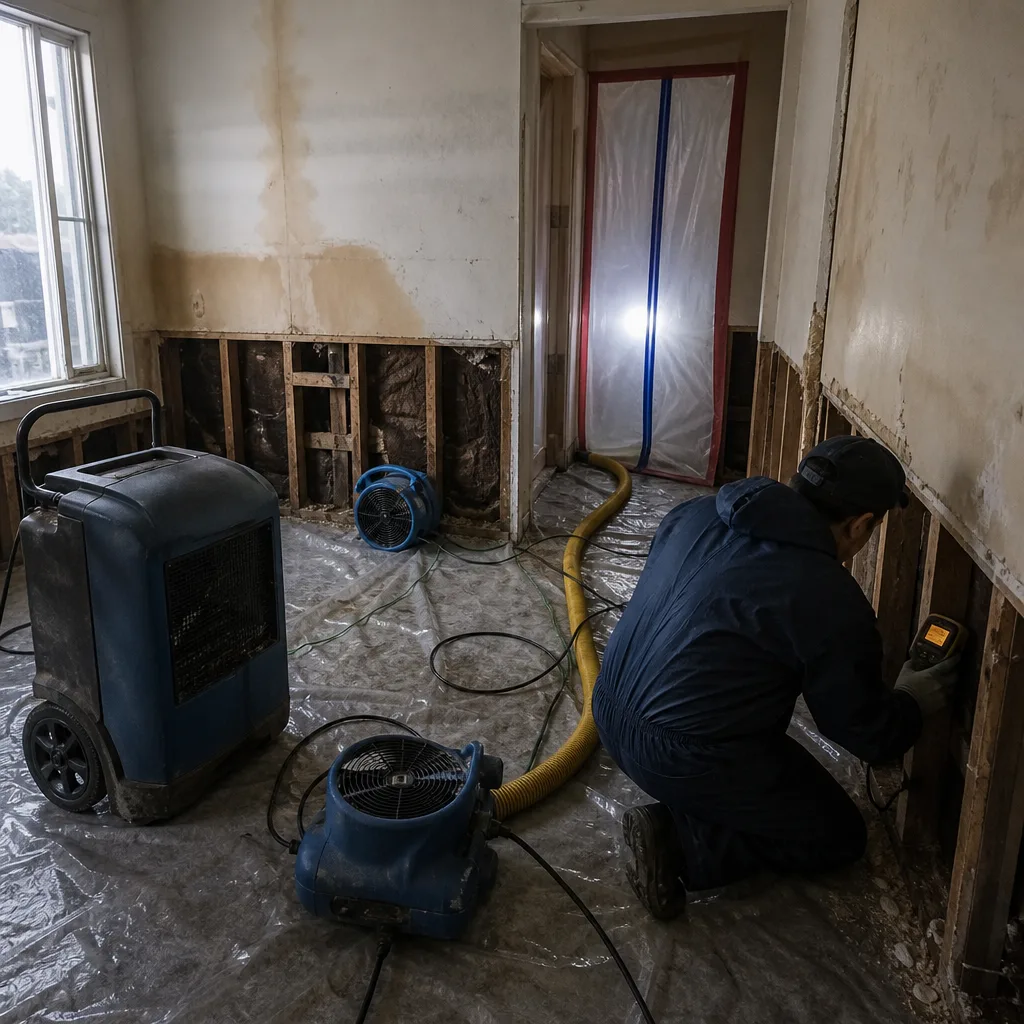 Before
 After
AfterTrusted Mold Remediation for Manhattan Beach Homeowners
Our Mold Remediation in Manhattan Beach typically costs $1,800-$6,500 depending on the affected square footage, with most single-room containment and removal projects completed in 2-4 business days. At DryMark Restoration Manhattan Beach, we start every job with a written price before work begins, documented moisture readings, and a photo record that follows your claim from first call to final clearance.
We’ve restored more than 12,000 homes since 2011, and the ones that went smoothly had one thing in common: documentation that matched the insurer’s checklist. Alicia Brennan built this company after years as a claims adjuster watching homeowners lose coverage because the restoration company couldn’t produce drying logs, material classifications, or a written scope signed before work started. In Manhattan Beach, where ocean-facing homes in the Sand Section and hillside properties east of Sepulveda face different moisture pressures, that documentation gap hits harder. Salt-laden fog penetrates stucco and window seals in the flatlands; thermal inversion traps humidity in canyon-adjacent crawl spaces near Polliwog Park. We’ve seen both patterns, measured both with psychrometric meters, and written both into scopes that adjusters paid without dispute. Call (213) 699-3658 and a live person answers, 24 hours a day, 7 days a week. No voicemail tree while mold is still spreading.
What Our Mold Remediation Service Includes
Mold Inspection & Testing
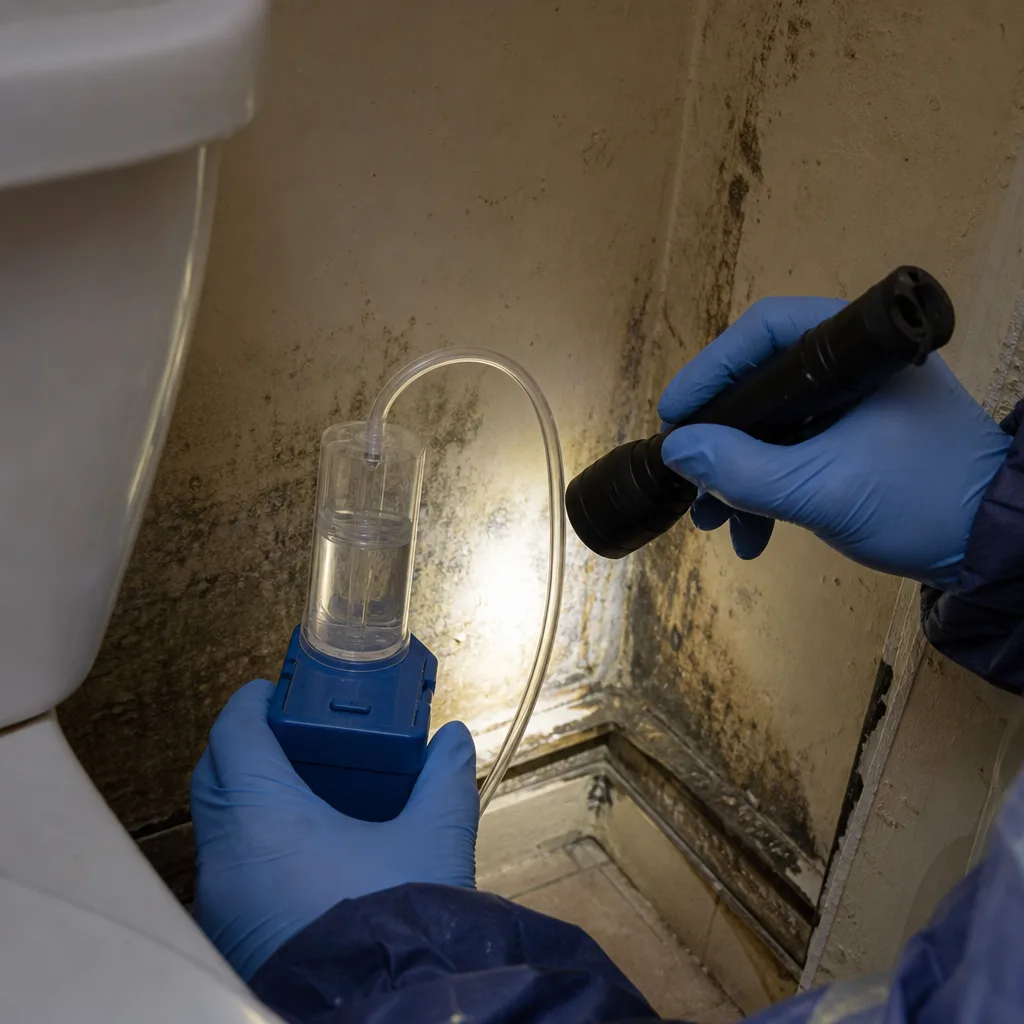
You need this when you smell mustiness but can’t locate the source, or when a home purchase or insurance claim requires documented evidence of contamination type and extent. In Manhattan Beach, we find hidden mold most often behind failing shower waterproofing in 1980s-built townhomes near Manhattan Beach Boulevard, and in attic spaces where Pacific moisture meets inadequate ridge venting. Our Mold Inspection & Testing includes air sampling with spore traps, surface sampling with tape lifts or swabs, and moisture mapping with thermal imaging and penetrating probes. Every reading gets logged with the room dimensions, material type, and vapor pressure differential, the last term meaning the measurable force that drives moisture from wet materials into dry air. We explain each number in plain language on the same page we show the insurer.
Mold Removal
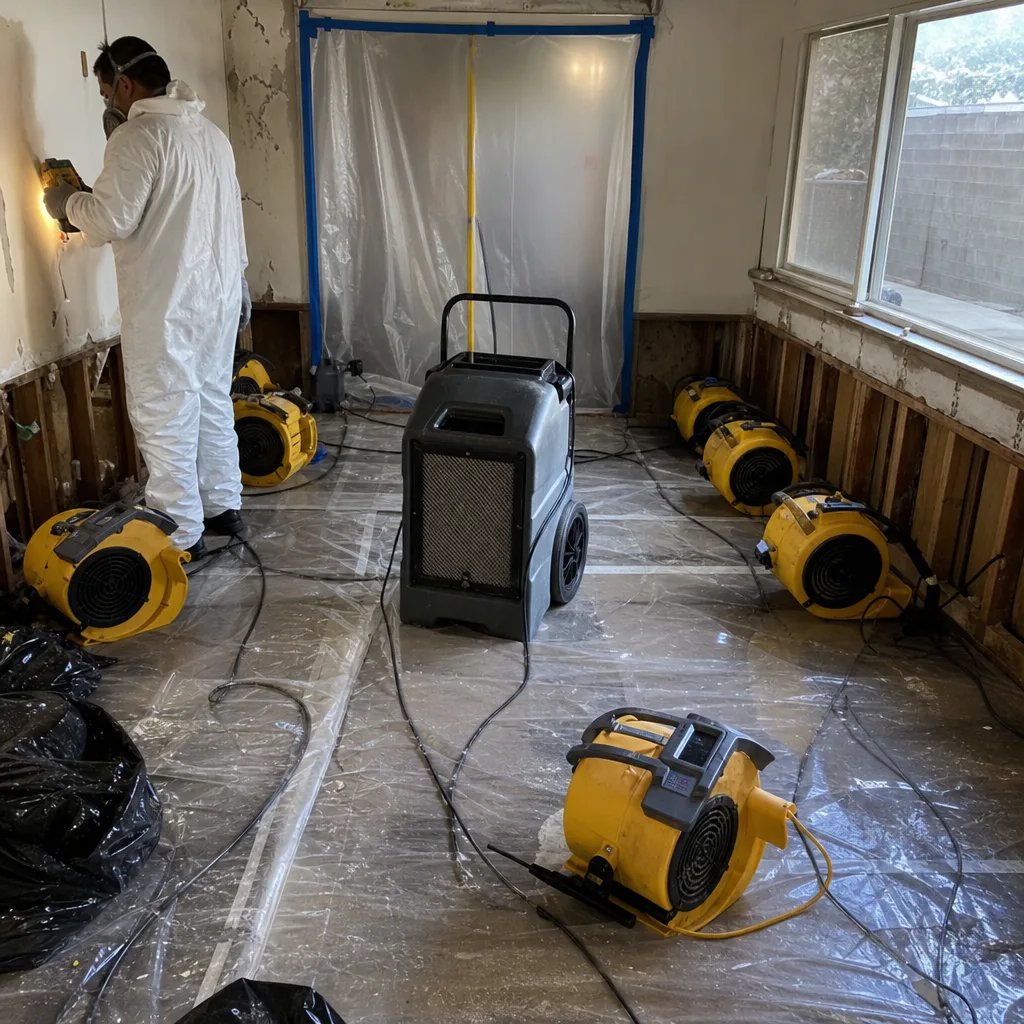
This is the physical extraction of contaminated building materials and the HEPA vacuuming of remaining surfaces, not a surface spray that leaves the problem growing behind walls. You need it when visible mold covers more than 10 square feet, the EPA threshold for professional containment, or when the material is porous and cannot be cleaned in place. In Manhattan Beach, we remove water-damaged drywall from garage conversions near North Manhattan Beach where grade-level moisture wicks upward, and we extract saturated subflooring in ground-floor units along the Strand where salt corrosion compromises vapor barriers. Our crews work inside sealed containment with negative air pressure, documented with photo timestamps at setup and breakdown. The written price covers Mold Removal, disposal, and HEPA cleaning; no scope-creep additions once the crew is inside, per Haven Standard, Clause 1.
Black Mold Remediation
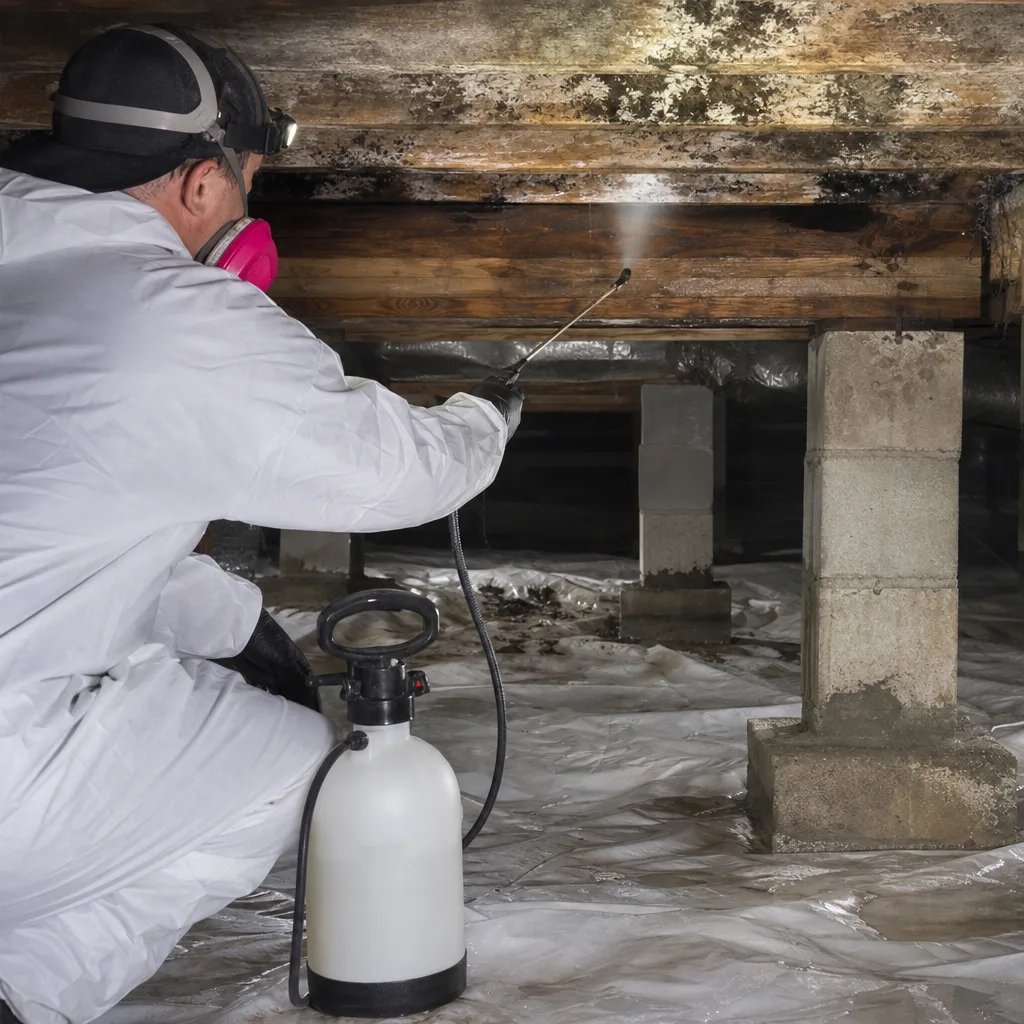
Stachybotrys chartarum, the species news reports call “black mold,” requires the same containment protocol as other toxigenic molds but demands stricter documentation because insurers and landlords scrutinize these claims more closely. You need specialized black mold remediation when laboratory culture identifies Stachybotrys or when chronic water intrusion has fed dark, slimy growth on cellulose materials like paper-faced drywall or cardboard-backed insulation. We’ve handled black mold in Manhattan Beach basements near Live Oak Park where irrigation runoff pools against foundation walls, and in crawl spaces under raised bungalows in the Tree Section where broken condensate lines drip for months unseen. Every black mold job includes third-party lab identification, chain-of-custody documentation, and a post-remediation verification sample collected by an independent hygienist. The photo record shows containment build, material removal, and clearance sampling locations.
Air Quality Restoration
This service addresses the invisible reservoir of spores and microbial volatile organic compounds that circulate through HVAC systems after visible mold is gone. You need it when occupants report persistent respiratory irritation despite surface cleaning, or when post-remediation air samples show elevated spore counts. In Manhattan Beach, we restore air quality in homes near the Manhattan Beach Pier where ocean breezes pull spores through intake vents, and in tightly sealed new construction east of Aviation Boulevard where mechanical ventilation recirculates contaminants without adequate filtration. Our process includes duct cleaning with rotary brushes and HEPA-negative air machines, filter replacement with MERV 13 or better media, and particle count verification with laser photometers. The drying log tracks humidity reduction to 30-50% relative humidity, the range where mold cannot propagate.
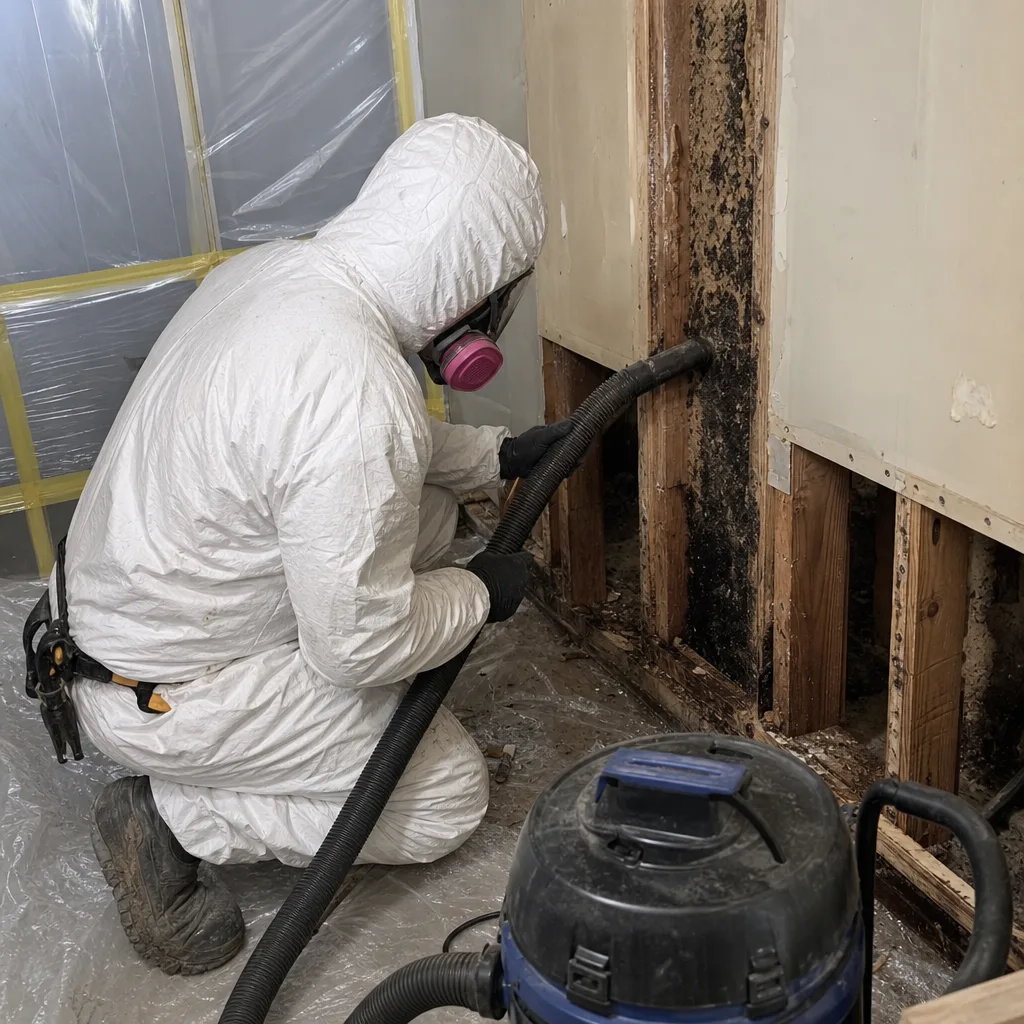
Crawl Space Treatment
Crawl spaces in Manhattan Beach accumulate moisture from three sources: rising groundwater in the low-lying areas near the wetlands at Polliwog Marsh, condensation on cool foundation walls during marine layer events, and plumbing leaks in aging copper supply lines. You need crawl space treatment when inspection finds fungal growth on joists, insulation sagging from moisture weight, or wood moisture content above 20% as measured with a pin-type meter. We treat crawl spaces with vapor barrier installation (6-mil polyethylene minimum, sealed at seams and piers), dehumidification with Phoenix or XPOWER desiccant or refrigerant units, and structural drying with Injectidry panel systems that force dry air through enclosed cavities. The written scope specifies square footage covered, equipment model numbers, and daily moisture readings delivered to you and your adjuster.
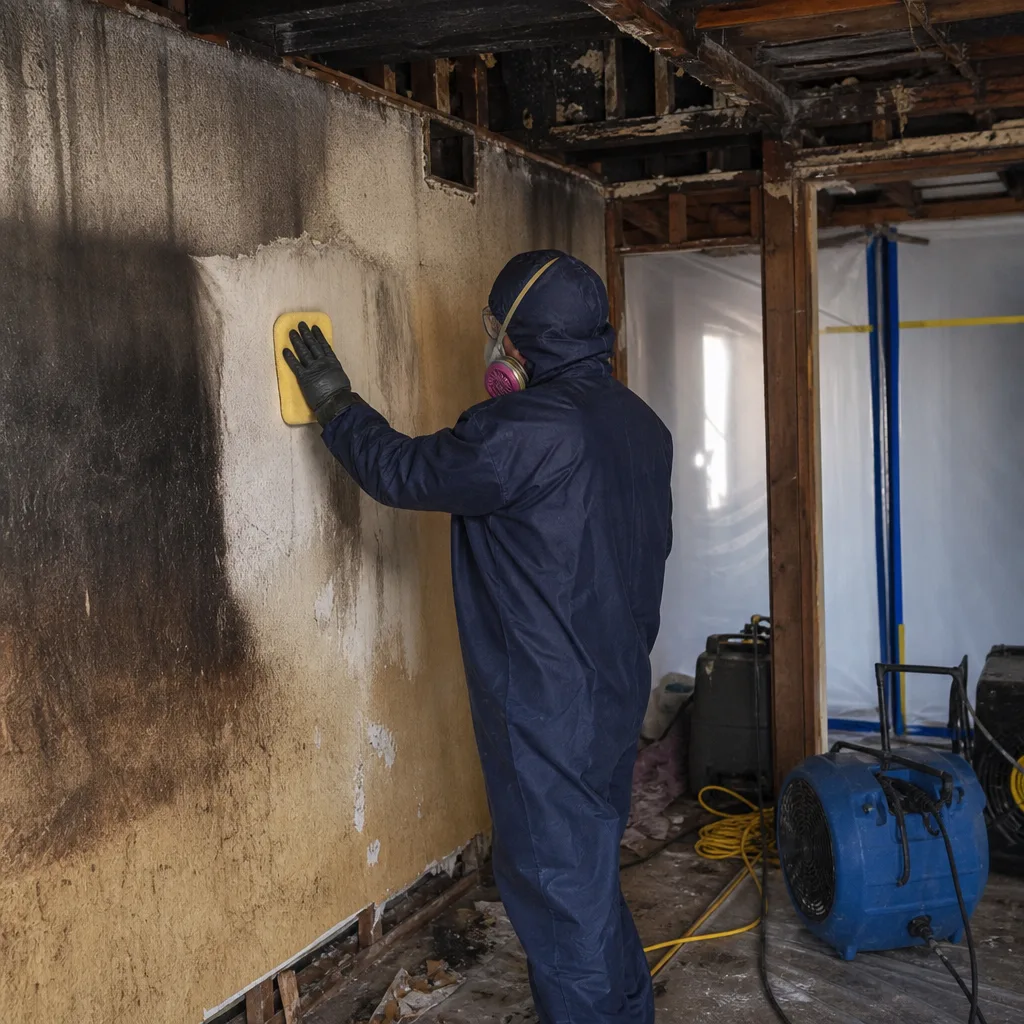
Moisture & Humidity Control
Remediation fails if the moisture source remains. You need humidity control when mold recurs after previous removal, when the building envelope leaks during Santa Ana wind-driven rain events, or when indoor relative humidity consistently exceeds 60%. In Manhattan Beach, we install permanent dehumidification in homes near the bluff where wind-driven spray penetrates stucco cracks, and in hillside properties where subsurface drainage redirects toward foundations. Our humidity control plans include source identification (infrared thermography for missing insulation, boroscope inspection for hidden leaks), equipment sizing by Manual J load calculations, and monitoring with wireless hygrometers that log data to cloud dashboards. The 365-Day Done Right Promise covers equipment performance: if humidity rises above target, we return and correct it.
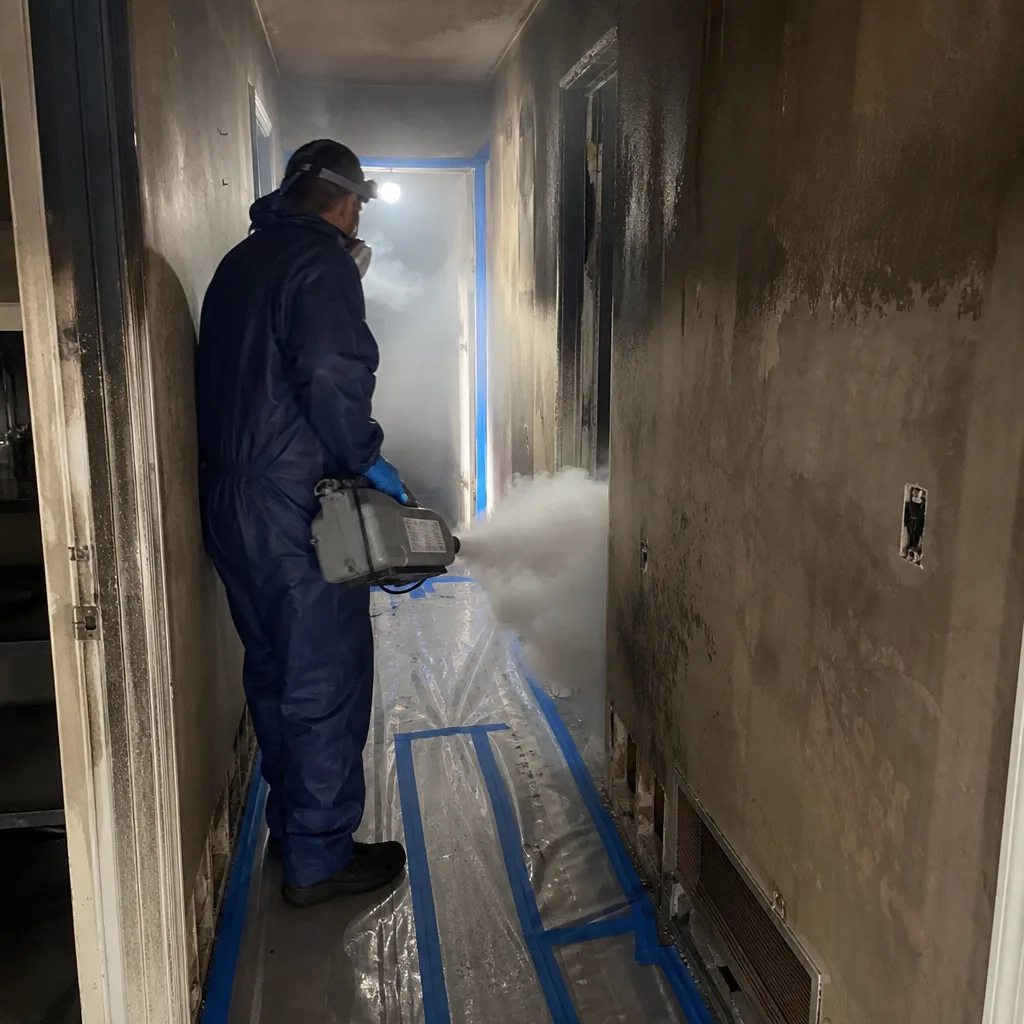
What happens when you call
- 1
A real person answersNo phone trees - you reach a local pro.
- 2
You get an upfront price rangeHonest numbers before anyone is dispatched.
- 3
A background-checked tech heads outLicensed & insured, dispatched right away.
- 4
You approve before work beginsNothing starts until you say go.
Brands We Service for Mold Remediation
We’ve deployed Phoenix dehumidifiers on hundreds of Manhattan Beach jobs, from the 200MAX units that pull 145 pints per day in flooded living rooms to the R250 LGR models we use in tight crawl spaces under homes near Marine Avenue. We stock OEM filters, wheels, and condensate pumps, and our technicians log each unit’s serial number, runtime hours, and grain depression achieved, the last term meaning the measurable drop in moisture content of the air passing through the machine.
XPOWER air movers and B-Air axial fans rotate through our Manhattan Beach inventory on 3-5 day drying cycles, with each unit’s placement documented on room diagrams in the drying log. We also service Injectidry systems for hardwood floor drying and cavity injection, critical in the Sand Section where original oak flooring runs through $3M+ properties and replacement costs exceed $25 per square foot. Whether your equipment is Phoenix, XPOWER, B-Air, Injectidry, or any other make, we can source parts, verify performance to manufacturer specifications, and document the results for your claim file.
 Before
 After
AfterSigns You Need Mold Remediation Right Now
- A persistent musty smell that air fresheners can’t mask. This indicates active microbial growth, not stale air. In Manhattan Beach, we trace musty odors to hidden mold in 73% of cases, most often behind tile surrounds in bathrooms with failed grout, or in HVAC plenums where condensate pans rust through. The smell means spores are releasing; the count rises until the source is removed.
- Visible discoloration on walls, ceilings, or baseboards. Any patch that spreads, changes color, or reappears after cleaning is fungal colonization, not dirt. We see this pattern in Manhattan Beach garage conversions where drywall touches concrete slabs, and in ceiling corners where roof valleys leak during winter storms. The color doesn’t identify the species; only lab analysis does, and we collect that sample before disturbing the area.
- Respiratory symptoms that improve when you leave home. If coughing, congestion, or headaches ease at work and return within hours of arriving home, the building’s air quality is suspect. In Manhattan Beach’s tight coastal construction, HVAC systems recirculate contaminants without adequate fresh air intake. We measure particle counts and compare indoor to outdoor spore levels to isolate the source.
- Recent water damage that was dried without professional documentation. A leak that was “handled” with towels and a fan often leaves moisture in wall cavities above 16% wood moisture content, the threshold for mold germination. We inspect Manhattan Beach properties where owners dried visible water themselves, then found mold six months later behind baseboards. The drying log we produce would have caught the residual moisture.
- Sagging or stained ceiling tiles, especially near plumbing stacks. This signals active or recent leak, and the paper facing of ceiling tiles is mold’s preferred food source. In Manhattan Beach’s multi-level homes near the hill, we find this where second-floor shower drains leak into first-floor drywall. The tile must come down, the leak must be fixed, and the cavity must be dried and HEPA-cleaned before replacement.
Our Mold Remediation Process - Step by Step
- 1
Containment and negative air pressure setup. We seal the affected area with 6-mil polyethylene sheeting, establish negative air pressure with HEPA-filtered air scrubbers, and document the containment with photos showing seal integrity and air flow direction. This prevents spore migration to clean areas during removal. In Manhattan Beach’s open-plan homes near the Strand, we often build temporary hardwall containment to protect adjacent living spaces with ocean views that can’t be sealed with plastic alone.
- 2
Removal of contaminated materials and HEPA cleaning. Porous materials with visible mold, drywall, insulation, carpet pad, ceiling tiles, are cut out and bagged inside containment. Non-porous surfaces are HEPA-vacuumed and wet-cleaned with antimicrobial solutions. We weigh removed debris and log disposal tickets. The photo record shows each surface before and after cleaning, with timestamps.
- 3
Structural drying with documented moisture readings. We install dehumidifiers and air movers sized to the cubic footage and material load, then take daily moisture readings with calibrated pin and pinless meters. The drying log tracks each reading by room, material, and date, with target moisture content specified by material type: 12% for softwood framing, 13% for hardwood flooring, 0.5% water activity for concrete. Psychrometric data, temperature, relative humidity, and vapor pressure, is recorded to prove drying progress to insurers.
- 4
Post-remediation verification sampling. An independent environmental hygienist collects air and surface samples per IICRC S520 standards. We do not self-certify. The lab report compares indoor spore counts to outdoor baseline and checks for the specific species identified in the original contamination. Clearance requires both acceptable spore levels and no target species detected.
- 5
Restoration and warranty documentation. After clearance, we repair or replace removed materials per a written scope priced before work began. The final deliverable includes the complete photo record, drying log, lab reports, disposal documentation, and the signed 365-Day Done Right Promise under The Haven Standard. If mold returns in the same location within 365 days, we return at no charge to identify and correct the source.
How Much Does Mold Remediation Cost in Manhattan Beach?
Mold Remediation cost guide pricing in Manhattan Beach follows the scope, not the zip code, but local factors matter. A typical single-room containment and removal, 50-150 square feet of affected drywall and insulation, runs $1,800-$3,400 including HEPA cleaning, disposal, and post-remediation verification. Crawl space treatment with vapor barrier and dehumidification ranges $3,500-$6,500 depending on square footage and accessibility; hillside crawl spaces with limited headroom require specialized equipment and longer labor hours. Whole-house air quality restoration with duct cleaning and filtration upgrade typically falls between $2,200-$4,800.
What moves the price: the affected square footage, the material type (porous materials require removal; non-porous can often be cleaned in place), the need for third-party verification sampling, and whether the moisture source requires separate repair. In Manhattan Beach, we see higher costs in the Sand Section where historic construction contains lead or asbestos that must be abated alongside mold, and in homes near the wetlands where groundwater control requires perimeter drainage work beyond the remediation itself.
How to avoid overpaying: get a written scope that specifies the containment dimensions, the materials to be removed versus cleaned, the equipment to be deployed, and the verification protocol. Any estimate that lists “mold remediation” as a single line item without these details leaves room for scope creep. At DryMark Restoration Manhattan Beach, Haven Standard, Clause 1 requires the written price before work begins, with no additions once the crew is inside. Bring a competitor’s written estimate and we’ll review it at no charge, our Free Second Opinion policy.
What’s included in our free estimate: visual inspection, moisture mapping with thermal imaging, a written scope with line-item pricing, and a photo record of our findings. The estimate itself costs nothing and carries no obligation. Call (213) 699-3658 to schedule.
Mold Remediation Near Manhattan Beach - Our Service Area
We dispatch mold remediation crews from our South Bay base to Manhattan Beach, Redondo Beach, Lawndale, Hawthorne, Torrance, Playa del Rey, Gardena, Inglewood, Venice, Culver City, Lomita, and Harbor City. Response time to Manhattan Beach properties typically runs 45-90 minutes during business hours and under 2 hours for after-hours calls, though we do not promise same-day completion for remediation work; proper containment, removal, drying, and verification cannot be rushed. We also handle water damage restoration in Manhattan Beach, often the precursor to mold, and coordinate directly with adjusters when the loss is claimable.
Serving Manhattan Beach, CA - Our Local Coverage Area
We’re based in the Manhattan Beach area and know this community well. Use the map below to see our service coverage - if you’re nearby, we can almost certainly help.
Frequently Asked Questions - Mold Remediation in Manhattan Beach
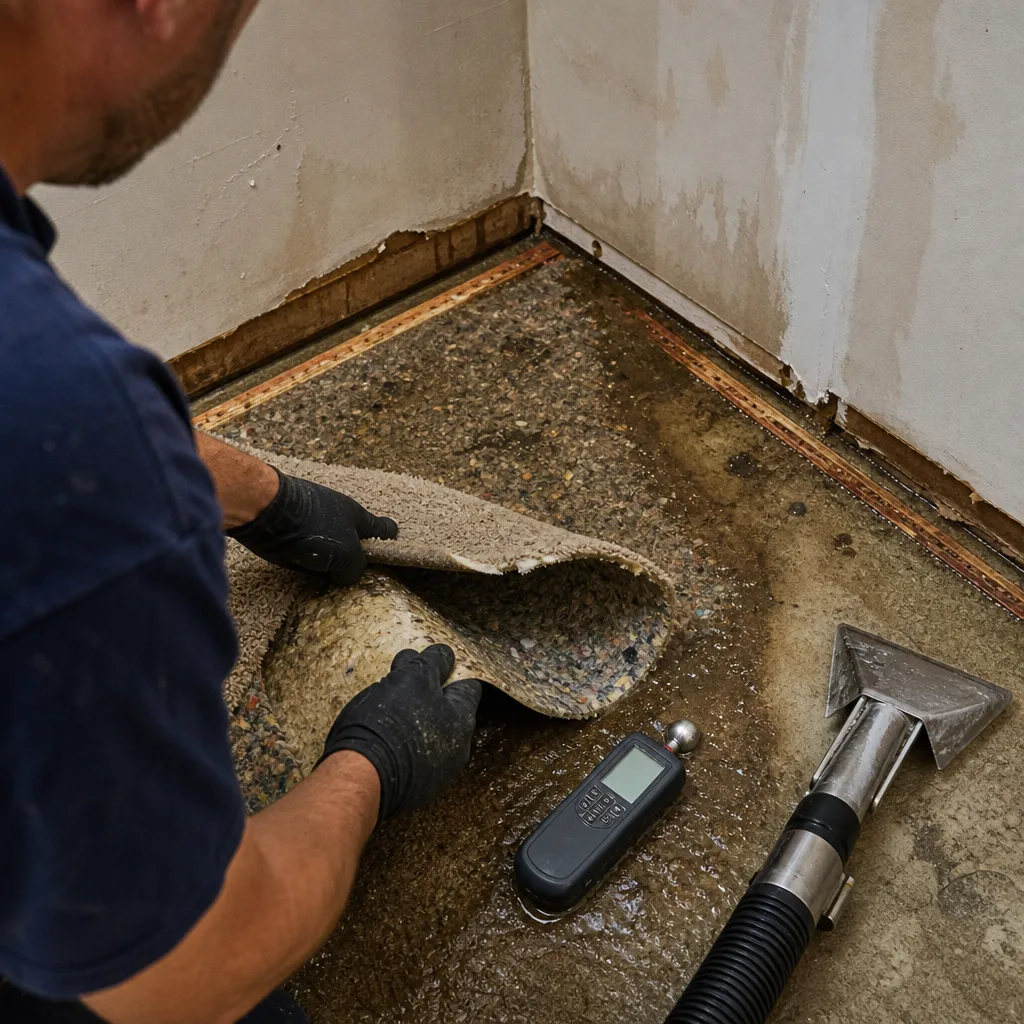
Mold remediation is the professional process of containing, removing, and verifying the elimination of mold contamination from a building, including the correction of moisture conditions that allowed growth. It differs from “mold removal,” a term some companies use to describe surface cleaning without addressing hidden growth or moisture sources. At DryMark Restoration Manhattan Beach, remediation includes documented containment, HEPA-filtered removal, structural drying with daily moisture logs, independent clearance sampling, and a written warranty.
Most single-room mold remediation projects in Manhattan Beach require 2-4 business days for containment, removal, and initial drying, plus 24-48 hours for independent lab clearance results. Crawl space treatments run 3-5 days; complex whole-house projects with multiple contamination zones may extend to 7-10 days. We do not compress the timeline to meet an arbitrary deadline; the drying log determines when moisture targets are met, and clearance sampling cannot be rushed. Call (213) 699-3658 for a timeline based on your specific scope.
Typical mold remediation in Manhattan Beach costs $1,800-$6,500 depending on affected square footage, material type, and whether third-party verification is required. Single-room drywall removal and HEPA cleaning falls at the lower end; crawl space treatment with vapor barrier and permanent dehumidification at the upper. Every job is quoted in writing before work begins, per Haven Standard, Clause 1, with no additions once the crew is inside. Call (213) 699-3658 for a free, itemized estimate.
Yes, we deploy and service Phoenix dehumidifiers, XPOWER and B-Air air movers, and Injectidry cavity drying systems on Manhattan Beach mold remediation jobs, with OEM parts stocked for common repairs. Each unit’s performance is documented to manufacturer specifications in the drying log. If your restoration project requires equipment we don’t stock, we source it without markup and include the serial number and runtime data in your documentation package.
Mold itself rarely requires middle-of-the-night dispatch; it grows over days or weeks, not minutes. However, the water intrusion causing mold often is an emergency, and our live phone coverage is available 24 hours a day, 7 days a week to assess whether immediate water mitigation will prevent mold from developing. If mold is already present, we schedule remediation during business hours with proper preparation time for containment materials and independent hygienist coordination. Call (213) 699-3658 anytime to discuss urgency.
Every mold remediation job is covered by our 365-Day Done Right Promise under The Haven Standard: if mold returns to the same treated area within 365 days, we return at no charge to identify and correct the source. This is a written guarantee, not a verbal assurance, and it requires that the moisture source identified in our scope has been repaired. The warranty transfers to new homeowners if you sell within the coverage period.
Remove personal items from the affected area before containment is built; our crew will photograph the space beforehand but cannot be responsible for valuables left inside. Arrange access to electrical panels for equipment installation, and notify your insurer if the mold resulted from a covered water loss so we can coordinate documentation directly with your adjuster. If independent verification sampling is required, plan to be out of the home for 2-4 hours during air collection. Call (213) 699-3658 and we’ll send a preparation checklist specific to your scope.
Schedule Your Mold Remediation Service in Manhattan Beach Today
Call (213) 699-3658 now and a live person will answer, 24 hours a day, 7 days a week. We’ll schedule your free inspection, produce a written price before any work begins, and build the documentation package that turns your restoration invoice into a claim your insurer pays without a fight. Estimates are free, second opinions on competitor quotes are free, and every job carries the 365-Day Done Right Promise backed by The Haven Standard.
Written by Alicia Brennan, Owner at DryMark Restoration Manhattan Beach, serving Manhattan Beach since 2011.